• Just a few kilometres from the busy pilgrimage centre of Haridwar lies Kankhal, a place that feels quieter, older and deeply connected with the spiritual traditions of Uttarakhand. While Haridwar is famous for the spectacular Ganga Aarti at Har Ki Pauri, crowded ghats and enormous religious gatherings, Kankhal offers a different experience. Its narrow streets, ancient temples, ashrams, old residential neighbourhoods and sacred sites are closely associated with one of Hinduism’s best-known stories involving Lord Shiva, Goddess Sati and King Daksha Prajapati.

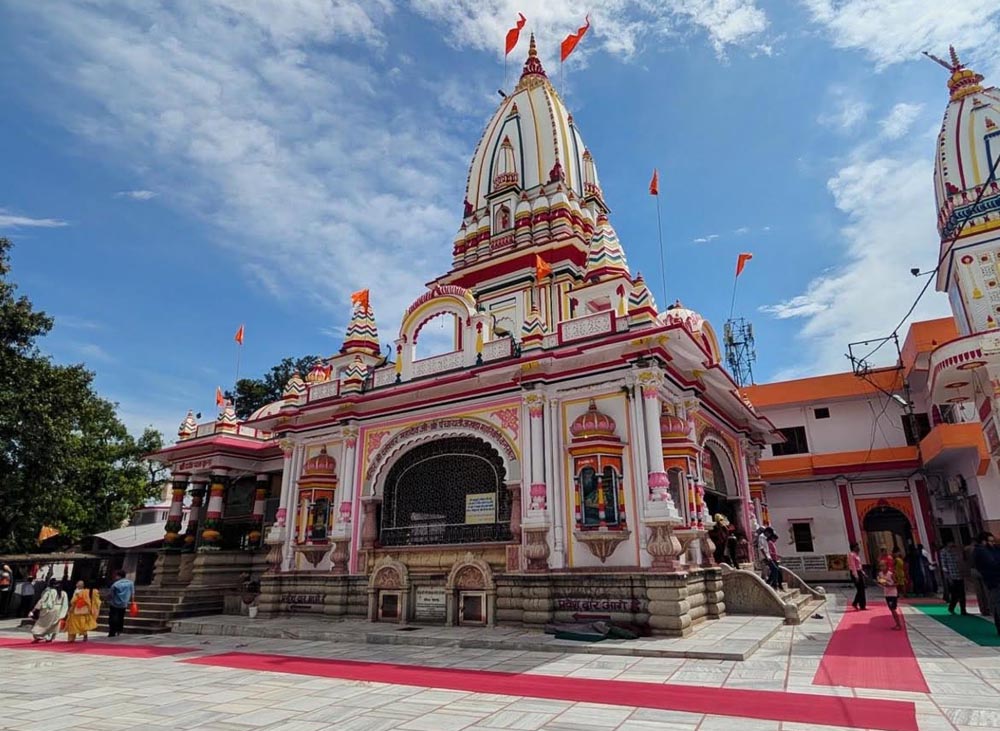
    Kankhal is particularly important because tradition identifies it with the legendary Daksha Yajna, the sacrificial ceremony associated with Sati’s self-immolation and Shiva’s subsequent fury. The principal shrine connected with this story is the Daksheshwar Mahadev Temple, located in southern Kankhal. The present temple structure is generally dated to 1810, when Queen Dhankaur commissioned it, and it was subsequently renovated in 1962.

    For travellers interested in Hindu mythology, pilgrimage, history and the quieter side of Haridwar, Kankhal deserves much more than a hurried visit. It can be explored as a destination in its own right or included in a broader Haridwar pilgrimage itinerary.

    The Historical and Spiritual Identity of Kankhal

    Kankhal is considered one of the ancient settlements associated with the religious landscape of Haridwar. Over centuries, the area developed as a centre of temples, monasteries, ashrams and spiritual institutions. Its proximity to the Ganga helped establish its importance as a pilgrimage destination, while its association with the Daksha Yajna gave it an especially strong place in Shaiva and Shakta traditions.

    The character of Kankhal is noticeably different from the busiest parts of Haridwar. Instead of being dominated entirely by large commercial streets, sections of the town retain an intimate pilgrimage-town atmosphere. Small shrines appear along roads and residential lanes, religious establishments coexist with everyday neighbourhood life, and visitors may encounter pilgrims performing rituals alongside local residents going about their daily routines.

    Kankhal’s importance is therefore not based on a single monument. Its significance comes from the combination of mythology, sacred geography, temples, ghats, religious institutions and living traditions that have developed around the area.

    The Legend of Daksha Yajna

    The central story associated with Kankhal concerns Daksha Prajapati, Goddess Sati and Lord Shiva. According to Hindu tradition, Sati was the daughter of Daksha and the consort of Shiva. Daksha is described as having organised a great yajna, or sacred ritual, but Shiva was not invited.

    Sati nevertheless went to the ceremony. According to the traditional account, Daksha insulted Shiva, deeply humiliating Sati. Unable to accept the disrespect shown towards her husband, Sati entered the sacrificial fire and gave up her life.

    When Shiva learned what had happened, his grief and anger became overwhelming. Tradition says that he sent the fierce warrior Virabhadra to destroy Daksha’s sacrifice. Daksha was killed during the destruction of the yajna, although Shiva later restored his life, giving him the head of a goat according to the traditional narrative.

    The story is not simply a tale of destruction. It contains themes of devotion, pride, sacrifice, grief, reconciliation and the relationship between Shiva and Shakti. The location associated with this story is consequently regarded as extremely sacred by devotees. The Daksheshwar Mahadev Temple and Sati Kund preserve the memory of this mythology in the religious landscape of Kankhal.

    For visitors, understanding this story makes a journey through Kankhal considerably more meaningful. The temples are not isolated architectural attractions; they are places embedded in a larger religious narrative.

    Daksheshwar Mahadev Temple

    The most important attraction in Kankhal is undoubtedly Shree Daksheshwar Mahadev – Daksh Prajapati Temple, also known as Daksha Mahadev or Daksheshwar Mahadev Temple. Dedicated to Lord Shiva, the temple stands at the heart of Kankhal’s religious identity.

    The present temple dates to the early nineteenth century. According to the Ministry of Tourism’s Incredible India portal, Queen Dhankaur constructed the current structure in 1810, while renovation work was carried out in 1962. The temple complex includes the sacred Sati Kund associated with the traditional account of Sati’s self-immolation.

    The temple is especially significant during the month of Sawan, when Shiva devotees undertake pilgrimages and perform abhishekam and other rituals. Maha Shivaratri is another major occasion when the shrine becomes particularly active, with devotional ceremonies and large numbers of worshippers. Navratri also has significance because of the temple’s association with Sati.

    The temple’s relatively accessible location makes it easy to combine with other Haridwar attractions. Visitors should nevertheless remember that this is an active place of worship rather than simply a sightseeing monument. Modest clothing, respectful behaviour and sensitivity towards worshippers are appropriate.

    Sati Kund and the Sacred Landscape

    Close to Daksheshwar Mahadev Temple is Sati Kund, another site associated with the Daksha Yajna tradition. According to Hindu belief, this is connected with the place where Sati entered the sacrificial fire.

    The importance of Sati Kund comes primarily from its religious and mythological association. The site helps visitors understand why Kankhal occupies such a prominent position in the stories surrounding Shiva and Sati. Rather than viewing the kund merely as an architectural structure, travellers can consider it part of a wider sacred landscape that includes the temple, nearby ghats and other Shiva shrines.

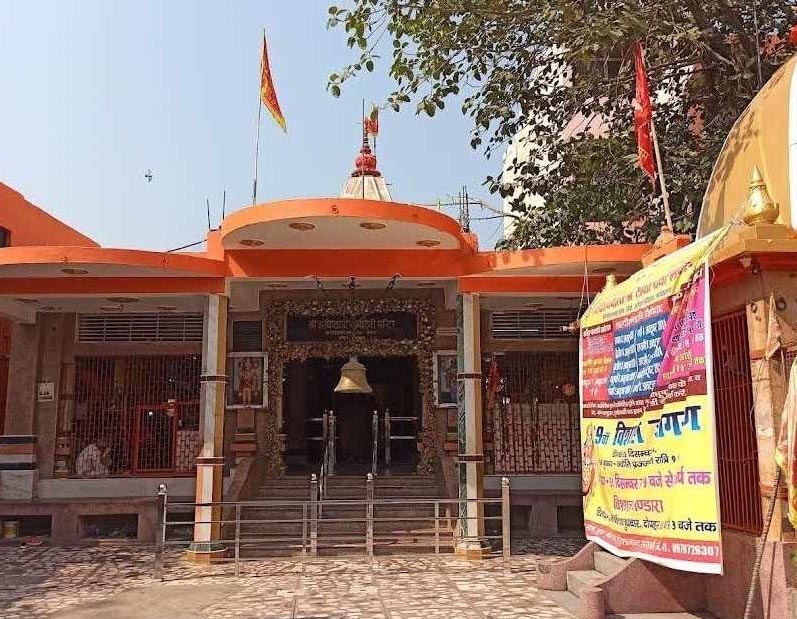
    The present-day Sati Kund Mandir is among the local religious sites visitors may encounter while exploring Kankhal.

    Daksha Ghat and the Ganga

    Kankhal’s relationship with the Ganga is another important part of its spiritual character. Ghats around the area provide spaces for bathing, prayer and religious ceremonies. Daksha Ghat, associated with the Daksheshwar Mahadev area, is particularly relevant to pilgrims visiting the temple.

    The experience here can be very different from the large and highly developed ghats of central Haridwar. Depending on the time of day and season, visitors may find a quieter environment in which the sound of the river, temple bells and devotional activity becomes more noticeable.

    The Ganga is central to the religious identity of the entire Haridwar region. For many pilgrims, a visit to Kankhal is therefore combined with bathing, prayer or other rituals connected with the sacred river.

    Other Temples and Religious Places

    Kankhal contains several smaller temples and shrines beyond Daksheshwar Mahadev. Nileshwar Mahadev is traditionally associated with the sacred landscape surrounding Daksha Temple and is another Shiva shrine that can be incorporated into a temple walk. The concentration of religious sites means that visitors who enjoy exploring smaller temples may find Kankhal more rewarding than simply visiting one famous shrine.

    The town also has numerous ashrams and religious establishments. These institutions reflect the long tradition of spiritual study, meditation, service and pilgrimage associated with Haridwar and its surrounding settlements.

    One of the notable institutions in the area is the Ramakrishna Mission Sevashrama. The institution has a long history of charitable medical service in Kankhal, adding another dimension to the town’s religious and social identity. Historical accounts describe the Sevashrama as a major healthcare institution serving the region for more than a century.

    Kankhal’s Ashrams and Spiritual Atmosphere

    One of the most appealing aspects of Kankhal is its ashram culture. The town has historically attracted monks, spiritual seekers, pilgrims and religious organisations. Some establishments focus on meditation and spiritual study, while others are connected with charitable activities, education or healthcare.

    The presence of ashrams contributes to the quieter atmosphere found in parts of Kankhal. Travellers interested in spirituality may find it worthwhile to spend time walking rather than moving immediately from one major attraction to another.

    However, ashrams are functioning religious institutions, so visitors should always check whether photography, entry or participation in activities is permitted. Some places welcome visitors, while others are primarily intended for residents, students or devotees.

    Festivals in Kankhal

    Festivals are among the most significant times to experience Kankhal’s religious character. Maha Shivaratri is particularly important because Daksheshwar Mahadev is a Shiva temple. Devotees gather for prayers, offerings and special ceremonies, and the surrounding area becomes considerably more active.

    Sawan is another important period. The month is traditionally dedicated to Lord Shiva, and devotees undertake various forms of worship and pilgrimage. The Incredible India tourism portal specifically identifies Sawan as an auspicious period for visiting Daksha Mahadev Temple.

    Navratri is significant as well because of the site’s connection with Sati. During major religious festivals, visitors should expect larger crowds, traffic restrictions in some areas and longer waiting times at popular temples.

    Kumbh and related major pilgrimage gatherings also transform the wider Haridwar region. Kankhal has historically been connected with the broader religious culture of Haridwar, and the town can become considerably busier during major pilgrimage periods.

    The Cultural Side of Kankhal

    Kankhal is not only a pilgrimage destination. It is also a living neighbourhood where religious traditions and ordinary life exist side by side. Walking through the streets provides glimpses of local shops, flower sellers, religious-item vendors, small eateries, homes and temples.

    The architecture in older parts of Kankhal can also be interesting. Some traditional buildings and old residences reflect the history of the settlement and its connection with wealthy pilgrims and religious communities. Kankhal was historically an important residential and religious centre, and parts of this heritage can still be sensed while walking through the older neighbourhoods.

    This everyday atmosphere is one of the reasons to avoid treating Kankhal as merely a quick temple stop. A slow walk can reveal details that are easily missed from a vehicle.

    Food and Local Eating

    Food in Kankhal generally reflects the vegetarian culinary culture of Haridwar. Pilgrims can find simple North Indian meals, snacks, sweets, tea and other vegetarian preparations. Because Haridwar is a major pilgrimage destination, vegetarian food is widely available.

    Visitors looking for a contemporary casual meal can also find restaurants around Kankhal and nearby Haridwar. For example, Station 58 | Family Restaurant in Haridwar is located in Kankhal, while Chaap is another local restaurant option. Travellers should check current opening hours before visiting because local business hours can change.

    Street food is also part of the broader Haridwar experience, although visitors should choose busy, hygienic establishments, particularly during hot weather.

    Where to Stay

    Kankhal and neighbouring parts of Haridwar offer a wide range of accommodation, from simple guesthouses and pilgrim-oriented lodging to hotels and more comfortable properties.

    Travellers who want to remain close to Kankhal can consider hotels in the wider Mayapur and Kankhal area. Hotel Park Grand is situated on the Haridwar–Delhi road near Shankracharya Chowk in Kankhal. There are also more upscale options in nearby Haridwar, such as Devnadi- The Heritage Hotel.

    For pilgrims, location may be more important than luxury. Staying close to the temples can make early-morning visits easier and reduce the need for repeated local travel. Visitors seeking quieter surroundings may prefer accommodation away from the busiest central Haridwar streets.

    Best Time to Visit Kankhal

    The best time depends largely on what kind of experience a traveller wants. October through March generally offers more comfortable weather for walking and sightseeing, particularly for visitors who want to explore Kankhal and nearby Haridwar attractions at a relaxed pace.

    The summer months can become hot, especially during the daytime, so early morning and evening are preferable for walking. The monsoon brings rain and increased humidity, but Sawan also brings special religious significance and activity to Shiva temples.

    Visitors who specifically want to experience Maha Shivaratri or Sawan should be prepared for crowds. Those looking for a quieter exploration may prefer visiting outside major festival periods.

    How to Reach Kankhal

    Kankhal is located very close to Haridwar and can easily be included in a Haridwar itinerary. Road transport is the most convenient way to reach the area. Auto-rickshaws, taxis and local transport connect Kankhal with central Haridwar.

    Haridwar railway station is the principal rail gateway for travellers arriving by train. From the station, Kankhal can be reached by local transport. Travel guides generally place Daksha Mahadev Temple roughly four kilometres from Haridwar, although the exact distance and travel time depend on the starting point and route.

    For air travellers, Jolly Grant Airport near Dehradun is the nearest major airport serving the Haridwar region. From the airport, travellers can continue by taxi or other road transport towards Haridwar and Kankhal.

    Because Kankhal is integrated into the wider Haridwar urban area, visitors do not need to plan a complicated journey specifically for the town.

    How Long Should You Spend in Kankhal?

    A half-day is sufficient to see the principal religious sites at a relaxed pace, particularly if Kankhal is part of a larger Haridwar trip. However, travellers interested in temples, mythology, architecture, ashrams and local culture can easily spend a full day.

    An ideal visit might begin early in the morning at Daksheshwar Mahadev Temple and Sati Kund, followed by a walk through nearby religious streets and shrines. Time can then be spent around the Ganga before returning towards central Haridwar.

    Those staying overnight can explore Kankhal during the quieter morning and evening hours, when the atmosphere often feels more peaceful than during the middle of the day.

    Places to Visit Near Kankhal

    Kankhal’s location makes it convenient to explore several of Haridwar’s major attractions. Har Ki Pauri is one of the most famous places nearby and is associated with the Ganga Aarti and sacred bathing ghats. Visitors can combine the spiritual atmosphere of Kankhal with the energetic environment of central Haridwar.

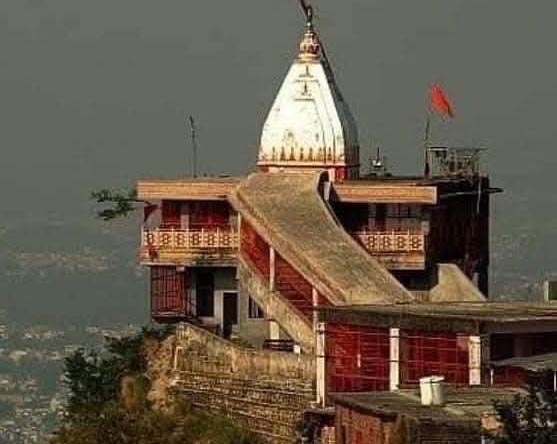
    Mansa Devi Temple and Chandi Devi Temple are also major pilgrimage destinations in Haridwar. Other temples and religious landmarks in the city can easily be added to a day-long itinerary.

    Travellers interested in nature can extend their journey towards Rishikesh and the surrounding Himalayan foothills. Depending on available time, Haridwar can serve as a base for exploring a much larger portion of Uttarakhand.

    Photography and Responsible Tourism

    Kankhal offers plenty of opportunities for photography, particularly around its old streets, temple architecture, religious details and riverfront areas. However, visitors should remember that religious ceremonies are personal and sacred occasions. It is better to ask permission before photographing worshippers, priests or private rituals.

    Plastic waste is another concern in pilgrimage destinations. Carrying reusable water bottles, avoiding unnecessary plastic and disposing of waste responsibly are simple ways travellers can help protect the environment.

    Visitors should also avoid entering restricted temple areas, touching religious objects without permission or treating sacred spaces purely as photographic backgrounds.

    A Different Side of Haridwar

    Perhaps the greatest appeal of Kankhal is that it reveals another side of Haridwar. The famous city is often associated with crowds, Ganga Aarti, bustling markets and large-scale pilgrimage. Kankhal, by comparison, invites visitors to slow down and pay attention to mythology, temples and the layers of history that surround them.

    Its importance comes from the extraordinary story associated with Daksha and Sati, but its identity today is much broader. It is a living pilgrimage town with temples, ghats, ashrams, charitable institutions, local markets and residential neighbourhoods.

    The visit becomes particularly rewarding when travellers move beyond the headline attraction of Daksheshwar Mahadev and spend time understanding the wider sacred geography of the area.

    Final Thoughts

    Kankhal is one of those destinations where mythology and everyday life are inseparable. The streets may appear ordinary at first, but beneath them lies a religious history that has made this small part of Haridwar significant for generations.

    Daksheshwar Mahadev Temple remains the heart of the experience, with its connection to the legendary Daksha Yajna, Sati Kund and Lord Shiva. The surrounding temples, ghats, ashrams and neighbourhoods add further depth to the visit. The present Daksha Mahadev temple dates from 1810 and was renovated in the twentieth century, but the story connected with the site belongs to the much older religious traditions of Hinduism.

    For travellers exploring Uttarakhand, Kankhal is therefore much more than an extension of Haridwar. It is a destination for understanding mythology, experiencing living pilgrimage traditions and discovering a quieter cultural landscape alongside one of India’s most important sacred rivers. Whether visited during the energy of Sawan and Maha Shivaratri or on a peaceful winter morning, Kankhal offers an opportunity to experience the spiritual heritage of Haridwar at a slower and more intimate pace.
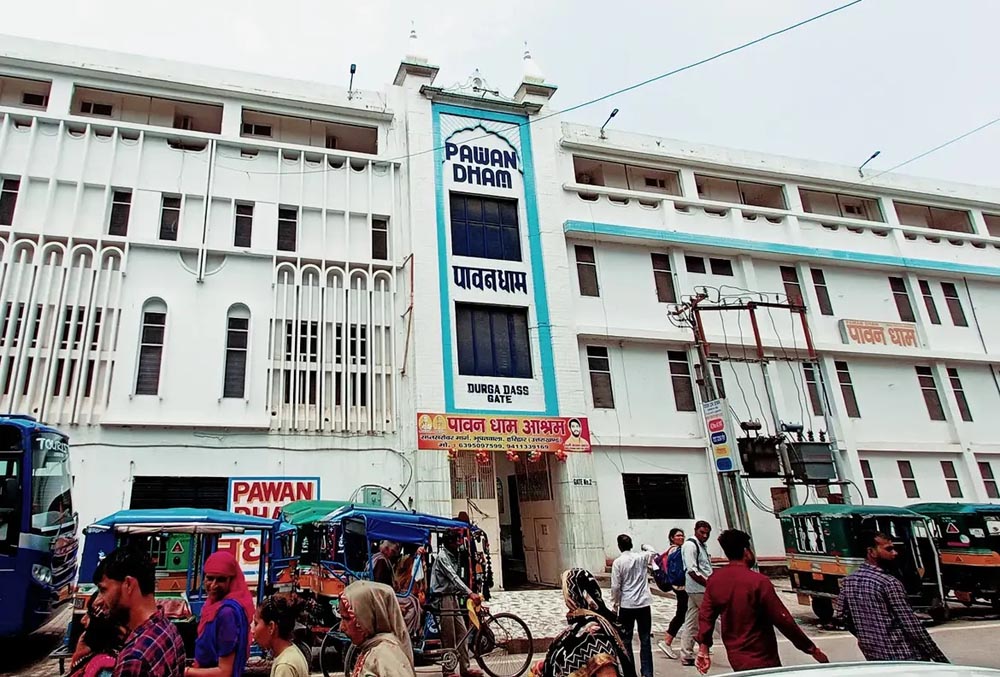
  • Nestled in the holy city of Haridwar, Uttarakhand, Pawan Dham is a distinctive temple complex that combines Hindu spirituality with extraordinary glass and mirror craftsmanship. Situated in the Bhupatwala area along the Sapt Sarovar Road, the temple is particularly known for its colorful interiors, intricate glasswork, elaborately decorated idols, and artistic representations of episodes from Hindu mythology. Unlike many of Haridwar’s traditional stone and marble temples, Pawan Dham creates a completely different visual experience, earning attention as one of the city’s distinctive modern religious attractions.

    Pawan Dham is located at Bhagirathi Nagar, Bhupatwala, Haridwar, and is approximately 3 km from the famous Har Ki Pauri area according to travel sources. Its location also places it conveniently close to several other important spiritual and tourist attractions in northern Haridwar.

    Introduction to Pawan Dham

    Haridwar is one of India’s most important pilgrimage destinations, attracting visitors because of the sacred Ganga, ancient temples, ashrams, ghats and religious traditions that have developed around the city over centuries. Within this spiritually rich environment, Pawan Dham offers a somewhat different architectural experience.

    Pawan Dham is associated with the Geeta Bhawan Trust Society of Moga, Punjab, and its Haridwar establishment functions as a religious and charitable institution. The temple is also described as a social and non-profit organization. Sources identify Swami Vedantanand Ji Maharaj with the establishment of the temple.

    The name “Pawan Dham” itself conveys the idea of a sacred or pure spiritual place. For pilgrims, however, the attraction is not limited to religious worship. The temple has become notable for its artistic interiors, where mirrors, colored glass, sculptures and decorative elements work together to create an elaborate visual environment.

    The temple is especially interesting for travelers who want to experience a side of Haridwar beyond the city’s famous riverfront and traditional pilgrimage landmarks.

    The Famous Glass and Mirror Work

    The defining feature of Pawan Dham is its spectacular glass and mirror decoration. The interiors feature extensive use of colorful glass pieces and reflective surfaces, creating an atmosphere in which light and imagery appear to merge together. Travel descriptions frequently highlight the intricate glasswork as the principal reason for visiting the temple.

    The decorative approach gives Pawan Dham an appearance that is considerably different from conventional temple architecture. Walls and ceilings contain detailed decorative work, while religious figures are displayed amid colorful glass and mirror arrangements. As visitors move through the interior, reflections can multiply the appearance of the decorative elements, producing a striking visual effect.

    The craftsmanship is particularly impressive because glass and mirrors are not merely used as occasional decorative additions. They form an important part of the overall visual identity of the temple. The result resembles a traditional “sheesh mahal” or palace of mirrors, although its purpose and atmosphere remain firmly connected with religious devotion.

    For photographers and architecture enthusiasts, this makes the temple an interesting stop. Even visitors who have already explored many temples in Haridwar can encounter something visually different here.

    Hindu Deities and Mythological Scenes

    Another major attraction of Pawan Dham is its collection of elaborately decorated idols and religious tableaux. Various Hindu deities are represented within the temple, and descriptions of the site mention figures associated with traditions surrounding Lord Krishna, Lord Rama, Lord Shiva, Goddess Durga, Lord Ganesha and other revered deities.

    One of the most notable scenes depicts Lord Krishna delivering the Bhagavad Gita to Arjuna. Krishna and Arjuna are shown in the famous chariot setting associated with the Kurukshetra battlefield and the teachings of the Gita. This scene is particularly meaningful because the Bhagavad Gita is one of the most influential texts within Hindu philosophical and spiritual traditions.

    Other representations include Krishna and Radha, Rama, Sita, Lakshmana and Hanuman, Shiva and Shakti, Vishnu and Lakshmi, Goddess Durga and several forms of Ganesha. Some displays depict recognizable episodes or characters from the Ramayana and Mahabharata.

    These displays make the temple more than a conventional shrine containing a single principal image. Instead, visitors encounter a visual presentation of several elements of Hindu mythology.

    Architecture and Artistic Character

    Pawan Dham’s architectural character is best understood through its combination of devotional sculpture and decorative glass craftsmanship. The temple’s exterior may appear comparatively restrained, but the interior reveals a much more elaborate environment. Visitor accounts frequently describe the contrast between the building’s outside appearance and its highly decorated interior.

    The use of mirrors has a practical visual consequence: even relatively small decorative spaces can appear much larger because reflections repeat architectural and artistic details. Colored glass adds another dimension by introducing different shades and patterns into the interior.

    This style also allows traditional religious imagery to be presented in a highly ornamental form. Rather than relying exclusively on painted murals or carved stone, Pawan Dham uses glass, mirrors and sculptural figures to tell religious stories.

    For visitors interested in Indian decorative arts, this is one of the most compelling aspects of the temple.

    Spiritual Significance

    Pawan Dham functions primarily as a religious institution, and visitors should approach it as a place of worship rather than simply as a tourist attraction. Devotees come to pray, view the sacred images and spend time in a peaceful spiritual environment.

    The temple’s location in Haridwar adds to this experience. Haridwar is closely associated with the River Ganga and with pilgrimage traditions that attract people from across India. A visit to Pawan Dham can therefore form part of a broader pilgrimage itinerary.

    The religious displays also provide an accessible way for visitors to encounter stories and figures from Hindu traditions. Someone unfamiliar with the detailed architecture of India’s ancient temples may find the visual storytelling at Pawan Dham particularly approachable.

    Pawan Dham as a Charitable and Pilgrim-Oriented Institution

    Pawan Dham is not simply a temple building. Information from its official website identifies it as a branch of the Geeta Bhawan Trust Society of Moga, Punjab.

    The broader institution is connected with pilgrim accommodation and charitable activities. Sources describing the facility mention accommodation and services associated with pilgrims and visitors. Current accommodation listings also describe rooms, food facilities, parking, drinking water and other basic amenities at the Pawan Dham property.

    This is important because religious destinations in Haridwar have traditionally served not only as places of worship but also as places where pilgrims can stay during their journeys.

    For travelers planning a longer pilgrimage, checking the current accommodation arrangements before arrival is advisable, because room availability, tariffs, check-in policies and facilities can change.

    Location of Pawan Dham

    Pawan Dham is situated in Bhupatwala, Haridwar, near Sapt Sarovar Road. Its address is listed as 03, Bhagirathi Nagar, Bhoopatwala, Haridwar, Uttarakhand 249410.

    The temple is around 3 km from Har Ki Pauri according to travel information, making it relatively convenient to include during a Haridwar sightseeing itinerary. The surrounding Bhupatwala and Sapt Sarovar area is well known for religious institutions, ashrams and accommodation facilities. The Uttarakhand Urban Development Department’s documentation also lists Pawan Dham among the significant ashrams of Haridwar.

    Its position away from the immediate Har Ki Pauri riverfront means visitors can combine a visit to Pawan Dham with other attractions rather than treating it as an isolated destination.

    How to Reach Pawan Dham

    Reaching Pawan Dham is relatively straightforward because Haridwar is well connected with major cities in northern India.

    By Road

    Haridwar has extensive road connections with Delhi, Dehradun, Rishikesh, Meerut, Chandigarh and other cities. Visitors arriving by bus or private vehicle can travel toward Bhupatwala and Sapt Sarovar Road. Local taxis, auto-rickshaws and other forms of local transport can generally be used for the final part of the journey.

    For travelers coming from Delhi, Haridwar is a popular road-trip and bus destination. Once in Haridwar, Pawan Dham can be incorporated into a local sightseeing circuit.

    By Train

    Haridwar Junction is the principal railway station serving the city. Travel sources place the railway station approximately 5 km from Pawan Dham.

    Because Haridwar has frequent rail connections with Delhi and other major Indian cities, traveling by train is convenient for many pilgrims.

    From the railway station, visitors can hire a taxi or use local transport to reach Bhupatwala.

    By Air

    The nearest major airport is Jolly Grant Airport near Dehradun. Travel information places it roughly 35 km from Pawan Dham, although actual road distance and travel time can vary depending on the route and traffic.

    Visitors arriving by air can continue toward Haridwar by taxi or other road transportation.

    Best Time to Visit

    Pawan Dham can be visited throughout the year, but the overall experience depends partly on Haridwar’s seasonal conditions.

    The cooler months from roughly October through March are generally comfortable for exploring Haridwar because daytime temperatures are more pleasant for sightseeing. Winter mornings and evenings can be chilly, so warm clothing may be useful.

    Spring can also be pleasant, while the summer months can become hot, particularly around midday. Visitors traveling during summer may prefer visiting religious attractions during morning or evening hours.

    The monsoon season brings rainfall to the region. While the rain can make the surrounding landscape greener, travelers should consider weather and road conditions when planning a wider Uttarakhand itinerary.

    Festival periods can make Haridwar especially lively, but they can also bring larger crowds and heavier traffic. Travelers who prefer a quieter temple visit may want to avoid the busiest pilgrimage periods.

    Timings and Entry

    Current online listings indicate that Pawan Dham is generally open from around 6:00 AM to 8:00 PM, although visitors should verify the schedule before making a special trip because temple timings can change.

    Travel accounts have described entry as free, but visitors should always follow any current instructions displayed at the temple.

    As with any Hindu place of worship, visitors should dress respectfully and behave appropriately within the temple premises.

    Photography policies can also change, so it is sensible to check local instructions before photographing the interior or religious displays.

    How Much Time Is Needed?

    Pawan Dham does not generally require an entire day. Travel information estimates approximately one hour for exploring the attraction, while visitor accounts have described shorter visits of around 30 minutes depending on interest and crowd levels.

    However, visitors interested in architecture, sculpture and photography may naturally spend more time examining the details.

    A relaxed visit allows travelers to appreciate the different deity displays, mirror work, glass decorations and mythological scenes rather than simply entering and leaving after offering prayers.

    Nearby Places to Visit

    One of the advantages of visiting Pawan Dham is its location within Haridwar’s larger network of religious attractions.

    Har Ki Pauri is perhaps the most famous landmark in Haridwar. Located several kilometers from Pawan Dham, it is associated with the Ganga and the renowned evening Ganga Aarti. Combining Pawan Dham with Har Ki Pauri creates a useful contrast between the colorful interior of the temple and the open riverfront atmosphere of Haridwar.

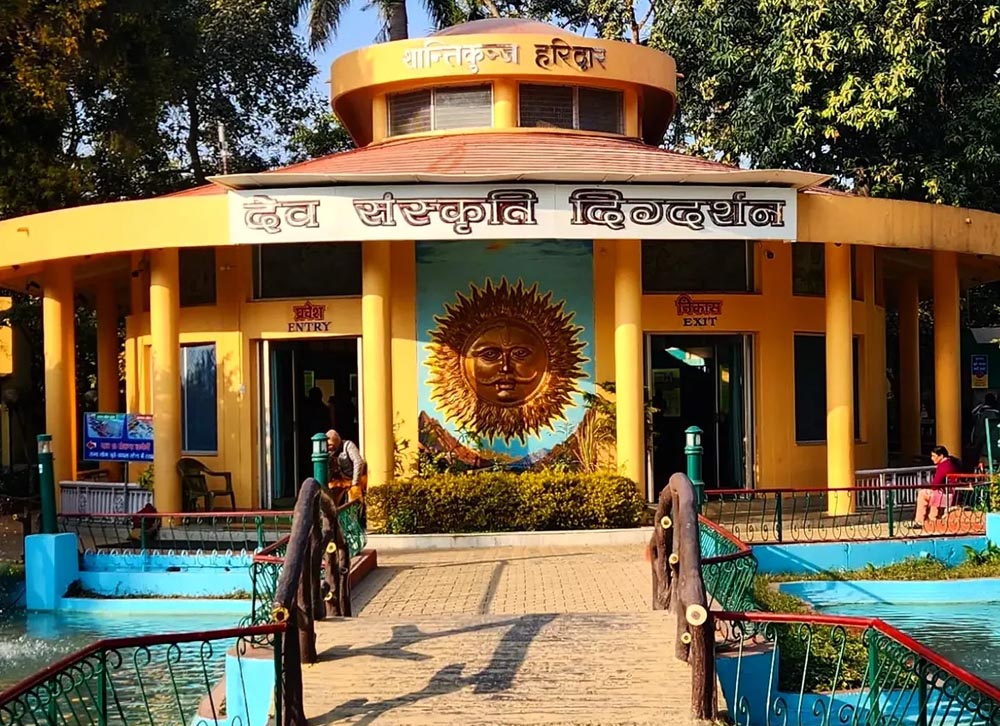
    Shantikunj is another important destination in the wider area. It is associated with the All World Gayatri Pariwar and attracts visitors interested in spirituality, meditation and religious activities.

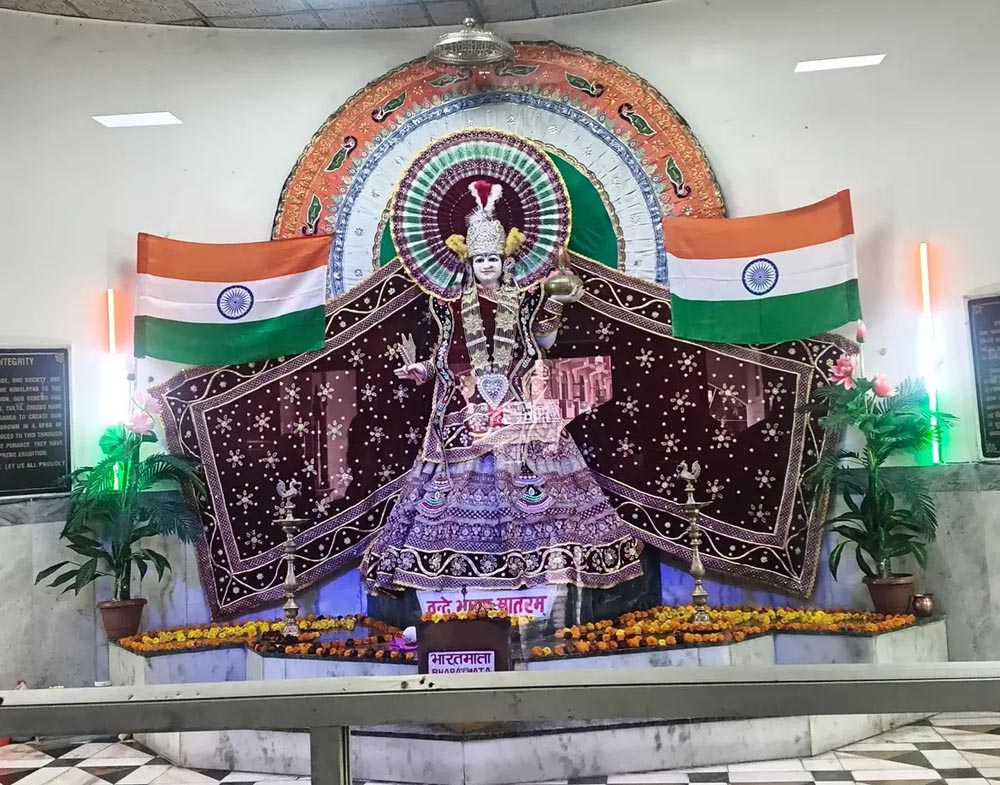
    Bharat Mata Mandir is also located in Haridwar and is known for its distinctive multi-level temple concept.

    The Sapt Rishi Ashram area is another nearby spiritual destination. Haridwar’s wider religious landscape contains numerous ashrams, temples and meditation centers, making it easy to create a full-day spiritual itinerary around Pawan Dham.

    For visitors interested in wildlife and nature, Rajaji National Park is another major attraction in the broader Haridwar region.

    Pawan Dham for Photography and Art Lovers

    Although Pawan Dham is first and foremost a religious destination, its artistic character makes it appealing to people interested in photography and visual culture.

    The mirrors create repeated reflections, while colored glass produces variations in light and color. Sculptural figures provide additional focal points. Together, these elements make the interior visually different from the stone, wood or painted surfaces commonly encountered in Indian religious architecture.

    Photography should always be conducted respectfully. Visitors should avoid obstructing worshippers, disturbing religious activities or ignoring any restrictions established by temple authorities.

    Things to Keep in Mind

    A visit to Pawan Dham is generally simple, but a few practical considerations can make the experience more comfortable.

    Wear comfortable clothing suitable for a religious setting. Footwear may need to be removed before entering the temple, so easily removable footwear is useful.

    The reflective interiors can be visually intense, particularly when there are many visitors. Taking time to observe the details rather than rushing through the temple can make the visit more rewarding.

    During major festivals and pilgrimage seasons, expect larger crowds around Haridwar. Traffic can also increase significantly, so travelers should leave additional time when moving between different attractions.

    If staying at Pawan Dham or another pilgrim accommodation, confirm the current booking conditions, check-in and check-out times, room availability and applicable policies in advance. Current accommodation information lists check-in at 11:00 AM and check-out at 10:00 AM, but such policies are subject to change.

    Why Pawan Dham Is Worth Including in a Haridwar Trip

    Pawan Dham occupies an interesting position within Haridwar’s tourism landscape. The city is famous for ancient religious traditions, the Ganga, ghats and spiritual institutions, whereas Pawan Dham offers a more visually elaborate temple experience built around glass, mirrors and colorful religious sculptures.

    Its greatest appeal lies in this combination. A visitor can encounter familiar Hindu deities and stories while simultaneously experiencing an unusual form of decorative craftsmanship.

    The temple also demonstrates how contemporary religious spaces can use artistic techniques to communicate traditional stories. The Bhagavad Gita scene involving Krishna and Arjuna, representations from the Ramayana and Mahabharata, and numerous deity sculptures turn the temple into a visual narrative as well as a place of worship.

    For travelers exploring Haridwar, therefore, Pawan Dham can provide a pleasant change of pace from the city’s major riverfront attractions.

    Final Thoughts

    Pawan Dham is one of those destinations that illustrates the diversity of Haridwar’s religious architecture. Its importance comes not from monumental size or ancient stone construction but from the unusual combination of spirituality, sculpture, mirrors and colored glass.

    Located in Bhupatwala near Sapt Sarovar Road, the temple is conveniently accessible from the central parts of Haridwar and can be incorporated into a wider sightseeing or pilgrimage itinerary. Its elaborate interiors, decorated idols and representations of Hindu mythology provide visitors with both a religious and artistic experience.

    For anyone visiting Haridwar, Pawan Dham offers an opportunity to see a different side of the city’s temple culture. The reflective glass interiors, colorful decorations and devotional atmosphere create an environment that is distinctly different from the traditional ghats and temples for which Haridwar is internationally known.

    Whether the purpose of the journey is pilgrimage, cultural exploration, architecture, photography or simply discovering lesser-known attractions around Haridwar, Pawan Dham makes an interesting addition to the itinerary. A visit does not require an entire day, yet the artistic details can leave a lasting impression, particularly for travelers willing to slow down and appreciate the craftsmanship behind this distinctive glass temple.

  • Nestled in the peaceful surroundings of Haridwar, Uttarakhand, Shantikunj is far more than an ordinary ashram or religious centre. It is a major spiritual, cultural and social institution associated with the All World Gayatri Pariwar (AWGP), and it attracts visitors, spiritual seekers, families, students and volunteers from different parts of India and abroad. Located in the Motichur area of Haridwar, near the foothills of the Himalayas, Shantikunj is known for its disciplined lifestyle, collective prayers, Gayatri worship, yajna, meditation, spiritual training and emphasis on character building.

    Officially known as Gayatri Teerth Shantikunj, the centre describes itself as the spiritual headquarters of the All World Gayatri Pariwar. It was founded by Pandit Shriram Sharma Acharya in 1971 and subsequently developed into a large centre for spiritual awakening, moral education, social service and cultural activities.

    For travellers visiting Haridwar, Shantikunj offers a different experience from the city’s crowded temples and ghats. Instead of simply visiting a monument, a visitor can observe and, where permitted, participate in an organized daily routine involving prayer, meditation, yajna, discourse and service. This combination of pilgrimage and disciplined community life is one of the defining characteristics of Shantikunj.

    The Location and Spiritual Setting of Shantikunj

    Shantikunj is situated in Haridwar district of Uttarakhand, in the Motichur area along the Delhi–Rishikesh Highway. Its postal address is Gayatri Teerth–Shantikunj, Haridwar, Uttarakhand 249411. The centre is approximately 6 kilometres from Haridwar Railway Station according to the official Shantikunj information.

    Its geographical setting contributes greatly to its atmosphere. Haridwar is positioned where the Ganga enters the plains after descending from the Himalayan region, and the wider area is surrounded by the Shivalik landscape. This combination of river, hills, forests and religious traditions has made Haridwar one of India’s major pilgrimage destinations. Shantikunj’s location is particularly significant because its philosophy connects the centre with the ancient idea of the Himalayan rishi tradition. The institution’s own history describes the site as associated symbolically with the Sapt-Rishi tradition and the spiritual heritage of the Himalayas. The development of Shantikunj therefore was intended not merely as construction of an ashram but as the creation of a centre for spiritual practice and training.

    The atmosphere is noticeably different from the busy commercial areas of Haridwar. Visitors encounter an environment centred on simplicity, routine, prayer, service and collective participation rather than conventional tourism.

    History of Shantikunj

    The history of Shantikunj is closely connected with Pandit Shriram Sharma Acharya and Mata Bhagwati Devi Sharma, the figures revered within the Gayatri Pariwar tradition.

    According to the organisation’s account, the establishment of Shantikunj followed Acharya’s spiritual experiences and guidance associated with the Himalayan tradition. In 1971, he established Shantikunj in the Sapt-Sarovar area of Haridwar and began developing it as a centre for the revival of the rishi tradition.

    The early Shantikunj was comparatively modest. Additional land was acquired and construction gradually expanded. The institution’s account states that the development included accommodation, a kitchen, meeting facilities, temples and spaces for spiritual practice. A temple dedicated to Gayatri and the Akhand Deep became important components of the developing complex.

    The site was envisioned as a kind of modern rishi ashram where spiritual discipline, education and service would be integrated. Over the following years, Shantikunj expanded its training programmes and infrastructure. Its historical development also included the establishment of the Brahmavarchas Research Institute in 1979, reflecting the organisation’s interest in exploring connections between spirituality and scientific approaches.

    The expansion transformed Shantikunj into an institutional centre rather than simply a small retreat. Today, its activities extend into education, social service, spiritual training, cultural programmes and various forms of community outreach.

    The Philosophy Behind Shantikunj

    The central philosophy of Shantikunj revolves around personal transformation and social transformation. According to the organisation, the development of an individual’s moral, spiritual and cultural qualities is connected with the broader improvement of society.

    Gayatri worship occupies an important place in this philosophy. Meditation, mantra recitation, yajna, self-discipline and service are treated as practical methods for developing inner awareness and ethical living.

    The institution also places considerable emphasis on what it describes as the integration of spirituality with everyday life. Rather than viewing spiritual practice as something limited to temples or periods of retreat, its programmes encourage participants to connect spiritual discipline with family life, social responsibility, education, professional conduct and service.

    This explains why Shantikunj is not simply a place for sightseeing. A traveller interested only in seeing buildings may complete a visit relatively quickly, while someone interested in understanding its philosophy may benefit from spending more time observing the daily activities.

    Gayatri Temple and Akhand Deep

    Among the spiritually important features of Shantikunj are its Gayatri-related places of worship and the Akhand Deep, the continuously maintained sacred lamp associated with the institution’s tradition.

    The Akhand Deep holds special symbolic importance within Shantikunj. It represents continuity of spiritual practice and is associated with the Gayatri tradition followed by the institution. Visitors can participate in darshan according to the centre’s established routine.

    The complex also contains symbolic representations connected with Ganga, Uttarakhand and the ancient rishi tradition. The organisation’s historical account specifically describes temples associated with Ganga, Uttarakhand, the seven rishis and other revered rishis as part of the early development of the ashram.

    For visitors interested in Indian spiritual traditions, these features provide an opportunity to understand how ancient symbols are interpreted within a modern institutional setting.

    Daily Life at Shantikunj

    One of the most distinctive aspects of Shantikunj is its highly structured daily routine. The schedule begins very early in the morning, reflecting the traditional Indian ashram concept of beginning spiritual practice before sunrise.

    The official schedule lists morning prayer, aarti, collective meditation, darshan of the Akhand Deep, yajna and collective chanting among the early activities. Discourses and classes follow later in the morning, while afternoon and evening activities include meditation, collective chanting, aarti and spiritual programmes.

    The exact schedule varies somewhat according to the season. The official timetable indicates earlier morning activities during April–September and slightly later timings during October–March. Night rest is scheduled relatively early, reinforcing the disciplined lifestyle of the institution.

    The schedule is important for visitors because Shantikunj is not designed around the typical tourist model of arriving at any time, seeing a few attractions and leaving. Those staying inside the ashram are expected to participate in its activities.

    Yajna and Spiritual Practices

    Yajna is another important feature of Shantikunj. The practice involves a sacred fire ceremony rooted in Vedic traditions and occupies a regular place in the centre’s daily routine.

    Morning yajna is conducted collectively, accompanied by mantra recitation and other ritual practices. For visitors familiar with Hindu religious traditions, this can be an especially meaningful part of the Shantikunj experience.

    Meditation is also incorporated into the daily schedule. The official routine includes Jyoti Avadharan Sadhana in the afternoon and Naad Yoga meditation in the evening. Collective japa and spiritual discourses are also part of the programme.

    These practices create an environment where spiritual activities are not isolated events but interconnected parts of daily life.

    Training, Camps and Educational Activities

    Shantikunj is also known for its training programmes. The institution offers spiritual camps designed for different levels of participants, including programmes focused on self-refinement and spiritual awakening. According to its visitor information, camps can range from several days to longer programmes.

    The centre’s wider activities include programmes related to moral education, youth development, social reform, women’s empowerment, rural development, disaster management, Vedic culture and self-reliance. These activities reflect the organisation’s stated goal of combining spiritual development with social responsibility. For students, teachers and organised groups, Shantikunj also offers options for guided visits and short spiritual sessions. Such programmes can make a visit more educational than a simple sightseeing trip.

    Accommodation at Shantikunj

    Accommodation at Shantikunj follows the character of an ashram rather than a conventional hotel. According to the official accommodation information, lodging is primarily intended for people participating in spiritual training or camps, conducting sacramental activities or visiting the centre with appropriate permission. Visitors coming simply for pilgrimage may be permitted a maximum stay of two days and are expected to participate in the daily activities.

    The official information states that accommodation is provided free of charge and that there is no prior reservation system for ordinary accommodation; space is subject to availability upon arrival. Spiritual seekers are generally provided group accommodation rather than individual rooms.

    This is an important consideration for travellers. Someone looking for hotel-style privacy, flexible meal times and complete freedom of schedule may prefer to stay at a hotel or guesthouse in Haridwar and visit Shantikunj during the day. Visitors specifically seeking an ashram experience, however, may find the structured arrangement meaningful.

    Crowds can increase during summer and major spiritual occasions such as Navratri, Vasant Panchami, Guru Purnima, Gayatri Jayanti and Raksha Bandhan, so accommodation may be more difficult to obtain during such periods.

    Food and Community Living

    Food at Shantikunj is connected with the institution’s emphasis on simple community living. Its official daily routine states that two meals are offered free of cost to visitors and residents through the ashram’s kitchen.

    Meals are not simply a hospitality service; they form part of the ashram’s daily rhythm. Visitors staying inside the complex should therefore be prepared to follow the scheduled meal timings rather than expecting the flexibility of a commercial restaurant.

    The overall lifestyle encourages simplicity, discipline and participation. This makes the experience particularly different from a conventional holiday.

    Shantikunj as a Centre of Social Service

    Another major dimension of Shantikunj is its social and cultural outreach. The institution identifies activities such as social reform, rural self-reliance, disaster management, youth transformation, women’s empowerment, Vedic studies, Ayurveda-related research and cultural education among its areas of work.

    This broader mission has helped Shantikunj develop an extensive network associated with the Gayatri Pariwar movement. The organisation describes numerous centres and study groups connected with its work across India and beyond.

    Consequently, Shantikunj can be understood on several levels: as an ashram, pilgrimage centre, training institution, cultural organisation and headquarters of a large spiritual movement.

    How to Reach Shantikunj

    Shantikunj is conveniently accessible from Haridwar. The official centre states that it is approximately 6 kilometres from Haridwar Railway Station and lies directly on the Delhi–Rishikesh Highway. Shared and private auto-rickshaws are commonly used to reach the centre from the railway station or bus stand.

    Haridwar itself has strong rail connections with major Indian cities. The district administration lists direct railway connections with cities including Delhi, Mumbai, Kolkata, Chennai, Ahmedabad and Jaipur. By road, Haridwar is accessible from Delhi, Uttar Pradesh, Haryana, Punjab and other parts of Uttarakhand. For air travellers, Jolly Grant Airport near Dehradun is the nearest airport serving Haridwar. The district administration places it about 37 kilometres from Haridwar, while Shantikunj’s own information gives a distance of less than 30 kilometres from the centre. The difference reflects the different reference points used for the measurements.

    Places to Visit Near Shantikunj

    A visit to Shantikunj can easily be combined with other attractions in Haridwar. The city’s most famous religious landmark is Har Ki Pauri, the historic Ganga ghat where the evening Ganga Aarti attracts large numbers of devotees and visitors.

    Mansa Devi Temple and Chandi Devi Temple are other major religious attractions. Both are associated with the Shakti tradition, and Chandi Devi Temple is situated on Neel Parvat. The district’s official tourism listings also include Rajaji National Park among Haridwar’s major attractions.

    Visitors interested in ashram culture can also explore other spiritual institutions in and around Haridwar. The wider city offers an extensive range of temples, ashrams, ghats and traditional centres, making it possible to combine a Shantikunj visit with a broader spiritual tour of the region.

    Best Way to Experience Shantikunj

    The most meaningful way to experience Shantikunj is to treat it as a spiritual centre rather than simply another tourist attraction. Visitors should maintain quietness, respect the dress and behavioural expectations of the ashram, follow instructions from volunteers and avoid disrupting ongoing prayers or meditation.

    If visiting for only a few hours, it is useful to learn the permitted visiting periods and important activities beforehand. Those staying within the ashram should be prepared for early mornings, scheduled meals, collective activities and limited personal flexibility.

    Photography and other visitor activities should always follow the centre’s current rules. Since schedules, access arrangements and programme availability can change, checking the official Shantikunj information before travelling is advisable.

    Why Shantikunj Is Significant to Haridwar

    Haridwar is already one of India’s most important pilgrimage destinations, but Shantikunj adds another dimension to the city’s spiritual landscape. Instead of focusing primarily on ritual bathing, temple worship or festivals, it emphasises organised spiritual practice, education, character development and social service.

    Its significance also lies in the way it attempts to connect traditional concepts with contemporary life. Meditation, yajna, mantra practice and the rishi tradition are presented alongside education, scientific research, social development and community programmes.

    For some visitors, Shantikunj may be a place of prayer and meditation. For others, it may be an opportunity to learn about the Gayatri Pariwar movement or experience disciplined ashram life. Students and organised groups may approach it as an educational visit, while spiritual seekers may come specifically for training and longer programmes.

    Final Thoughts

    Shantikunj represents an important chapter in the modern spiritual history of Haridwar. Established in 1971 under the guidance of Pandit Shriram Sharma Acharya, it has grown from a comparatively small ashram into the headquarters of the All World Gayatri Pariwar and a centre associated with spiritual education, social service and cultural activities.

    Its greatest distinction is the integration of spiritual practice with everyday discipline. Early-morning prayer, meditation, yajna, chanting, study, community meals, service and evening programmes create a rhythm quite different from ordinary urban life.

    For travellers exploring Uttarakhand, Shantikunj can therefore offer an experience beyond conventional sightseeing. Its peaceful setting near the Ganga, proximity to Haridwar’s major pilgrimage sites and carefully organised daily routine make it a distinctive destination for those interested in spirituality, Indian culture, meditation and community living.

    More than a place to see, Shantikunj is a place to experience. Its importance lies not only in its temples and buildings but also in the practices, ideas and community activities that continue to shape its identity. A visit becomes especially meaningful when approached with patience, respect and an openness to understanding the traditions that have made this institution one of the notable spiritual centres of Uttarakhand.

  • In the sacred landscape of Uttarakhand, where rivers, mountains and ancient shrines are closely woven into Hindu traditions, few places carry a mythological story as powerful as Daksh Mahadev Temple. Located in Kankhal, near Haridwar, the temple is also known as Daksheshwar Mahadev Temple or Daksha Mahadev Temple. It is dedicated to Lord Shiva and is traditionally associated with the legendary Daksha Yajna, the sacrifice performed by King Daksha Prajapati and the tragic self-immolation of Goddess Sati.

    The temple is situated in Kankhal, one of the old sacred areas around Haridwar. Uttarakhand Tourism itself includes Daksh Prajapati in its Shaiv Circuit, reflecting the site’s place within the state’s wider network of Shiva pilgrimage destinations.

    For pilgrims, the temple is a place of worship. For visitors interested in Indian mythology, it is a place where one of Hinduism’s best-known stories is traditionally connected to a physical landscape. And for travellers exploring Haridwar beyond the famous ghats and Ganga Aarti, Daksh Mahadev Temple offers an opportunity to experience the quieter religious character of Kankhal.

    Where Is Daksh Mahadev Temple Located?

    Daksh Mahadev Temple is located in Kankhal, in Haridwar district of Uttarakhand. Kankhal lies only a few kilometres from central Haridwar and is easily accessible by road. The temple’s address is generally given as Kankhal, Haridwar, Uttarakhand – 249407.

    Its proximity to Haridwar makes it particularly convenient for pilgrims. A visit to the temple can be combined with other important religious places in Haridwar, including Har Ki Pauri, Mansa Devi Temple, Chandi Devi Temple and other shrines in and around Kankhal.

    The temple is particularly significant because its importance does not depend only on its present-day architecture. Its identity is inseparable from the ancient story of Daksha Prajapati, Sati and Shiva. According to Hindu tradition, Kankhal was the setting for the great yajna organized by Daksha, making the area an important mythological landscape.

    The Story of Daksha Yajna

    The most important reason devotees visit Daksh Mahadev Temple is its association with the story of Daksha Yajna.

    According to Hindu tradition, Daksha Prajapati was a powerful figure and the father of Sati, who later became the first wife of Lord Shiva. Sati chose Shiva as her husband, but Daksha was not pleased with the marriage. The story portrays a deep conflict between Daksha’s pride and Shiva’s unconventional, ascetic way of life.

    Daksha eventually organized a grand yajna and invited numerous gods, sages and important personalities. Lord Shiva, however, was deliberately excluded from the gathering. Sati, despite not being invited, decided to attend because she wanted to visit her father’s house and participate in the family ceremony.

    When Sati arrived, the situation became painful. The traditional account describes Daksha insulting Shiva in Sati’s presence. Unable to accept the humiliation directed toward her husband, Sati gave up her physical body by entering the sacrificial fire of the yajna.

    This moment becomes the emotional centre of the entire story. Sati’s death transformed the yajna from a grand religious ceremony into a scene of cosmic conflict.

    The account is preserved in Hindu religious literature in different forms and is an important part of the mythology surrounding Shiva and Shakti. Uttarakhand Open University material on tourism also identifies Kankhal’s Daksheshwar Mahadev Temple with this traditional account of Daksha’s yajna and Sati’s self-immolation.

    Shiva’s Anger and the Arrival of Virabhadra

    When Lord Shiva learned of Sati’s death, his grief and anger became immense. According to the traditional story, Shiva created or manifested the fierce warrior Virabhadra, who was sent to destroy Daksha’s yajna.

    Virabhadra arrived at the sacrificial site with Shiva’s ganas. The ceremony was disrupted, and Daksha was eventually beheaded.

    The story does not end with destruction. After the gods and other divine beings pleaded for mercy, Shiva eventually restored Daksha’s life. In the familiar version of the legend, Daksha was given the head of a goat.

    This part of the story is particularly meaningful because the narrative moves from anger and destruction toward repentance, restoration and forgiveness. Consequently, Daksh Mahadev Temple is not simply associated with tragedy. For many devotees, it represents the power of devotion, the consequences of arrogance and the possibility of divine forgiveness.

    Why Is the Temple Called Daksheshwar Mahadev?

    The name itself explains much of the temple’s identity.

    “Daksh” refers to Daksha Prajapati, while “Mahadev” is one of the revered names of Lord Shiva. The temple is therefore commonly known as Daksh Mahadev or Daksheshwar Mahadev.

    The shrine is dedicated primarily to Shiva, and the mythology of Daksha gives the temple a distinctive character among Shiva temples. Rather than being connected primarily with a mountain legend, a Jyotirlinga tradition or a particular form of Shiva’s ascetic life, this shrine is strongly associated with the family and cosmic drama involving Shiva, Sati and Daksha.

    The Government of India’s Incredible India tourism portal describes the shrine as a sacred temple devoted to Shiva and Sati and identifies the Sati Kund/Yagna Kund as an important part of the site’s religious association.

    History of the Present Temple

    Although the religious tradition associated with Kankhal is much older, the present temple structure has a more recent documented history.

    According to tourism sources, the present structure was built in 1810 by Queen Dhankaur and subsequently renovated in 1962.

    This distinction between mythological antiquity and architectural antiquity is important. The sacred story associated with the location belongs to Hindu religious tradition and is understood to be ancient, while the structure that visitors see today is comparatively recent.

    The rebuilding and renovation of the temple illustrate how pilgrimage sites can evolve over centuries. A shrine may retain its traditional sacred identity even as its physical structures are repaired, reconstructed or renovated by later generations.

    Architecture of Daksh Mahadev Temple

    Daksh Mahadev Temple has a traditional North Indian temple character and is commonly described as having Nagara-style architectural features. The present structure is relatively modest compared with some of India’s enormous temple complexes, but its visual simplicity contributes to its devotional atmosphere.

    The principal shrine is dedicated to Lord Shiva. The temple complex also contains sacred spaces associated with the Daksha Yajna tradition. Sources describe a Yajna Kund within the temple area, connecting the physical surroundings with the mythology for which Kankhal is famous.

    The temple’s design is not the only aspect that attracts visitors. Its importance comes from the combination of architecture, religious practice and mythology. A devotee approaching the shrine is therefore not simply entering an old building; they are entering a place understood within a much larger sacred narrative.

    Sati Kund and Its Importance

    One of the most important places associated with the Daksha Mahadev tradition is Sati Kund.

    Sati Kund is traditionally identified with the sacrificial fire associated with Sati’s death. It is located in Kankhal and is frequently visited along with Daksh Mahadev Temple.

    For devotees, Sati Kund has a deeply emotional significance because it recalls Sati’s devotion to Shiva and the events that changed the divine story of Shiva and Shakti.

    The story also has a wider importance in Hindu tradition because Sati’s death is connected with the later manifestation of Shakti traditions and the stories surrounding sacred Shakti Peetha sites. Different religious texts and traditions give variations in details, locations and interpretations, so visitors should understand the story as part of a broad and diverse body of Hindu sacred literature rather than as a single historical account.

    Religious Significance of the Temple

    Daksh Mahadev Temple holds a special position for devotees of Lord Shiva. The association with Daksha Yajna gives it a distinctive spiritual identity within Haridwar.

    Uttarakhand is widely known for its religious heritage, and the state tourism department describes the region as a major spiritual destination containing numerous temples, sacred rivers and pilgrimage centres.

    The temple is particularly significant for people who want to explore Shiva-related pilgrimage traditions. It also forms part of the wider sacred landscape of Haridwar, a city whose religious identity is closely linked with the Ganga.

    Visiting Daksh Mahadev Temple can therefore feel different from visiting a conventional tourist attraction. The emphasis is on darshan, prayer, ritual and reflection rather than sightseeing alone.

    Festivals at Daksh Mahadev Temple

    The temple becomes especially lively during important Hindu festivals associated with Shiva and Shakti.

    Maha Shivaratri is one of the most important occasions. Devotees gather to worship Lord Shiva, perform prayers and participate in special rituals. The atmosphere around Shiva temples throughout India becomes particularly devotional during Shivaratri, and Daksh Mahadev Temple is no exception.

    The month of Shravan or Sawan is another important period. Devotees traditionally consider this month especially sacred to Lord Shiva. The temple attracts pilgrims during this period, with Mondays in particular holding special significance for Shiva worship.

    Navratri also has relevance because of the temple’s connection with Sati and Shakti traditions. The Incredible India tourism portal notes the importance of Sawan, Maha Shivaratri and Navratri in connection with the temple.

    During major festivals, visitors should expect larger crowds and a more intense pilgrimage atmosphere than on ordinary days.

    The Spiritual Atmosphere of Kankhal

    One of the pleasures of visiting Daksh Mahadev Temple is experiencing Kankhal itself.

    Kankhal is not simply a suburb of Haridwar. It is an old religious settlement with temples, ashrams, ghats and traditional pilgrimage spaces. The area has a quieter character than some of Haridwar’s busiest tourist zones.

    Walking through Kankhal can therefore become part of the pilgrimage experience. The narrow streets, temple bells, small shops selling religious items and the movement of devotees create an atmosphere very different from a conventional sightseeing destination.

    The temple’s surroundings also remind visitors that Haridwar’s religious identity extends far beyond Har Ki Pauri. While Har Ki Pauri is the most internationally recognizable attraction in the city, Kankhal represents another important layer of Haridwar’s spiritual heritage.

    Daksha Ghat and the Ganga

    The sacred geography of the temple is also connected with the Ganga. Daksha Ghat is associated with the temple area, and devotees traditionally visit the river as part of their pilgrimage.

    The Ganga is central to the religious identity of Haridwar. Uttarakhand Tourism describes the river as one of India’s most sacred rivers and highlights the importance of Haridwar within the state’s broader spiritual landscape.

    For pilgrims, combining temple darshan with time beside the Ganga can make the visit more meaningful. However, visitors should always follow local safety instructions when approaching the river, particularly during periods of strong current or changing water levels.

    How to Reach Daksh Mahadev Temple

    Reaching the temple is relatively straightforward because Kankhal is close to Haridwar.

    By train, visitors can travel to Haridwar Junction, which is the principal railway station serving the city. From the railway station, taxis, auto-rickshaws and other local transport can be used to reach Kankhal.

    By road, Haridwar is well connected with Delhi and other cities in northern India. Uttarakhand Tourism’s own pilgrimage itineraries regularly use Haridwar as an important starting and ending point for major religious circuits.

    For visitors arriving by air, Jolly Grant Airport near Dehradun is the nearest major airport generally used for reaching Haridwar. From the airport, the journey continues by road.

    Because the temple is within the Haridwar-Kankhal urban area, visitors do not need to undertake a mountain trek to reach it. This makes it accessible to elderly pilgrims and families who may find high-altitude temple journeys difficult.

    Best Time to Visit Daksh Mahadev Temple

    Daksh Mahadev Temple can be visited throughout the year, but the experience changes considerably according to the season.

    The Sawan season is ideal for those who want to experience the temple at its most active and devotional. Shiva worship becomes particularly prominent during this period, but crowds can also increase substantially.

    Maha Shivaratri is another excellent period for experiencing the religious importance of the temple, although it is not necessarily the best choice for travellers seeking peace and quiet.

    For visitors who prefer a calmer experience, ordinary weekdays and non-festival periods are generally more comfortable. Early morning is especially suitable for people who want to spend some quiet time in prayer before the day’s activity increases.

    The climate of Haridwar should also be considered. Summer afternoons can be hot, while monsoon conditions may bring rainfall. Winter mornings can be cool but are often pleasant for temple visits.

    Temple Timings and Visitor Considerations

    Published sources currently give slightly different daily timings, with commonly reported opening hours beginning around 6:00 AM and closing between approximately 7:00 PM and 8:00 PM.

    Because temple schedules can change during festivals, special religious occasions or administrative circumstances, visitors should verify the current timing locally before planning a tightly scheduled visit.

    The temple is a place of worship, so visitors should dress respectfully and behave appropriately within the shrine. Photography rules can vary within religious complexes, particularly near the sanctum. It is best to follow signs and instructions from temple authorities rather than assuming that photography is permitted everywhere.

    Nearby Places to Visit

    A trip to Daksh Mahadev Temple can easily be combined with other attractions in Haridwar.

    Har Ki Pauri is the city’s most famous riverside pilgrimage destination and is known for its Ganga Aarti. Uttarakhand Tourism identifies it as the major ghat where the daily Aarti takes place.

    Mansa Devi Temple and Chandi Devi Temple are also important religious destinations associated with Haridwar. Visitors interested in Hindu pilgrimage can combine these temples with Daksh Mahadev to experience different aspects of the city’s sacred landscape.

    Within Kankhal itself, travellers can explore other temples, ashrams and religious institutions. This makes Kankhal particularly suitable for visitors who enjoy slow, spiritually oriented travel rather than rushing between isolated attractions.

    A Meaningful Place for Shiva and Shakti Devotees

    What makes Daksh Mahadev Temple memorable is not its size. It is the story attached to it.

    The temple represents a meeting point between mythology, devotion and place. The story of Daksha, Sati and Shiva is filled with themes that remain recognizable even today: family conflict, pride, love, grief, devotion, anger, repentance and forgiveness.

    For devotees, these are not simply literary themes. They form part of a sacred tradition that gives meaning to the temple and the surrounding landscape.

    For travellers, meanwhile, the temple provides a chance to understand how mythology shapes geography in India. A story preserved through generations becomes attached to a particular town, river, shrine and ritual tradition. The result is a living cultural landscape rather than a monument frozen in history.

    Tips for a Respectful Visit

    Visitors should plan enough time to experience the temple without rushing. Although the shrine itself may not require a very long visit, exploring the surrounding Kankhal area can take several hours.

    It is sensible to carry water, particularly during the warmer months, and to wear comfortable footwear because a visit may involve walking through the surrounding streets. During Sawan and Maha Shivaratri, additional time should be allowed because of increased pilgrim activity.

    Most importantly, Daksh Mahadev Temple should be approached as an active place of worship. Maintaining silence or speaking softly near the shrine, respecting queues and rituals, dressing appropriately and following local instructions can make the experience more comfortable for everyone.

    Final Summary

    Daksh Mahadev Temple is one of Kankhal’s most significant religious landmarks and an important Shiva shrine in the Haridwar region of Uttarakhand. Its connection with the story of Daksha Yajna, Goddess Sati and Lord Shiva gives the temple a spiritual identity that reaches far beyond its physical structure.

    The present temple, associated with an 1810 construction attributed to Queen Dhankaur and later renovation, stands within a much older sacred landscape.

    Nearby Sati Kund, the Ganga and the religious heritage of Kankhal add further depth to the pilgrimage experience.

    A visit here is therefore about more than seeing another temple. It is an opportunity to encounter one of the most enduring stories of Hindu mythology in the landscape traditionally associated with it. Whether visited during the spiritually intense atmosphere of Sawan and Maha Shivaratri or on a quiet morning during an ordinary season, Daksh Mahadev Temple offers a distinctive window into the religious traditions of Haridwar and the wider cultural heritage of Uttarakhand.

  • Haridwar is one of India’s most revered pilgrimage cities, where the sacred Ganga, ancient temples, bustling ghats and centuries-old traditions come together to create a distinctive spiritual atmosphere. Among the many shrines that give the city its religious identity, Maya Devi Temple holds a particularly important place. Dedicated to Goddess Maya Devi, the presiding deity traditionally associated with Haridwar, the temple is regarded as one of the city’s ancient Siddha Peeths and is also associated with the Shakti Peeth tradition.

    Located in the old part of Haridwar, the temple attracts devotees throughout the year. Its importance becomes especially evident during Navratri and major religious gatherings, when pilgrims come to worship the goddess and participate in the wider spiritual life of Haridwar. For visitors interested in Hindu mythology, temple architecture, religious history and the cultural landscape of Uttarakhand, Maya Devi Temple provides an opportunity to experience a quieter but deeply significant side of the city.

    The Religious Importance of Maya Devi Temple

    Maya Devi Temple is dedicated to Goddess Maya, who is traditionally regarded as a manifestation of Shakti, the divine feminine power. The temple is especially important because of its association with the story of Goddess Sati and the Shakti Peeths. According to Hindu tradition, after Sati’s death, Lord Shiva carried her body while overcome with grief. To restore cosmic balance, Lord Vishnu is believed to have used his Sudarshan Chakra to separate Sati’s body into several parts. The places where those parts are believed to have fallen became sacred centres of Shakti worship.

    The tradition associated with Maya Devi Temple holds that Sati’s heart and navel fell at this location. This belief gives the shrine a particularly powerful symbolic connection with Shakti worship. Different traditional accounts vary in how they enumerate and describe the Shakti Peeths, but Maya Devi Temple is consistently presented by major tourism sources as an important Shakti-associated shrine in Haridwar.

    The temple is also described as a Siddha Peeth, a sacred place associated in popular devotional belief with the fulfilment of sincere prayers. Together with Mansa Devi Temple and Chandi Devi Temple, Maya Devi Temple forms an important trio of goddess shrines associated with Haridwar’s religious identity. Uttarakhand Tourism specifically identifies the three temples as part of the city’s important sacred landscape.

    Why Haridwar Was Known as Mayapuri

    The connection between Maya Devi and Haridwar goes beyond the temple itself. Haridwar has been known by several names throughout its religious history, including Mayapuri. The name is traditionally connected with Goddess Maya, highlighting the goddess’s longstanding association with the city.

    The District Haridwar administration describes the city as an ancient pilgrimage centre and notes its traditional names, including Mayapuri, Kapila and Gangadwar. Haridwar occupies an important geographical and religious position at the point where the Ganga emerges from the Himalayan region toward the plains.

    This setting helps explain why a temple devoted to a form of Shakti became so deeply embedded in the city’s religious identity. Haridwar is not simply a destination containing individual temples; rather, the entire city functions as a pilgrimage landscape. Ghats, shrines, ashrams, markets and sacred routes are interconnected through mythology and ritual.

    Maya Devi Temple therefore makes the most sense when experienced as part of Haridwar’s larger sacred geography rather than as an isolated monument.

    The Legend of Goddess Sati

    The mythology surrounding Maya Devi Temple begins with the story of Sati, Shiva and King Daksha Prajapati.

    According to Hindu tradition, Sati, the daughter of Daksha, married Lord Shiva. Daksha did not approve of Shiva and eventually organised a grand yajna without inviting him. Sati nevertheless went to her father’s ceremony. When Shiva was insulted, Sati was overcome by grief and indignation and sacrificed herself in the fire of the yajna.

    Shiva was devastated by Sati’s death. Carrying her body, he is said to have wandered through the universe in sorrow and anger. His grief threatened cosmic balance, leading Vishnu to intervene. The body of Sati was divided, and the places where different parts were believed to have fallen became sacred sites associated with Shakti.

    At Maya Devi Temple, the tradition identifies the heart and navel of Sati with the sacred ground. The symbolism is particularly meaningful: the heart can be understood as representing devotion and emotional power, while the navel is traditionally associated with life, vitality and the centre of the body.

    For devotees, the story transforms the temple from an ordinary historical structure into a living centre of Shakti worship.

    History of the Temple

    Maya Devi Temple is considered one of the ancient temples of Haridwar. Incredible India describes the present shrine as having origins in the eleventh century, placing it among the city’s older surviving religious sites.

    Its long history is significant because Haridwar has experienced centuries of religious activity, pilgrimage and urban development. Ancient shrines in the city have often survived alongside newer structures, creating an unusual mixture of old and new religious architecture.

    The temple’s historical importance is also reflected in its continued association with the traditional identity of Haridwar. While the present building and its surroundings have inevitably experienced changes over time, the religious tradition connected with Maya Devi remains central to the shrine.

    The temple is often discussed alongside the nearby Narayana-Shila and Bhairava temples, which are also regarded as important ancient religious sites. Their proximity demonstrates how several layers of sacred tradition coexist within the historic core of Haridwar.

    Architecture and Temple Atmosphere

    Maya Devi Temple does not depend on monumental scale to create its spiritual impact. Instead, its significance comes largely from its antiquity, religious associations and intimate atmosphere.

    The temple is described as following traditional North Indian architectural principles. Inside, the sacred images and the sanctum are the primary focus rather than elaborate architectural spectacle. The comparatively simple character of the shrine is appropriate to its role as a place of worship where devotees come primarily for darshan and prayer.

    The central deity is traditionally represented in a distinctive three-headed and four-armed form. According to the Incredible India description, the principal sanctum contains Maya Devi at the centre, with Goddess Kali and Goddess Kamakhya positioned on either side. The complex also includes representations associated with Chamunda and Sheetala Devi.

    This concentration of different manifestations of the divine feminine gives the temple a particularly strong Shakti-oriented character.

    Visitors should remember that a functioning Hindu temple is first and foremost a place of worship. The sounds of bells, devotional chanting, incense and the movement of worshippers can therefore be as important to the experience as the physical architecture.

    Maya Devi and the Shakti Tradition

    The concept of Shakti is fundamental to understanding the temple. In Hindu traditions, Shakti represents divine feminine energy and power. She can appear through many forms, names and manifestations, each reflecting different dimensions of the divine.

    Maya Devi represents one expression of this sacred feminine principle. The presence of Kali and Kamakhya within the temple further demonstrates the interconnected nature of goddess worship.

    The Shakti tradition also gives the temple a wider geographical significance. Pilgrims visiting different Shakti-associated shrines often understand these places as parts of a sacred network spread across the Indian subcontinent.

    Consequently, a visit to Maya Devi Temple can be meaningful even for travellers who are not undertaking a formal pilgrimage. It offers an introduction to the mythology, symbolism and devotional practices surrounding one of India’s major goddess traditions.

    Festivals and Religious Celebrations

    The temple receives visitors throughout the year, but certain periods are particularly important. Navratri is among the most significant occasions because the festival is devoted to the worship of the divine feminine in her various forms.

    During Navratri, temples dedicated to Shakti traditionally become especially active, with special prayers, devotional ceremonies and increased numbers of worshippers. Maya Devi Temple experiences a similar increase in devotional activity. Tourism sources also identify Kumbh gatherings as periods when the temple attracts large numbers of pilgrims.

    Haridwar’s Kumbh Mela is one of the largest religious gatherings in the world. Uttarakhand Tourism identifies Haridwar as one of the four Indian cities associated with the Kumbh Mela and describes the city as an important pilgrimage centre and gateway to the Char Dham circuit.

    During major festivals, travellers should expect crowded streets, longer queues and increased demand for accommodation and transportation. Those seeking a quieter temple experience may prefer visiting outside major festival periods.

    Location of Maya Devi Temple

    Maya Devi Temple is situated in Haridwar district of Uttarakhand, within the historic urban area of Haridwar. It is accessible from the main pilgrimage and commercial areas of the city.

    Its location makes it relatively easy to combine with other important attractions. The temple can be included in a broader Haridwar itinerary covering Har Ki Pauri, Mansa Devi Temple, Chandi Devi Temple and other nearby religious sites.

    The temple’s listed address is on Upper Road in the Birla Ghat area of Haridwar. Maya Devi Temple, Haridwar

    Because Haridwar is a busy pilgrimage city, traffic and pedestrian congestion can vary considerably depending on festivals, weekends and bathing occasions.

    How to Reach Maya Devi Temple

    Haridwar is well connected to several major cities in northern India. The city has an important railway station, making train travel one of the convenient ways of reaching the destination. The nearest major airport commonly used by visitors is Jolly Grant Airport near Dehradun, while Indira Gandhi International Airport in Delhi is another option for travellers arriving from farther away. Incredible India lists Haridwar Junction as the nearest railway station and identifies Jolly Grant Airport and Delhi’s Indira Gandhi International Airport among the relevant airports for the temple.

    Once in Haridwar, local transportation such as auto-rickshaws, taxis and other city transport can be used to reach the temple area. Since the temple lies within the developed part of the city, visitors generally do not need to undertake a mountain trek as they would for some of Uttarakhand’s hill temples.

    Travellers staying near Har Ki Pauri can also include the temple in a sightseeing route through central Haridwar.

    Temple Timings

    Published tourism information currently lists Maya Devi Temple as opening in the morning from 6:30 AM to 12:00 PM and again in the afternoon from 3:00 PM to 9:00 PM.

    Temple schedules can change during festivals, special religious ceremonies or other occasions. It is therefore sensible to confirm the day’s schedule locally before planning a visit around a particular darshan or ritual.

    Early morning visits can provide a comparatively peaceful atmosphere, while evening visits allow travellers to experience the temple as part of Haridwar’s broader evening devotional environment.

    Places to Visit Near Maya Devi Temple

    One of the biggest advantages of visiting Maya Devi Temple is its location within Haridwar’s dense concentration of religious attractions.

    Har Ki Pauri is among the most famous places nearby. The sacred ghat on the Ganga is closely associated with pilgrimage, ritual bathing and the evening Ganga Aarti. Uttarakhand Tourism describes the daily evening aarti as one of Haridwar’s most prominent experiences, with lamps, bells, conch shells, prayers and floating diyas creating a distinctive atmosphere along the river.

    Mansa Devi Temple is another important goddess shrine. Situated on Bilwa Parvat, it is traditionally associated with the fulfilment of wishes and forms part of the three important goddess shrines of Haridwar alongside Maya Devi and Chandi Devi. Visitors can reach Mansa Devi by trekking or by ropeway. Chandi Devi Temple, located on Neel Parvat, provides another dimension to Haridwar’s goddess tradition. The temple is associated with Goddess Chandi and is also regarded as a Siddha Peeth. Visitors interested in mythology can also travel toward Kankhal, where Daksha Mahadev Temple and Sati Kund are associated with the story of Daksha and Sati. This creates an especially interesting thematic connection with Maya Devi Temple because the two locations are linked through the same major mythological narrative.

    The Best Time to Visit

    Haridwar can be visited throughout the year, but the experience varies considerably with season and pilgrimage activity.

    Winter generally provides pleasant conditions for walking around the city and exploring temples. The cooler months can be especially comfortable for visitors who want to combine temple visits with sightseeing around the ghats and surrounding attractions.

    Summer can be hot, particularly during the afternoon. Visitors may therefore prefer early morning or evening temple visits.

    The monsoon season brings rainfall to the region, but it also gives parts of Uttarakhand a fresh appearance. Travellers should nevertheless remain aware of changing weather conditions when planning journeys beyond Haridwar into the surrounding hills.

    Navratri and Kumbh-related occasions can be spiritually significant but also considerably busier. Anyone who wants to participate in these celebrations should plan accommodation and transportation well in advance.

    What Makes Maya Devi Temple Special

    The appeal of Maya Devi Temple lies in the combination of mythology, history and living devotion. It is not simply an old building preserved as a tourist attraction. It continues to function as an active religious centre where devotees come to pray, make offerings and seek blessings.

    Its connection with Goddess Sati gives it a place within the wider Shakti tradition, while its association with Mayapuri connects the temple directly with the historical religious identity of Haridwar.

    The shrine’s comparatively modest scale also creates an interesting contrast with Haridwar’s larger and more heavily visited attractions. Visitors who take time to observe the rituals and atmosphere can gain a better understanding of the city’s religious culture beyond the most famous tourist viewpoints.

    Visiting Maya Devi Temple Respectfully

    As with any active place of worship, visitors should dress modestly and behave respectfully. Photography rules may vary within temple areas, so travellers should follow instructions from temple authorities. Footwear generally needs to be removed before entering the appropriate sacred areas.

    Visitors should also be conscious that religious rituals may take priority over sightseeing. During crowded festivals, queues can become lengthy, and patience is important.

    Rather than treating the temple simply as another stop on a sightseeing itinerary, it is worth allowing some time to observe the atmosphere, listen to the devotional sounds and understand the significance of the shrine to worshippers.

    Maya Devi Temple in the Spiritual Landscape of Uttarakhand

    Uttarakhand is often called Dev Bhoomi, or the “Land of the Gods,” because of its extraordinary concentration of pilgrimage centres and sacred landscapes. Haridwar forms one of the most accessible gateways into this wider religious geography.

    Maya Devi Temple represents the plains-side beginning of a journey that can continue toward the Himalayan pilgrimage centres. Haridwar is recognised by Uttarakhand Tourism as a gateway to the Char Dham circuit, which includes Badrinath, Kedarnath, Gangotri and Yamunotri.

    For travellers beginning a pilgrimage through Uttarakhand, visiting Maya Devi Temple can therefore provide an introduction to the region’s devotional traditions before travelling farther into the mountains.

    Final Thoughts

    Maya Devi Temple is one of Haridwar’s most historically and spiritually significant shrines. Its importance comes from several interconnected traditions: the worship of Goddess Maya, the Shakti Peeth tradition associated with Goddess Sati, the ancient identity of Haridwar as Mayapuri, and its position alongside Mansa Devi and Chandi Devi as one of the city’s important goddess shrines.

    For a traveller, the temple offers more than an opportunity to see an ancient religious structure. It opens a window into the mythology and living traditions that have shaped Haridwar for centuries. The story of Sati, the worship of Shakti, the nearby Ganga ghats and the surrounding temples all contribute to a broader experience in which history, faith and everyday life remain closely connected.

    A visit to Maya Devi Temple is therefore best combined with exploration of Har Ki Pauri, the other goddess temples, Kankhal and the historic areas of Haridwar. Whether approached as a pilgrimage destination, a cultural landmark or part of a wider Uttarakhand journey, Maya Devi Temple remains an important symbol of the sacred character of Haridwar.

  • Among the many temples that make Haridwar one of India’s most important pilgrimage destinations, Bharat Mata Mandir occupies a particularly distinctive place. Located in the Sapt Sarovar area of Haridwar, Uttarakhand, this unusual multi-storey temple is dedicated not to one conventional deity, but to Bharat Mata, or Mother India. Its architecture and exhibits bring together ideas of patriotism, spirituality, Indian history, cultural diversity, heroic sacrifice and the contributions of saints and women.

    Bharat Mata Temple, Haridwar stands close to the Ganga and is associated with Samanvaya Ashram. The temple rises approximately 180 feet and is generally described as an eight-storey structure, with different levels devoted to different themes.

    Unlike temples whose principal attraction is a single presiding deity, Bharat Mata Mandir can be experienced almost like a vertical journey through India’s civilizational story. Visitors move from the symbolic representation of the nation to galleries and shrines associated with heroes, women, saints, divine traditions and the broader cultural landscape of India.

    The History of Bharat Mata Mandir

    The story of Bharat Mata Mandir is closely connected with Swami Satyamitranand Giri, who envisioned a temple where the motherland itself could be represented as a sacred presence. The temple was inaugurated in 1983 by the then Prime Minister Indira Gandhi. Uttarakhand Open University’s tourism material records the inauguration date as 15 May 1983 and describes the temple as an eight-storey, 180-foot structure beside the Ganga.

    The concept was different from that of a conventional Hindu shrine. Rather than limiting the temple’s narrative to a particular god or goddess, its different floors were planned around aspects of India’s national, cultural and spiritual heritage. Freedom fighters, revered women, saints belonging to different traditions and manifestations of Hindu divinity all find a place within the building.

    This concept also explains why Bharat Mata Mandir attracts more than people looking for a conventional religious experience. For many visitors, the temple functions simultaneously as a place of prayer, remembrance, education and reflection.

    Its location in Haridwar adds another layer to its character. Haridwar is one of India’s major pilgrimage centres and is particularly associated with the River Ganga, temples, ashrams and religious gatherings. In such an environment, Bharat Mata Mandir’s combination of national history and spirituality gives it a character that is different from many of the city’s better-known shrines.

    Where Is Bharat Mata Mandir Located?

    The temple is located in the Motichur/Bhoopatwala area of Haridwar, close to the Ganga and the Sapt Sarovar region. It is approximately 6–7 km from Haridwar Junction according to commonly cited travel references, although the exact distance can vary depending on the route used.

    Its location makes it relatively convenient to combine with other Haridwar attractions. Travellers staying in central Haridwar can generally reach the temple by auto-rickshaw, taxi or local transport. The road journey also allows visitors to experience a different side of Haridwar away from the busiest central ghats.

    For travellers arriving by air, Jolly Grant Airport near Dehradun is the principal airport serving the Haridwar-Rishikesh region. Haridwar is also a major railway destination, making the temple accessible to visitors arriving from Delhi, Uttar Pradesh and other parts of India.

    Architecture and Design

    The most immediately noticeable feature of Bharat Mata Mandir is its vertical design. Rising to roughly 180 feet, the temple is organised around several floors, each with its own theme.

    This design is significant because the building itself becomes part of the storytelling. Instead of presenting everything within one large hall, the temple encourages visitors to ascend gradually and encounter different dimensions of Indian heritage.

    The lower levels introduce the visitor to Bharat Mata and national identity, while successive floors explore heroes, women, saints and religious traditions. Higher levels move further into the spiritual and mythological dimensions of Indian culture.

    Another important feature is the representation of India’s geographical identity. Sources describing the temple mention a large marble map of India associated with the Bharat Mata shrine.

    Consequently, the architecture is not merely ornamental. It is intended to communicate an idea: that India’s geographical territory, historical memory, spiritual traditions and people can all be understood as interconnected parts of a larger whole.

    First Floor: Bharat Mata

    The first principal level is dedicated to Bharat Mata, the symbolic Mother India. Her image is the central expression of the temple’s concept.

    A large representation of India is also associated with this level. The map is particularly meaningful because it transforms geography into something symbolic. Instead of looking at the country simply as a collection of states, regions and landscapes, visitors are encouraged to contemplate it as a shared homeland.

    The Bharat Mata concept has a long association with Indian cultural and nationalist imagery, particularly during the freedom movement. At this temple, that idea is given a physical architectural form.

    For visitors, this floor is often the natural starting point for understanding the temple. The remaining floors can then be seen as different chapters expanding upon the idea of India introduced here.

    Second Floor: Shoor Mandir

    The second level is known as Shoor Mandir, a space associated with India’s heroes and warriors. It recognises people remembered for courage, sacrifice and contributions to the country’s history.

    The floor has particular relevance for understanding the temple’s patriotic dimension. India’s freedom struggle involved people from different regions, communities and backgrounds, and memorialising such figures within the temple reinforces the theme of collective national memory.

    For visitors interested in Indian history, this section can be especially engaging. It provides an opportunity to move beyond the familiar religious character of Haridwar and encounter representations of people associated with political and social history.

    The emphasis on courage and sacrifice also complements the spiritual themes elsewhere in the building. The temple effectively places devotion, service and sacrifice within the same larger narrative.

    Third Floor: Matru Mandir

    The third level, commonly called Matru Mandir, celebrates India’s revered women. Among the figures associated with this section are women remembered in religious tradition, mythology, literature and Indian cultural history. Sources mention figures such as Meera, Savitri, Gargi, Draupadi and others.

    This floor is important because it broadens the temple’s representation of Indian heritage. The contribution of women is not treated as a secondary theme but receives an entire level within the building.

    The women represented here come from different periods and traditions. Some are remembered as spiritual personalities, some as exemplary figures in sacred narratives, and others for their intellectual or cultural contributions.

    For modern travellers, this floor provides an interesting perspective on the way Indian civilisation has remembered influential women across different traditions.

    Fourth Floor: Sant Mandir

    The fourth floor is known as Sant Mandir and focuses on India’s saints and spiritual teachers. What makes this section particularly noteworthy is its representation of saints associated with different religious traditions. References to Jain, Buddhist and Sikh traditions are included in descriptions of the floor.

    This contributes strongly to one of the temple’s central themes: the coexistence of multiple spiritual traditions within India.

    India’s religious history is exceptionally diverse. Hindu traditions exist alongside Buddhism, Jainism, Sikhism, Islam, Christianity and numerous regional and philosophical traditions. The Sant Mandir reflects at least part of this broader landscape by bringing revered spiritual personalities into the same architectural narrative.

    For visitors, therefore, the floor can be interpreted as a reminder that India’s spiritual identity cannot be reduced to a single tradition or historical period.

    Fifth Floor: Assembly Hall and Cultural Representations

    The fifth floor contains an assembly hall and artistic representations associated with India’s history and cultural diversity. Sources describe paintings and murals depicting different aspects of Indian history and the coexistence of religious traditions.

    This section provides a transition between the historical and spiritual themes of the lower floors and the explicitly theological themes encountered higher up.

    Art plays an important role here. Instead of relying entirely on written explanations, the temple uses visual storytelling to communicate ideas about India’s regions, communities and cultural traditions.

    For travellers who enjoy heritage architecture and traditional art, spending some time observing the murals and visual details can add depth to the visit.

    Sixth Floor: Shakti Mandir

    The sixth floor turns towards the concept of Shakti, the divine feminine power in Hindu traditions. Various manifestations of the Goddess are represented here.

    Shakti has an enormous place in Indian religious thought. Different manifestations of the Goddess are associated with power, knowledge, protection, compassion and transformation. The representation of Shakti therefore connects the temple’s earlier celebration of women with a deeper theological concept of divine feminine energy.

    This floor also demonstrates how Bharat Mata Mandir moves between national symbolism and traditional Hindu spirituality. The temple is not exclusively a patriotic memorial; it incorporates established religious concepts into its larger narrative.

    Seventh Floor: Vishnu and His Avatars

    The seventh floor is associated with Lord Vishnu and his various incarnations. Descriptions of the temple mention representations connected with Vishnu’s avatar traditions, including Rama and Krishna.

    For visitors familiar with Hindu mythology, this level provides an opportunity to encounter one of the most influential theological traditions in Hinduism.

    Vishnu’s avatars are traditionally understood as manifestations associated with restoring cosmic order under particular circumstances. Their stories have shaped Indian religious literature, art, theatre, festivals and popular culture for centuries.

    The inclusion of this floor demonstrates another dimension of the temple’s design: after taking visitors through national history, heroic figures, women and saints, the journey eventually reaches major themes within Hindu cosmology.

    Eighth Floor and the Panoramic Experience

    Descriptions of the highest floor vary somewhat in how they identify its principal shrine, with several travel sources associating it with Lord Shiva.

    The height of the building is itself an attraction. From the upper levels, visitors can gain views over parts of Haridwar and the surrounding landscape, including the Himalayan foothills and areas around Sapt Sarovar.

    The experience of reaching the top provides an interesting conclusion to the temple visit. After moving through galleries and representations of India’s history and spirituality, visitors can look outward over the landscape of Haridwar.

    The contrast is striking: inside, the temple presents a highly concentrated representation of Indian cultural memory; outside, the landscape provides the geographical setting in which the city and its religious traditions have developed.

    Religious and Cultural Significance

    The significance of Bharat Mata Mandir goes beyond ordinary pilgrimage. Its central idea is the symbolic personification of India as a mother. This makes patriotism and spirituality part of the same narrative.

    At the same time, the temple’s various floors demonstrate that Indian identity has many dimensions. Heroes represent courage and sacrifice; women represent social, spiritual and cultural contributions; saints represent India’s philosophical and religious traditions; while the upper shrines connect the visitor with Hindu theological traditions.

    This combination makes the temple particularly interesting from a cultural-tourism perspective.

    It can be visited by pilgrims, history enthusiasts, students, families, photographers and travellers interested in unusual religious architecture. Someone unfamiliar with Haridwar’s temple culture may also find it a useful introduction to the way history, mythology and spirituality overlap in Indian cultural spaces.

    Best Time to Visit

    Haridwar experiences substantial seasonal variation. The cooler months, particularly from October to March, are generally more comfortable for sightseeing than the hottest summer period. Visitors should nevertheless check current opening arrangements before travelling because temple timings can change.

    Different travel sources currently publish somewhat different schedules. One local listing reports daily hours of approximately 6:00 AM to 8:00 PM, while other travel references give longer or split-day schedules.

    Because of these discrepancies, it is sensible to confirm the day’s timings locally before planning a tightly scheduled itinerary.

    Early morning can be a pleasant time to visit because temperatures are generally more comfortable and the surrounding pilgrimage areas may be quieter.

    How Long Should You Spend Here?

    Bharat Mata Mandir does not necessarily require an entire day. Travel references commonly estimate roughly 30 minutes to two hours, depending on how thoroughly visitors explore the different floors.

    A quick visit may be enough for travellers who simply want to see the building and principal shrine. Those interested in history, sculpture, paintings and the individual themes of each floor should allow more time.

    It also makes sense to combine the temple with nearby Haridwar attractions rather than treating it as an isolated destination.

    Bharat Mata Mandir as a Family and Educational Visit

    One of the temple’s strengths is that it can appeal to different generations simultaneously. Older visitors may connect with the patriotic and historical themes, while younger visitors may find the multi-level design, sculptures and representations of historical personalities interesting.

    For students, the temple can serve as a visual introduction to subjects such as Indian history, mythology, religious traditions, national movements and cultural diversity.

    Parents visiting with children can use the different floors as opportunities to discuss historical personalities, freedom fighters, women in Indian history and India’s religious traditions.

    The educational value, however, depends greatly on how visitors approach the temple. Rather than rushing through every floor, taking time to understand the themes can make the experience considerably more meaningful.

    Nearby Places to Include in a Haridwar Itinerary

    Bharat Mata Mandir can easily be included in a wider Haridwar sightseeing programme. Har Ki Pauri remains one of the city’s best-known attractions and is strongly associated with the Ganga and evening Ganga Aarti. Other important destinations in the broader Haridwar area include Mansa Devi Temple, Chandi Devi Temple and Daksha Mahadev Temple.

    Travellers interested in nature can also consider destinations around the Haridwar-Rishikesh region, while those staying longer can explore Rishikesh and nearby Himalayan destinations.

    The temple’s location near the Sapt Sarovar area makes it particularly suitable for travellers who want to explore some of the less central religious and spiritual sites of Haridwar.

    Things to Keep in Mind While Visiting

    Visitors should treat Bharat Mata Mandir as a religious and cultural site rather than simply a sightseeing attraction. Modest clothing, respectful behaviour and maintaining a reasonable noise level are appropriate.

    Shoes may need to be removed in designated areas, and visitors should follow instructions given by temple staff. Photography rules can vary between areas, so it is better to ask before photographing shrines or interior displays.

    The upper floors may involve considerable movement, although travel references report lift facilities within the temple.

    Elderly visitors and people who have difficulty climbing should check the available access arrangements when they arrive.

    Why Bharat Mata Mandir Is Different

    The uniqueness of Bharat Mata Mandir lies in the way it brings together themes that are normally encountered in separate places. It is simultaneously a temple, memorial, cultural centre and visual account of Indian heritage.

    Its eight-storey structure effectively turns a visit into a journey. The visitor begins with the symbolic figure of Mother India, encounters heroes and revered women, moves through India’s saintly traditions, observes artistic representations of cultural diversity and finally enters the world of major Hindu theological traditions.

    The temple therefore offers something different from the conventional Haridwar pilgrimage experience. It encourages visitors to think about India not only as a sacred geographical landscape but also as a historical and cultural inheritance shaped by countless individuals and traditions.

    Final Thoughts

    Bharat Mata Mandir in Haridwar is one of Uttarakhand’s most distinctive cultural landmarks. Its importance comes from the unusual idea at the heart of its design: representing India itself through a combination of national memory, spirituality, history and cultural heritage.

    Established by Swami Satyamitranand Giri and inaugurated in 1983 by Indira Gandhi, the temple has developed into an important stop for visitors exploring Haridwar. Its approximately 180-foot structure, eight thematic levels, representations of historical personalities and religious figures, and elevated views over the surrounding landscape give it a character that is difficult to reproduce elsewhere.

    For travellers interested only in conventional temple rituals, Bharat Mata Mandir may offer a somewhat different experience. But for those who want to explore the intersection of Indian history, patriotism, spirituality, art and cultural diversity, it provides a fascinating destination.

    A visit here is best approached slowly. Instead of simply moving from one floor to another, take time to understand what each level is attempting to represent. Seen in that way, Bharat Mata Mandir becomes more than a tall temple beside the Ganga—it becomes a carefully constructed journey through different ideas of what India means and how its history, traditions and people have shaped its identity.

  • Perched high above the holy city of Haridwar on the Neel Parvat of the Shivalik Hills, Chandi Devi Temple is one of the most revered religious landmarks of Uttarakhand. Surrounded by forested hills and overlooking the sacred Ganga, the temple combines mythology, spirituality, pilgrimage traditions and scenic beauty in a setting that feels distinctly different from the busy streets of Haridwar below. Dedicated to Goddess Chandi, a fierce manifestation of Shakti, the shrine is regarded as one of Haridwar’s important Siddha Peethas and forms part of the city’s celebrated sacred landscape.

    For pilgrims, the temple is primarily a place of devotion and prayer. For travellers, it is also an opportunity to experience the hills surrounding Haridwar, enjoy panoramic views and undertake a short mountain journey either on foot or by ropeway. The combination makes Chandi Devi Temple an important destination for anyone exploring the spiritual and cultural heritage of Uttarakhand.

    Where Is Chandi Devi Temple Located?

    Chandi Devi Temple is located on Neel Parvat, a hill of the Shivalik range on the eastern side of Haridwar. The shrine stands above the Ganga valley and is surrounded by the natural landscape of the lower Himalayas. The official Uttarakhand Tourism website identifies Neel Parvat, where Chandi Devi is situated, as one of the five sacred pilgrimage areas, or Panch Tirth, within Haridwar.

    The temple’s elevated location gives visitors an entirely different perspective of Haridwar. From the hill, the dense urban landscape gradually gives way to the winding course of the Ganga, surrounding hills and stretches of green forest. The setting is particularly impressive when the weather is clear, allowing visitors to appreciate the relationship between the ancient pilgrimage city and the hills around it.

    The shrine is also relatively close to other major attractions of Haridwar, including Har Ki Pauri, Mansa Devi Temple and Maya Devi Temple. This makes it possible to include Chandi Devi in a wider pilgrimage or sightseeing itinerary.

    Religious and Spiritual Significance

    Chandi Devi Temple is dedicated to Goddess Chandi, a powerful form of the Divine Mother associated with strength and the destruction of evil. The temple is considered a Siddha Peetha, a sacred place traditionally believed to possess special spiritual significance and where devotees come with prayers and wishes.

    Chandi Devi is particularly associated with the protective and warrior aspect of Shakti. Her mythology represents the triumph of divine power over forces of oppression and disorder. Consequently, devotees visiting the temple often regard their pilgrimage as more than simply a visit to an old shrine. It is an opportunity to seek courage, protection, blessings and spiritual strength.

    The Chandi Devi shrine also has an important place in the religious geography of Haridwar. Together with Mansa Devi Temple and Maya Devi Temple, it forms part of the city’s prominent network of Shakti-oriented sacred sites. The three temples are frequently included in pilgrimage itineraries for visitors wanting to explore the spiritual identity of Haridwar.

    The Legend Behind Chandi Devi Temple

    The mythology associated with the temple is one of the most fascinating aspects of the pilgrimage. According to the traditional legend, the demon kings Shumbh and Nishumbh had gained considerable power and challenged the authority of the gods. Their actions created a crisis that required the intervention of divine feminine power.

    Goddess Chandika emerged as a powerful manifestation of Shakti to confront them. The story describes a prolonged conflict between the goddess and the forces of the demon kings. Chanda and Munda, associated with the demon army, were defeated, followed eventually by Shumbh and Nishumbh themselves.

    According to the tradition associated with Chandi Devi Temple, the confrontation with these demonic forces took place around Neel Parvat. The location therefore became associated with Goddess Chandi’s victory. The story gives the hill and temple a deeper religious meaning: the shrine represents the victory of divine strength over destructive forces.

    Such stories remain an important part of the pilgrimage experience. Visitors may hear different versions of the mythology from priests, guides and local traditions, but the central theme remains the power of the Goddess and the triumph of good over evil.

    History of the Temple

    The present temple structure has a relatively recent documented construction date despite the much older religious traditions connected with the site. According to government tourism sources, the existing temple was constructed in 1929 by Suchat Singh, the King of Kashmir.

    At the same time, tradition associates the sacred image of Chandi Devi at the site with Adi Shankaracharya and places its installation in the eighth century. This distinction between the antiquity of a sacred tradition and the age of the current physical structure is important when understanding Indian pilgrimage sites. The shrine visitors see today may be comparatively recent, while the religious memory surrounding the location can extend much further back.

    The association with Adi Shankaracharya is especially significant in Hindu religious tradition. His journeys and philosophical influence are connected with numerous important pilgrimage centres across India, and his traditional association with Chandi Devi contributes to the temple’s spiritual importance.

    The Temple as a Siddha Peetha

    One of the reasons Chandi Devi Temple attracts so many pilgrims is its status as a Siddha Peetha. The term is traditionally associated with sacred places where devotees believe prayers and wishes can receive divine blessings. Incredible India describes Chandi Devi as one of three important Siddha Peethas in Haridwar, along with Mansa Devi and Maya Devi.

    For devotees, this belief creates a deeply personal dimension to the pilgrimage. Some arrive to pray for family well-being, others for success, protection, peace or the fulfilment of personal wishes. The rituals performed at the temple therefore vary according to individual faith and tradition.

    Even visitors who arrive primarily for cultural or historical reasons can observe how strongly the religious identity of the shrine continues to shape the atmosphere. Bells, devotional chants, offerings and the steady movement of pilgrims create an environment centred on worship rather than conventional sightseeing.

    The Journey to the Temple

    One of the most memorable parts of visiting Chandi Devi Temple is the journey to the hilltop. Visitors generally have two principal options: trekking or taking the ropeway.

    The trekking route provides a more traditional pilgrimage experience. According to Incredible India, the route from Chandighat is approximately three kilometres and includes an uphill climb through the surrounding landscape.

    Walking allows visitors to experience the changing environment gradually. The sounds of the city become less prominent, while the forested surroundings and hill landscape become more noticeable. For people who enjoy walking and are physically comfortable with an uphill route, the trek can become an important part of the pilgrimage itself.

    However, the climb can be tiring, particularly during hot weather. Families with elderly members, young children or visitors who are not comfortable with steep walking may prefer the ropeway.

    Chandi Devi Udan Khatola

    The ropeway, popularly known as Udan Khatola, is one of the most recognisable features of the Chandi Devi pilgrimage. Instead of climbing the hill, visitors can travel by cable car toward the temple area. The ride is short but provides an excellent opportunity to see Haridwar and the surrounding landscape from above.

    The ropeway route also adds an adventurous dimension to the pilgrimage. As the cable car rises, the landscape below gradually opens up, revealing the Ganga, roads, vegetation and parts of Haridwar. Government documentation describes the ropeway as an important means of access for pilgrims and records the scenic views available during the journey.

    The ropeway is particularly useful for visitors who want to experience the hilltop shrine without undertaking the complete uphill trek. However, operating hours, ticket prices and other practical arrangements can change, so visitors should verify the latest information before travelling.

    Views from Neel Parvat

    The panoramic scenery is another major attraction of Chandi Devi Temple. From the elevated position of Neel Parvat, visitors can look across Haridwar and toward the surrounding Shivalik landscape.

    The Ganga is an especially important part of the view. The river, which defines the spiritual character of Haridwar, can be seen flowing through the landscape below. The contrast between the sacred river, the city and the green hills creates an impressive setting for photography and quiet contemplation.

    Early mornings can be particularly peaceful, while clear evenings can provide beautiful atmospheric views. Visitors interested in photography should nevertheless remember that the temple remains an active place of worship and religious etiquette should take precedence over photography.

    Festivals and Religious Celebrations

    Navratri is one of the most significant periods for devotees of Goddess Chandi. Chaitra Navratri generally occurs during March-April, while Sharad Navratri falls around September-October. During these periods, temples dedicated to forms of the Goddess often experience increased devotional activity, and Chandi Devi Temple becomes especially significant for pilgrims.

    Chandi Chaudas is another festival associated with the shrine. Such religious occasions can bring large numbers of visitors, creating a vibrant but considerably busier pilgrimage environment.

    Anyone planning to visit specifically during a festival should be prepared for crowds, queues and increased travel times. For devotees, however, the energy and devotional atmosphere of festival periods are an important part of the experience.

    Best Time to Visit Chandi Devi Temple

    Chandi Devi Temple can be visited throughout much of the year, but the ideal period depends on what a traveller wants from the journey.

    The cooler months from October to March are generally comfortable for exploring Haridwar and undertaking outdoor activities. Incredible India also highlights October to March as a suitable period for experiencing the temple and its surrounding mountain scenery.

    Summer can be warm, especially during the middle of the day. Those planning to trek should consider starting early in the morning rather than attempting the climb during peak afternoon heat.

    The monsoon season brings greenery to the Shivalik landscape, but rain can make walking routes slippery and may affect travel conditions. Visitors should check local conditions before beginning an uphill trek during periods of heavy rainfall.

    Festival seasons provide a different experience. They are ideal for those who want to witness the temple’s devotional traditions at their most active, but visitors seeking quiet surroundings may prefer an ordinary weekday outside major festivals.

    How to Reach Chandi Devi Temple

    Haridwar is well connected with major Indian cities by road and rail. Haridwar Junction is the nearest major railway station, making train travel one of the most convenient options for pilgrims arriving from Delhi and other parts of northern India. The Haridwar district administration identifies Haridwar Railway Station as the nearest railway connection for the temple.

    For air travellers, Jolly Grant Airport near Dehradun is the nearest airport listed by the Haridwar district administration, at approximately 72 kilometres from Haridwar. Delhi’s Indira Gandhi International Airport is another practical option for travellers coming from locations without convenient flights to Dehradun.

    Once in Haridwar, visitors can travel toward the Chandi Devi access area and continue either by the trekking route or ropeway.

    Nearby Places to Explore

    A visit to Chandi Devi Temple can easily be combined with other attractions in Haridwar. Har Ki Pauri is perhaps the most famous nearby pilgrimage landmark. The ghat is closely associated with the Ganga and its evening aarti, when lamps, prayers, chanting and devotional rituals create one of the city’s most memorable sights.

    Mansa Devi Temple, located on Bilwa Parvat, is another important shrine. Together, Chandi Devi and Mansa Devi form a particularly popular pilgrimage combination, allowing visitors to experience two hilltop temples associated with different manifestations of the Goddess.

    Maya Devi Temple is another significant religious destination in Haridwar and is traditionally associated with the city’s Shakti heritage. Other attractions include the historic ghats, ashrams and spiritual centres scattered throughout Haridwar.

    For visitors interested in nature, the wider Haridwar region also provides access to forested landscapes and the Rajaji National Park area.

    What to Expect During the Visit

    Chandi Devi Temple is an active religious shrine rather than simply a monument. Visitors should therefore approach it respectfully. Modest clothing, patience in queues and awareness of worshippers are appropriate.

    The hilltop can become crowded during festivals and holidays. It is useful to keep belongings secure and carry drinking water, especially if trekking. Comfortable footwear is important for anyone walking uphill.

    Visitors should also remember that temple rules concerning photography, offerings and entry into particular areas may apply. Rather than assuming that every part of the complex is open for photography, it is better to follow instructions from temple authorities.

    Why Chandi Devi Temple Is Important to Uttarakhand Tourism

    Chandi Devi Temple represents several dimensions of Uttarakhand’s tourism identity at once. It is a religious destination, a historical site, a hilltop viewpoint and a gateway to the natural landscape around Haridwar.

    Its importance also demonstrates why Haridwar occupies such a distinctive position within Uttarakhand. The city connects the plains with the Himalayan foothills and combines pilgrimage traditions with mountain geography. Uttarakhand Tourism describes Haridwar as a gateway to the Char Dham circuit and identifies Neel Parvat among the city’s Panch Tirth.

    For travellers, this means that a visit to Chandi Devi can become part of a much broader Uttarakhand experience. A morning pilgrimage to the hilltop can be followed by time beside the Ganga, exploration of Haridwar’s temples and ghats, and eventually travel deeper into the Himalayan region.

    A Spiritual Experience Above Haridwar

    What makes Chandi Devi Temple memorable is not simply its architecture or its location. It is the combination of mythology, devotion and landscape. The story of Goddess Chandi gives the hill a sacred identity, while the journey through the Shivalik landscape provides a physical connection to that setting.

    Whether one approaches the temple by climbing the hill or travelling by ropeway, reaching the shrine creates a distinct sense of transition. Haridwar’s busy streets seem increasingly distant, the landscape opens up, and the sacred Ganga becomes part of a wider mountain panorama.

    For pilgrims, the temple offers a place to pray and seek blessings from Goddess Chandi. For travellers interested in culture, it provides an opportunity to understand an important part of Haridwar’s religious heritage. For nature lovers and photographers, Neel Parvat offers beautiful views over the Ganga valley.

    Ultimately, Chandi Devi Temple is one of those places where the spiritual and natural landscapes of Uttarakhand exist side by side. Its mythology reaches into India’s ancient religious traditions, its present structure reflects more recent history, and its hilltop setting continues to draw visitors toward the forests and mountains above Haridwar. A journey to this sacred shrine is therefore not merely a temple visit; it is an exploration of faith, folklore, landscape and the enduring pilgrimage culture of Uttarakhand.

  • Rising above the holy city of Haridwar, Mansa Devi Temple is one of the most revered pilgrimage destinations in Uttarakhand. Perched on Bilwa Parvat in the Shivalik Hills, the temple combines religious significance, mythology, hill scenery and the timeless atmosphere of Haridwar. For centuries, devotees have travelled to this sacred shrine to worship Goddess Mansa Devi and seek her blessings, particularly for the fulfilment of their heartfelt wishes. The temple is also associated with an old devotional tradition in which pilgrims tie threads to a sacred tree as a symbolic expression of their wishes and return to untie them after those wishes are fulfilled.

    Mansa Devi Temple is particularly important because it forms part of Haridwar’s sacred pilgrimage landscape. Uttarakhand Tourism identifies Bilwa Tirtha, where Mansa Devi Temple stands, as one of the Panch Tirth, or five important pilgrimage sites, within Haridwar. Together with Chandi Devi Temple and Maya Devi Temple, it also forms an important group of Shakti shrines associated with the religious identity of the city.

    The Location and Setting of Mansa Devi Temple

    Mansa Devi Temple is located on Bilwa Parvat overlooking Haridwar. The hill is part of the Shivalik range, giving the temple a setting that is dramatically different from the busy streets and markets of the city below. From the hilltop, visitors can enjoy broad views across Haridwar and the surrounding landscape, making the journey to the shrine both a spiritual and scenic experience.

    Haridwar itself occupies a special position in Hindu pilgrimage. The city stands where the Ganga enters the plains and has developed over centuries around temples, ghats, ashrams and pilgrimage traditions. Mansa Devi therefore does not exist as an isolated shrine; it forms part of a much larger sacred landscape that includes Har Ki Pauri, Maya Devi Temple, Chandi Devi Temple and numerous other religious sites.

    The elevated location gives the temple an additional sense of separation from the city. As pilgrims climb towards the shrine, the atmosphere gradually changes from the bustle of Haridwar to the more devotional environment around the temple. During clear weather, the elevated viewpoint provides memorable views of the city, the Ganga and the surrounding hills.

    Who Is Goddess Mansa Devi?

    Mansa Devi is worshipped as a powerful manifestation of the divine feminine, and she is especially associated with the fulfilment of wishes. The name “Mansa” is commonly connected with the idea of desire or wish, which helps explain why devotees visit the temple with personal prayers and aspirations.

    Traditions associated with the temple describe Mansa Devi as a form of Shakti. Different accounts explain her origin in different ways. Incredible India describes a tradition in which the goddess is associated with Lord Shiva’s consciousness, while other commonly circulated traditions connect her with Sage Kashyap. These variations reflect the richness of Hindu mythology, in which the same deity can be understood through different regional and scriptural traditions.

    The goddess is also associated with serpents in Hindu tradition, and this connection contributes another layer to her identity. Rather than being understood only as a deity who grants worldly wishes, Mansa Devi is revered as a manifestation of divine power to whom devotees bring their hopes, fears and prayers.

    History and Origin of the Temple

    The history of Mansa Devi Temple combines documented construction traditions with legends that have been passed down through generations. According to Incredible India, the present temple was established between 1811 and 1815 under the patronage of Maharaja Gopal Singh of Manimajra. The story of the shrine’s origin, however, reaches further back into sacred tradition.

    One popular legend tells of a cow that would regularly climb the hill and offer milk at a particular location. Devotees reportedly noticed this unusual occurrence and discovered three stones that were regarded as sacred manifestations connected with the goddess. These stones eventually became associated with the divine presence of Mansa Devi, and the location developed into a place of worship.

    Such stories are an important part of understanding Indian pilgrimage temples. The religious importance of a shrine is often preserved not only through architectural records but also through oral traditions, local legends and generations of devotional practice. At Mansa Devi, mythology, landscape and living worship are closely intertwined.

    Religious Significance of Mansa Devi Temple

    The temple’s importance is closely linked to Haridwar’s status as one of India’s major pilgrimage cities. Uttarakhand Tourism lists Bilwa Tirtha, associated with Mansa Devi, among Haridwar’s Panch Tirth. The other sites include Gangadwara or Har Ki Pauri, Kankhal, Kushwart and Neel Parvat, associated with Chandi Devi.

    Mansa Devi is also traditionally regarded as a Siddhapeeth, a sacred place associated with the fulfilment of sincere prayers and wishes. Together, Mansa Devi, Chandi Devi and Maya Devi form a particularly significant trio of Shakti shrines in Haridwar. This relationship encourages many pilgrims to include more than one of these temples in the same journey.

    For devotees, visiting the temple is not simply a sightseeing activity. The journey often involves prayer, offerings, darshan and personal rituals. Many visitors arrive carrying specific hopes relating to family, relationships, education, career, prosperity or other aspects of life. The temple consequently has a deeply personal meaning for many pilgrims.

    The Wish-Fulfilment Tradition

    Perhaps the most famous tradition associated with Mansa Devi Temple is the practice of tying a sacred thread to a tree within the temple complex. Devotees tie the thread while making a wish or prayer. When they believe their wish has been fulfilled, they return to the temple and untie the thread as an act of gratitude.

    This simple ritual gives the pilgrimage a personal and emotional dimension. The thread becomes a physical representation of an individual’s hope. Thousands of such threads can therefore be seen as reminders of the many private prayers that visitors have brought to the goddess.

    Along with the thread ritual, devotees commonly offer coconuts, flowers, incense and other traditional offerings. These practices create an atmosphere filled with devotional activity, particularly during busy pilgrimage periods.

    The Temple’s Deities and Inner Shrine

    The inner shrine of Mansa Devi Temple contains two principal forms of the goddess. One is described as an eight-armed representation, while another is a three-headed and five-armed form. These distinctive representations contribute to the temple’s religious and artistic character.

    The presence of multiple forms of the deity is significant within Hindu temple traditions. Different forms can represent different aspects of divine power, allowing worshippers to understand the goddess through several symbolic dimensions. At Mansa Devi, the forms of the deity reinforce the temple’s association with Shakti and divine protection.

    Visitors should remember that the temple is primarily a place of worship. Photography and other visitor activities should therefore always follow the instructions of temple authorities, particularly around the sanctum and during rituals.

    Reaching Mansa Devi Temple

    One of the distinctive features of a visit to Mansa Devi is that pilgrims have more than one way to reach the hilltop. Visitors can walk up the hill using the pilgrimage route or use the Mansa Devi Udankhatola ropeway. Uttarakhand Tourism specifically notes both trekking and ropeway access.

    The ropeway is particularly popular because it reduces the physical effort required to climb the hill. It also transforms the journey itself into an attraction, providing elevated views of the surrounding landscape. A government environmental assessment describes the Mansa Devi ropeway as approximately 540 metres long, covering an elevation difference of about 178 metres.

    Those who prefer walking can take the pedestrian route. The climb offers a more traditional pilgrimage experience, although visitors should consider their fitness, the weather and the amount of time available. During hot weather, carrying drinking water and beginning the climb earlier in the day can make the experience more comfortable.

    Best Time to Visit

    Mansa Devi Temple can be visited throughout the year, but the experience varies considerably according to season. Haridwar becomes particularly busy during major Hindu festivals and pilgrimage periods. Navratri is especially significant for Shakti worship, and the temple can attract large numbers of devotees during these occasions.

    For visitors primarily interested in comfortable sightseeing, the cooler months are generally more pleasant for exploring Haridwar and its surrounding temples. October through March offers comparatively comfortable conditions for walking and sightseeing, although winter mornings can be cold.

    Summer can be hot, particularly during the middle of the day. Visitors planning to trek should consider starting early. Monsoon weather can bring rain to the region, making hill routes wet and potentially more difficult. The surrounding landscape, however, becomes especially green during this season.

    Because temple schedules and ropeway operations can change due to festivals, maintenance, weather or administrative arrangements, travellers should confirm the current timings before setting out.

    Temple Timings and Visiting Information

    Official tourism information currently lists Mansa Devi Temple’s opening hours as 5:00 AM to 10:00 PM in summer and 4:00 AM to 9:00 PM in winter, with a daily bhog period around 11:00 AM.

    However, published timings can differ between sources, particularly because temple operations may change seasonally or during special occasions. For this reason, travellers should verify the schedule locally or through an official tourism source before planning a visit.

    It is sensible to arrive early if the main purpose of the trip is darshan. Early hours can also be more comfortable for people who want to avoid the heat and the heavier crowds that develop later in the day.

    How to Reach Haridwar and Mansa Devi Temple

    Haridwar has strong transport connections with major Indian cities. Haridwar Junction is the principal railway station and is connected with several major destinations across India. Uttarakhand Tourism also identifies Jolly Grant Airport near Dehradun as the nearest airport serving Haridwar, with road transport available from the airport.

    Once in Haridwar, travellers can make their way towards the Mansa Devi ropeway area and continue to the temple by cable car, or choose the walking route. The temple is relatively close to central Haridwar compared with many Himalayan pilgrimage destinations, making it possible to combine a visit with several other attractions in the city.

    The District Haridwar administration also identifies Haridwar Railway Station as the nearest major railway connection and notes road accessibility to the temple area.

    Nearby Attractions

    A visit to Mansa Devi Temple can easily be combined with other major attractions in Haridwar. Har Ki Pauri is one of the city’s most famous landmarks and is particularly renowned for its evening Ganga Aarti. The sight of lamps, prayers and devotees gathered beside the Ganga has become one of the defining experiences of a Haridwar pilgrimage.

    Maya Devi Temple is another important religious site in the city. It is traditionally associated with Shakti worship and is regarded as one of Haridwar’s significant Siddhapeeths. The temple is part of the city’s ancient religious landscape and can be included in a wider temple circuit.

    Chandi Devi Temple, located on Neel Parvat, provides another important hilltop pilgrimage experience. Like Mansa Devi, it can be reached by ropeway or trekking route. Together, Mansa Devi and Chandi Devi allow visitors to experience two of Haridwar’s most prominent hill temples in the same trip.

    Visitors can also explore Haridwar’s ghats, ashrams, markets and traditional pilgrimage areas. The city’s religious atmosphere becomes particularly vivid around the Ganga, where daily rituals continue from morning until evening.

    Festivals at Mansa Devi Temple

    Festivals bring an especially energetic atmosphere to Mansa Devi Temple. Navratri is among the most important periods because the festival is dedicated to manifestations of the divine feminine. Devotees visit temples dedicated to Shakti throughout these days, and Haridwar experiences a significant increase in religious activity.

    Other Hindu festivals and important pilgrimage occasions can also bring large crowds. During such periods, visitors should allow additional time for transportation, ropeway queues, darshan and security arrangements.

    The increased crowds are part of the character of festival pilgrimage, but travellers seeking a quieter experience may prefer ordinary weekdays outside major festival periods.

    What Makes the Visit Special?

    The appeal of Mansa Devi Temple comes from the combination of several experiences. It is a place of worship, but it is also a hilltop viewpoint, a historical temple and an important component of Haridwar’s pilgrimage circuit.

    For religious visitors, the central experience is darshan and prayer. For others, the climb or ropeway journey provides an opportunity to experience the Shivalik landscape from above. The view of Haridwar from Bilwa Parvat creates a striking contrast between the crowded sacred city and the peaceful elevation of the hill.

    The tradition of tying a thread adds another distinctive dimension. Even visitors who arrive simply to explore the temple can observe how deeply personal the pilgrimage is for devotees. Each thread represents an individual’s hope, and the collection of threads reflects generations of faith and tradition.

    Travel Tips for Visitors

    Visitors should dress respectfully because Mansa Devi is an active place of worship rather than simply a tourist attraction. Comfortable footwear is useful, particularly for those taking the walking route. Travellers planning to trek should consider the temperature and start early when possible.

    During peak pilgrimage periods, queues can become long. Keeping valuables secure and following instructions from temple staff is important in crowded areas. Visitors should also be cautious around monkeys and avoid openly carrying food near them.

    Photography should be approached respectfully. Certain areas of the temple may have restrictions, and religious rituals should not be interrupted for photographs.

    It is also worth keeping some time for the surrounding area rather than treating the temple as a quick stop. The combination of the ropeway or trek, temple visit, panoramic views and nearby Haridwar attractions can easily make the pilgrimage a half-day or full-day experience.

    Mansa Devi Temple as Part of Haridwar’s Spiritual Identity

    Mansa Devi Temple represents much more than a single religious monument. Its position on Bilwa Parvat, its connection with Shakti worship and its relationship with the other sacred sites of Haridwar make it an important part of the cultural identity of the city.

    Haridwar has always been a meeting point between the mountains and the plains, the Ganga and the pilgrimage routes, ancient traditions and modern travel. Mansa Devi reflects this character particularly well. An ancient devotional tradition now sits alongside a modern ropeway, while pilgrims continue to perform rituals that have been passed through generations.

    The journey to the temple therefore has two dimensions. One is physical: travelling to Haridwar, climbing Bilwa Parvat or taking the ropeway and reaching the hilltop shrine. The other is spiritual: carrying a prayer, expressing a hope and participating in a tradition that has given the temple its enduring identity.

    Final Summary

    Mansa Devi Temple is one of the defining pilgrimage landmarks of Haridwar and one of the most memorable temple experiences in Uttarakhand. Situated on Bilwa Parvat, the shrine brings together mythology, Shakti worship, traditional rituals, hill scenery and the sacred atmosphere of the Ganga city.

    Its association with wish fulfilment remains at the heart of its popularity. The simple tradition of tying a thread while making a wish provides visitors with a tangible connection to the temple’s devotional culture. The temple’s distinctive forms of Goddess Mansa Devi, its historical traditions and its place within Haridwar’s Panch Tirth further enhance its importance.

    Whether approached by the traditional walking route or by the Mansa Devi Udankhatola ropeway, the journey offers something distinctive. The hilltop setting provides expansive views, while the temple itself remains a living centre of worship. Combined with Har Ki Pauri, Maya Devi Temple, Chandi Devi Temple and the many other attractions of Haridwar, Mansa Devi makes an important addition to any Uttarakhand pilgrimage or cultural journey.

    For travellers interested in experiencing Uttarakhand beyond its famous mountain landscapes, Mansa Devi Temple offers a different perspective: one in which sacred geography, local tradition, mythology and everyday devotion come together on a hill overlooking one of India’s most important holy cities.

  • Few places in India bring together faith, history, culture and the timeless movement of a sacred river as beautifully as Har Ki Pauri in Haridwar, Uttarakhand. Situated on the banks of the Ganga, this celebrated ghat is far more than a tourist attraction. For pilgrims, it is a place of worship and spiritual reflection; for photographers, it offers striking scenes of lamps, river water and temple architecture; and for travelers, it provides an opportunity to experience one of northern India’s most enduring religious traditions.

    The Uttarakhand Tourism Development Board describes Har Ki Pauri as the most famous ghat on the Ganges at Haridwar and identifies it with the daily Ganga Aarti. It is also traditionally associated with the name Brahmakund, and local religious tradition connects the site with Lord Vishnu and Lord Shiva.

    Haridwar itself is regarded as one of Uttarakhand’s major spiritual destinations and serves as an important gateway for pilgrims traveling onward toward the Himalayan pilgrimage centers. The state’s tourism authorities describe Uttarakhand as a land deeply associated with temples, sacred rivers and pilgrimage traditions.

    Understanding the Meaning of Har Ki Pauri

    The name Har Ki Pauri is commonly understood as referring to the “footsteps of Hari,” with Hari traditionally referring to Lord Vishnu. The site is also associated with Brahmakund, an area of particular religious importance. According to traditional belief, a footprint at the ghat is associated with Lord Vishnu.

    These traditions form an important part of the spiritual identity of the place, although they belong to the realm of religious belief and mythology rather than modern historical documentation. Uttarakhand Tourism itself notes the traditional association of the site with Lord Vishnu and Lord Shiva and describes the footprint as being believed to represent the imprint of Lord Vishnu.

    For devotees, however, Har Ki Pauri’s significance goes beyond questions of historical verification. The relationship between the Ganga, ritual bathing, prayer and Hindu spirituality has developed over centuries, making the ghat one of the most recognizable pilgrimage landscapes in India.

    The river is the central presence. The sound of flowing water, bells from nearby temples, devotional songs, priests conducting rituals and pilgrims gathering along the steps combine to create an atmosphere that is difficult to reproduce anywhere else.

    Har Ki Pauri and the Sacred Ganga

    The importance of Har Ki Pauri cannot be separated from the importance of the Ganga itself. In Hindu tradition, the Ganga is revered as a sacred river and is personified as the goddess Ganga. Her waters are associated with purification, religious rituals and spiritual renewal.

    Uttarakhand Tourism emphasizes the importance of sacred rivers within the state’s spiritual landscape and describes the Ganga as one of India’s most sacred rivers.

    Haridwar has a particularly important geographical and religious position because it marks the transition of the Ganga from the Himalayan region toward the plains. The Uttarakhand Tourism Development Master Plan describes Har Ki Pauri as the place believed to be where the sacred Ganga enters the plains and identifies it as one of the holiest places on the river.

    This geographical setting helps explain why Haridwar became such an important pilgrimage destination. Travelers arriving from the plains encounter the river here in a landscape where religious traditions, temples and the Himalayan foothills remain closely connected.

    The Famous Ganga Aarti

    For many visitors, the defining experience of Har Ki Pauri is the Ganga Aarti.

    The ceremony takes place in the evening and attracts large numbers of devotees and visitors. Priests perform rituals facing the river while lamps are raised as devotional chants, bells and prayers fill the surroundings. The reflection of the illuminated lamps on the flowing Ganga creates one of Haridwar’s most recognizable scenes.

    Uttarakhand Tourism specifically highlights the daily Aarti at Har Ki Pauri and recommends visiting the ghat in the evening to experience the ceremony.

    The Aarti is not simply a performance for tourists. It is a religious ritual in which the river is honored and worshipped. Visitors who attend should therefore treat the ceremony as a sacred occasion rather than merely a photographic spectacle.

    The atmosphere changes dramatically as daylight fades. The stone steps become increasingly crowded, the river reflects the warm light of lamps, and devotional sounds carry across the ghat. Even travelers who are visiting Haridwar primarily for sightseeing often find this evening experience to be one of the most memorable parts of their journey.

    Taking a Holy Dip in the Ganga

    Bathing in the Ganga at Har Ki Pauri is an important religious practice. Pilgrims traditionally enter the river to perform a sacred bath, often accompanied by prayers and rituals.

    For believers, the bath represents purification and spiritual renewal. Some visitors also collect Ganga water in containers to take home for religious ceremonies and family traditions.

    However, visitors should remember that the river can have strong currents, particularly around flowing sections of the ghat. Bathing should therefore be approached carefully, using designated areas and following local instructions. Children and elderly travelers should receive particular attention around the water.

    It is also important to avoid treating the river as an ordinary swimming area. Har Ki Pauri is primarily a sacred pilgrimage environment, and respectful behavior is an important part of visiting.

    Har Ki Pauri and Haridwar’s Religious Heritage

    Har Ki Pauri is only one part of a much larger religious landscape. Haridwar contains numerous temples, ghats, ashrams and pilgrimage sites.

    Uttarakhand Tourism identifies the traditional Panch Tirth of Haridwar as Gangadwara, associated with Har Ki Pauri, along with Kushwart, Kankhal, Bilwa Tirtha and Neel Parvat. The city is also one of the four locations associated with the Kumbh Mela cycle.

    This broader context is important when planning a visit. Travelers who spend only a few hours at Har Ki Pauri see the most famous landmark, but staying longer allows them to experience Haridwar as an entire pilgrimage city.

    Nearby religious attractions include Mansa Devi Temple, Chandi Devi Temple, Daksh Mahadev Temple in Kankhal and various smaller shrines and ashrams. The old markets around Haridwar also provide an opportunity to experience the city’s traditional commercial and religious culture.

    Har Ki Pauri During Kumbh and Major Festivals

    Har Ki Pauri becomes exceptionally busy during major religious events. Haridwar is one of the four cities where the Kumbh Mela is held on a rotational basis. The event brings enormous numbers of pilgrims to the city and gives the ghats an extraordinary religious and cultural significance.

    During major bathing festivals, the relationship between the city and the river becomes particularly visible. Pilgrims arrive from different parts of India, temporary facilities are established to accommodate crowds, and the entire city becomes part of a large-scale religious gathering.

    For travelers who prefer a quieter experience, ordinary days outside major festival periods can provide more opportunities to walk along the ghats, observe rituals and appreciate the surroundings without the enormous crowds associated with major events.

    The Architecture and Atmosphere Around the Ghat

    Har Ki Pauri is characterized by its broad riverfront steps, bridges, shrines, temples, railings and surrounding buildings. The architecture is not isolated from everyday city life. Instead, the ghat forms part of a larger urban environment in which religious activity, shopping, accommodation and transportation overlap.

    The nearby old market areas are especially interesting for visitors who enjoy cultural exploration. Uttarakhand’s tourism planning documents describe Haridwar’s main bazaar as a dense network of narrow streets and lanes extending around the area between Har Ki Pauri and other parts of the city.

    Walking through these areas can become an important part of the Haridwar experience. Shops sell religious items, prayer accessories, souvenirs, sweets, traditional clothing and devotional objects. Food stalls and small restaurants serve visitors throughout the day.

    The contrast between the crowded market and the comparatively contemplative atmosphere beside the river is one of Haridwar’s defining characteristics.

    Best Time to Visit Har Ki Pauri

    Har Ki Pauri can be visited throughout the year, but the experience changes significantly with the seasons.

    The cooler months from roughly October to March are generally comfortable for sightseeing and walking around the city. Winter evenings can become chilly, so warm clothing is useful if you plan to attend the evening Aarti.

    The summer months can be hot, particularly during the afternoon. Early morning and evening are therefore more comfortable for exploring the ghats.

    The monsoon season requires additional caution. Heavy rainfall in the Himalayan region can affect river conditions, and water levels may rise. Visitors should follow local safety instructions and avoid entering restricted sections of the river.

    Festival periods can be particularly crowded. They offer an extraordinary cultural experience but require patience, advance planning and awareness of crowd-management arrangements.

    How to Reach Har Ki Pauri

    Haridwar is one of the better-connected pilgrimage cities in northern India.

    By rail, Haridwar railway station provides connections with several major Indian cities. Travelers arriving by train can continue toward Har Ki Pauri by local taxi, auto-rickshaw or other local transportation.

    By road, Haridwar has connections with Delhi, Dehradun, Rishikesh, Meerut and other cities of northern India. Uttarakhand Tourism notes that Haridwar is connected to other parts of India by a broad road network and places Delhi at approximately 220 km by road in one of its Char Dham itineraries.

    The nearest major airport for most air travelers is Jolly Grant Airport near Dehradun. From there, travelers can continue toward Haridwar by road.

    Once in Haridwar, Har Ki Pauri is relatively easy to reach because it is one of the city’s primary landmarks. During busy religious occasions, however, traffic restrictions and pedestrian diversions can affect local travel.

    Where to Stay

    Haridwar offers accommodation across a wide range of budgets, from inexpensive guesthouses and dharamshalas to hotels and larger properties.

    Staying near Har Ki Pauri is convenient for travelers who want to attend the evening Aarti without depending heavily on transportation. It also makes early-morning visits easier.

    Budget-conscious pilgrims may find basic accommodation close to the religious areas, while families and leisure travelers can choose hotels farther from the busiest lanes. Uttarakhand Tourism specifically notes the availability of both budget and luxury accommodation near Har Ki Pauri.

    When choosing accommodation, travelers should consider more than just distance. During festivals and peak pilgrimage seasons, roads around the ghat can become crowded, so a hotel that appears very close on a map may not necessarily provide the easiest vehicle access.

    Food and Local Shopping

    A visit to Har Ki Pauri naturally extends into Haridwar’s food and shopping culture.

    Vegetarian food dominates the pilgrimage areas, with restaurants and small eateries serving North Indian dishes, snacks, sweets and beverages. Travelers can also find traditional sweets and local preparations that are popular among pilgrims.

    Shopping around Har Ki Pauri is another enjoyable activity. Visitors will encounter shops selling rudraksha beads, religious books, prayer accessories, brass items, idols, devotional pictures, incense, bangles and other traditional products.

    It is worth exploring beyond the first shop encountered. Prices and quality can vary, and a relaxed walk through the market provides a better sense of the city’s commercial character.

    Places to Visit Around Har Ki Pauri

    A trip to Har Ki Pauri can easily be combined with several other attractions in Haridwar.

    Mansa Devi Temple is one of the city’s major hilltop shrines and can be reached using a ropeway or by walking along the traditional route. Chandi Devi Temple, situated on Neel Parvat, provides another important religious experience and views over the surrounding region.

    Kankhal is another historically important area of Haridwar, particularly associated with Daksh Mahadev Temple and ancient religious traditions. Visitors interested in spirituality can also explore the city’s ashrams and smaller temples.

    Nature enthusiasts may consider combining Haridwar with Rajaji National Park, which lies close to the city. Uttarakhand Tourism describes Rajaji National Park as a major forest and wildlife destination near Haridwar.

    Rishikesh is also within convenient traveling distance and can be incorporated into a broader Uttarakhand itinerary. This combination allows travelers to experience both the traditional pilgrimage atmosphere of Haridwar and the yoga, adventure and riverside culture associated with Rishikesh.

    Photography at Har Ki Pauri

    Har Ki Pauri offers numerous photographic opportunities, particularly around sunrise and sunset.

    Morning photography can capture the softer atmosphere of the riverfront, with pilgrims beginning their rituals and the city gradually becoming active. Evening photography focuses more strongly on the Aarti, illuminated temples, lamps and crowds.

    Photographers should remember that religious ceremonies involve real worshippers, not performers. Asking permission before taking close-up portraits is a simple but important courtesy.

    During Aarti, it is also better to avoid obstructing people who are praying. A respectful distance can often produce better photographs anyway, because it captures the entire relationship between the river, lamps, priests and gathering crowd.

    A Place of Faith, Not Just Tourism

    Perhaps the most important thing to understand about Har Ki Pauri is that it should not be approached solely as a sightseeing attraction.

    For many people, the journey to Haridwar is a pilgrimage rather than a holiday. They may come to bathe in the Ganga, perform ancestral rituals, offer prayers, attend the Aarti or simply sit beside the river in contemplation.

    The Uttarakhand Tourism Development Board’s own tourism material presents Har Ki Pauri within this larger religious landscape, placing it among the central experiences of a Haridwar visit and incorporating the evening Ganga Aarti into its recommended pilgrimage itinerary.

    This mixture of everyday life and sacred tradition gives the ghat its distinctive character. A visitor might see a family completing a religious ceremony beside another traveler taking photographs, while vendors move through the surrounding streets and bells sound from nearby temples.

    It is this living quality that makes Har Ki Pauri different from a monument that can simply be viewed and left behind.

    Responsible Travel at Har Ki Pauri

    Because the site attracts large numbers of pilgrims, responsible tourism is particularly important.

    Visitors should avoid throwing plastic, food packaging or other waste into the Ganga. Religious offerings should be handled according to local arrangements rather than casually discarded in the river. Travelers should also respect bathing areas, religious ceremonies and restricted sections.

    Water safety deserves special attention. The Ganga is a powerful river, and conditions can change. Visitors should follow warnings from local authorities and avoid taking unnecessary risks for photographs.

    Keeping noise under control during religious ceremonies, dressing respectfully around temples and avoiding intrusive photography are simple ways of showing consideration to local residents and pilgrims.

    Why Har Ki Pauri Remains Special

    Har Ki Pauri’s importance comes from the way several dimensions of Indian culture meet in one place. It is simultaneously a riverfront, pilgrimage center, historic urban landmark, religious gathering place and gateway to the wider spiritual landscape of Uttarakhand.

    Its most famous moment comes at sunset, when the Ganga Aarti transforms the riverfront into a landscape of lamps, chants and reflections. Yet the character of Har Ki Pauri is not limited to those few minutes. The early morning rituals, pilgrims bathing in the river, temple bells, busy markets and quiet moments beside the water are equally important parts of the experience.

    For someone visiting Uttarakhand for the first time, Har Ki Pauri offers an accessible introduction to the state’s spiritual identity. Uttarakhand is officially promoted as a destination where spirituality, nature, pilgrimage and cultural heritage come together, and Har Ki Pauri captures many of those themes in a single location.

    Ultimately, Har Ki Pauri is best understood not simply as a place to see but as a place to experience. The river continues to flow, pilgrims continue to arrive, lamps continue to be raised at dusk, and generations of visitors continue to stand along the same sacred waterfront. That continuity is perhaps the most remarkable feature of this celebrated ghat in Haridwar.

    Har Ki Pauri — Uttarakhand therefore deserves a place in any journey through the region, whether the purpose is pilgrimage, cultural exploration, photography, family travel or simply the desire to spend time beside one of India’s most revered rivers.

  • Haridwar is one of those rare Indian destinations where travel feels like much more than simply visiting a place. Here, the River Ganga flows through the city, temple bells echo through ancient lanes, saffron-clad pilgrims walk toward the ghats, and the evening sky glows with hundreds of lamps during the Ganga Aarti. Situated at the foothills of the Shivalik ranges, Haridwar is among India’s most important pilgrimage cities and is traditionally regarded as the gateway to the gods as well as a gateway to the Himalayan Char Dham circuit.

    The city is officially known as Haridwar, although the spelling “Haridwar” is sometimes written differently in informal travel content. It occupies a unique position in Uttarakhand because it combines spirituality, mythology, history, culture, nature, Ayurveda, yoga and pilgrimage tourism. For some visitors, the primary attraction is Har Ki Pauri and its sacred Ganga Aarti. For others, the city’s temples, ashrams, markets and nearby natural areas offer a deeper experience. Haridwar can be peaceful and contemplative in the early morning, vibrant and crowded around major religious occasions, and surprisingly diverse for travelers interested in food, shopping, wildlife and wellness.

    The Spiritual Identity of Haridwar

    Haridwar’s identity is inseparable from the Ganga. The city stands at the point where the river leaves the Himalayan region and enters the plains, giving it enormous religious importance. For centuries, pilgrims have traveled here to bathe in the sacred river, visit temples and participate in religious ceremonies.

    The city’s importance is particularly visible through the concept of the Panch Tirth, or five sacred pilgrimage areas associated with Haridwar. These include Gangadwara, identified with Har Ki Pauri; Kushavarta Ghat; Kankhal; Bilwa Tirth, associated with Mansa Devi; and Neel Parvat, associated with Chandi Devi.

    Haridwar is also one of the four major Indian cities associated with the Kumbh Mela. The city hosts the Kumbh on a 12-year cycle and the Ardh Kumbh at six-year intervals, drawing enormous numbers of pilgrims. The annual Kanwar pilgrimage during the monsoon season is another major religious event, when large numbers of devotees travel to collect Ganga water for Shiva temples.

    This combination of everyday worship and enormous periodic gatherings gives Haridwar an atmosphere unlike conventional tourist destinations. Religion here is not confined to monuments or museums; it is part of everyday life.

    Har Ki Pauri: The Heart of Haridwar

    No visit to Haridwar is complete without spending time at Har Ki Pauri. The famous ghat stands on the banks of the Ganga and is considered the city’s spiritual centre. The name is traditionally associated with the “footsteps of God,” while the area known as Brahmakund is considered especially sacred.

    Har Ki Pauri attracts visitors throughout the day. In the early morning, pilgrims arrive for bathing and prayer while the rising sun illuminates the river. During the afternoon, the surrounding markets and streets become increasingly active. As evening approaches, however, the character of the ghat changes completely.

    The Ganga Aarti is the defining experience. Priests perform the ritual with large lamps while bells ring, conch shells are blown and devotional chants fill the air. Hundreds of small diyas may be offered to the river, creating a remarkable scene as their flames reflect on the water. The Ministry of Tourism notes that the Ganga Aarti at Har Ki Pauri is conducted by Shri Ganga Sabha and takes place in the morning and evening, with the sunset ceremony being particularly popular.

    Visitors should remember that Har Ki Pauri is first and foremost a sacred religious site rather than a conventional sightseeing attraction. Respectful clothing, appropriate behaviour and sensitivity toward worshippers make the experience more meaningful.

    Mansa Devi Temple and Chandi Devi Temple

    Haridwar’s sacred landscape extends beyond the riverfront. Two of its most important hilltop shrines are Mansa Devi Temple and Chandi Devi Temple.

    Mansa Devi Temple is located on Bilwa Parvat and is dedicated to Goddess Mansa Devi. Pilgrims can reach the temple by trekking or by using the ropeway, commonly known as Mansa Devi Udankhatola. The elevated location also provides views across Haridwar and the surrounding landscape.

    Chandi Devi Temple stands on Neel Parvat and is dedicated to Goddess Chandi. It is another important Siddhapeeth and is particularly attractive for visitors who want to combine pilgrimage with a hilltop experience.

    Together with Maya Devi Temple, these shrines form an important part of Haridwar’s religious identity. Visiting all three provides a broader understanding of the city’s spiritual traditions.

    Maya Devi Temple and the Old Religious Heritage

    Maya Devi Temple is another important shrine in the city. Dedicated to Goddess Maya Devi, it represents the ancient religious heritage of Haridwar. Unlike the hilltop temples, it can be incorporated relatively easily into a walking tour of the central city.

    The surrounding areas reveal an interesting mixture of temples, markets, ashrams, old buildings and modern establishments. This is one of the pleasures of exploring Haridwar on foot: the destination is not simply a collection of isolated monuments. Its cultural character emerges through everyday interactions and small discoveries.

    Kankhal and Daksha Mahadev Temple

    Kankhal, an important area of Haridwar, has strong associations with Hindu mythology and pilgrimage traditions. One of its best-known attractions is Daksha Mahadev Temple.

    According to Hindu mythology, King Daksha performed a yajna at this location, and the story is closely connected with Sati and Lord Shiva. The temple becomes particularly important during the month of Shravan, when devotees gather in large numbers.

    Kankhal is worth visiting for travelers who want to see a quieter and more traditional side of Haridwar. Its religious significance goes beyond the crowds of Har Ki Pauri and provides another perspective on the mythology embedded within the city.

    Temples Beyond the Main Tourist Circuit

    Haridwar contains numerous temples and sacred places that receive fewer international tourists but remain meaningful to pilgrims. Sureshwari Devi Temple, for example, is an old shrine dedicated to Goddess Durga located on the outskirts of the city. Sapt Rishi Ashram is another peaceful spiritual site, traditionally associated with seven sages and the belief that the Ganga divided into seven streams at this location.

    The Bharat Mata Temple offers a somewhat different experience. Rather than focusing exclusively on one deity, the temple represents a broader cultural and national theme and has become one of the city’s recognizable attractions.

    These places demonstrate that Haridwar’s religious character is diverse. Visitors can encounter different traditions, philosophies and styles of worship within a relatively compact geographical area.

    Haridwar’s Ashrams, Yoga and Ayurveda

    Haridwar is also an important destination for people interested in yoga, meditation and traditional wellness. Its ancient spiritual traditions have encouraged the development of numerous ashrams and institutions where visitors can explore meditation, yoga and related practices.

    Ayurveda has an especially strong presence. Uttarakhand Tourism highlights Haridwar’s certified Ayurvedic institutions and wellness centres, while ashrams may offer yoga, meditation and traditional wellness programmes.

    For travelers interested in wellness tourism, Haridwar can therefore be approached differently from a conventional sightseeing destination. Instead of trying to see everything in one day, visitors may choose to spend several days attending yoga sessions, meditating beside the river, exploring temples and maintaining a slower routine.

    Patanjali Yogpeeth is one of the prominent institutions associated with yoga and Ayurveda in the wider Haridwar area. Its large campus and activities have contributed to Haridwar’s modern reputation as a centre for traditional wellness.

    Nature and Wildlife Around Haridwar

    Although Haridwar is best known for spirituality, the surrounding region also offers opportunities for nature lovers. Rajaji National Park is one of the major attractions in the broader Haridwar area. The district administration describes it as a destination for adventure and natural scenery, covering roughly 820 square kilometres.

    The park’s forests and wildlife provide a striking contrast to the crowded temple areas. Visitors interested in wildlife can explore the region through permitted safari and nature-tourism activities.

    Neel Dhara Pakshi Vihar is another interesting destination for nature enthusiasts. Located around 3.5 kilometres from Haridwar, the forested area attracts migratory birds during winter and can be particularly rewarding for birdwatchers.

    This natural side of Haridwar is often overlooked. Travelers who stay for two or three days can combine spiritual sightseeing with a quieter excursion into the surrounding landscape.

    Ghats Beyond Har Ki Pauri

    Har Ki Pauri may be the most famous ghat, but it is not the only place where visitors can experience the Ganga. Haridwar has numerous ghats, including Vishnu Ghat, Ganesh Ghat, Birla Ghat and Gau Ghat.

    Exploring some of these less prominent ghats can provide a more relaxed experience. Early morning is particularly atmospheric because the riverfront is quieter and the light is soft. It is an excellent time for photography, reflection or simply watching local life.

    Chandi Ghat is another noteworthy addition to Haridwar’s riverfront. The renovated ghat has become a place for visitors to sit near the river, observe rituals and experience evening worship.

    Local Markets and Shopping

    Haridwar’s markets are an important part of the travel experience. The lanes around Har Ki Pauri and Bara Bazaar are filled with shops selling religious items, brass and metal objects, prayer accessories, rudraksha beads, pictures of Hindu deities, devotional books and souvenirs.

    Shopping here is less about luxury retail and more about cultural objects connected to pilgrimage. Visitors may also find Ayurvedic products, traditional clothing, handicrafts, incense, lamps and locally popular sweets.

    Bara Bazaar is particularly interesting for travelers who enjoy exploring busy traditional markets. The streets can be crowded, especially during festivals and pilgrimage seasons, so visitors should keep valuables secure and allow extra time for walking.

    Food in Haridwar

    Food in Haridwar is strongly influenced by its religious character. Vegetarian food dominates the traditional dining scene, and visitors will find numerous restaurants, dhabas, sweet shops and small eateries.

    Popular choices include puri-sabzi, kachori, aloo dishes, North Indian thalis, lassi, jalebi and a variety of sweets. Street food can be tempting, but travelers should choose busy and hygienic establishments, particularly during hot weather.

    A few recognizable local dining options include Govindam Restaurant, Pavitra Punjabi Dhaba and Hoshiyarpuri. Visitors looking for a traditional vegetarian meal will find plenty of choices around the central areas.

    Where to Stay in Haridwar

    Accommodation ranges from simple guesthouses and ashrams to comfortable hotels and upscale properties. The best area depends largely on the purpose of the trip.

    Travelers visiting primarily for pilgrimage may prefer accommodation close to Har Ki Pauri or the central temple areas. Staying closer to the river makes it easier to attend the Ganga Aarti and explore the ghats on foot.

    Those looking for quieter surroundings may prefer areas farther from the busiest pilgrimage streets. Examples of available accommodation include Devnadi- The Heritage Hotel and Pilibhit House, Haridwar – IHCL SeleQtions. Budget-conscious travelers will also find numerous smaller hotels and guesthouses throughout the city.

    During major religious festivals, accommodation can become significantly more difficult to secure, so advance planning is advisable.

    Best Time to Visit Haridwar

    Haridwar can be visited throughout the year, but the experience changes considerably with the seasons.

    The cooler months from roughly October to March are generally comfortable for sightseeing, temple visits and exploring the city. Winter mornings can be chilly, but daytime conditions are often pleasant.

    Spring brings warmer weather and can be an attractive period for combining temple visits with outdoor excursions. Summer can become hot, particularly during the middle of the day, although mornings and evenings remain more comfortable.

    The monsoon season has its own character, with greener surroundings and strong religious activity associated with Shravan and the Kanwar Yatra. However, travelers should remain aware of heavy rainfall and changing river conditions.

    Major festivals can transform the city. During Kumbh-related gatherings and other major pilgrimage periods, Haridwar becomes exceptionally crowded. Such occasions are fascinating for travelers interested in religious culture, but they require considerably more planning and patience.

    How to Reach Haridwar

    Haridwar is one of Uttarakhand’s most accessible pilgrimage destinations. Haridwar Junction is an important railway station with connections to major Indian cities. The district administration also identifies rail as one of the principal ways of reaching the city.

    By air, Jolly Grant Airport near Dehradun is the nearest airport, approximately 70 kilometres away depending on the route. Delhi’s Indira Gandhi International Airport is another practical option for travelers arriving from farther away.

    Road connectivity is also strong, making Haridwar convenient for travelers coming from Delhi, Dehradun, Rishikesh and other North Indian cities. Buses, taxis and private vehicles are widely used.

    Haridwar is also an important starting point for travelers continuing toward Rishikesh, Devprayag, Uttarkashi, Badrinath, Kedarnath and other Himalayan destinations.

    Haridwar as the Gateway to Char Dham

    One of Haridwar’s most important practical roles is its position as a gateway toward Uttarakhand’s Himalayan pilgrimage destinations. The city is traditionally regarded as an entry point to the Char Dham circuit.

    Many travelers therefore spend a night or two in Haridwar before continuing deeper into the mountains. This makes the city an excellent place to begin a longer Uttarakhand itinerary.

    A traveler could combine Haridwar with Rishikesh, followed by destinations such as Devprayag and the higher Himalayan pilgrimage routes. Those planning such journeys should account for seasonal road conditions and changing mountain weather.

    Haridwar for Different Types of Travelers

    Haridwar is especially rewarding for spiritual travelers and pilgrims, but it is not limited to them. Families can enjoy temple visits, riverfront walks and local food. Photographers can capture the ghats, rituals and changing light along the Ganga. History and culture enthusiasts can explore Kankhal and the city’s religious heritage.

    Nature lovers can combine their stay with Rajaji National Park and Neel Dhara. Wellness travelers can spend more time at yoga and Ayurveda centres. Even travelers who are not religious may find Haridwar fascinating because of the sheer cultural intensity of the city.

    Its greatest strength is precisely this combination. Haridwar does not ask visitors to choose between history, spirituality, culture and nature; these elements exist side by side.

    Responsible Travel in Haridwar

    Because the Ganga is both ecologically important and deeply sacred, responsible tourism is particularly important here. Visitors should avoid throwing plastic, food packaging or other waste into the river. Single-use plastic should be minimized whenever possible.

    Photography should also be approached sensitively. Not every religious ceremony or person wants to be photographed, and asking permission is appropriate in personal or intimate situations.

    Visitors should also follow local instructions around the ghats, especially during periods of strong river flow. The Ganga can appear calm while still carrying powerful currents, so travelers should use designated bathing areas and follow safety instructions.

    Respect for religious customs is equally important. Haridwar is not simply a sightseeing destination; millions of people come here for deeply personal religious reasons.

    A Suggested Haridwar Experience

    A first-time visitor can experience much of the city’s character in two or three days without rushing. The first morning can begin with an early visit to the Ganga and Har Ki Pauri, followed by breakfast and exploration of nearby temples and markets.

    The afternoon can be spent visiting Mansa Devi or Chandi Devi, followed by time in Kankhal or at another temple. Evening should ideally be reserved for the Ganga Aarti.

    A second day can include additional temples, ashrams, yoga or Ayurveda experiences and shopping in the traditional markets. Travelers with more time can devote a half or full day to the natural attractions around Haridwar, including Rajaji National Park or Neel Dhara.

    This slower approach is preferable to attempting to check off every attraction. Haridwar is a destination where simply sitting beside the river can be as memorable as visiting another temple.

    Final Thoughts

    Haridwar is much more than a pilgrimage stop on the way to the mountains. It is a living cultural landscape where the Ganga, mythology, temples, festivals, markets, yoga, Ayurveda and everyday Indian life come together.

    The unforgettable image of Haridwar may be the evening Ganga Aarti at Har Ki Pauri, with hundreds of lamps glowing against the darkness. But the city’s true character emerges through everything surrounding that moment: the quiet of the river at dawn, the chants drifting from temples, the crowded lanes of Bara Bazaar, the hilltop shrines of Mansa Devi and Chandi Devi, the stories of Kankhal, the greenery surrounding the city and the pilgrims who have traveled long distances to stand beside the Ganga.

    For travelers exploring Uttarakhand, Haridwar offers a natural beginning. It provides an introduction to the spiritual traditions of the state before the roads climb toward the Himalayan valleys. Whether the journey is motivated by faith, culture, wellness, photography, nature or simple curiosity, Haridwar has a way of making the traveler slow down and pay attention.

    Ultimately, the magic of Haridwar lies not in one monument or one ceremony. It lies in the relationship between the city and the sacred river flowing through it. That relationship has shaped Haridwar for centuries, and it remains the reason why the city continues to attract pilgrims, travelers and seekers from across India and around the world.

Design a site like this with WordPress.com
Get started