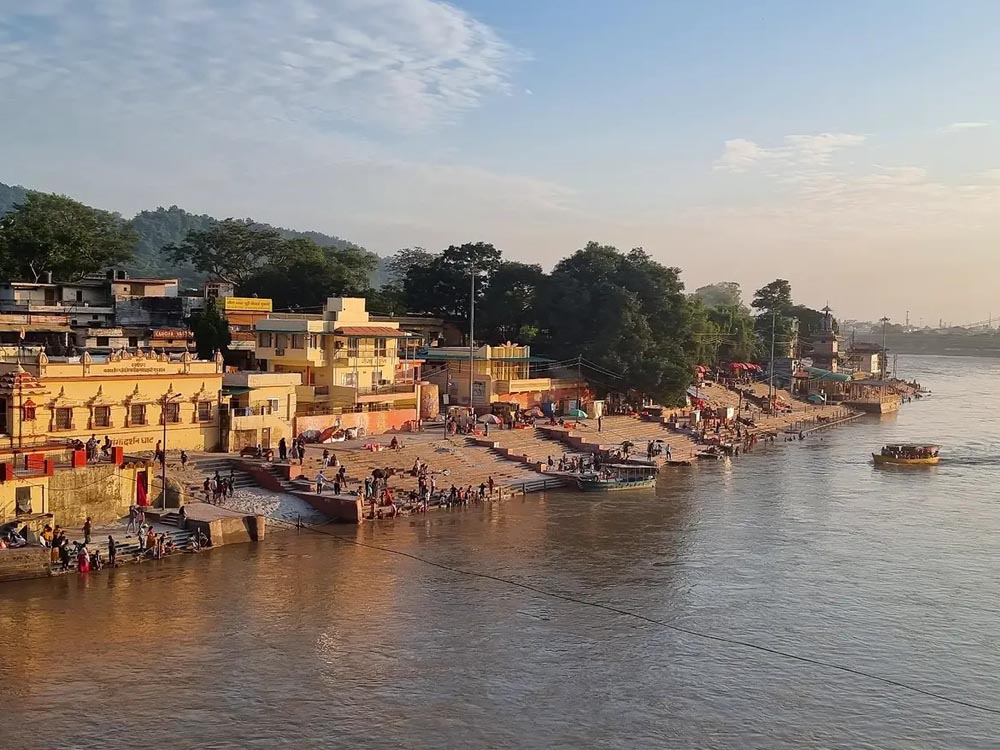
Nestled amid the peaceful landscapes of Dehradun, Uttarakhand, Tapovan is a destination where spirituality, mythology, nature and local culture come together. Far removed from the image of a conventional tourist attraction, Tapovan offers a quieter experience for visitors who want to explore the religious heritage of the Doon Valley and spend time in an atmosphere of meditation and tranquillity. The name itself reflects the spiritual character of the place. Derived from Sanskrit, “Tapovan” combines tapas, meaning penance or spiritual discipline, and vana, meaning forest. The term therefore evokes the idea of a forest devoted to meditation, austerity and spiritual practice.
Tapovan is associated with an important Hindu tradition concerning Guru Dronacharya, the legendary teacher of the Kauravas and Pandavas in the Mahabharata. Local belief holds that Dronacharya performed penance here, giving the area a strong connection with the epic and making it a place of religious interest for devotees. Uttarakhand’s official urban-development documentation also identifies Tapovan as the place traditionally believed to have been associated with Dronacharya’s ashram.
Although Dehradun has developed into a modern city with educational institutions, residential neighbourhoods, shopping areas and busy roads, places such as Tapovan preserve another side of the city. Here, the atmosphere is more closely associated with temples, prayer, meditation and greenery. For travellers interested in spiritual tourism, mythology and less-commercialised cultural experiences, Tapovan can be an intriguing stop during a Dehradun journey.
Where Is Tapovan in Dehradun?
Tapovan is situated in the Dehradun region of Uttarakhand and is associated with the Raipur side of the city. One of the commonly referenced Tapovan temple locations is around 7 kilometres from Dehradun Railway Station, although the exact distance depends on the point from which the journey is measured. The area is accessible by road, with taxis and auto-rickshaws being practical options for visitors.
Travellers should be aware of an important geographical detail: there is another very well-known Tapovan in Uttarakhand near Rishikesh, close to the Lakshman Jhula area. That Tapovan is in the Tehri Garhwal region and has become particularly famous for yoga schools, cafés, hotels, ashrams and adventure tourism. It should not be confused with Tapovan in Dehradun.
The Dehradun Tapovan is more closely associated with the city’s religious and mythological landscape. When searching for directions, hotels or attractions, it is therefore advisable to specify “Tapovan Dehradun” rather than simply entering “Tapovan,” especially when using online maps or travel websites.
The Spiritual Meaning Behind Tapovan
The significance of Tapovan goes beyond its physical location. In Indian spiritual traditions, a tapovan represents a natural setting where an individual can withdraw from worldly distractions and devote time to meditation, prayer and self-discipline. Forests, caves, riverbanks and mountain retreats have traditionally been associated with sages and ascetics.
This idea fits naturally into the broader cultural identity of Uttarakhand. The state is famous for pilgrimage destinations, temples, Himalayan retreats, yoga centres and locations associated with ancient religious traditions. Dehradun itself has numerous places connected with Hindu mythology and spirituality. The Dehradun municipal authority notes that the region has references in ancient Hindu traditions and has long been associated with stories concerning Shiva, Rama, Lakshmana and the Pandavas.
Tapovan adds another layer to this spiritual landscape through its traditional association with Dronacharya. According to local belief, the revered teacher of the Pandavas and Kauravas undertook penance in this area. Whether approached as mythology, religious tradition or cultural heritage, this association is one of the main reasons devotees and culturally curious travellers visit the site.
Tapovan Temple and Religious Importance
The temple associated with Tapovan is one of the principal reasons to visit the area. It is traditionally connected with Lord Shiva and is regarded as a place of worship and meditation. Sources describing the temple note that the site has a peaceful setting and that religious rituals and Vedic chanting contribute to its spiritual atmosphere.
The temple environment is relatively different from the atmosphere of large, highly commercialised pilgrimage centres. Visitors may encounter devotees offering prayers, people performing religious rituals and individuals spending quiet moments in contemplation. For many travellers, this simplicity is part of Tapovan’s appeal.
The association with Dronacharya is especially important to devotees interested in the Mahabharata. Dronacharya is remembered not only as the teacher of the Pandavas and Kauravas but also as one of the most complex figures in the epic. His association with Tapovan gives the site an additional dimension for visitors interested in Indian mythology and the historical-cultural traditions surrounding the Mahabharata.
Tapovan and the Natural Beauty of Dehradun
One of the defining features of Tapovan is the combination of spirituality and natural surroundings. Dehradun lies in the picturesque Doon Valley, bordered by the Himalayan foothills and surrounded by forests, hills and streams. The city’s geographical setting gives many of its quieter neighbourhoods a distinctly green character.
Tapovan’s appeal therefore does not depend entirely on its temple. The surrounding environment encourages visitors to slow down and appreciate the quieter side of Dehradun. The sounds of birds, trees and the general absence of the intense commercial activity found in central tourist areas can make a short visit feel restorative.
This natural setting is particularly attractive to travellers who enjoy photography, peaceful walks and cultural exploration. Rather than treating Tapovan simply as another sightseeing point to be checked off a list, visitors can spend some time observing the architecture of the temple, surrounding vegetation and local religious practices.
Meditation and Spiritual Retreats
Tapovan’s traditional identity as a place of penance makes it naturally suited to meditation and spiritual reflection. The broader Dehradun area has numerous ashrams and spiritual institutions where visitors can encounter yoga, meditation and traditional Indian practices.
One such establishment is Vedic Sadhna Ashram, Tapovan, located in the Raipur area of Dehradun. Such institutions reflect the continuing spiritual character of the region and its connection with practices centred on contemplation and self-discipline.
Visitors interested in meditation should remember that spiritual centres can have their own rules regarding dress, photography, silence, timings and participation in activities. It is respectful to follow the instructions provided by the institution rather than assuming that every facility operates like a conventional tourist attraction.
Places to Visit Around Tapovan
A visit to Tapovan can easily be combined with several other attractions in and around Dehradun. The city is known for its temples, natural attractions, museums, educational institutions and scenic locations.
Tapkeshwar Temple is one of the best-known religious attractions in Dehradun. Dedicated to Lord Shiva, the temple is situated near a seasonal river and is famous for its cave-like setting. The Dehradun municipal authority lists Tapkeshwar among the city’s important places to visit.
Robber’s Cave, locally known as Guchhupani, is another popular excursion. The natural cave and stream environment makes it particularly interesting for travellers who want to combine cultural sightseeing with a nature experience.
Sahastradhara, whose name means “thousand-fold spring,” is another well-known attraction in the Dehradun region. Its natural surroundings, water features and scenic landscape have made it a popular destination for visitors.
For travellers interested in history and institutions, the Forest Research Institute is another major Dehradun attraction. The city also provides access to the Himalayan hill station of Mussoorie, which is situated at a relatively short driving distance from Dehradun. The city’s official tourism information highlights Mussoorie, Sahastradhara, Guchhupani and other attractions as important places to explore around Dehradun.
Tapovan and Dehradun’s Mythological Heritage
One of the most fascinating aspects of visiting Tapovan is the opportunity to see how mythology remains connected with the landscape of Uttarakhand. Dehradun is not simply a modern administrative centre; its surrounding region contains numerous locations associated with Hindu traditions and legends.
The story of Dronacharya is particularly significant because the Mahabharata remains deeply embedded in Indian cultural consciousness. Dronacharya’s role as a teacher gives Tapovan a special appeal to people interested in the epic.
It is important, however, to distinguish between traditional belief and archaeologically established history. The association of Tapovan with Dronacharya is a religious and cultural tradition. Visitors can appreciate the importance of the story without assuming that every element of the traditional account has been historically verified.
This distinction makes Tapovan interesting from a cultural-tourism perspective. The destination demonstrates how mythology, religious belief, landscape and local traditions can remain interconnected over generations.
What Can Visitors Do in Tapovan?
The most rewarding activity in Tapovan is simply experiencing the atmosphere. Visitors can begin with a temple visit and spend some time observing the religious environment. Those interested in spirituality can use the surroundings for quiet reflection or meditation, provided they do so respectfully.
Photography can also be enjoyable, particularly for people interested in temple architecture, religious details and the natural landscape. However, photography should always be avoided or limited where temple authorities or devotees request privacy.
Tapovan is not primarily an adventure-tourism destination, so travellers should not arrive expecting the same range of activities available in Rishikesh. Instead, it is better suited to travellers seeking cultural exploration, religious tourism, peaceful surroundings and a break from the busier parts of Dehradun.
Best Time to Visit Tapovan
Tapovan can generally be visited throughout the year, but the experience changes with the seasons. The months from March to June are generally pleasant for sightseeing before the peak summer heat becomes uncomfortable in the lower Himalayan foothills. The monsoon months bring greenery and a fresh appearance to the landscape, although heavy rainfall can sometimes make road travel less convenient.
September to November is another attractive period because the monsoon landscape is often lush while the weather becomes more comfortable. Winter months can be cool, particularly in the mornings and evenings, but they can provide clear and pleasant conditions for sightseeing.
If the purpose of the trip is spiritual rather than purely touristic, visitors may also wish to plan around important Hindu festivals or temple occasions. However, festival periods can bring larger crowds, so travellers seeking solitude may prefer ordinary weekdays.
How to Reach Tapovan Dehradun
Tapovan is connected to the wider Dehradun road network, making it relatively accessible for visitors staying in the city. Local taxis and auto-rickshaws are among the simplest options for reaching the temple area.
Dehradun itself has strong transportation connections. The city is served by a railway station and by Jolly Grant Airport, which provides air connectivity to the region. Once in Dehradun, visitors can use local transport or app-based and private taxis to reach Tapovan.
Because there are multiple places called Tapovan in Uttarakhand, travellers should confirm the destination carefully before starting their journey. This is especially important for visitors arriving from Rishikesh or planning a combined Dehradun-Rishikesh itinerary.
Where to Stay
Travellers visiting Tapovan Dehradun will generally find it more convenient to stay in Dehradun rather than searching specifically for accommodation inside Tapovan. The city offers hotels across different price ranges, from budget accommodation and guesthouses to business hotels and more upscale properties.
For visitors primarily interested in temples and spirituality, staying closer to the Raipur side of the city can reduce local travel time. Those planning to visit multiple attractions may prefer a centrally located hotel so that they can easily reach Rajpur Road, Clock Tower, railway station and other parts of Dehradun.
Visitors who specifically want an ashram experience should research the individual institution in advance. Ashrams may have different accommodation policies, meal arrangements, schedules and participation requirements compared with ordinary hotels.
Food and Local Experiences
A trip to Tapovan can also be combined with an exploration of Dehradun’s food culture. The city has a diverse culinary scene influenced by Garhwali traditions, North Indian cuisine and the city’s cosmopolitan population.
Travellers interested in authentic regional food can look for local dishes and traditional preparations rather than limiting themselves to familiar restaurant chains. Dehradun is also known for its bakery culture, and exploring local cafés and bakeries can make a pleasant addition to a sightseeing itinerary.
When visiting a religious location, however, travellers should be mindful of where they eat and avoid creating litter. Carrying reusable water bottles and disposing of waste responsibly is especially important in environmentally sensitive areas.
A Peaceful Alternative to Busy Tourist Destinations
One of Tapovan’s greatest strengths is that it does not necessarily demand a full-day commitment. It can work well as a short cultural stop during a larger Dehradun itinerary.
For travellers who have already visited the city’s major attractions, Tapovan provides an opportunity to experience a more contemplative side of Uttarakhand. Instead of spectacular viewpoints or large entertainment facilities, the attraction lies in its spiritual associations, temple traditions and peaceful environment.
This makes Tapovan particularly appealing to photographers, spiritual seekers, mythology enthusiasts, families interested in religious tourism and travellers who prefer meaningful local experiences over heavily commercialised attractions.
Tapovan Dehradun vs. Tapovan Rishikesh
The name “Tapovan” can cause considerable confusion because Uttarakhand has more than one destination known by this name.
The Tapovan near Rishikesh is a lively tourist and hospitality area close to the Ganga and the Lakshman Jhula region. It is associated with yoga schools, cafés, hotels, ashrams, backpackers and adventure tourism. Tourist listings place attractions such as Lakshman Jhula, Ram Jhula, Parmarth Niketan and Neer Garh Waterfall around this Tapovan.
Tapovan in Dehradun, on the other hand, is better understood as a religious and culturally significant locality associated with Tapovan Temple and the traditional story of Dronacharya’s penance.
Understanding this distinction can prevent one of the most common travel-planning mistakes when searching for directions or accommodation.
Responsible Tourism in Tapovan
Because Tapovan has religious and environmental significance, responsible tourism is especially important. Visitors should dress modestly when entering temples, maintain appropriate behaviour during prayers and avoid loud conversations around worshippers.
Plastic waste should be minimised, and visitors should never damage vegetation or leave rubbish behind. Photography should be undertaken sensitively, especially when people are praying or participating in religious ceremonies.
The best way to experience a spiritual destination is not simply to photograph it but to respect the reason the place matters to the local community.
Why Tapovan Deserves a Place on a Dehradun Itinerary
Tapovan may not compete with Mussoorie in terms of dramatic mountain views or with Rishikesh in terms of adventure activities. Its attraction is different. It offers a window into the spiritual traditions that have shaped Uttarakhand for centuries.
Its connection with Dronacharya and the Mahabharata gives the destination a strong mythological identity, while its temple and natural surroundings provide an atmosphere of quiet reflection. The meaning of the word Tapovan itself captures this character: a forest or natural retreat associated with spiritual discipline.
For travellers willing to look beyond Dehradun’s most famous attractions, Tapovan offers a chance to discover a quieter and more contemplative side of the city. A visit can be brief, but the combination of mythology, worship, greenery and local tradition gives the experience a distinctive character.
Whether you arrive as a pilgrim, a history enthusiast, a mythology lover, a photographer or simply someone searching for a peaceful corner of Dehradun, Tapovan provides a different perspective on Uttarakhand. It reminds visitors that the region’s appeal is not limited to mountains and adventure. Its deepest charm also lies in the stories, beliefs, forests and spiritual traditions that continue to shape the identity of the Himalayan foothills.

