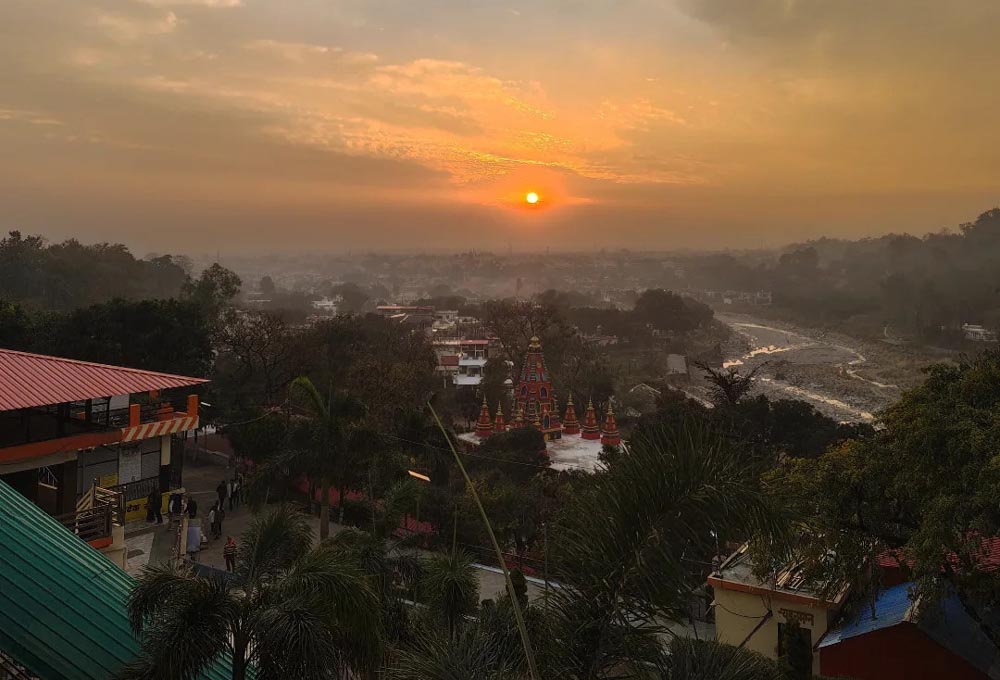
At the southern edge of the Garhwal Himalayas lies a town that is often described as the gateway to the mountains. Kotdwar, located in Pauri Garhwal district of Uttarakhand, occupies a fascinating geographical and cultural position where the plains gradually give way to the Shivalik foothills and the greater Garhwal region. For many travellers, Kotdwar is the first significant town encountered when entering the hills from the direction of Uttar Pradesh. Yet it is more than simply a transit point. Its temples, rivers, forests, markets, historical associations and proximity to destinations such as Lansdowne and the Corbett landscape give it a distinct character of its own.
The name Kotdwar is generally associated with the meaning “gateway to the hills” or “gateway to Garhwal.” The town is situated at the foothills of the Shivaliks and has historically served as an important connection between the plains and the mountainous areas of Garhwal. Its location has shaped almost every aspect of its identity, from trade and transportation to pilgrimage and tourism.
A Geographical Introduction to Kotdwar
Kotdwar is situated in the southwestern part of Uttarakhand in Pauri Garhwal district. Unlike many famous Himalayan destinations that are located at considerable elevations, Kotdwar lies in the foothill zone. This gives it a landscape quite different from high-altitude towns such as Auli, Kedarnath or Badrinath. The environment around Kotdwar combines elements of the plains with the forests and hills of the Himalayan foothills.
The town’s geographical position is one of its greatest advantages. Travellers approaching from the Gangetic plains can reach Kotdwar relatively easily by road and railway and then continue toward the mountain destinations of Garhwal. Lansdowne, in particular, is closely connected with Kotdwar and lies roughly 40 kilometres away. Uttarakhand Tourism identifies Kotdwar as the nearest railhead for Lansdowne.
The surrounding landscape becomes increasingly green as one moves away from the urban centre. Forested hills, seasonal streams, river valleys and winding mountain roads create a transition from the relatively warm foothills toward the cooler Himalayan environment.
The Historical Story of Kotdwar
Kotdwar has a history that reaches beyond its modern identity as a commercial and transportation centre. Various historical accounts associate the wider Garhwal region with several ruling dynasties, including the Mauryas, Katyuris and Panwars, followed by Gorkha and British influence. The town’s importance increased significantly when transportation infrastructure connected it more effectively with the plains.
The arrival of the railway was particularly important. Kotdwar was connected by rail during the British period in 1890, helping establish it as a transportation centre for the Garhwal region. Historically, the railway also supported the movement of forest products and timber from the Himalayan areas toward the plains.
This railway connection remains significant today because Kotdwar is one of the accessible railway gateways into the Garhwal hills. For travellers coming from Delhi and surrounding parts of northern India, the railway can make Kotdwar a convenient starting point for journeys into the mountains.
The British period also contributed to the development of nearby Lansdowne. Established as a British cantonment in 1887, Lansdowne later became associated with the Garhwal Rifles. The connection between Kotdwar and Lansdowne therefore has both geographical and historical importance.
Kotdwar’s Religious Importance
Religion is one of the most visible dimensions of life in Kotdwar. The town and its surrounding areas contain several temples and sacred places that attract pilgrims throughout the year. Among them, Sidhbali Temple holds a particularly prominent position.
The temple is dedicated to Lord Hanuman and stands near the Khoh River on the outskirts of Kotdwar. It is regarded as one of the area’s important religious landmarks and receives devotees from different parts of Uttarakhand and neighbouring regions.
Shri Sidhbali Baba Dham Mandir, Kotdwara is also an important part of the town’s contemporary visitor landscape. The temple’s location near the river and hills gives the pilgrimage experience a distinctly Himalayan setting.
Another significant religious attraction is the Durga Devi Temple, situated near Kotdwar. Along with Sidhbali Temple, it forms an important part of the religious circuit around the town. Visitors interested in the spiritual traditions of Garhwal can also explore other smaller shrines and temples scattered throughout the surrounding region.
Kanvashram and the Mythological Heritage
One of the most fascinating places near Kotdwar is Kanvashram, which connects the region with India’s ancient literary and mythological traditions. Located around 14 kilometres from Kotdwar, Kanvashram is traditionally associated with Sage Kanva. It is also linked in local tradition with Shakuntala, King Dushyanta and their son Bharata.
Kanvashram Birth Place of Emperor Bharat represents the continuing cultural importance of this tradition.
Kanvashram is particularly interesting for travellers who want to experience a side of Uttarakhand beyond scenic mountain viewpoints. Its appeal comes from the combination of natural surroundings, mythology and literary history. The area provides an opportunity to reflect on the stories associated with ancient Indian literature while enjoying the quieter landscape around the Malan River.
The association with Bharata is especially notable because the name “Bharat” occupies such a central place in India’s cultural history. Although traditional and mythological accounts should be understood within their cultural context, they form an important part of how local communities interpret the heritage of the area.
Sidhbali Temple and the Spiritual Character of the Town
A visit to Kotdwar is incomplete for many travellers without visiting Sidhbali Temple. The temple is not simply a tourist attraction; it is an active place of worship and an important part of the spiritual life of the local community.
The setting contributes significantly to its atmosphere. Rather than standing in a dense metropolitan environment, the temple is associated with the foothills and the Khoh River landscape. Devotees often combine temple visits with journeys toward the surrounding hill areas.
Religious festivals can bring additional activity to the town, while ordinary days provide a quieter opportunity to observe local traditions and devotional practices. Visitors should dress respectfully, follow temple rules and be mindful that the site primarily serves worshippers rather than functioning simply as a sightseeing attraction.
Nature Around Kotdwar
Although Kotdwar itself is an active commercial town, nature is never very far away. The surrounding forests and foothills create opportunities for travellers interested in photography, birdwatching, scenic drives and short excursions.
The nearby forest belt also connects Kotdwar with the broader Corbett landscape. Kalagarh and surrounding forest areas are associated with wildlife tourism, and Uttarakhand Tourism highlights the Kalagarh Tiger Reserve area as a habitat for species including tigers, elephants, sambar, barking deer, goral and several reptiles.
Wildlife experiences require responsible tourism. Visitors should follow forest regulations, use authorised safari services where applicable and avoid disturbing animals or attempting to approach wildlife.
The landscape also changes dramatically with the seasons. Summer can be warm in the foothills, while the monsoon transforms the surrounding vegetation into vivid shades of green. Winter generally provides more comfortable conditions for exploring the region.
Lansdowne: The Most Popular Excursion from Kotdwar
For many visitors, the greatest attraction of choosing Kotdwar as a base is its proximity to Lansdowne.
Lansdowne is a quiet hill station situated at approximately 1,700 metres above sea level. Established as a British cantonment in 1887, it retains colonial-era architecture and is closely associated with the Garhwal Rifles.
The journey from Kotdwar toward Lansdowne provides a noticeable transformation in scenery. Roads begin climbing through forested terrain, temperatures become more pleasant and the landscape increasingly resembles the Himalayan hill country.
Important attractions in Lansdowne include Tip-in-Top, Bhulla Tal, St Mary’s Church, St John’s Church and the Garhwal Rifle Regiment War Memorial. Uttarakhand Tourism also identifies nearby Tarkeshwar Mahadev Temple and Kalagarh Tiger Reserve among attractions associated with the wider area.
For travellers with limited time, Kotdwar and Lansdowne can be combined into a short weekend itinerary.
Kotdwar as a Gateway to the Garhwal Hills
The importance of Kotdwar becomes particularly clear when considering transportation. The town functions as an entry point for journeys deeper into Pauri Garhwal. From here, travellers can continue toward Lansdowne, Pauri and other mountain destinations.
This gateway character explains why Kotdwar has developed a strong commercial identity. Markets, transport services, hotels, restaurants, shops and other facilities cater not only to local residents but also to travellers moving toward the hills.
The town consequently has a different atmosphere from a conventional hill station. Instead of being primarily a leisure destination, Kotdwar combines everyday urban life with pilgrimage, commerce and tourism.
Markets and Local Shopping
Shopping in Kotdwar is more closely connected with everyday Garhwali life than with luxury tourism. Local markets offer clothing, household goods, religious items, snacks, sweets and products used by travellers heading toward the hills.
Malni Market and other commercial areas are among the places associated with shopping in the town. Visitors can look for regional sweets, religious souvenirs and locally influenced products.
One of the pleasures of shopping in a town like Kotdwar is that the experience feels less curated than in a major resort destination. Markets serve local residents first, while travellers become part of the same everyday commercial environment.
Food and Local Flavours
Food in Kotdwar reflects its geographical position between the plains and the Garhwal hills. Restaurants and roadside eateries commonly serve North Indian dishes, snacks and familiar vegetarian meals, while travellers can also find Chinese and other popular Indian restaurant-style food.
Visitors should also look for traditional sweets associated with the wider Uttarakhand region. Bal Mithai and Singori are particularly well-known regional specialties and are commonly available in sweet shops around the area.
For a more contemporary dining experience, travellers can find restaurants and cafés within the town. For example, Nature’s Sol Cafe, Kotdwar offers a café-style option, while Invitation Restaurant represents the more conventional restaurant scene. These businesses and their operating details can change, so checking current information before visiting is sensible.
Accommodation in Kotdwar
Kotdwar has a range of accommodation suitable for travellers who want to stay overnight before continuing toward the mountains. Compared with major Himalayan resort destinations, the town’s accommodation is more oriented toward practical stays, business travellers, pilgrims and tourists using it as a base.
Examples include Hotel Grand Kailash, Hotel Grand Nitara and Hotel Ivory Hills.
Travellers seeking luxury resort-style mountain accommodation may prefer to continue toward Lansdowne, while visitors who want convenient transport connections and access to local markets may find Kotdwar more practical.
Weather and the Best Time to Visit
Kotdwar’s foothill location means its climate is warmer than that of higher Himalayan destinations. Summers can be hot, particularly during the daytime, while monsoon months can bring substantial rainfall and lush greenery.
For sightseeing and excursions, the cooler months are generally more comfortable. October through February can be particularly pleasant for visitors who want to explore temples, markets and nearby destinations without intense summer heat. Some travellers may also enjoy the spring season when the weather becomes progressively warmer.
The best season ultimately depends on the purpose of the trip. Visitors travelling onward to Lansdowne may prefer a period with clear mountain weather, while nature enthusiasts may appreciate the green landscapes following the monsoon.
How to Reach Kotdwar
Kotdwar is one of the more accessible gateways into the Garhwal region.
By rail, Kotdwar railway station provides a direct connection between the foothills and the wider northern Indian railway network. Its historical railway connection dates to the British period and remains an important reason for Kotdwar’s role as a gateway town.
By road, Kotdwar can be reached from Delhi, Haridwar, Bijnor, Najibabad and other towns in northern India. Road transport is particularly useful for travellers continuing toward Lansdowne and other destinations in Pauri Garhwal.
By air, travellers generally use Jolly Grant Airport near Dehradun and then continue by road. Because Kotdwar is considerably closer to the plains than many Himalayan destinations, the final road journey can be relatively straightforward compared with travel to high-altitude towns.
Places to Visit Around Kotdwar
Kotdwar works particularly well as a base for exploring a collection of nearby attractions rather than restricting a trip to the urban area itself.
Sidhbali Temple is the principal religious attraction, while Kanvashram offers a combination of mythology, history and nature. Durga Devi Temple provides another important spiritual stop. Travellers interested in forests and wildlife can explore the wider Kalagarh area, subject to current forest permissions and regulations.
Lansdowne is the obvious hill excursion, especially for visitors looking for cool weather, forest walks, viewpoints and colonial-era heritage. Official Uttarakhand Tourism information describes Lansdowne as a peaceful hill station surrounded by pine and oak forests and highlights its churches, war memorial, lake and viewpoints.
Travellers with additional time can continue deeper into Pauri Garhwal, where the landscape becomes progressively more mountainous.
Kotdwar’s Culture and Everyday Life
One of the most appealing aspects of Kotdwar is the way traditional Garhwali culture exists alongside a rapidly developing urban environment. The town is neither a remote Himalayan village nor a conventional tourist resort. Instead, it is a working town where local residents, traders, students, pilgrims and tourists interact every day.
Garhwali traditions remain visible through language, food, religious practices and festivals. The surrounding villages and mountain communities contribute to the cultural identity of the region, while the town’s position near the plains creates a more diverse commercial environment.
Visitors who take time to walk through local markets, visit temples and explore nearby villages can experience a more authentic sense of the region than they might from simply passing through on the way to a hill station.
Responsible Tourism in Kotdwar
As tourism grows in Uttarakhand, responsible travel becomes increasingly important. Visitors should avoid littering, particularly near rivers, temples and forest areas. Plastic waste should be minimised, and travellers should use designated waste facilities whenever available.
Religious sites should be approached respectfully, and photography should follow local rules. Wildlife areas require additional care because even seemingly harmless behaviour can disturb animals.
Supporting local businesses, guides, restaurants, transport providers and accommodation establishments can also help tourism contribute directly to the local economy.
A Suggested Kotdwar Travel Experience
A short trip could begin with arrival in Kotdwar and a visit to Sidhbali Temple. After exploring the local market and tasting regional sweets, travellers could visit Kanvashram and spend some time enjoying the quieter surroundings.
The following day could be dedicated to Lansdowne. Starting early allows visitors to explore the hill station’s viewpoints, churches, lake and military heritage before returning to Kotdwar.
Travellers interested in wildlife can instead devote additional time to the forest areas around Kalagarh, subject to current access and safari regulations. Those with several extra days can use Kotdwar as the first stage of a longer Garhwal itinerary.
Why Kotdwar Deserves More Attention
Kotdwar does not have the instantly recognisable image of Mussoorie, Nainital or Rishikesh, and that is part of its appeal. Its importance is less about a single spectacular landmark and more about the combination of geography, history, religion, commerce and access to the mountains.
It is a town where the plains meet the Himalayas. The railway station recalls its colonial-era transportation history, the temples reflect its continuing religious importance, Kanvashram connects it with ancient cultural traditions, and the surrounding forests open the door to wildlife and nature experiences.
Most importantly, Kotdwar provides a different way to experience Uttarakhand. Instead of arriving directly at a polished hill station, travellers can begin their journey in a living foothill town and gradually move upward into the Garhwal mountains.
Final Summary
Kotdwar is best understood as a gateway town with a character of its own. Located in Pauri Garhwal at the transition between the plains and the Himalayan foothills, it combines accessibility with religious heritage, mythology, commerce and natural surroundings.
Its most famous landmark, Sidhbali Temple, gives the town a strong spiritual identity, while Kanvashram adds an important layer of mythological and cultural heritage. Its railway connection and road network make it an important access point for the Garhwal hills, particularly Lansdowne. The nearby forests and wildlife areas further expand its appeal.
For travellers seeking only a conventional hill-station holiday, Kotdwar may initially seem like a stopping point. But for those willing to explore beyond the obvious tourist circuit, it offers a fascinating introduction to Garhwal. Here, the journey into the mountains begins not with a dramatic high-altitude landscape, but with a gradual transition—from busy markets and temples to forested roads, quiet valleys and Himalayan hills.
That combination makes Kotdwar an important and rewarding part of Uttarakhand’s wider tourism landscape: a place where history meets mythology, commerce meets pilgrimage, and the plains finally give way to the mountains.

