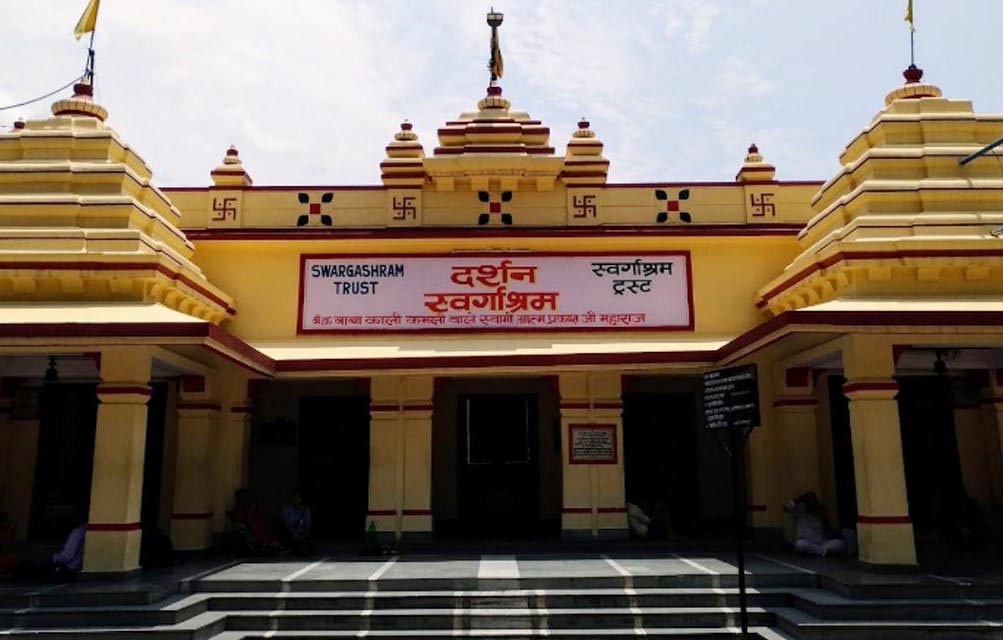
On the eastern bank of the sacred Ganga in Rishikesh, Uttarakhand, lies Swarg Ashram, one of the most distinctive spiritual neighbourhoods in northern India. Surrounded by temples, traditional ashrams, meditation centres, small markets, riverside ghats and forested Himalayan foothills, the area offers an experience that is very different from a conventional tourist destination. It is a place where daily life revolves around prayer, meditation, yoga, satsang and the timeless presence of the Ganga.
Swarg Ashram is closely associated with the spiritual identity of Rishikesh. The area developed as a centre for saints, pilgrims and spiritual seekers, and today it continues to attract visitors from across India and abroad. Rishikesh itself is internationally recognised for yoga, meditation and spiritual tourism, while Swarg Ashram represents one of the places where these traditions can be experienced particularly closely.
Where Is Swarg Ashram?
Swarg Ashram is located in Rishikesh, in Uttarakhand’s Dehradun district, on the eastern side of the Ganga. It lies around the Ram Jhula area and is surrounded by a concentration of religious and spiritual institutions. The neighbourhood is connected with the opposite side of Rishikesh by the famous suspension bridges and river crossings, making it an accessible yet atmospheric part of the city.
The setting is one of Swarg Ashram’s greatest attractions. The Ganga flows beside the settlement, while the hills and forests create a natural backdrop. Walking through the narrow lanes, visitors encounter temples, ashrams, shops selling religious items, vegetarian restaurants, libraries, yoga centres and places where pilgrims stay for extended periods.
Swarg Ashram is not simply one isolated building. The name commonly refers to a broader spiritual area containing numerous ashrams, temples and associated facilities. This makes exploring the neighbourhood on foot an important part of the experience.
Historical and Spiritual Background
The history of Swarg Ashram is closely connected with the tradition of Hindu saints and ascetics who came to the banks of the Ganga for meditation and spiritual practice. Rishikesh has been associated for centuries with sages and seekers, and the wider region remains an important destination for pilgrimage and spiritual study. The Uttarakhand Tourism department describes the state as a major centre of pilgrimage, with sacred rivers, temples and spiritual destinations forming an important part of its cultural landscape.
Swarg Ashram is particularly associated with Swami Vishudhanand, popularly remembered as Kali Kamli Wala, or the saint associated with the black blanket. The ashram and charitable institutions connected with his legacy helped establish the area as an important place for pilgrims and spiritual travellers. The Kali Kamliwala Kshetra Trust is associated with the maintenance and activities of the area.
Over time, Swarg Ashram developed beyond a place where individual ascetics practised meditation. It became a wider spiritual community with accommodation, temples, educational facilities, charitable services, libraries, Ayurvedic centres and spaces for religious gatherings.
This combination of spirituality and community life remains one of its defining characteristics.
The Spiritual Atmosphere of Swarg Ashram
The first impression many visitors receive at Swarg Ashram is its peaceful spiritual atmosphere. Bells from temples, chanting, bhajans and the sound of the Ganga create a distinctive environment. Early mornings can be especially tranquil, when the streets are quieter and devotees begin their daily prayers.
Religious activities continue throughout the day. Visitors may encounter people performing puja, meditating beside the river, attending satsang or participating in bhajan and kirtan. According to tourism information about the area, daily worship, chanting and devotional activities form an important part of life in Swarg Ashram.
The experience is particularly meaningful for travellers interested in India’s spiritual traditions because Swarg Ashram is not designed solely as a sightseeing attraction. People come here to stay, study, practise yoga, meditate and participate in religious activities.
Ganga and Riverside Ghats
The Ganga is central to the identity of Swarg Ashram. Its presence influences virtually every aspect of the area, from religious rituals to the rhythm of daily life.
For Hindu pilgrims, bathing in the Ganga has deep religious significance. Sitting quietly beside the river can also be meaningful for visitors who are interested in meditation or simply want to experience the natural beauty of Rishikesh.
The river changes character throughout the day. Morning light creates a calm atmosphere, while late afternoon and evening bring a different energy as people gather for prayers and religious ceremonies.
Visitors should remember that the Ganga is a sacred river as well as a natural waterway. Maintaining cleanliness, avoiding litter and respecting religious activities are important when visiting the riverside.
Ram Jhula and Its Importance
One of the most recognisable landmarks near Swarg Ashram is Ram Jhula, a suspension bridge crossing the Ganga. The bridge connects the Swarg Ashram side with the wider Rishikesh area and provides spectacular views of the river, hills and surrounding religious settlements.
Ram Jhula also functions as an important gateway into the spiritual world of Swarg Ashram. The area around it contains temples, ashrams, shops and eateries, while the bridge itself provides an excellent perspective over the Ganga. Incredible India notes that the area around Ram Jhula combines ashrams, temples, markets and everyday activity with Rishikesh’s spiritual heritage.
Walking across Ram Jhula can therefore be considered part of the Swarg Ashram experience rather than simply a means of transportation.
Gita Bhawan
Among the best-known institutions in the Swarg Ashram area is Gita Bhawan, a major spiritual and accommodation centre situated beside the Ganga. Its foundations are associated with Swami Sivananda and date to 1936 according to Incredible India. The complex is particularly known for its connection with the Bhagavad Gita, devotional activities and accommodation for pilgrims.
Gita Bhawan is considerably more than a temple. It includes accommodation facilities, halls for satsang, religious activities, books and opportunities for spiritual study. Incredible India describes the complex as having around 1,000 rooms for devotees and visitors, illustrating the scale at which pilgrimage and spiritual hospitality operate in this part of Rishikesh.
Its riverside location makes it especially appealing to people who want to combine accommodation with prayer, meditation and participation in traditional religious activities.
Yoga and Meditation
Yoga is inseparable from the modern identity of Rishikesh, and Swarg Ashram is one of the areas where visitors can experience this tradition. Yoga here is not limited to physical postures. Depending on the institution, programmes may include meditation, breathing practices, philosophy, chanting and spiritual study.
People visiting Swarg Ashram should distinguish between a short tourist visit and a genuine ashram stay. Some centres operate according to structured routines in which residents are expected to attend classes, maintain discipline and participate in communal activities.
For someone interested in learning yoga seriously, researching the individual institution beforehand is therefore important. Different ashrams have different philosophies, teachers, schedules and accommodation arrangements.
Temples and Religious Places
The Swarg Ashram area contains numerous temples and smaller shrines. Some are connected with particular saints, while others are dedicated to Hindu deities and pilgrimage traditions.
The wider Rishikesh area is home to important religious sites including temples associated with Rama, Shiva and other Hindu traditions. The district administration describes Rishikesh as a town containing numerous ancient temples and ashrams and identifies it as an important starting point for the Char Dham pilgrimage.
For visitors, one of the pleasures of exploring Swarg Ashram is discovering smaller shrines and religious spaces rather than concentrating only on major landmarks. However, temples are active places of worship, so photography and sightseeing should always be conducted respectfully.
Ashram Life and Accommodation
One of the major differences between Swarg Ashram and an ordinary tourist neighbourhood is the availability of ashram-style accommodation.
Some institutions provide simple rooms for pilgrims and spiritual seekers. Facilities can vary considerably, ranging from basic accommodation to more organised guest facilities. Some places may offer meals, religious programmes, yoga classes or other services as part of the stay.
The traditional ashram experience is generally based on simplicity rather than luxury. Visitors should therefore avoid approaching every ashram as though it were a conventional hotel.
For people interested in spiritual travel, staying within or near Swarg Ashram can provide a more immersive experience. Waking early, attending prayer, walking beside the Ganga and participating in satsang can create a rhythm very different from an ordinary holiday.
Ayurveda and Traditional Wellness
Traditional Indian systems of wellness are also represented in the Swarg Ashram area. Ayurvedic dispensaries and centres have historically formed part of the wider ashram community.
Gita Bhawan, for example, is described by Incredible India as having an Ayurvedic dispensary and traditional healthcare facilities.
Visitors interested in Ayurveda should nevertheless distinguish between general wellness experiences and medical treatment. Anyone seeking treatment for a health condition should consult an appropriately qualified medical professional rather than relying solely on tourist-oriented wellness services.
Food and Local Markets
Food in Swarg Ashram generally reflects the vegetarian character of Rishikesh. Small restaurants, cafes and eateries serve Indian vegetarian dishes as well as food catering to international visitors.
The surrounding markets are another interesting aspect of the neighbourhood. Visitors can find religious books, prayer items, malas, incense, clothing, handicrafts and other souvenirs.
Shopping here is less about luxury retail and more about experiencing the cultural environment. A walk through the lanes around Ram Jhula can reveal a mixture of pilgrims, monks, yoga students, international travellers and local residents.
Nearby Attractions
Swarg Ashram is an excellent base for exploring other attractions in Rishikesh.
Parmarth Niketan is one of the city’s best-known spiritual institutions and is particularly associated with yoga, meditation and the Ganga Aarti. Sivananda Ashram, associated with the Divine Life Society, is another important spiritual institution.
Triveni Ghat is one of the major riverside destinations in Rishikesh and is famous for its evening Ganga Aarti. The ceremony brings together devotional music, lamps, chanting and large numbers of visitors.
The Beatles Ashram, officially associated with the former Maharishi Mahesh Yogi Ashram, provides a very different cultural experience. Its association with the Beatles’ 1968 visit helped establish another dimension of Rishikesh’s international reputation.
Travellers can also venture beyond the immediate spiritual centre to destinations such as Neer Garh Waterfall, Neelkanth Mahadev Temple, Rajaji National Park and nearby Himalayan viewpoints.
Best Time to Visit Swarg Ashram
Swarg Ashram can be visited throughout much of the year, but the experience varies with the seasons.
The cooler months are generally comfortable for walking, sightseeing and participating in outdoor spiritual activities. October to March is particularly suitable for visitors who prefer pleasant temperatures.
Spring, especially March and April, can also be an attractive period because the weather is suitable for exploring Rishikesh and participating in yoga or meditation programmes.
The summer months can become hot, particularly during the daytime. The monsoon brings heavier rainfall, and river conditions can change considerably. During periods of strong rain, visitors should exercise caution near the Ganga and follow local instructions.
Incredible India highlights September to November and February to April as particularly suitable periods for exploring Rishikesh’s combination of spiritual and outdoor attractions.
How to Reach Swarg Ashram
The nearest major urban centre is Rishikesh, which has road and rail connections with northern Indian cities. The nearest airport is Jolly Grant Airport near Dehradun, while travellers from Delhi can also reach Rishikesh by road.
Once in Rishikesh, Swarg Ashram can be reached via the river crossings around Ram Jhula or by local transport depending on the starting point and current access arrangements.
Because pedestrian and vehicle access around the bridges and riverside areas can change with local conditions, it is sensible to check current arrangements before travelling.
Things to Keep in Mind
Swarg Ashram is a religious and residential environment, so visitors should dress modestly and behave respectfully. Loud behaviour, inappropriate photography around worshippers and disregard for religious ceremonies can disturb the atmosphere.
Shoes may need to be removed when entering certain temples or religious spaces. Visitors should also ask permission before photographing monks, worshippers or private ceremonies.
Environmental responsibility is particularly important. The Ganga is central to the area’s religious identity, and avoiding plastic waste, litter and pollution is essential.
Those staying in an ashram should also understand the institution’s rules before booking. Some may have fixed meal times, meditation schedules, dress expectations or restrictions on certain activities.
Why Swarg Ashram Is Special
What makes Swarg Ashram distinctive is the way spirituality is integrated into everyday life. It is not simply a monument that can be visited, photographed and left behind. Its temples, ashrams, markets, ghats and residential spaces function as a living community.
For a traveller interested in Hindu philosophy, yoga or meditation, the area provides opportunities to observe and participate in traditions that have shaped Rishikesh for generations. For a cultural traveller, it offers insight into India’s pilgrimage traditions. For someone simply looking for tranquillity, the Ganga, forests and Himalayan setting provide a naturally calming environment.
At the same time, Swarg Ashram should not be romanticised as completely isolated or untouched. It is part of modern Rishikesh and receives pilgrims, domestic tourists and international visitors throughout the year. Its charm lies precisely in this meeting of traditional spiritual life and contemporary travel.
Final Summary
Swarg Ashram in Rishikesh, Uttarakhand, is a destination where the Ganga, Himalayan landscape and centuries-old spiritual traditions come together. Its collection of ashrams, temples, yoga centres, ghats and charitable institutions gives it a character unlike that of an ordinary tourist attraction.
A visit can be as simple as walking across Ram Jhula, sitting beside the Ganga and exploring the lanes around the ashrams, or as immersive as spending several days in an ashram following a routine of yoga, meditation, prayer and satsang. Nearby attractions such as Gita Bhawan, Parmarth Niketan, Triveni Ghat and the Beatles Ashram make the area an important part of any broader Rishikesh itinerary.
Ultimately, Swarg Ashram offers something more enduring than a collection of sightseeing spots. It provides an opportunity to slow down and experience a side of Rishikesh in which the river is not merely scenery, temples are not merely monuments and yoga is not merely an activity. Here, spirituality remains woven into the rhythm of everyday life, making Swarg Ashram one of the most memorable places to experience the cultural and spiritual character of Uttarakhand.

