• Nestled in the culturally rich city of Dehradun, Uttarakhand, the Zonal Anthropological Museum is one of those destinations that quietly preserves stories that are often overlooked by conventional tourist attractions. Rather than focusing on grand monuments, royal histories or spectacular architecture, the museum takes visitors into the fascinating world of human communities, their lifestyles, traditions, material culture and relationship with their environment.

    Popularly known as the Zonal Museum, it is associated with the Anthropological Survey of India (An.S.I.), an institution under the Ministry of Culture, Government of India. The museum is particularly significant because it presents aspects of the lives and cultures of communities associated with the Himalayan region and northern India through ethnographic collections and displays. The Anthropological Survey of India itself works to study India’s populations from biological and cultural perspectives and has established a network of anthropological museums in different parts of the country.

    For travellers interested in history, anthropology, tribal culture, Himalayan traditions and the everyday lives of people, the museum offers an experience that is very different from the usual sightseeing itinerary in Dehradun.

    Where Is the Zonal Anthropological Museum Located?

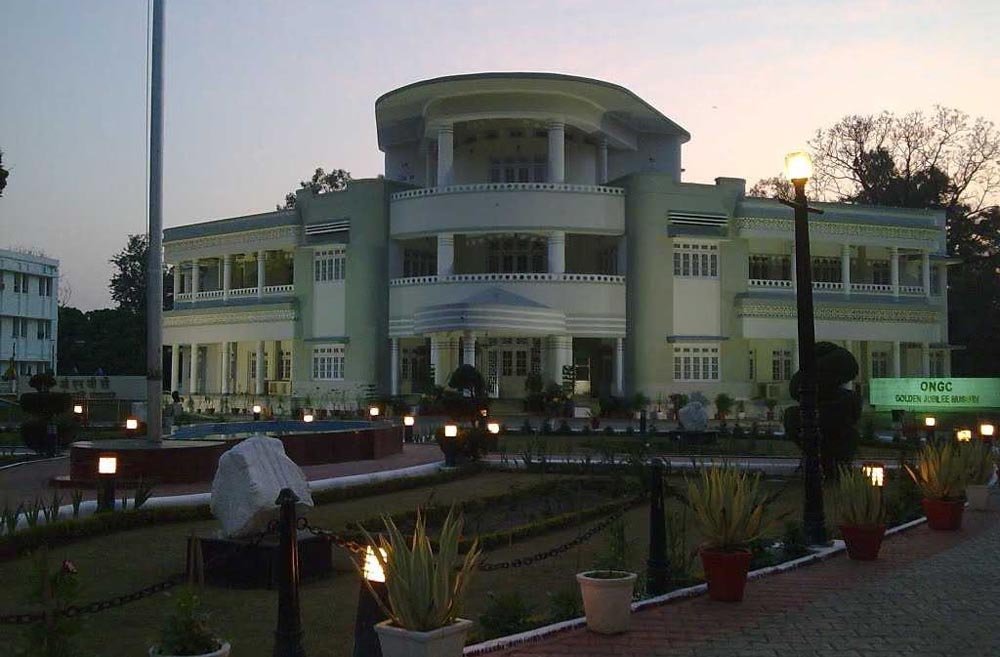
    The Zonal Anthropological Museum is located in the Kaulagarh Road/FRI area of Dehradun, close to the famous Forest Research Institute. The museum’s listed address is on Pearson Road in the Forest Research Institute area, Dehradun, Uttarakhand 248195.

    Its location makes it convenient to combine with other attractions in the western part of Dehradun. Travel information sources place the museum roughly 500 metres from the Forest Research Institute and about 5 kilometres from Dehradun Railway Station.

    The surroundings are themselves part of the attraction. Dehradun is positioned in the Doon Valley, between the Himalayan foothills and the Shivalik ranges, and has long served as an important meeting point between plains and mountain regions. This geographical setting makes it an appropriate location for an institution concerned with Himalayan communities and cultural diversity.

    The History and Purpose of the Museum

    The Zonal Anthropological Museum in Dehradun was established in 1971 by the Anthropological Survey of India. Its broader purpose is connected with the Survey’s efforts to document India’s remarkable biological and cultural diversity.

    The Anthropological Survey of India has an important role in studying communities from both biological and cultural perspectives. Its responsibilities have included the preservation of human skeletal remains, collection of tribal arts and crafts, anthropological research, training and dissemination of research findings.

    The establishment of zonal museums allowed some of this research and documentation to become accessible to the public. Instead of keeping cultural objects exclusively within research archives, museums provide an opportunity for students, researchers and ordinary visitors to encounter material evidence of India’s diverse traditions.

    The Dehradun museum is particularly relevant to the northwestern and Himalayan cultural landscape. Its collections have been associated with communities such as the Gaddi, Jaunsari, Bhotia, Bhoksa, Kinnaura, Lahuli, Kashmiri, Raji, Swangla and Ladakhi Bodh, illustrating the broad geographical and cultural range represented in its ethnographic collections.

    What Does the Museum Tell Visitors?

    The most interesting aspect of the Zonal Anthropological Museum is that its subject is essentially human life. It does not simply present old objects as isolated antiques. Instead, objects can be understood in relation to the communities that created, used and valued them.

    The exhibits introduce visitors to the ways people adapted to their surroundings, organised their communities and developed distinctive cultural practices. Clothing, ornaments, tools, household objects and other forms of material culture can reveal a great deal about a community’s environment, occupations, social organisation and artistic traditions.

    This is especially meaningful in the Himalayan context. Mountain communities have historically developed lifestyles adapted to difficult terrain, seasonal variations and locally available resources. Their houses, clothing, agricultural practices, tools and craft traditions reflect generations of adaptation to their surroundings.

    A visit therefore becomes more than an examination of old artefacts. It becomes an opportunity to ask broader questions: How did people live before modern technology? How did geography influence clothing and architecture? Why do different communities develop different ornaments? How were tools designed according to local occupations? And how are traditions transmitted from one generation to another?

    Ethnographic Collections and Traditional Objects

    Ethnographic objects form the heart of an anthropological museum. Unlike objects displayed simply for their artistic or monetary value, ethnographic objects are important because they provide information about people’s everyday lives.

    The museum’s displays have been described as including cultural artefacts, traditional costumes, tools, ornaments and other objects connected with communities of northern India and the Himalayan region.

    Traditional clothing is particularly valuable in understanding Himalayan culture. Clothing is not merely decorative; it can reflect climate, occupation, social identity and local resources. Heavy garments, woollen materials, distinctive headgear and other forms of traditional dress demonstrate how communities responded to mountain environments while simultaneously developing recognisable cultural identities.

    Ornaments provide another fascinating window into society. Jewellery and decorative objects may communicate age, marital status, social position, community affiliation or aesthetic preferences. Looking carefully at these objects allows visitors to appreciate the fact that traditional art frequently combines beauty with cultural meaning.

    Tools and household implements offer an equally important perspective. Modern visitors may be accustomed to machines performing everyday tasks, but traditional implements demonstrate the ingenuity with which communities solved practical problems using locally available materials.

    Communities of the Himalayan Region

    One of the museum’s greatest strengths is its ability to introduce visitors to communities whose cultures are sometimes unfamiliar even to Indians from other parts of the country.

    The Himalayan region is not culturally uniform. It contains numerous linguistic, ethnic, religious and occupational communities, each with its own traditions and historical experiences. Communities such as the Jaunsari, Bhotia, Gaddi, Bhoksa and Raji, among others, have developed distinctive cultural expressions.

    The Jaunsari community, for example, has a strong cultural association with the Jaunsar-Bawar region of Uttarakhand. The Bhotia communities have historically been associated with Himalayan trade and mountain settlements. Other communities represented in anthropological collections have their own distinctive relationships with agriculture, pastoralism, trade, forests and high-altitude environments.

    An anthropological museum helps visitors understand these communities without reducing them merely to stereotypes. The objects provide evidence of real social practices and everyday experiences.

    Understanding Traditional Himalayan Lifestyle

    Perhaps the most rewarding part of visiting the museum is gaining an understanding of how closely traditional life was connected with the environment.

    Before roads, modern transportation and mass-produced goods transformed Himalayan life, communities depended heavily on local resources. Wool, wood, metal, leather, fibres and agricultural products could all become part of everyday material culture.

    The objects displayed in an anthropological museum therefore tell a story of sustainability as well as survival. People used what their environment provided and developed techniques that suited their surroundings.

    This does not mean that traditional life should be romanticised as perfect or static. Communities have always changed. Migration, education, markets, technology, government policies and modern communications have transformed lifestyles across the Himalayan region. Museums are valuable partly because they allow visitors to see evidence of earlier practices while thinking about how cultures evolve.

    Why the Museum Is Important for Anthropology

    Anthropology is the study of humans, their societies, cultures and biological development. A museum can make this subject tangible.

    Reading about traditional communities in a textbook provides one kind of understanding. Seeing an actual garment, tool, ornament or household object creates another. Physical objects allow visitors to connect abstract anthropological concepts with real examples.

    The museum is also part of a wider institutional effort by the Anthropological Survey of India to document and preserve India’s cultural diversity. Government documentation describes the dissemination of culture through Zonal Anthropological Museums as one of the Survey’s outreach activities.

    This preservation role becomes increasingly important as lifestyles change. Some traditional objects may no longer be commonly produced or used. Without systematic documentation and preservation, knowledge associated with them can gradually disappear.

    Educational Value for Students

    The museum can be especially useful for students studying history, anthropology, sociology, geography, cultural studies and environmental studies.

    For younger visitors, museum displays can transform cultural history into something visual and understandable. Instead of simply memorising the names of communities, students can observe the objects associated with their lifestyles and begin to understand the relationship between geography, economy and culture.

    College and university students can also view the museum from a more analytical perspective. An anthropological collection can stimulate discussions about material culture, cultural adaptation, indigenous knowledge, migration, social organisation and cultural change.

    The museum’s educational importance is consistent with the wider objectives of the Anthropological Survey of India, which include research, preservation, training and dissemination of anthropological knowledge.

    A Different Kind of Tourist Attraction in Dehradun

    Dehradun is better known for its pleasant climate, educational institutions, nearby Himalayan destinations and attractions such as the Forest Research Institute. The Zonal Anthropological Museum offers something different.

    Visitors who enjoy conventional sightseeing may initially find an anthropological museum quieter than a major tourist monument. Yet that quietness can be part of its appeal. Instead of rushing from one landmark to another, visitors can spend time examining objects and thinking about the people behind them.

    It is particularly suitable for travellers who want to explore the cultural side of Uttarakhand rather than concentrating exclusively on mountains and natural scenery.

    The museum can also complement a visit to the nearby Forest Research Institute. Together, the two attractions can provide an interesting contrast: one focuses heavily on forests and forestry, while the other opens a window into people, communities and cultural life.

    Location, Timings and Entry Information

    Current business listings place the museum on Pearson Road in the Forest Research Institute/ONGC area of Dehradun. The listed regular hours are 10:00 AM to 5:00 PM from Monday to Friday.

    Travel sources commonly list a lunch break, with visiting hours of approximately 10:00 AM to 1:00 PM and 2:00 PM to 5:00 PM, and report closures on Sundays, second Saturdays and public holidays. However, visitor information can change, so it is sensible to verify the schedule before travelling.

    Some tourism sources list an admission fee of around ₹15 per person, although fees and visitor policies can change.

    Because official and third-party listings do not always provide identical information, visitors should check the latest information with the museum or the Anthropological Survey of India’s Dehradun centre before making a dedicated trip.

    How Much Time Should You Spend There?

    A visit can reasonably take around an hour if you are primarily interested in seeing the main displays. However, visitors who enjoy reading descriptions and examining objects carefully may want to spend considerably longer.

    A visitor review has suggested allowing two to three hours for a thorough experience, although the actual duration depends heavily on individual interest and the current arrangement of displays.

    Students and researchers should ideally avoid rushing. Anthropological exhibits become much more meaningful when visitors take time to understand what an object was used for, which community it belonged to and what it reveals about everyday life.

    Best Time to Visit

    The museum is an indoor cultural attraction, so it can be visited throughout much of the year. Nevertheless, visiting during comfortable daytime hours can make it easier to combine the museum with other Dehradun attractions.

    Dehradun experiences pleasant periods during autumn and spring, while summers can be warmer and monsoon weather can bring rain. If you are planning a broader sightseeing itinerary, it is worth checking local weather conditions and museum opening days in advance.

    Weekdays can be particularly suitable for students and travellers who prefer a quieter cultural experience.

    Who Should Visit the Zonal Anthropological Museum?

    The museum is especially appealing to people interested in anthropology, history, tribal culture, Himalayan communities, traditional crafts, sociology and Indian heritage.

    Families can also find it educational because children are often fascinated by unfamiliar objects and traditional lifestyles. For students, the museum provides a useful real-world complement to classroom learning.

    Photographers and cultural enthusiasts may also appreciate the visual character of traditional clothing, ornaments, tools and displays, although visitors should always follow the museum’s current photography rules.

    Most importantly, the museum is worth visiting for anyone who wants to understand Uttarakhand beyond its scenic landscapes.

    The Museum as a Record of Cultural Change

    One of the deeper reasons to visit the Zonal Anthropological Museum is to think about cultural change.

    Cultures are not frozen in time. Traditional communities continuously adapt to new circumstances. Modern education, improved transport, tourism, digital technology, migration and changing economic opportunities have altered many aspects of Himalayan life.

    The museum preserves objects associated with earlier periods and practices, making it possible to compare past and present. A traditional garment, for example, can encourage visitors to consider how clothing has changed. An old agricultural implement can lead to questions about mechanisation. Traditional household objects can reveal how domestic life has been transformed by modern consumer goods.

    In this sense, the museum is not simply about the past. It also encourages visitors to think about the present and future of India’s diverse communities.

    Nearby Attractions and Making a Day of It

    Because the museum is situated near the Forest Research Institute area, visitors can combine their trip with other attractions in Dehradun.

    The Forest Research Institute is an obvious companion destination. Its historic campus and museum complex make it one of the city’s most recognisable attractions. Other parts of Dehradun can then be explored depending on the time available.

    A cultural itinerary might therefore begin with the Zonal Anthropological Museum, continue to the Forest Research Institute and then explore other museums, markets, temples or natural attractions in the city.

    This approach allows travellers to experience several different dimensions of Dehradun rather than treating the city simply as a stopover on the way to Mussoorie or other Himalayan destinations.

    Why the Zonal Anthropological Museum Deserves More Attention

    The Zonal Anthropological Museum does not necessarily have the same visibility as Dehradun’s most famous landmarks. Yet its significance lies precisely in what it preserves.

    India’s cultural diversity is enormous, and much of that diversity exists in everyday practices rather than monumental buildings. Clothing, tools, ornaments, domestic objects, crafts and other forms of material culture can tell intimate stories about communities and their relationships with their surroundings.

    The museum brings some of these stories together in one place. Its collections demonstrate that heritage is not limited to palaces, forts and ancient temples. The ordinary objects used by ordinary people can be equally valuable historical evidence.

    For visitors willing to look beyond conventional sightseeing, the museum offers an opportunity to encounter the human side of Himalayan history.

    Final Thoughts

    The Zonal Anthropological Museum, Dehradun, is a compact but culturally significant destination that provides a different perspective on Uttarakhand. Established in 1971 by the Anthropological Survey of India, it forms part of a wider national effort to research, document, preserve and communicate India’s extraordinary biological and cultural diversity.

    Its greatest attraction is not a single spectacular artefact but the collective story told through its ethnographic displays. Traditional clothing, ornaments, tools and other objects help visitors understand how Himalayan communities lived, worked, adapted and expressed their identities.

    For tourists, the museum adds cultural depth to a trip to Dehradun. For students, it can serve as an accessible introduction to anthropology. For researchers and cultural enthusiasts, it represents an important institutional record of communities and traditions.

    Ultimately, a visit to the Zonal Anthropological Museum is an invitation to look at Uttarakhand not only as a land of mountains and forests, but also as a landscape shaped by generations of people, their knowledge, customs, creativity and relationship with the environment. In a rapidly changing world, preserving and understanding these stories is an important part of preserving India’s living cultural heritage.
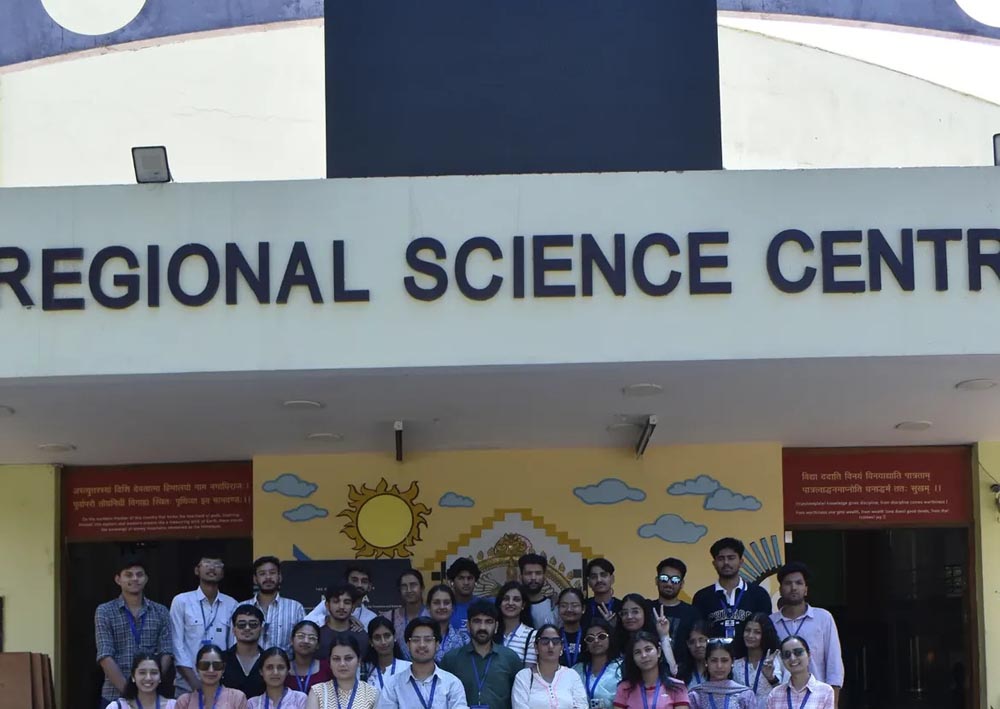
  • In the picturesque surroundings of Dehradun, Uttarakhand, where the Himalayan foothills meet a city known for education, forests and natural beauty, the Regional Science Centre (RSC) Dehradun offers a very different kind of attraction. Instead of simply displaying objects behind glass, the centre encourages visitors to touch, experiment, observe and question. It is a place where science becomes an experience rather than just a subject studied in textbooks.

    Located at Vigyan Dham, Jhajra, Prem Nagar, the Regional Science Centre is particularly popular with school students, families, educators and anyone interested in science and technology. Developed by the National Council of Science Museums (NCSM) in collaboration with the Uttarakhand State Council for Science and Technology (UCOST), the centre was inaugurated on February 3, 2016. It was established with the broader objective of promoting scientific temper and making science accessible and engaging to the public.

    Where Is Regional Science Centre Dehradun?

    The Regional Science Centre is situated within the Vigyan Dham campus at Jhajra in the Prem Nagar area of Dehradun. Its location makes it accessible as a day outing from different parts of the city, while its spacious campus provides enough room for both indoor galleries and outdoor science exhibits.

    The official address is Vigyan Dham, Jhajra, Prem Nagar, Dehradun, Uttarakhand. The centre is located away from the busiest central areas of Dehradun, giving it a relatively spacious setting that complements its science-park concept.

    For visitors staying in central Dehradun, the centre can be incorporated into an itinerary that includes other attractions in and around the city. Dehradun is also well connected by road and rail, while Jolly Grant Airport serves as the city’s principal airport.

    History and Development of the Centre

    The Regional Science Centre was created as a collaborative initiative between NCSM and UCOST. According to the National Council of Science Museums, the Dehradun centre became part of its network of Regional Science Centres on February 3, 2016. At the time of its opening, it was described as Uttarakhand’s first Regional Science Centre and the country’s sixteenth Regional Science Centre.

    The original project was developed through shared financial participation by the National Council of Science Museums and the Government of Uttarakhand. The present campus covers approximately 30,450 square metres, with the main Regional Science Centre building occupying around 5,500 square metres. The combination of a substantial outdoor science park and an extensive indoor exhibition building allows the centre to offer different styles of learning in one location.

    The philosophy behind the centre is important. Science museums and centres are designed not merely to provide information but to create opportunities for visitors to discover scientific principles themselves. Instead of telling a child how a particular physical phenomenon works, an interactive exhibit can allow the child to operate it and see the result. This approach helps transform abstract scientific concepts into memorable experiences.

    What Makes Regional Science Centre Dehradun Special?

    The biggest attraction of the centre is its interactive character. Visitors are encouraged to participate rather than simply observe. This makes it particularly suitable for children and teenagers, although adults can also find plenty to explore.

    The centre combines several different experiences: an outdoor science park, dinosaur models, indoor galleries, a Himalayan-themed exhibition, technology displays, an Innovation Hub, a 3D theatre and a portable planetarium known as Taramandal. There is also an auditorium, exhibition space, student activity areas and meeting facilities.

    This variety means that a visit does not feel like a conventional museum tour. A family might begin by experimenting with an outdoor physics exhibit, move indoors to learn about Himalayan geology and culture, explore modern technology and then finish the visit with a 3D or planetarium experience.

    The Science Park: Learning Science Outdoors

    One of the most appealing sections of the centre is its outdoor Science Park. The official centre describes it as a garden of science containing about 30 interactive exhibits based on subjects such as vibrations, mathematics, perception, gravity, sound and music.

    The Science Park demonstrates how scientific learning can be incorporated into an outdoor environment. Visitors can interact with the installations and discover scientific principles through direct experience. For children especially, this makes learning feel more like play.

    Among the notable installations are the Gravity Chair, Whispering Garden, Musical Bar, Sympathetic Swing, Bird-in-the-Cage, Eco Tube and Perspective House. Each is designed around a scientific phenomenon or principle.

    The Gravity Chair, for example, provides an entertaining way of thinking about forces and body movement, while the Whispering Garden demonstrates how sound can travel in surprising ways. The Musical Bar introduces visitors to the relationship between vibration and sound. The Perspective House, meanwhile, plays with visual perception and demonstrates how what we see is not always an accurate representation of physical reality.

    These exhibits are particularly valuable for school groups because they can turn concepts learned in physics or mathematics classes into practical experiences.

    Dinosaur Park: A Favourite Among Children

    Another popular part of the outdoor area is the Dinosaur Park. The park features models representing prehistoric animals and adds an element of natural history to the science-centre experience. The centre’s information describes the dinosaur section as part of its outdoor science park.

    Dinosaur exhibits are particularly effective at attracting younger visitors because they combine entertainment with an introduction to subjects such as palaeontology, prehistoric life, evolution and Earth’s geological history.

    For parents, the dinosaur section can also provide an opportunity to turn a simple family outing into an educational conversation. Children can be encouraged to think about when dinosaurs lived, how scientists reconstruct prehistoric animals from fossils and how Earth’s environment has changed over millions of years.

    Fun Science Gallery

    The Fun Science Gallery brings interactive scientific exploration indoors. Its central idea is that scientific principles do not have to be difficult or intimidating. They can be understood through demonstrations, visual experiences and hands-on interaction.

    Such galleries are especially useful for students who may find textbook explanations difficult to visualise. Physics, mathematics, perception and other scientific ideas can become much easier to understand when visitors can actually manipulate an exhibit and immediately see its effect.

    The gallery also reflects one of the fundamental purposes of science centres: encouraging curiosity. Instead of simply providing answers, interactive displays can make visitors ask new questions.

    Himalaya Gallery: Connecting Science with Uttarakhand

    The Himalaya Gallery gives the Regional Science Centre a distinctly Uttarakhand-focused character. Rather than presenting science as something disconnected from local surroundings, this gallery explores the Himalayan region through themes including geology, geography, tourism, culture and traditional knowledge systems.

    This is particularly relevant in Dehradun because the city serves as an important gateway to the Himalayan region. Visitors can therefore explore scientific ideas connected with the mountains that form such an important part of Uttarakhand’s identity.

    The gallery also contains a replica of the Amarnath Cave, adding a cultural and geographical dimension to the experience.

    The Himalayan section can help visitors appreciate how geology, climate, biodiversity, human settlement and traditional knowledge are interconnected. It is also an opportunity to understand the mountains not simply as scenic landscapes but as complex natural systems.

    Frontiers of Technology Gallery

    For visitors interested in modern science and emerging technologies, the Frontiers of Technology Gallery is one of the most significant attractions.

    The gallery covers subjects including intelligent materials, smart agriculture, nuclear power generation, cloud computing, robotics, carbon nanotubes and graphene, augmented reality, virtual reality, medical technology and space technology.

    The breadth of these subjects demonstrates how quickly science and technology are changing. Visitors can encounter concepts that are increasingly relevant to modern life, from robotics and artificial intelligence-related technologies to advanced materials and immersive digital experiences.

    For students, such displays can also provide inspiration when considering future fields of study. A child interested in robotics, for example, may discover an entirely new interest in engineering. Another visitor may become curious about space science, medical technology or advanced computing.

    Innovation Hub: Encouraging Young Minds

    One of the most important educational facilities at the centre is its Innovation Hub. Unlike a traditional exhibition, the Innovation Hub is intended to give young people opportunities to develop ideas, experiment and work with scientific tools and instruments.

    The Government of Uttarakhand describes it as a multidisciplinary laboratory designed to nurture creativity and innovation among young people. Students can receive resources and technical input while developing innovative ideas and engaging in practical learning.

    This aspect of the Regional Science Centre is particularly significant because scientific education is not only about memorising established facts. Scientific progress depends on asking questions, testing ideas, solving problems and learning from unsuccessful experiments.

    The Innovation Hub therefore extends the role of the centre beyond museum education. It can serve as a bridge between classroom learning and experimentation, helping students understand how scientific and technological ideas are developed.

    The centre has also hosted workshops and programmes for students and teachers. Its activities have included science camps, teacher-oriented laboratory skill workshops and technology-focused programmes. The centre’s website records programmes involving subjects such as artificial intelligence and science education.

    3D Theatre and Taramandal

    The Regional Science Centre also provides audiovisual and astronomical experiences through its 3D Theatre and Taramandal portable planetarium.

    A 3D theatre can make scientific subjects more immersive by presenting them through three-dimensional visual experiences. For children, this can be an enjoyable way of learning about natural phenomena, animals, space or technology.

    Taramandal, meanwhile, introduces visitors to astronomy and the night sky. Planetarium experiences are particularly useful for people living in urban areas, where artificial lighting can make it difficult to observe many celestial objects naturally.

    Together, these facilities expand the centre’s educational approach from physical exhibits to visual storytelling and astronomy.

    Science Education Programmes and Camps

    The Regional Science Centre is not limited to permanent exhibits. It also conducts special programmes and educational activities throughout the year. These have included science camps, workshops, lectures and astronomy-related events.

    Such programmes can be especially valuable for students because they provide opportunities to learn outside the normal classroom environment. Summer science camps, for example, can combine experiments, demonstrations, group activities and discussions.

    The centre has also organised events connected with astronomical phenomena. Its recorded activities include programmes related to a total lunar eclipse and science camps.

    Teacher-oriented activities are another important component. Workshops can help educators introduce practical science activities into their own classrooms, potentially extending the impact of the centre beyond visitors who physically enter the campus.

    Importance for School Students

    For school students, Regional Science Centre Dehradun can function as an extension of the classroom. Textbooks explain scientific principles, but interactive exhibits provide opportunities to experience them.

    A physics lesson about sound can be complemented by a visit to the Musical Bar or Whispering Garden. Discussions about forces and motion can be reinforced through interactive outdoor exhibits. Astronomy lessons can become more engaging through the planetarium, while geography and earth-science topics can be connected to the Himalaya Gallery.

    This practical dimension is especially valuable because children often remember experiences more strongly than definitions. A student who physically interacts with an exhibit may develop a deeper understanding of the concept behind it.

    A Destination for Families and General Visitors

    Although the Regional Science Centre has a strong educational focus, it is not exclusively for school groups. Families can also enjoy the centre as a recreational and educational destination.

    Parents can allow children to explore the Science Park while discussing what they are seeing. Older students can spend more time in the technology and innovation sections, while adults may appreciate the Himalayan exhibits and scientific demonstrations.

    The centre’s visitor numbers indicate its broad appeal. According to the Uttarakhand government’s information, more than 3.5 lakh visitors had visited the centre since its establishment up to December 2024, while 62,778 people visited during 2024 alone.

    These figures illustrate the centre’s continuing role as an important public science-education destination in Uttarakhand.

    Timings and Ticket Information

    According to the centre’s current official information, the Regional Science Centre is open from 10:00 AM to 5:00 PM, with ticketing available until 4:00 PM. Monday is the weekly closing day, and the centre also lists national holidays among its closures.

    Current listed prices are ₹50 for general entry for individual visitors, ₹40 for groups of 25 or more, ₹25 for government/municipal school groups of 25 or more and ₹40 for private school or college groups of 25 or more. Separate charges apply for the 3D Theatre and Taramandal. Because timings, programmes and ticket arrangements can change, visitors should check the centre’s official website before travelling. The centre also provides an online booking facility, while payment is indicated as being made offline at the ticket counter after booking confirmation.

    How Much Time Should You Spend There?

    A visitor interested only in the major attractions may be able to see the centre in a couple of hours, but families and school groups can easily spend longer exploring the campus.

    A good visit should ideally allow enough time for the Science Park, dinosaur section, indoor galleries and at least one of the special audiovisual or astronomical experiences. Students interested in technology and innovation may want additional time for the Frontiers of Technology Gallery and Innovation Hub.

    It is also worth avoiding an overly rushed itinerary. The centre’s greatest strength is its interactive nature, and rushing from one exhibit to another can reduce the educational value of the visit.

    Why Regional Science Centre Matters to Uttarakhand

    The Regional Science Centre is important not simply because it is a tourist attraction, but because it contributes to science communication in the state.

    Uttarakhand has a distinctive relationship with science. The state contains fragile Himalayan ecosystems, complex geological formations, rivers, forests, glaciers and communities with long-established traditional knowledge. Issues such as climate change, water management, biodiversity conservation, disaster preparedness and sustainable development all require scientific understanding.

    A public institution that encourages young people to question, experiment and think scientifically can therefore have significance far beyond entertainment.

    The centre’s emphasis on the Himalayas is particularly appropriate. By combining modern scientific concepts with regional geography, culture and traditional knowledge, it provides a setting in which visitors can think about both the scientific and human dimensions of Uttarakhand.

    Nearby Attractions

    A visit to the Regional Science Centre can also be combined with other Dehradun attractions. The city’s well-known destinations include the Forest Research Institute, Clock Tower and other cultural and natural attractions. Incredible India also lists attractions such as Rajaji National Park, Mindrolling Monastery and Asan Barrage among places visitors can explore around Dehradun.

    This makes the Regional Science Centre a useful addition to a broader Dehradun itinerary rather than a destination that necessarily has to be visited in isolation.

    Final Thoughts

    The Regional Science Centre Dehradun offers something that many conventional museums struggle to provide: an opportunity to experience science. Its combination of an outdoor Science Park, dinosaur models, interactive galleries, Himalayan exhibits, advanced technology displays, an Innovation Hub, 3D theatre and planetarium creates an unusually diverse educational environment.

    Its greatest strength is its ability to make science approachable. A child can learn about sound by playing with an exhibit, understand visual perception through an optical experience, explore the history of prehistoric life through dinosaur models, discover Himalayan science and culture through dedicated displays, and encounter technologies that may shape the future.

    For families, it is an educational day out. For school students, it can bring textbook concepts to life. For teachers, it offers additional resources for science education. For curious adults, it provides a chance to rediscover the pleasure of asking how and why things work.

    Located amid the educational and natural landscape of Dehradun, the Regional Science Centre is therefore much more than a museum. It represents an effort to build curiosity, scientific thinking and innovation among the public—and especially among young people. If you are looking for an attraction in Dehradun that combines education, entertainment, technology, astronomy, Himalayan knowledge and hands-on discovery, the Regional Science Centre at Vigyan Dham is certainly worth including in your itinerary.

    Practical note: The centre’s official website currently lists its opening hours as 10:00 AM–5:00 PM, with Monday as the weekly off day.

  • When people think of Dehradun, the first images that usually come to mind are green valleys, colonial-era institutions, forested hills, Mussoorie and the many waterfalls and picnic spots scattered around the city. Yet, on the western side of the Doon Valley, close to the Uttarakhand-Himachal Pradesh border, lies a destination with a character of its own. Asan Barrage, also spelled Assan Barrage or Aasan Barrage, is a remarkable combination of an engineering structure, a man-made wetland, a birdwatching destination and a peaceful nature retreat.

    Located near Dhalipur and the Yamuna valley, Asan Barrage is particularly famous for the large number of migratory birds that arrive here during the cooler months. The reservoir created around the barrage provides open water, shallow wetland areas and suitable habitats for numerous waterbirds. For visitors, this means that a place originally associated with water management has developed into one of the most interesting nature destinations near Dehradun. The Uttarakhand Tourism Development Board also identifies Asan Barrage as an important bird sanctuary and scenic attraction on its Dehradun tourism circuit.

    Where Is Asan Barrage Located?

    Asan Barrage is situated in the western part of Dehradun district, near Dhalipur and the Uttarakhand-Himachal Pradesh border. It lies close to the confluence of the Asan River and the Eastern Yamuna Canal, with the reservoir connected to the wider Yamuna river system. The location is often described in relation to Dakpathar and Vikasnagar, making it particularly convenient for travellers exploring western Dehradun, Paonta Sahib or the surrounding Himalayan foothills.

    The distance quoted from Dehradun varies according to the starting point and route. Tourism sources generally place it at roughly 40–45 kilometres from Dehradun, while some descriptions give slightly different figures. The journey normally takes around one to one-and-a-half hours depending on traffic and the exact starting location. The road journey itself is part of the experience, as the landscape gradually changes from the urban environment of Dehradun into a quieter countryside of fields, forests, waterways and foothills.

    Because of its location, Asan Barrage is not simply a Dehradun city attraction. It can also be incorporated into a wider western Uttarakhand itinerary covering places such as Dakpathar, Vikasnagar, Kalsi and nearby destinations toward Himachal Pradesh.

    The History of Asan Barrage

    The story of Asan Barrage is closely connected with water management and irrigation in the region. The barrage was constructed during the 1960s and became operational in 1967. Its creation transformed the surrounding area by regulating water and creating a permanent reservoir-like wetland. The structure is approximately 287.5 metres long, and the resulting waterbody covers roughly four square kilometres.

    What makes the history of the site particularly interesting is the way an engineering project gradually developed ecological importance. The reservoir created favourable conditions for aquatic vegetation, marshy areas and shallow-water habitats. Over the years, these habitats began attracting large numbers of birds, particularly during winter migration.

    Thus, the importance of Asan Barrage expanded beyond its original water-management function. It became a significant wetland ecosystem and eventually a destination for birdwatchers, photographers, naturalists and tourists interested in wildlife.

    The wetland received another important conservation milestone in 2005, when the Asan Conservation Reserve was established. It has also been recognised internationally as a Ramsar wetland since 2020, making it an important site for wetland conservation.

    Why Is Asan Barrage Famous?

    The greatest attraction of Asan Barrage is undoubtedly its birdlife. The wetland is an important stopover and wintering habitat for migratory birds travelling across long distances. During the migration season, the calm waters can become remarkably active, with ducks, geese, waders, herons, egrets and birds of prey appearing across different sections of the wetland.

    Tourism and wildlife sources report around 53 species of waterbirds visiting the wetland, including numerous migratory species. Some birds arrive from the Palearctic region and other parts of Eurasia, making Asan an important link in the migratory routes of waterfowl.

    Among the birds that may be seen are Brahminy ducks, ruddy shelducks, mallards, common teals, northern pintails, shovellers, gadwalls, Eurasian wigeons, tufted ducks, pochards and coots. Depending on the season and water conditions, visitors may also encounter egrets, herons, wagtails, cormorants and other wetland birds. Birds of prey, including various eagles, harriers and ospreys, add another dimension to the birdwatching experience.

    The exact species and numbers naturally change throughout the year. This is one reason birdwatchers can return to Asan Barrage more than once and still have different experiences.

    A Paradise for Migratory Birds

    Winter is the most exciting period for anyone visiting Asan Barrage specifically for migratory birds. Many species begin arriving from around October, with numbers increasing through November and December. Several remain in the area until March or early April before beginning their return journeys.

    The sight of groups of ducks moving together across the water is one of the defining experiences of the wetland. A patient visitor may notice different species occupying different parts of the reservoir. Some birds prefer open water, while others gather around muddy edges, marshy islands or vegetation.

    The migration calendar is not rigid. Weather, water levels and food availability can influence the arrival and departure of individual species. Consequently, visitors should not expect every bird mentioned in a guide to be present on every visit.

    Interestingly, the wetland also supports birds during warmer months. Sources note opportunities to see species such as painted storks, Asian openbills and night herons from approximately May through September.

    This makes Asan more than a winter-only attraction. Winter is the headline season for migratory waterfowl, but the wetland continues to support resident and seasonal birdlife throughout the year.

    The Asan Conservation Reserve

    The Asan Conservation Reserve is an important part of the area’s ecological identity. The reserve demonstrates how landscapes created or modified by human activity can eventually become valuable wildlife habitats when ecological conditions develop around them.

    The wetland contains open water as well as shallow areas, marshy zones and vegetation that provide feeding and resting grounds for birds. When water levels change, small islands and exposed wetland sections can appear, creating additional habitats for waders and other species.

    Its conservation importance is also reflected in the presence of species considered threatened or vulnerable at the global level. For this reason, Asan is more than simply a scenic lake where visitors can take photographs. It is part of a larger wetland ecosystem that needs responsible tourism and careful management.

    The Ramsar designation further highlights the international importance of the wetland. For travellers, this provides another reason to appreciate Asan Barrage not merely as a recreational location but as a significant natural environment.

    Scenic Beauty and Landscape

    Although birds are the principal attraction, the scenery around Asan Barrage is equally appealing. The broad water surface creates a striking contrast with the surrounding green landscape. Depending on the weather, the water can reflect clouds, trees and distant hills, producing beautiful photographic compositions.

    Early mornings can be especially peaceful. Mist or soft sunlight may hang over the water, while birds gradually become active along the shoreline. Late afternoons offer a different atmosphere, with warmer light and longer shadows creating attractive conditions for landscape photography.

    The surrounding Himalayan foothills give the landscape an additional sense of scale. On clear days, distant mountain views may complement the wetland scenery, although visibility naturally depends on weather and atmospheric conditions.

    Unlike a crowded urban attraction, Asan Barrage encourages visitors to slow down. Its appeal lies less in a long list of monuments and more in simply observing the water, landscape and wildlife.

    Birdwatching at Asan Barrage

    Birdwatching is best approached with patience. Visitors who arrive expecting birds to appear immediately may miss much of what makes the wetland special. A quiet approach and a pair of binoculars can make a considerable difference.

    Early morning is generally a rewarding period because birds tend to be active and the light is favourable for observation and photography. Winter mornings can also be chilly, so warm clothing is advisable.

    A basic pair of binoculars is enough for casual visitors, while serious bird photographers may bring telephoto lenses and other equipment. However, visitors should remember that wildlife photography should never come at the expense of the animals’ comfort or habitat.

    Maintaining distance from birds, avoiding loud noises and never attempting to feed or chase wildlife are simple ways of practising responsible birdwatching. The objective should be to observe natural behaviour rather than interfere with it.

    Boating and Recreational Activities

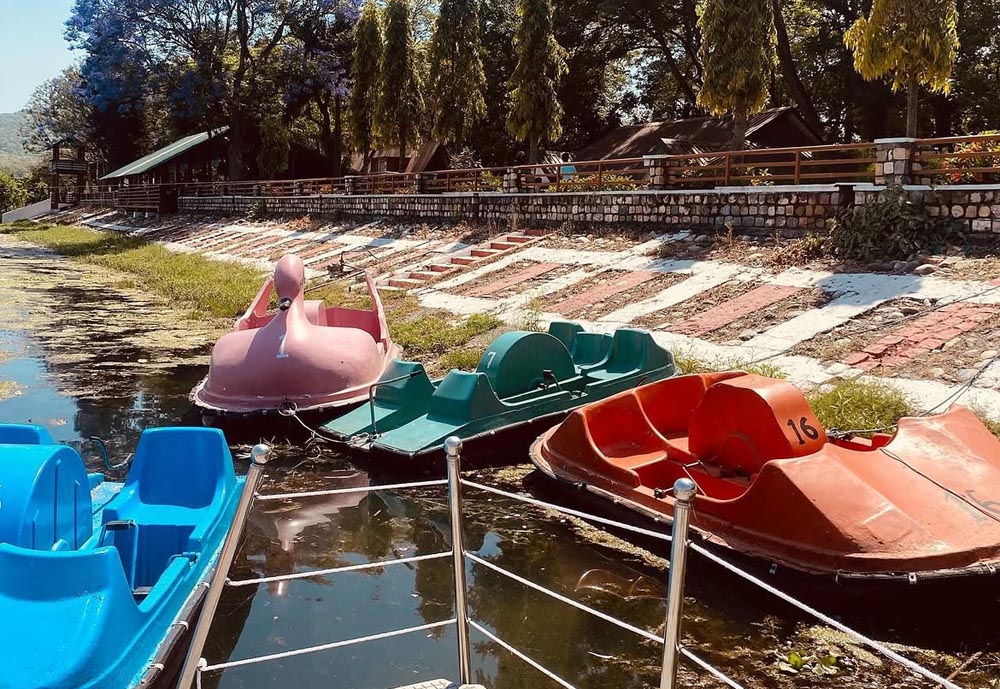
    Asan Barrage has also been associated with boating and water-based recreational activities. Tourism sources have historically described facilities for boating and other water sports in the area.

    However, visitors should not assume that every activity is available every day or throughout the year. Water levels, weather conditions, conservation requirements and local operational arrangements can affect what is permitted.

    For many travellers, boating is an optional experience rather than the primary reason to visit. The real attraction remains the wetland landscape and birdlife. If boating is operating during your visit, it can provide a different perspective of the reservoir, but visitors should always follow local instructions and designated routes.

    Photography at Asan Barrage

    Asan Barrage is an excellent destination for nature and landscape photography. The combination of open water, birds, vegetation, reflections and distant hills creates a wide range of subjects.

    Bird photography is particularly rewarding during migration season. Ducks swimming in formation, birds taking flight from the water and large groups resting along the shoreline can produce dramatic images.

    Landscape photographers can concentrate on reflections, sunrise and sunset, while casual travellers can capture family photographs against the water and surrounding greenery.

    The best results generally come from visiting during softer morning or evening light rather than the harsh midday sun. A zoom or telephoto lens is useful for birds, while a standard lens can work well for landscapes.

    Best Time to Visit Asan Barrage

    The ideal time depends on what you want to see.

    For migratory birds, October to March or early April is generally the most rewarding period. November through February is particularly attractive for visitors hoping to see large numbers of wintering waterfowl. Sources also identify October to December and mid-March to late April as particularly favourable periods for birdwatching.

    Summer can be warmer, but the wetland remains interesting for people who enjoy landscapes and local birdlife. May through September may also provide opportunities to see species such as painted storks and openbills.

    The monsoon months bring a different appearance to the landscape, with surrounding vegetation becoming greener. However, heavy rainfall can affect road conditions and outdoor plans.

    For the most comfortable combination of weather, scenery and birdwatching, the cooler months are generally the safest choice.

    Timings and Practical Information

    Published tourism information lists visiting hours around 9:00 AM to 5:00 PM, although timings can vary depending on the specific area, conservation-zone access and local management.

    Because the site is a wetland and conservation-sensitive destination, visitors should check current local arrangements before travelling, particularly if they are planning a specialised activity such as boating.

    There may also be differences between access to the general barrage area, conservation reserve sections and nearby private or tourism facilities. It is therefore better to treat published timings as a guide rather than assume that every part of the wider area follows identical hours.

    How to Reach Asan Barrage

    Road travel is the most convenient way to reach Asan Barrage. From Dehradun, visitors generally travel toward Vikasnagar and then continue toward the barrage and the Paonta Sahib side of the region. The attraction is connected to the wider road network linking Uttarakhand with Himachal Pradesh.

    The nearest major railway station is Dehradun Railway Station, while the nearest airport is Jolly Grant Airport in Dehradun. Incredible India identifies Jolly Grant Airport and Dehradun Railway Station as the principal nearby transport points.

    Travellers coming from Himachal Pradesh, Haryana, Punjab or Chandigarh may also find the western approach convenient, depending on their itinerary.

    Because the destination is outside central Dehradun, having a private vehicle or arranging a taxi can make the visit easier, especially if you want to combine Asan Barrage with other attractions in western Dehradun.

    Places to Visit Near Asan Barrage

    One of the advantages of visiting Asan Barrage is that it can be combined with several other attractions. Dakpathar is particularly relevant because it is located in the same western Dehradun region and offers another scenic water-and-river landscape.

    Vikasnagar and the surrounding Doon Valley countryside can also be explored during the same trip. Travellers with more time may extend their journey toward Kalsi and the Himalayan foothills.

    For visitors returning toward Dehradun city, attractions such as the Forest Research Institute, Robber’s Cave, Sahastradhara and other well-known Dehradun destinations can be incorporated into a longer itinerary. Uttarakhand Tourism’s own planning documents include Asan Barrage as part of broader regional travel circuits.

    Is Asan Barrage Suitable for Families?

    Yes, Asan Barrage can be a pleasant family destination, particularly for families interested in nature. Children can observe birds, water, trees and the surrounding landscape while learning about wetlands and migration.

    However, parents should keep children under supervision near the water and avoid allowing them to wander into restricted or environmentally sensitive areas. The site is more enjoyable when treated as a nature destination rather than simply as a conventional picnic ground.

    Families who visit during winter should carry warm clothing, especially for morning visits.

    Responsible Tourism at Asan Barrage

    The ecological significance of Asan Barrage means that responsible tourism is especially important. Visitors should avoid throwing plastic or food waste into the surroundings and should use designated waste-disposal facilities wherever available.

    Feeding wild birds may seem harmless, but it can interfere with natural feeding behaviour and potentially affect the health of wildlife. Loud music, shouting and attempting to get unusually close to birds can also disturb the wetland.

    Photography should be conducted responsibly. Visitors should never chase birds for a better photograph or enter restricted areas merely to obtain a closer shot.

    The simplest principle is to leave the wetland as you found it. A clean, quiet and undisturbed environment benefits both wildlife and future visitors.

    Why Asan Barrage Deserves a Place on a Dehradun Itinerary

    Asan Barrage is different from many of Dehradun’s more familiar tourist attractions. It does not depend on elaborate architecture, amusement facilities or crowded markets. Its appeal comes from the interaction between water, landscape and wildlife.

    The site also tells an interesting story about how infrastructure can evolve into an ecological asset. Built as a water-management structure in the 1960s, the barrage eventually became a major wetland habitat, a conservation reserve and an internationally recognised Ramsar site.

    For birdwatchers, it offers the excitement of seasonal migration. For photographers, it provides water, birds, reflections and landscapes. For families, it offers an opportunity to spend time outdoors. For travellers simply looking for a quiet break from Dehradun’s busy streets, it provides a slower and more peaceful experience.

    Perhaps the most memorable aspect of Asan Barrage is that the experience changes with the season. A winter visit may reveal hundreds of migratory waterbirds, while another season can bring a greener landscape and different bird species. Even the same shoreline can look completely different under morning mist, afternoon sunlight or a dramatic monsoon sky.

    Final Thoughts

    Asan Barrage is one of the most fascinating nature destinations around Dehradun, Uttarakhand, particularly for travellers who appreciate birds, wetlands and peaceful landscapes. What began as an important water-management project has developed into a destination with substantial ecological and tourism value.

    Its location near the Uttarakhand-Himachal Pradesh border, its association with the Asan River and Yamuna system, its rich birdlife and its status as a Ramsar wetland make it much more significant than an ordinary picnic spot. During the migration season, the arrival of waterfowl transforms the reservoir into a lively natural spectacle, while the surrounding scenery provides a tranquil setting for photography and relaxation.

    Whether you spend two hours watching birds, photograph the changing colours of the water, take a leisurely walk around permitted areas or simply sit quietly and enjoy the landscape, Asan Barrage offers a refreshing alternative to conventional sightseeing.

    For anyone planning a Dehradun trip, particularly between autumn and early spring, Asan Barrage deserves serious consideration. It is a place where engineering meets ecology, migration meets the Himalayas, and a man-made reservoir has become a living sanctuary for wildlife.

  • Tucked away on the eastern outskirts of Dehradun, Maldevta is one of those places that demonstrates how close nature can be to a bustling city. Surrounded by green hills, forested slopes, village landscapes and the flowing waters of the Song River, Maldevta has become a popular destination for people looking for a peaceful break from everyday urban life. Unlike heavily commercialized hill stations, the charm of Maldevta lies largely in its simple landscape: a river flowing through a broad valley, small streams and waterfalls, rustic roads, agricultural fields, trees, hills and the quiet atmosphere of the Himalayan foothills.

    Located near Raipur in Dehradun district, Maldevta is particularly popular among local residents, families, young travelers, photographers, bikers and nature lovers. It is also increasingly associated with camping, riverside outings and adventure activities. The destination is accessible enough for a short day trip while still giving visitors the feeling of having escaped into the countryside.

    Where Is Maldevta in Dehradun?

    Maldevta is situated in the eastern part of Dehradun, around the Raipur area, amid the foothills and countryside beyond the main urban center. The destination is generally described as a riverside area along the Song River. One commonly cited route places it approximately 18 km from Dehradun’s ISBT, although the exact distance and travel time can vary depending on the point in Maldevta you are visiting.

    The journey itself is part of the attraction. As travelers move away from central Dehradun, the surroundings gradually become greener and less urban. Buildings give way to fields, trees, village settlements and hill scenery. The road toward Maldevta provides glimpses of the landscape that make the destination especially attractive for people who enjoy road trips and photography.

    Dehradun itself sits in the Doon Valley at the foothills of the Himalayas and serves as the capital of Uttarakhand. The district administration describes the city as an important gateway toward destinations including Mussoorie, Haridwar and Rishikesh.

    Maldevta adds another dimension to Dehradun’s tourism appeal by offering a comparatively natural and informal outdoor experience close to the city.

    The Natural Beauty of Maldevta

    The biggest attraction of Maldevta is undoubtedly its landscape. The Song River forms an important part of the area’s identity, flowing through the valley and creating a refreshing riverside environment. The combination of flowing water, vegetation, hills and open spaces gives Maldevta a distinctly Himalayan foothill character.

    During pleasant weather, visitors can sit beside the river, enjoy the sound of flowing water, walk through the surrounding area or simply spend time appreciating the scenery. The riverbanks and nearby green spaces are particularly attractive to photographers because the landscape changes considerably with the seasons.

    The area can look especially vibrant after the monsoon when vegetation becomes greener and streams receive more water. However, monsoon conditions can also make rivers and waterfalls dangerous, so the most beautiful season is not necessarily the safest season for getting into the water.

    Maldevta is also known for small waterfalls and streams in and around the broader area. There are several locations identified online as Maldevta waterfall or waterfall attractions, although travelers should be aware that “Maldevta” can refer to a wider region rather than one single, precisely defined tourist point. Some waterfall listings are farther into the surrounding foothills and should not automatically be assumed to be the same riverside location near Raipur.

    Why Is Maldevta So Popular?

    Maldevta’s popularity comes from its accessibility and atmosphere. Travelers do not necessarily need to organize an elaborate Himalayan trip to experience nature. A relatively short drive from Dehradun can bring visitors into an environment of rivers, hills and greenery.

    For many residents, Maldevta functions as a weekend escape. Families can enjoy a picnic, young people can spend time by the river, photographers can capture landscapes and travelers can explore the surrounding countryside. The destination has also attracted camping and resort businesses, reflecting the growing demand for nature-based tourism in the area.

    The area’s increasing popularity has also brought more accommodation and recreational facilities. Travelers can now find camps, resorts, cottages and other stays around the wider Maldevta area, making it possible to turn a short visit into an overnight nature getaway.

    Maldevta for a Picnic

    A picnic is one of the simplest ways to experience Maldevta. Unlike destinations that require a fixed sightseeing schedule, Maldevta is more about slowing down and enjoying the surroundings.

    Visitors can bring food, sit in designated or suitable open areas, enjoy the landscape and spend several hours outdoors. The sound of the river provides a natural background, while the hills and trees create a pleasant setting for relaxing with family or friends.

    However, visitors should avoid treating the riverbank as an unrestricted picnic ground. Keeping food waste, plastic bottles and disposable packaging away from the river is extremely important. As Maldevta has become more popular, concerns about litter and pressure on the natural environment have also increased.

    A responsible picnic should therefore mean carrying reusable water bottles and containers, avoiding single-use plastic wherever possible and taking all waste back for proper disposal.

    Water Activities and River Experience

    The Song River is central to the Maldevta experience, and many visitors are tempted to get into the water during warm weather. The cool water can be particularly refreshing during the hotter months, which is one reason the area has traditionally been popular as a summer retreat.

    Nevertheless, river recreation requires caution. Water levels can change rapidly, particularly during or after heavy rainfall. Rocks may be slippery, currents may be stronger than they appear, and apparently shallow sections can contain deeper pockets.

    Visitors should never enter the river simply because other people are doing so. Monsoon weather deserves particular caution, and swimming or wading should be avoided wherever conditions are uncertain.

    Trekking, Nature Walks and Adventure

    Maldevta is also suitable for people who prefer walking and exploring rather than simply sitting beside the river. The surrounding foothills offer opportunities for short nature walks and informal exploration, while the wider area has become associated with adventure-oriented activities.

    Paragliding is among the activities associated with Maldevta in tourism descriptions, while camping and short treks are also popular.

    The important distinction is that Maldevta is not primarily a high-altitude trekking destination. Visitors should think of it as a foothill nature and recreation destination where short walks, outdoor experiences and nearby adventure activities can complement the riverside scenery.

    Anyone planning a specific adventure activity should verify current operating conditions, weather restrictions, operator credentials and safety arrangements before participating.

    Camping Around Maldevta

    Camping has become an increasingly visible part of the Maldevta tourism experience. The combination of open landscapes, forested surroundings and relatively easy road access makes the region attractive for camps and nature resorts.

    A night around Maldevta can offer a different experience from a daytime visit. Instead of spending only a few hours beside the river, travelers can enjoy the countryside in the evening, experience cooler temperatures and, where conditions permit, spend time outdoors under the night sky.

    Several accommodation businesses now operate around the Maldevta Road and surrounding villages. For example, Maldevta Farms- Luxury Cottages/ Camps/ Destination Wedding Resort & Hotel provides a more developed resort-and-camping experience, while Panna Resort – Maldevta offers another stay option around the area. Spillway Eco Resorts is another property associated with the wider Maldevta area.

    The best accommodation depends on whether the visitor wants a basic camping experience, a comfortable resort stay, a family-friendly property or a more secluded nature retreat.

    Photography at Maldevta

    Maldevta is an excellent location for landscape photography because several visual elements come together within a relatively small region. The Song River, hills, vegetation, bridges, village roads, fields and changing skies provide numerous subjects.

    Early morning can be particularly rewarding because of softer light and quieter surroundings. Late afternoon and sunset can also produce attractive landscape photographs, especially when the hills and river are illuminated by warm light.

    For photographers interested in rural Uttarakhand, Maldevta offers more than scenic landscapes. Traditional homes, agricultural areas, local roads, vegetation and everyday village life can provide a more authentic visual representation of the region.

    Visitors should, however, respect private property and local residents when taking photographs.

    Religious and Cultural Side of Maldevta

    The natural landscape is the main attraction, but the area also has a cultural and religious dimension. Tourism descriptions of Maldevta mention a local temple that visitors can reach by a flight of stairs.

    This provides an interesting contrast to the recreational side of the destination. A visit to Maldevta does not have to be limited to picnicking and sightseeing; travelers can also experience the quieter cultural atmosphere associated with local religious sites.

    As with temples and village shrines elsewhere in Uttarakhand, visitors should behave respectfully, dress appropriately and follow local customs.

    Food and Refreshments

    Maldevta is not primarily a destination for elaborate culinary tourism. Small shops and eateries can be found in and around the area, while additional restaurants and food options are available along the route from Dehradun.

    For a day trip, carrying some food and water can be convenient, especially if you plan to spend several hours exploring less-developed stretches. At the same time, buying from local vendors can support the small businesses that depend on tourism.

    The most important consideration is waste management. Visitors should not leave wrappers, bottles, disposable plates or food containers near the river or trails.

    Best Time to Visit Maldevta

    The ideal time depends on what you want to experience.

    Spring and early summer can be pleasant for outdoor activities and riverside outings. The traditional tourist guidance particularly highlights April to June as a good period for enjoying Maldevta’s cool waters and escaping the heat of the plains.

    Monsoon transforms the landscape. The hills become greener and waterfalls and streams can become more dramatic. However, this season also brings the greatest concern regarding sudden increases in water levels, slippery roads, landslides and unstable river conditions. Travelers should check weather and local conditions before going.

    Post-monsoon can be especially attractive because the vegetation remains green while the landscape may be clearer and fresher.

    Winter offers cooler weather and a quieter atmosphere. It can be suitable for photography, walking and enjoying the scenery, although visitors should not expect the same water-based experience as during warmer months.

    How to Reach Maldevta

    Maldevta can generally be reached from Dehradun by road. The route leads toward Raipur and then into the Maldevta area. Local transport, taxis and private vehicles can be used, while the exact accessibility depends on the specific part of Maldevta being visited. Tourism information lists options including local Vikrams, Tata Magic vehicles, small cabs and city buses for reaching the area.

    For travelers coming from outside Dehradun, the city serves as the most convenient base. Dehradun is connected by road and rail and has an airport serving the region. From the city, visitors can arrange a taxi or use local transportation toward Maldevta.

    Because “Maldevta” encompasses a broader area with multiple attractions, camps and roads, it is wise to identify the exact destination—such as a particular riverside spot, resort or waterfall—before beginning the journey.

    Nearby Attractions

    One advantage of visiting Maldevta is that it can be combined with other Dehradun attractions. Sahastradhara, another well-known natural destination, is among the places commonly included in the same sightseeing circuit. Other attractions in Dehradun include Robber’s Cave, Tapkeshwar, the Forest Research Institute, Khalanga War Memorial, Paltan Bazaar and other cultural and recreational sites.

    A Maldevta trip can therefore be designed as either a dedicated nature outing or as one part of a larger Dehradun itinerary.

    Maldevta and Sustainable Tourism

    The biggest challenge facing Maldevta is the same challenge experienced by many popular natural destinations in Uttarakhand: growing tourism can put pressure on the environment.

    Plastic waste, vehicle traffic, construction, noise and careless behavior can gradually reduce the very qualities that make a place attractive. Local reporting has specifically highlighted concerns about litter and the need to protect Maldevta as visitor numbers increase.

    Sustainable tourism should therefore be considered an essential part of visiting Maldevta. Travelers can contribute simply by carrying reusable bottles, avoiding disposable plastic, staying on appropriate paths, respecting wildlife and vegetation, avoiding loud music and taking their waste home or to proper disposal facilities.

    The principle is simple: leave Maldevta looking as beautiful as—or better than—you found it.

    Is Maldevta Worth Visiting?

    For travelers who enjoy rivers, greenery, hills and relaxed outdoor experiences, Maldevta is certainly worth visiting. Its biggest advantage is not a single monument or spectacular attraction but the overall experience created by its landscape.

    It is close enough to Dehradun for a convenient day trip yet sufficiently removed from the city to provide a sense of escape. The Song River adds a distinctive character, while the surrounding foothills create opportunities for photography, walking, picnicking, camping and adventure.

    It is also a destination where expectations should be realistic. Maldevta is not a polished resort town or a conventional sightseeing attraction with a long list of formal monuments. Its appeal lies in nature, simplicity and open-air recreation.

    Final Thoughts

    Maldevta represents a quieter side of Dehradun and Uttarakhand—one where the journey matters almost as much as the destination. The combination of the Song River, green foothills, village surroundings, waterfalls, camps and open landscapes makes it an appealing escape for anyone wanting to experience nature without traveling deep into the mountains.

    As Uttarakhand’s tourism industry continues to grow, destinations such as Maldevta will likely attract even more visitors. The challenge will be maintaining the natural character that made the place popular in the first place. Uttarakhand Tourism itself promotes the state around themes including nature, adventure, spirituality and leisure, and Maldevta fits naturally into this broader tourism landscape.

    Ultimately, Maldevta is best experienced slowly. Sit beside the river, listen to the water, walk through the surrounding countryside, appreciate the hills, explore responsibly and take time to notice the small details. Rather than rushing through a checklist of attractions, allow the landscape to be the main attraction.

    For anyone visiting Dehradun and looking for a refreshing break from city life, Maldevta offers a beautiful meeting point between the convenience of the city and the raw, peaceful character of Uttarakhand’s foothills.

  • Nestled deep within the forested hills of western Uttarakhand, Tiger Falls near Chakrata is the kind of destination that rewards travelers who are willing to go beyond the usual tourist circuit. Surrounded by dense oak, deodar and rhododendron forests, the waterfall plunges dramatically down a rocky mountainside before collecting in a natural pool below. Its remote setting, refreshing mountain air and relatively peaceful surroundings make it one of the most appealing natural attractions around Chakrata.

    Unlike many famous waterfalls in Uttarakhand that can be reached almost directly by road, Tiger Falls involves a walk through the forest. This short journey is an important part of the experience because the sound of rushing water gradually becomes louder as visitors move deeper into the greenery. The waterfall then appears through the trees, creating a memorable contrast between the quiet forest and the powerful cascade.

    Official Uttarakhand Tourism information describes Tiger Falls as being around 20 km from Chakrata and notes a trek of roughly 5 km through rhododendron and oak forests. The same source gives the waterfall’s drop as approximately 312 feet and mentions that water collects in a small pool at the bottom.

    Where Is Tiger Falls?

    Tiger Fall is located in the Chakrata region of Dehradun district in Uttarakhand, within the forested landscape of the Jaunsar-Bawar area. Chakrata itself is a quiet hill station situated at roughly 2,000 metres above sea level and is known for its forests, mountain scenery and relatively relaxed atmosphere.

    The exact distances quoted by different travel sources vary considerably because they may measure from different points in Chakrata or refer to different roadheads. Uttarakhand Tourism lists Tiger Falls at approximately 20 km from Chakrata, while other tourism resources describe shorter approaches from particular parts of the town.

    For this reason, travelers should not plan their journey solely around a single distance figure. The important point is that Tiger Falls is reached by traveling from Chakrata toward the waterfall area and then continuing on foot along a forest trail.

    Chakrata’s relatively secluded character is one of the reasons Tiger Falls has retained much of its natural appeal. The town itself was historically associated with the British period and is surrounded by extensive forests and mountain landscapes. Uttarakhand Tourism describes Chakrata as a destination for trekking, mountain activities and nature experiences.

    Why Is Tiger Falls Famous?

    The biggest attraction is, naturally, the waterfall itself. Tiger Falls is famous for its impressive vertical drop, with Uttarakhand Tourism putting it at approximately 312 feet. It is frequently described by travel sources as one of the highest waterfalls in the region.

    What makes the experience especially attractive is the combination of height and surroundings. Tiger Falls does not stand in an urbanized or heavily commercialized setting. Instead, the cascade is enclosed by forest and rocky mountain terrain. The absence of a large city-like tourist infrastructure gives the place a distinctly adventurous character.

    The waterfall is also known by local names including Keraao Pachad and Kailu Pachad.

    For photographers, the waterfall provides several different perspectives. From a distance, it can be photographed against the surrounding forest and mountains, while from closer viewpoints the falling water becomes the dominant subject. On bright days, mist and sunlight can create beautiful atmospheric effects around the cascade.

    The Journey to Tiger Falls

    One of the most enjoyable aspects of visiting Tiger Falls is that the journey does not end when the vehicle stops. Depending on the route and road conditions, visitors have to walk downhill through forested terrain to reach the waterfall.

    The official Uttarakhand Tourism description characterizes the trek as relatively short and easy, passing through rhododendron and oak trees. Other travel sources describe different trail distances because approaches and starting points vary.

    The trail itself can be considered part of the attraction. The forest provides shade, birdsong and cool mountain air, while the sound of running water gradually becomes more noticeable. During the monsoon and immediately afterward, the surroundings can become particularly green and atmospheric.

    Although the descent may feel easy, visitors should remember that the return journey is uphill. A trail that feels effortless while walking toward the waterfall can become considerably more tiring when climbing back toward the road.

    Comfortable walking shoes are therefore more useful than fashionable footwear. The trail can also become muddy or slippery after rain, so travelers should exercise extra caution during wet weather.

    What Does Tiger Falls Look Like?

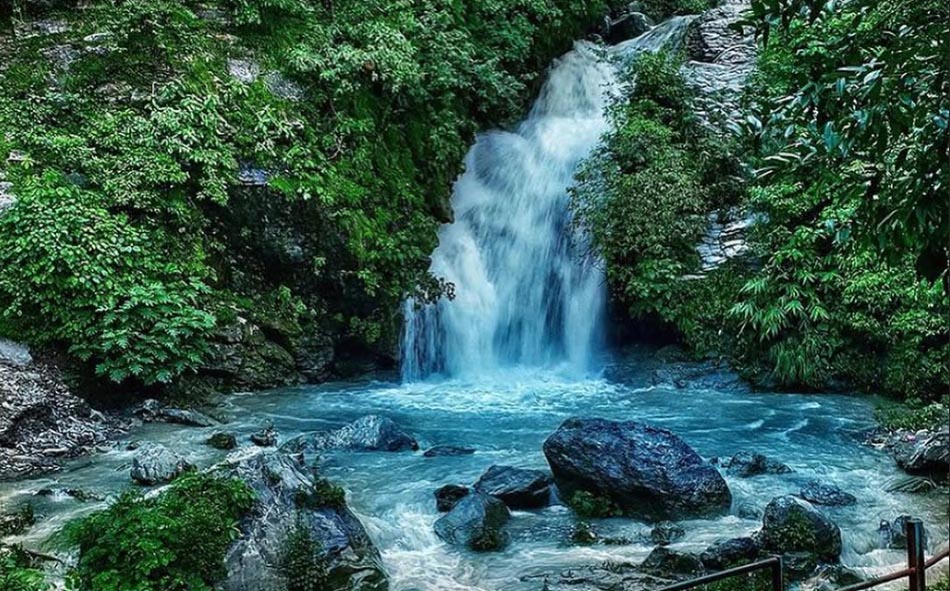
    Tiger Falls is essentially a dramatic mountain cascade surrounded by forest. Water drops from the rocky upper section and gathers in a natural pool below. The combination of the vertical waterfall, rocks, trees and flowing water gives the site a distinctly Himalayan appearance.

    During periods of stronger rainfall, the waterfall becomes more forceful and visually impressive. The sound of the falling water can dominate the surroundings, creating an immersive natural experience.

    During drier periods, the volume of water may be reduced, but the waterfall remains attractive because of its setting. The forest, rocky formations and clear mountain atmosphere continue to provide excellent opportunities for photography and relaxation.

    This changing character means that Tiger Falls can offer a different experience depending on when you visit. Someone visiting after the monsoon may see a powerful cascade surrounded by intensely green vegetation, while a visitor during a drier season may experience clearer trails and a calmer waterfall.

    Best Time to Visit Tiger Falls

    The best time to visit Tiger Falls depends largely on what you want from the trip.

    Uttarakhand Tourism recommends April to June and September to November as the best general periods for visiting Chakrata.

    These months generally provide a good balance between pleasant weather and manageable travel conditions.

    April, May and June are attractive for travelers who prefer relatively dry conditions and comfortable outdoor activities. The forests around Chakrata are particularly pleasant during this period, although temperatures can rise during the daytime.

    The post-monsoon period, particularly September through November, is another excellent choice. The landscape remains green after the rains, while conditions can become more comfortable for walking. The waterfall can also retain a strong flow after the monsoon.

    The monsoon season offers a completely different experience. Heavy rainfall can increase the volume of the waterfall dramatically and make the surrounding landscape lush and dramatic. However, rain also creates slippery trails, muddy roads and potentially difficult driving conditions. Visitors should therefore avoid taking unnecessary risks during periods of heavy rain.

    Winter can be beautiful as well, especially for travelers who enjoy cold-weather mountain scenery. Chakrata experiences much colder conditions during winter, and occasional snowfall can add another dimension to the landscape. However, the water at the waterfall and the surrounding trail can be extremely cold.

    Can You Bathe in Tiger Falls?

    The natural pool below Tiger Falls is one of the reasons visitors are tempted to get into the water. Tourism sources mention bathing and swimming as activities associated with the waterfall.

    However, visitors should approach this activity with caution. Natural waterfall pools are not controlled swimming pools, and their depth, currents and underwater rocks can change after rainfall. During the monsoon, fast-moving water and falling debris can make entering the pool particularly dangerous.

    It is better to observe the conditions before entering the water and avoid swimming close to the actual impact zone of the waterfall. Children should remain under close supervision, and anyone who is not a confident swimmer should avoid entering deep water.

    The safest approach is to enjoy the cool spray and scenery without assuming that every section of the pool is suitable for swimming.

    Things to Do at Tiger Falls

    The main activity is, of course, experiencing the waterfall itself. Sitting beside the water, listening to the cascade and enjoying the forest surroundings can be more rewarding than trying to fill the visit with too many activities.

    Photography is another major attraction. The waterfall provides opportunities for landscape photography, nature photography and travel portraits. Early morning and late afternoon can produce softer natural light, while cloudy weather can create a dramatic atmosphere around the falls.

    The trek itself is also an enjoyable outdoor activity. Even though it is not considered a major technical trek, the combination of forest paths, slopes and mountain scenery makes it a pleasant experience for people who enjoy short nature walks.

    Picnicking is another popular activity, and Uttarakhand Tourism specifically identifies picnics and photography among the things visitors enjoy at Tiger Falls.

    However, visitors should avoid leaving plastic, food packaging or other waste behind. The appeal of Tiger Falls comes largely from its natural environment, and responsible tourism is essential to preserving it.

    How to Reach Tiger Falls from Delhi

    For travelers coming from Delhi, the journey generally involves reaching Dehradun or Chakrata first and then continuing toward Tiger Falls.

    Road travel is the most convenient option because Chakrata is a road-oriented mountain destination. A traveler can drive from Delhi toward Dehradun and then continue into the hills toward Chakrata. The final portion of the journey involves winding mountain roads, so travel times can vary substantially depending on traffic, weather and road conditions.

    Travelers arriving by train can use Dehradun as a major rail gateway and continue toward Chakrata by road. Dehradun is also the practical gateway for many travelers arriving by air, with Jolly Grant Airport serving the Dehradun region. Tourism information for Tiger Falls identifies Dehradun railway station and Jolly Grant Airport among the principal access points for the area.

    Once in Chakrata, visitors can arrange local transportation toward the waterfall route and complete the remaining journey on foot.

    Because mountain roads can be affected by rain, landslides and maintenance, it is sensible to check local road conditions before starting the journey, particularly during the monsoon.

    What to Carry for the Trip

    A visit to Tiger Falls does not require highly specialized trekking equipment, but a little preparation makes the experience considerably more comfortable.

    Comfortable shoes with a good grip are among the most important things to carry. A light backpack, drinking water, snacks, sunscreen, sunglasses and a rain jacket are also useful. During the rainy season, waterproof protection for phones and cameras can prevent unnecessary damage.

    A basic first-aid kit can also be helpful, particularly for families or travelers planning to spend several hours outdoors.

    It is advisable to carry sufficient cash as connectivity and digital payment facilities may not always be dependable in remote mountain areas. Mobile connectivity can also be inconsistent around forested sections.

    Most importantly, visitors should avoid carrying unnecessary single-use plastic and should take all waste back with them.

    Tiger Falls and the Natural Environment

    The natural environment surrounding Tiger Falls is a major part of its identity. Chakrata is known for its extensive forests, including oak, deodar and rhododendron vegetation. Uttarakhand Tourism also highlights the region’s diverse wildlife and medicinal plants.

    The wider Chakrata landscape provides habitat for a variety of birds and animals. Official tourism information mentions species such as wild fowl, spotted deer and panthers in the surrounding forests.

    Visitors should therefore treat the forest as a living ecosystem rather than simply a backdrop for photographs. Loud music, feeding wildlife, damaging vegetation and littering can disturb the environment.

    Quiet observation is often the best way to experience the region. Bird calls, wind moving through the trees and the distant sound of water are all part of the attraction.

    Places to Visit Near Tiger Falls

    Tiger Falls can easily be incorporated into a broader Chakrata itinerary. Travelers staying for two or three days can explore several attractions rather than making the waterfall a standalone excursion.

    Deoban is one of the best-known nature destinations around Chakrata. Situated amid dense deodar forests, it is associated with trekking and panoramic Himalayan views. Uttarakhand Tourism places Deoban around 13 km from Chakrata and highlights it as a destination for birdwatching and mountain scenery.

    Ram Tal Horticulture Garden is another interesting stop. Located around 12 km from Chakrata, it combines a natural pond, greenery and an apple garden and is also known for birdlife. Lakhamandal, located farther from Chakrata, is particularly interesting for travelers interested in mythology, history and temples. The ancient Shiva temple complex is associated with stories from the Mahabharata and offers a cultural dimension to a Chakrata trip. Budher Caves are another option for adventure-oriented travelers. The cave system is known for stalactite and stalagmite formations and provides a different type of experience from the waterfall and forest walks.

    Chilmiri Neck, Kanasar and other forested areas around Chakrata can also be incorporated into a longer itinerary depending on available time and local travel conditions.

    Where to Stay

    Chakrata is the most convenient base for exploring Tiger Falls. Accommodation ranges from hotels and guesthouses to smaller homestay-style properties and camps in the wider region.

    Staying in Chakrata rather than trying to visit Tiger Falls as a rushed day excursion has several advantages. Travelers can explore the waterfall at a relaxed pace and then dedicate another part of the day to viewpoints, forests or nearby attractions.

    The choice of accommodation depends on the type of trip. Hotels are convenient for travelers who prefer conventional facilities, while homestays can offer a more local experience. Visitors looking for a quieter nature-focused trip may also find camps and forest-oriented stays around the broader Chakrata region.

    During popular holiday periods, advance booking is advisable because accommodation options in an offbeat destination can be more limited than in major hill stations.

    Is Tiger Falls Suitable for Families?

    Tiger Falls can be a good family destination, especially for families accustomed to walking on uneven terrain. The journey is not a technical mountain trek, but the downhill and uphill sections require reasonable fitness.

    Families with very young children should consider the trail conditions carefully. Carrying children for a significant portion of the route can be tiring, particularly on the return climb.

    Older travelers should also assess their comfort with slopes before starting. There is no need to rush; taking regular breaks can make the walk considerably easier.

    The waterfall itself can be enjoyed without participating in adventurous activities, making it suitable for families who simply want to experience nature.

    Important Safety Tips

    The most important rule at Tiger Falls is to respect the mountain environment. Wet rocks around waterfalls can be extremely slippery even when they appear safe.

    Visitors should stay away from unstable edges and avoid climbing wet rocks simply for photographs. During heavy rainfall, the volume and force of water can change rapidly.

    The forest trail should ideally be completed during daylight. It is not advisable to begin the return journey so late that darkness catches you on an unfamiliar mountain path.

    Weather conditions should also be taken seriously. If heavy rain begins, visitors should reconsider continuing toward the waterfall or remaining near the water.

    Travelers should also avoid littering and should not disturb local residents or wildlife. A responsible visitor leaves the area looking as close as possible to how it was found.

    Tiger Falls vs. More Commercial Waterfalls

    One of Tiger Falls’ biggest advantages is its atmosphere. Popular waterfalls around major hill stations can become crowded, particularly during weekends and holidays. Tiger Falls offers a more nature-oriented experience because visitors have to make an effort to reach it.

    That does not mean it is completely unknown or deserted. It has become an established tourist attraction, and visitor numbers can increase during weekends and holiday seasons. Nevertheless, its forest setting and walking approach give it a more adventurous personality.

    Travelers who prefer shopping malls, restaurants, amusement facilities and highly developed tourist infrastructure may find the area relatively quiet. But for those looking for forests, waterfalls and mountain scenery, this is precisely what makes Tiger Falls appealing.

    Why Tiger Falls Deserves a Place on Your Uttarakhand Itinerary

    Tiger Falls is more than simply a waterfall to photograph. It is an experience that combines a mountain journey, a forest walk and the spectacle of a powerful cascade.

    Its setting in the Chakrata hills gives it a character distinctly different from the heavily visited attractions of Mussoorie and other major Uttarakhand destinations. The walk through the forest allows travelers to slow down and appreciate the landscape instead of simply arriving, taking a photograph and leaving.

    The waterfall’s impressive height, natural pool, surrounding forests and relatively peaceful environment make it particularly attractive to photographers, couples, families, nature lovers and travelers searching for an offbeat Himalayan experience.

    Most importantly, Tiger Falls demonstrates why some of Uttarakhand’s most memorable destinations are not necessarily the ones with the biggest tourist infrastructure. Sometimes the most rewarding experiences come from following a forest trail, listening to the sound of water grow louder and finally seeing a magnificent waterfall emerge between the trees.

    If you are planning a trip to Chakrata, Tiger Falls is therefore well worth including in your itinerary. Visit with comfortable shoes, adequate water, a little patience and respect for the natural surroundings, and the journey can become one of the highlights of your Uttarakhand adventure.

    A Note on Distances and Waterfall Height

    Travel information about Tiger Falls contains differing figures for distance, trail length and even waterfall height. Official Uttarakhand Tourism currently describes the waterfall as approximately 312 feet high and gives a roughly 20-km distance from Chakrata, while other travel websites use different starting points and measurements.

    For practical trip planning, travelers should follow the locally applicable route and road conditions rather than relying on a single distance figure found online.

  • Nestled among the beautiful mountains of Kumaon in Uttarakhand, Malaynath Swami Mandir, also known as Sirakot Temple, is a fascinating blend of faith, folklore, history and Himalayan landscapes. Located near Didihat in Pithoragarh district, the temple occupies a hilltop associated with the old Sirakot fort and has long been revered as an important shrine of Malaynath Swami, a local deity worshipped particularly in the eastern Kumaon region.

    Unlike some of Uttarakhand’s better-known pilgrimage destinations, Malaynath Swami Mandir remains deeply connected with the local community and its traditional religious practices. The importance of the shrine is not limited to the physical temple. Its identity is intertwined with oral traditions, village customs, devotional songs, fairs, drums and the distinctive folk-religious culture of Kumaon.

    The District Pithoragarh administration describes Sirakot as a fort-cum-temple located about 2–3 km from Didihat and notes that the hilltop provides remarkably clear views of the Himalayan ranges. The official district tourism information also places Didihat about 55 km from Pithoragarh town.

    Where Is Malaynath Swami Mandir Located?

    Malaynath Swami Mandir is situated at Sirakot near Didihat in Pithoragarh district, Uttarakhand. The temple stands on a prominent hill, making it visually striking as well as spiritually significant. The wider Didihat region is known for its cultivated mountain slopes, valleys and views toward the Himalayan ranges.

    The official district website identifies Sirakot as an ancient fort-cum-temple site approximately 2 km from Didihat, while other local accounts commonly describe the temple as around 3 km from the town depending on the approach and point of measurement.

    For visitors, the location is one of the temple’s greatest attractions. Reaching a hilltop shrine provides an experience quite different from visiting a temple situated in a busy town. The journey gradually leaves behind the urban surroundings of Didihat and leads into the quieter mountain environment. From the upper slopes, visitors can appreciate the surrounding valleys, ridges and, on clear days, distant Himalayan peaks.

    A current map listing also identifies Sirakot Malaynath Temple in the Didihat area, reflecting its continuing presence as a recognised local religious destination. Sirakot Malaynath temple

    Historical Background of Sirakot Temple

    The history of Malaynath Swami Mandir cannot be separated from the history of Sirakot. The hill is associated with an old fort, and the temple complex contains remnants that connect the religious site with the region’s medieval political history.

    According to the District Pithoragarh administration, Sirakot was a fort-cum-temple built by the Reka Kings. The outer portion of the fort was used as residential accommodation by the ruler, while the inner part contained temples dedicated to Shiva and Bhairava. These older structures are now described as being in ruins.

    Local traditions, however, connect the present temple more specifically with the Chand rulers and place important developments at the site during the medieval period. A traditional account says that the temple was established during the period of the Chand rulers and that Malaynath manifested at the location. Another version associates the establishment with Bahadur Chand and the settlement of people around the site.

    Because much of the temple’s history survives through oral tradition rather than through extensive surviving written records, different accounts may give slightly different details. This is common with Himalayan folk shrines, where historical memory, mythology and community traditions have developed together over generations.

    The ruins of Sirakot are therefore important not only to devotees but also to people interested in the architectural and cultural history of Kumaon.

    Who Is Malaynath Swami?

    Malaynath Swami is regarded as a local folk deity of Kumaon, particularly associated with the eastern areas around Sira and Askot. Local traditions often identify Malaynath with a powerful protective deity, and his worship remains deeply rooted in the cultural life of the surrounding communities.

    Some traditions describe Malaynath as having connections with a warrior or royal lineage, while folk narratives surrounding his life have been preserved through jagar, the traditional devotional storytelling and singing tradition of Uttarakhand.

    One local account describes Malaynath’s story as resembling the legends associated with other Kumaoni folk deities such as Golu/Gangnath and Bhairavnath. In this tradition, the deity’s story involves love, renunciation and transformation into a yogic figure.

    These stories should be understood as part of the region’s oral religious heritage rather than treated simply as conventional historical biographies. In Kumaon, folk deities often occupy a special position between mythology, community memory and everyday religious life.

    Malaynath as a Protective Deity

    One of the most important aspects of Malaynath worship is the belief in the deity’s protective power. Devotees regard Malaynath Baba as a guardian or protector, and this belief contributes significantly to the temple’s popularity.

    A report published by Amar Ujala notes that Malaynath Baba of Sirakot is worshipped as a protector and that soldiers and military families have traditionally maintained a connection with the temple. The report also describes the shrine as being associated with a self-manifested Shiva-lingam form and records significant attendance during Mahashivratri.

    This protective dimension gives the temple a special emotional significance. For many devotees, visiting the shrine is not simply about sightseeing or performing a ritual. It represents an opportunity to seek blessings, protection, courage and spiritual reassurance.

    The Connection with Lord Shiva

    Malaynath Swami is also closely associated with Shiva traditions. Local sources describe Malaynath as a manifestation or form connected with Lord Shiva, while the Sirakot complex itself has long included Shiva worship. The official district description specifically mentions a Shiva temple within the older fort complex.

    This connection explains why festivals associated with Shiva, particularly Mahashivratri, are important at the temple.

    The relationship between local folk deities and major Hindu deities is a distinctive characteristic of Uttarakhand’s religious culture. A village or regional deity may have an individual legend and particular rituals while simultaneously being understood as a form or manifestation of Shiva, Devi or another widely worshipped deity.

    Malaynath’s identity reflects precisely this interaction between mainstream Hindu traditions and the indigenous folk culture of Kumaon.

    Jagar: The Living Voice of Kumaoni Devotion

    One of the most fascinating aspects of Malaynath worship is the tradition of jagar.

    Jagar is a distinctive ritual and musical tradition of Uttarakhand in which the stories and powers of local deities are invoked through singing, drumming and ritual performance. It is much more than ordinary devotional music. It acts as a form of oral cultural memory through which stories of gods, heroes, ancestors and legendary figures are passed from one generation to another.

    According to local accounts concerning Malaynath Swami, the deity’s jagar can extend over several days. One source describes a four-day tradition known as Chauras.

    During such traditions, the sound of the dhol and damau, the traditional drums of Uttarakhand, becomes an essential part of the religious atmosphere. The rhythm, singing and narration create a powerful communal experience.

    For anyone interested in Himalayan culture, witnessing an authentic jagar tradition can provide a deeper understanding of Uttarakhand than simply visiting a temple building.

    The Annual Fair and Cultural Celebrations

    The annual fair associated with Sirakot/Malaynath Temple is another major attraction. Local accounts mention celebrations around Kartik Chaturdashi, while other descriptions associate the annual gathering with the traditional festival calendar and local religious observances.

    The fair is not simply a religious gathering. It is also an expression of community identity.

    One particularly interesting tradition associated with the fair is the dhol-nagada competition. Villages from the surrounding region participate with their traditional drums, transforming the festival into a lively celebration of Kumaoni musical heritage. Accounts mention participation from places and villages including Chaubati, Dunakot, Didihat, Borabunga, Bamangad and Adichoura.

    The combination of worship, music and community participation makes the festival an important cultural event.

    Mahashivratri at Malaynath Temple

    Mahashivratri is particularly significant because of the temple’s strong connection with Shiva worship. Devotees visit the shrine to offer prayers, perform rituals and seek the blessings of Malaynath Swami.

    According to local reporting, thousands of devotees may gather at Sirakot during Mahashivratri. The festival transforms the normally peaceful hilltop into a vibrant pilgrimage centre.

    For visitors planning to attend during a major festival, it is worth remembering that the experience will be very different from visiting on an ordinary day. Crowds can be considerably larger, access can become more difficult and local arrangements may change according to the festival schedule.

    The Sacred Water Source

    Another interesting feature mentioned in local descriptions is an old naula, or traditional Himalayan water source, associated with the temple. One account states that the water source dates back to the period of the Chand rulers and has traditionally been used for temple-related purposes such as offerings and cleaning.

    Traditional naulas are an important part of Uttarakhand’s heritage. Before modern water-supply systems became widespread, these carefully constructed springs served as vital sources of drinking and ritual water.

    The presence of such a water structure adds another layer to the cultural history of Sirakot. It demonstrates how religious sites were traditionally connected with practical community infrastructure.

    Architecture and the Sirakot Fort

    Visitors should not expect Malaynath Swami Mandir to resemble a massive modern pilgrimage complex. Its significance comes partly from its setting and its connection with the old fort.

    The Sirakot hilltop contains remnants of the earlier fortification and temple structures. The official Pithoragarh district website describes the Shiva and Bhairava temples within the fort as being in ruins, while highlighting the exceptional views from the hilltop.

    This combination of ruins and active worship is particularly interesting. It creates a visible connection between the past and present. The stones and remains recall earlier political and religious history, while the continuing worship of Malaynath demonstrates that the sacred identity of the hill has survived.

    The Himalayan Views from Sirakot

    The landscape around Malaynath Swami Mandir is almost as memorable as the temple itself.

    Sirakot rises above the surrounding countryside, providing expansive views across the mountainous terrain. The District Pithoragarh website specifically notes the remarkably clear Himalayan views from the hilltop.

    Didihat itself is a picturesque mountain settlement. Uttarakhand Tourism describes the wider Didihat region as a hill town with cultivated ridges and views toward the snow-covered Panchachuli Himalayan range on clear days.

    For photographers and nature lovers, early morning and late afternoon can be especially appealing because mountain light changes the appearance of the ridges and valleys. However, Himalayan visibility is weather-dependent, so visitors should not assume that distant snow peaks will always be visible.

    How to Reach Malaynath Swami Mandir

    The most practical starting point for a visit is Didihat. The town is connected by road with other important settlements of Pithoragarh district.

    The official district tourism information places Didihat around 55 km from Pithoragarh, while Sirakot is approximately 2–3 km from Didihat.

    From Didihat, visitors generally continue toward Sirakot and then make the final approach to the hilltop temple. Because roads and local access conditions can change, travellers should confirm the current route locally before beginning their journey.

    For visitors arriving from outside the region, reaching Pithoragarh first and continuing by road toward Didihat is a common approach. Public and private transport options may vary by season and local conditions.

    The final climb is part of the experience. Anyone visiting should wear comfortable footwear and allow enough time rather than treating the temple as a quick roadside stop.

    Best Time to Visit

    Malaynath Swami Mandir can be visited throughout much of the year, but the ideal season depends on what kind of experience a traveller wants.

    For pleasant weather and mountain sightseeing, spring and autumn are generally attractive periods. Clearer skies can also improve Himalayan visibility.

    The monsoon season can bring heavy rain, slippery roads and difficult walking conditions in the mountains. Travellers should therefore check weather and road conditions before setting out.

    Those interested primarily in religious celebrations may prefer visiting during Mahashivratri or the annual fair. However, festival visits require greater preparation because crowds can be significantly larger.

    A quiet weekday visit, by contrast, can provide a more peaceful opportunity to appreciate the temple, surrounding ruins and mountain scenery.

    Things to Experience Around the Temple

    A visit to Malaynath Swami Mandir should ideally not be limited to the main shrine. The Sirakot hill itself is historically significant because of its fort remains.

    Visitors can explore the surroundings respectfully, observe the old structures and spend time taking in the mountain landscape. Didihat also makes a useful base for exploring other attractions in Pithoragarh district.

    The region is particularly appealing to travellers interested in combining pilgrimage with Himalayan scenery. The district has numerous temples and cultural sites, and the official tourism information lists several destinations around Didihat and elsewhere in Pithoragarh.

    Religious Etiquette for Visitors

    Because Malaynath Swami Mandir is an active place of worship rather than merely a tourist monument, visitors should behave respectfully.

    Simple clothing, quiet behaviour inside the sacred area and sensitivity toward local customs are advisable. Photography should be avoided wherever local devotees or temple authorities indicate that it is not permitted.

    The temple’s traditions are rooted in local community practices, some of which may differ from customs visitors are familiar with. Rather than judging these traditions from outside, travellers can approach them as part of Kumaon’s rich cultural heritage.

    Festival periods require additional patience because the temple may become crowded and normal visitor movement can be affected by rituals.

    Why Malaynath Swami Mandir Is Special

    What makes Malaynath Swami Mandir remarkable is the way several layers of Uttarakhand’s heritage come together at one location.

    There is the ancient landscape, represented by the hilltop setting and Himalayan views. There is the medieval history, represented by Sirakot fort and its temple ruins. There is the religious tradition, represented by Malaynath Swami and Shiva worship. There is the oral heritage, preserved through jagar. And finally, there is the living community culture, visible during fairs, musical performances and traditional celebrations.

    This is why the temple deserves attention beyond conventional pilgrimage tourism. It is a place where history has not been separated from living culture.

    The official district administration itself places Sirakot among the important attractions of the Didihat area, particularly highlighting both its historical fort-temple character and the Himalayan panorama from the summit.

    Final Thoughts

    Malaynath Swami Mandir in Didihat is more than a hilltop temple. It is a living cultural landscape where faith, folklore, history and nature meet. The shrine’s association with Malaynath Swami, the old Sirakot fort, Shiva worship, traditional jagar performances and colourful village festivals gives it an identity that is distinctly Kumaoni.

    For devotees, the temple is a place of prayer and protection. For history enthusiasts, the old Sirakot remains offer a glimpse into the region’s medieval past. For travellers, the hilltop provides an opportunity to experience the quieter side of Uttarakhand away from some of the state’s heavily visited pilgrimage centres. And for those interested in folk culture, the traditions surrounding Malaynath offer an exceptional window into the living religious heritage of the Kumaon Himalayas.

    A visit to this sacred hill therefore becomes more than simply checking another temple off a travel list. It is an opportunity to understand how mountain communities preserve their stories, beliefs, music and memories across generations. With its combination of spiritual importance, historical associations and spectacular surroundings, Malaynath Swami Mandir remains one of the distinctive cultural treasures of the Didihat region of Uttarakhand.

    Malaynath Swami Mandir is best experienced slowly—with time to appreciate not only the shrine itself, but also the old fort, the surrounding mountains and the traditions that continue to give Sirakot its sacred character.

  • Nestled in the serene mountains of Tehri Garhwal, Uttarakhand, Budha Kedar Temple is one of those sacred Himalayan destinations that remains relatively peaceful compared with the more famous shrines of the state. Dedicated to Lord Shiva, the temple is associated with ancient Hindu traditions, legends of the Pandavas and the meeting of sacred mountain rivers. Surrounded by green hills, forests and the dramatic landscape of the Garhwal Himalayas, Budha Kedar offers a combination of spirituality, mythology, nature and rural Himalayan culture.

    The name Budha Kedar is generally understood in connection with the idea of “Old Kedar” or “Ancient Kedar.” The shrine is also associated with the name Vriddha Kedareshwar in local religious traditions. According to popular belief, this is a place where Lord Shiva appeared before the Pandavas in an old-man form. The temple’s mythology, therefore, connects it to the great Mahabharata tradition and to the wider network of Shiva pilgrimage sites across Uttarakhand.

    Unlike Kedarnath, which attracts enormous numbers of pilgrims every year, Budha Kedar is comparatively less crowded and offers a quieter spiritual experience. It is particularly appealing to travelers who want to explore a less commercialized side of Uttarakhand while visiting a place of deep religious significance.

    Where Is Budha Kedar Temple Located?

    Budha Kedar Temple is located in the Tehri Garhwal district of Uttarakhand, in the Garhwal Himalayan region. The surrounding area is characterized by mountain valleys, forests, terraced landscapes and rivers. Budha Kedar lies close to the confluence of the Bal Ganga and Dharam Ganga, a geographical feature that contributes considerably to the sacred character of the destination.

    The temple’s setting is one of its greatest attractions. Rather than being situated in a busy urban environment, the shrine is surrounded by the natural landscape of the mountains. The journey itself becomes part of the experience, with winding Himalayan roads, small settlements, forests and panoramic mountain views appearing along the way.

    Budha Kedar is often included by travelers exploring the less-visited religious and cultural destinations of Tehri Garhwal. Its relatively secluded atmosphere makes it especially attractive to pilgrims, photographers, nature lovers and travelers interested in Himalayan heritage.

    The Mythological Story of Budha Kedar

    The most fascinating aspect of Budha Kedar is its association with the Pandavas of the Mahabharata. According to local tradition, after the devastating Kurukshetra war, the Pandavas wanted to seek forgiveness from Lord Shiva for the sins associated with the war. They began searching for Shiva, who, according to the legend, did not wish to reveal himself easily.

    The Pandavas eventually reached the Himalayan region while continuing their search. Local tradition says that they encountered an old man who was meditating at the confluence of the sacred rivers. The old man was believed to be Lord Shiva himself in disguise.

    According to the popular version of the story, when the Pandavas approached him, the mysterious old man disappeared and a large Shiva Lingam appeared at the site. The Pandavas were then instructed to embrace the Shiva Lingam as an act of devotion and repentance. This legend is one of the reasons the site came to be associated with Budha Kedar, or the ancient/old form of Kedar.

    It is important to understand that these accounts belong to the religious and oral traditions associated with the temple rather than being historical records that can be independently verified. Nevertheless, such traditions form an important part of the cultural identity of Himalayan pilgrimage sites. For devotees, the story provides a spiritual explanation for the sanctity of the location and its relationship with Lord Shiva.

    The Sacred Shiva Lingam

    The Shiva Lingam is the spiritual centre of Budha Kedar Temple. The shrine is particularly known in travel and local religious accounts for its large Shiva Lingam, which is frequently described as one of the most prominent Shiva Lingams in the region. Recent coverage has also highlighted the temple’s association with a very large Shiva Lingam and its importance during Shiva festivals.

    For devotees, the Lingam is not simply an architectural object. It represents Lord Shiva and becomes the focus of prayer, offerings, meditation and ritual worship. Visitors may offer water, flowers, bilva leaves and other traditional offerings according to the practices permitted at the temple.

    The atmosphere inside and around the shrine can be especially meaningful during early morning worship. The combination of bells, chants, incense and the surrounding Himalayan landscape creates an experience that is very different from visiting a large temple in a city.

    Religious Importance of Budha Kedar

    Budha Kedar occupies an important position within the religious landscape of Uttarakhand. The state is popularly known as Devbhoomi, or the “Land of the Gods,” because of its enormous number of temples, pilgrimage routes, sacred rivers and places connected with Hindu mythology. Uttarakhand Tourism itself emphasizes the state’s strong spiritual and cultural identity.

    The importance of Budha Kedar comes particularly from its connection with Lord Shiva and the Pandava tradition. The meeting of the Bal Ganga and Dharam Ganga further contributes to the sacred character of the area.

    The temple should not, however, be confused with the much more famous Kedarnath Temple, which is one of the twelve Jyotirlingas and one of the major pilgrimage destinations of Uttarakhand. Kedarnath is located in Rudraprayag district at a much higher elevation, whereas Budha Kedar is situated in Tehri Garhwal. The two places share the powerful religious association with Shiva and the name “Kedar,” but they are distinct pilgrimage destinations.

    The Natural Beauty Around Budha Kedar

    One of the strongest reasons to visit Budha Kedar is the scenery. The temple is surrounded by the characteristic landscapes of Garhwal, where steep mountain slopes meet deep valleys and narrow rivers. Depending on the season, the hills can appear dramatically different.

    During spring and early summer, the surrounding vegetation becomes fresh and vibrant. The monsoon brings lush greenery to the mountains, although heavy rainfall can make travel conditions more challenging. Autumn is particularly attractive because the skies are often clearer, allowing visitors to appreciate the Himalayan scenery more comfortably.

    The landscape also provides opportunities for travelers to experience the quieter side of mountain life. Villages, terraced fields, traditional houses and forested slopes provide glimpses into the everyday culture of Garhwal.

    For photographers, Budha Kedar offers more than temple photography. The surrounding valleys, rivers, village landscapes and changing mountain light can provide excellent opportunities for capturing the character of rural Uttarakhand.

    How to Reach Budha Kedar Temple

    Road travel is the principal way of reaching Budha Kedar. The temple is connected with New Tehri and other parts of the Garhwal region through the Himalayan road network. Travel information sources place Budha Kedar roughly 80–90 kilometres from New Tehri, although exact distances can vary depending on the route and the point from which the measurement is taken.

    Travelers coming from New Tehri can use local buses, shared transportation or private vehicles. There are also connections from areas such as Ghansali, while routes through Dhauntari and the Uttarkashi side are mentioned in regional travel information.

    For visitors arriving by train, Rishikesh Railway Station is generally regarded as the nearest major railway connection. From Rishikesh, travelers can continue by road toward Tehri and then onward to Budha Kedar. Jolly Grant Airport in Dehradun is the nearest major airport commonly cited for travelers arriving by air.

    Because Himalayan road conditions can change due to weather, landslides, road maintenance and seasonal restrictions, travelers should verify the current road situation before beginning the journey. It is also sensible to avoid planning a tightly timed itinerary in the mountains.

    Best Time to Visit Budha Kedar

    The ideal time to visit Budha Kedar depends on whether the priority is pilgrimage, pleasant weather or experiencing the green Himalayan landscape.

    The spring and early summer months, particularly April to June, are generally comfortable for mountain travel. Temperatures are comparatively pleasant, and the landscape begins to become greener as the season progresses.

    The post-monsoon period, particularly September through November, is another attractive period. After the rains, the mountains can look exceptionally fresh, while clearer weather often improves visibility.

    The monsoon season requires greater caution. Uttarakhand’s mountainous roads can be affected by heavy rain, landslides and temporary disruptions. Travelers planning a visit during July and August should check local weather and road conditions before setting out.

    Winter can bring colder conditions, particularly in the higher Himalayan areas. Budha Kedar itself is at a considerably lower elevation than Kedarnath, but winter travel should still be planned with appropriate clothing and awareness of local conditions.

    Festivals and Worship at the Temple

    Maha Shivaratri is naturally one of the most significant occasions for a Shiva temple such as Budha Kedar. During the festival, devotees gather to offer prayers and perform worship dedicated to Lord Shiva. The atmosphere becomes more devotional, with religious ceremonies and increased visitor activity.

    Other important occasions in the Hindu calendar may also attract devotees. Mondays, traditionally associated with Shiva worship, can be spiritually significant for visitors wishing to offer prayers at the shrine.

    Visitors should remember that temple schedules and ritual arrangements can change. Rather than relying on travel websites for exact daily timings, it is advisable to confirm current information locally before visiting.

    Budha Kedar and the Himalayan Pilgrimage Experience

    A visit to Budha Kedar is not simply about reaching a temple, taking photographs and leaving. The journey can be viewed as a traditional Himalayan pilgrimage experience in which the landscape itself becomes part of the spiritual journey.

    The winding roads, river valleys, forests and remote settlements create a gradual transition from the busy plains into the quieter mountain environment. For devotees, this physical journey can also represent an inward journey toward prayer and reflection.

    The relative lack of commercialization can be another advantage. Travelers accustomed to the extremely busy atmosphere of major pilgrimage destinations may find Budha Kedar calmer and more intimate.

    At the same time, visitors should not expect the same level of tourist infrastructure available at major destinations. Accommodation, restaurants, transport and medical facilities can be more limited in remote Himalayan areas. Planning ahead is therefore important.

    Places and Experiences Around Budha Kedar

    The wider Tehri Garhwal region contains numerous attractions for travelers who want to extend their visit. New Tehri, the district headquarters, can serve as an important stop for supplies and onward travel. The surrounding region is known for mountain landscapes, villages and viewpoints.

    Travelers interested in spiritual tourism can also explore other Shiva temples and religious destinations across Garhwal. Those interested in nature can combine their temple visit with short walks, village exploration and scenic drives.

    One of the most rewarding aspects of visiting lesser-known Himalayan destinations is the opportunity to experience local life. Instead of rushing between famous tourist attractions, visitors can spend time observing traditional architecture, agricultural practices, local food and the rhythm of village life.

    Accommodation and Food

    Accommodation around Budha Kedar is more limited than in major tourist centres. Depending on the season and availability, travelers may find basic guesthouses, small lodges or homestay-style accommodation in the surrounding area. New Tehri and other larger settlements provide additional choices for travelers who prefer greater convenience.

    It is advisable to confirm accommodation before travelling, particularly during festivals and peak pilgrimage periods. Travelers should also keep some cash available because digital payment facilities may not be equally reliable in remote mountain areas.

    Food in the region is generally simple and influenced by traditional Garhwali cuisine. Visitors may encounter dishes prepared with local grains, lentils, vegetables and spices. Trying local food can add another dimension to the trip, although travelers should choose hygienic establishments and carry basic snacks and drinking water for the journey.

    Things to Keep in Mind Before Visiting

    A journey to Budha Kedar requires a little more preparation than a normal city trip. Mountain roads can be narrow and winding, and travel times can be considerably longer than the distance on a map might suggest.

    Weather should always be considered. Even when conditions are pleasant in the plains, mountain weather can change quickly. Carrying warm clothing, comfortable footwear, rain protection and essential medicines is sensible.

    Visitors should respect the religious nature of the temple. Modest clothing, respectful behaviour and compliance with temple rules are appropriate. Photography should only be undertaken where permitted, especially inside sacred areas.

    Travelers should also avoid littering. Himalayan ecosystems are fragile, and responsible tourism is essential to protect the rivers, forests and villages that make destinations such as Budha Kedar special.

    Why Budha Kedar Deserves More Attention

    Budha Kedar does not have the international recognition of Kedarnath, nor does it attract the same scale of pilgrimage tourism. Yet this relative obscurity may actually be one of its greatest strengths.

    The temple brings together several elements that define the spiritual character of Uttarakhand: Lord Shiva, ancient legends, sacred rivers, Himalayan landscapes and traditional village culture. The association with the Pandavas gives the site a fascinating mythological identity, while its natural surroundings make the journey memorable even for visitors who are not undertaking a pilgrimage.

    For spiritual travelers, Budha Kedar provides a place for prayer and reflection. For history and mythology enthusiasts, it offers a connection with one of India’s great epic traditions. For nature lovers, it provides access to a beautiful and comparatively peaceful Himalayan environment. And for travelers searching for destinations beyond the standard Uttarakhand itinerary, it offers an opportunity to discover a lesser-known corner of Garhwal.

    Final Thoughts

    Budha Kedar Temple in Uttarakhand is a destination where mythology and mountain landscapes come together. Its connection with Lord Shiva and the Pandavas, its location near the confluence of the Bal Ganga and Dharam Ganga, and its peaceful Himalayan surroundings make it an intriguing destination for both pilgrims and travelers.

    The true appeal of Budha Kedar lies not only inside the temple but also in the journey toward it. The winding mountain roads, green valleys, sacred rivers and quiet villages create an atmosphere in which travel itself becomes part of the experience.

    While planning a visit, travelers should remember that Budha Kedar is a relatively less-developed pilgrimage destination, so flexibility and preparation are important. Checking weather and road conditions, arranging transportation and accommodation in advance, and respecting local religious customs can make the journey considerably more comfortable.

    For anyone looking to explore the spiritual heritage of Uttarakhand beyond its most famous destinations, Budha Kedar is well worth considering. It represents a quieter, more intimate side of Devbhoomi Uttarakhand—a place where the ancient stories of Shiva and the Pandavas continue to live alongside the rivers, forests and mountains of the Garhwal Himalayas.

  • Tucked away in the green foothills of the Himalayas near Dehradun, Uttarakhand, Shikhar Fall is the kind of destination that rewards travelers who enjoy experiences rather than simply collecting tourist attractions. Surrounded by forest, rocky trails and the sounds of flowing mountain water, this waterfall offers a refreshing break from the busy streets of Dehradun. Its relatively short approach makes it especially attractive to people looking for a quick nature outing without committing to a long mountain trek.

    Located around Kairwaan Village on the Rajpur side of Dehradun, Shikhar Fall has become a popular destination for local residents, photographers, families, students, couples and trekking enthusiasts. Despite its growing popularity, the area retains a relatively natural character, and the journey to the waterfall is almost as enjoyable as the destination itself.

    Where Is Shikhar Fall?

    Shikhar Fall is situated near Kairwaan Village in the Rajpur area of Dehradun district, Uttarakhand. It lies in the forested foothills beyond the more developed parts of the city, making it feel considerably more remote than its actual distance from Dehradun suggests. The waterfall is commonly described as being roughly 13–14 kilometres from central Dehradun, although the exact distance depends on the starting point and route taken.

    The waterfall is associated with the upper catchment of the Rispana River. The Rispana originates in the hills around the Mussoorie ridge before descending toward the Doon Valley. A short trek through the surrounding landscape eventually brings visitors to the waterfall and its rocky stream environment.

    The location is one of Shikhar Fall’s greatest attractions. Visitors can leave the urban environment of Dehradun and, within a relatively short journey, find themselves walking beside forest vegetation and mountain streams.

    What Makes Shikhar Fall Special?

    Many waterfalls require a lengthy journey into remote mountain regions. Shikhar Fall is different. One of its strongest advantages is that it provides an outdoor experience relatively close to Dehradun while still retaining the atmosphere of a forest destination.

    The appeal is not limited to the waterfall itself. The route includes walking trails, rocks, shallow streams, vegetation and changing views of the surrounding foothills. The sound of flowing water gradually becomes more noticeable as visitors approach the falls, creating a sense of anticipation.

    The surrounding vegetation also makes the location attractive for nature lovers. Various sources describe bird and butterfly activity around the waterfall, and the forested surroundings provide a pleasant setting for photography and quiet observation.

    For many visitors, Shikhar Fall is therefore less about seeing an enormous waterfall and more about experiencing a small slice of the Himalayan foothills.

    The Journey to Shikhar Fall

    The approach to Shikhar Fall is an important part of the experience. Depending on the route and starting point, visitors generally travel toward Rajpur and Kairwaan Village before continuing on foot. One documented route describes the journey from Rajpur toward Shahanshahi Ashram, followed by a walk toward Makreti Gaon and then a shorter trek toward the waterfall.

    The final section is not a conventional paved tourist walkway. Instead, travelers encounter uneven ground, rocky sections and natural trails. Earlier descriptions of the route characterize the final trek as relatively easy, although other visitor guides describe the terrain as moderately challenging. This difference is understandable because trail conditions can change considerably according to weather, water flow and recent rainfall.

    The trek is consequently best approached as a short nature hike rather than as a completely effortless walk.

    Good footwear is particularly important. Ordinary sandals or smooth-soled shoes can become uncomfortable or unsafe on wet rocks. During and immediately after rainfall, sections of the trail can become muddy and slippery.

    Shikhar Fall and the Rispana River

    The waterfall’s connection with the Rispana river system adds another interesting dimension to the landscape. The Rispana rises in the hills above the Doon Valley and eventually makes its way toward Dehradun. A travel account of the Shikhar Falls trek describes the waterfall as part of the Rispana’s upper drainage system and notes that the river enters the Doon Valley farther downstream.

    This means that a visit to Shikhar Fall can provide an opportunity to understand the relationship between the surrounding hills and Dehradun’s valley landscape. What may look like a small mountain stream at the waterfall becomes part of a much larger river system as it travels toward the plains.

    The water environment also changes with the seasons. Rainfall can dramatically increase the flow, while drier periods may produce a gentler stream. This seasonal character is one reason why the same waterfall can look quite different on different visits.

    The Natural Landscape Around the Waterfall

    The environment surrounding Shikhar Fall combines forest, rocks, flowing water and the lower Himalayan foothills. During greener months, vegetation spreads across the landscape and gives the area a particularly refreshing appearance.

    The forest is also responsible for much of the atmosphere. Instead of hearing traffic and city sounds, visitors can often hear birds, insects, wind moving through vegetation and the continuous movement of water.

    This makes the destination particularly appealing to photographers. The combination of water, rocks, trees and natural light offers numerous opportunities for landscape photography. Close-up photographs of flowing water can also produce attractive compositions, particularly after rainfall when the stream becomes more energetic.

    However, photographers should avoid climbing onto unstable rocks simply to obtain a better viewpoint. A visually impressive photograph is never worth the risk of falling on wet terrain.

    Best Time to Visit Shikhar Fall

    Choosing the right season can significantly affect the Shikhar Fall experience.

    The monsoon season generally brings more water to the streams and makes the surrounding landscape intensely green. The waterfall can therefore appear more dramatic during and after periods of rain. At the same time, this is when the trail can become most slippery and difficult. Sudden increases in water flow are another reason to exercise caution around streams.

    The post-monsoon period, particularly September through November, can offer an appealing balance between greenery, pleasant weather and flowing water. Some travel sources specifically identify the post-monsoon months as among the best periods to experience the waterfall.

    Spring and early summer can also be enjoyable. The weather is generally suitable for outdoor activities, and the waterfall provides a naturally cooler environment than many parts of the city. Early morning visits during warmer months are particularly pleasant.

    Winter can bring cooler temperatures and a quieter atmosphere. Water flow may vary depending on rainfall and local conditions, but the surrounding scenery remains attractive.

    For a first visit, September to November or the pleasant spring months can be particularly appealing. Travelers primarily interested in maximum greenery and stronger water flow may prefer the rainy or immediate post-rain period, while those prioritizing easier walking should consider drier weather.

    Shikhar Fall Timings and Entry Fee

    One point that can cause confusion is the question of official opening hours. Several travel sources describe Shikhar Fall as having no strict formal visiting hours, while recommending that visitors arrive during daylight and leave before darkness. Other travel guides suggest a practical visiting window of approximately morning through late afternoon.

    For safety, daylight hours are the sensible choice. The surrounding terrain is forested and uneven, and there is limited lighting along natural trails.

    Shikhar Fall is generally described as having no entry fee. However, visitors should still carry some cash because small local refreshment stalls or other services may be available around the approach depending on the season.

    Because conditions and local arrangements can change, it is wise to confirm current access conditions locally before making a special trip.

    How to Reach Shikhar Fall

    For travelers arriving in Dehradun, the most convenient approach is by road toward Rajpur and then onward toward the villages and trailhead associated with Shikhar Fall.

    One documented route starts from Dehradun’s Clock Tower, continues toward Rajpur Village and then proceeds toward Shahanshahi Ashram. From there, travelers walk toward Makreti Gaon before undertaking the final section toward the falls. The same route describes approximately 700 metres of walking between Shahanshahi Ashram and Makreti Gaon, followed by around 500 metres of trekking to the waterfall.

    Other modern travel guides describe the final walking distance more broadly, with the exact distance varying according to where visitors leave their vehicle and the trail conditions.

    Private cars, taxis and local transport can be used for the road portion. Visitors should not expect the entire route to be accessible by vehicle. The final approach is fundamentally a walking experience.

    The nearest major transportation hub is Dehradun. The city is connected by road and rail with other parts of northern India, while Jolly Grant Airport provides air connectivity. From Dehradun, visitors can arrange a taxi or other local transport toward Rajpur and Kairwaan.

    What to Do at Shikhar Fall

    The most obvious activity is simply enjoying the waterfall. Sitting beside flowing water, listening to the stream and taking in the surrounding greenery can be surprisingly relaxing.

    Short trekking is another major attraction. The route is manageable for many reasonably active travelers and provides a taste of Himalayan hiking without requiring a multi-day expedition.

    Photography is especially popular. The waterfall itself provides the obvious subject, but the surrounding forest, stream, rocks, village landscape and trail can all be incorporated into photographs.

    A picnic is also possible, and Shikhar Fall is frequently described as a picnic destination. However, visitors should remember that a natural environment can quickly deteriorate when large groups leave behind plastic, food packaging or disposable containers. A responsible picnic should involve carrying all waste back out.

    Birdwatching and nature observation can also make the visit more rewarding. Instead of rushing directly toward the waterfall, travelers can slow down and pay attention to the sounds and movement of the forest.

    Is Shikhar Fall Suitable for Families?

    Shikhar Fall can be suitable for families with older children who are comfortable walking on uneven terrain. The relatively short trek makes it more accessible than many serious mountain trails.

    However, parents should supervise children carefully around the stream and waterfall. Wet rocks can be deceptively slippery, and natural pools should not automatically be assumed to be safe for swimming.

    Elderly travelers or anyone with significant difficulty walking should consider the terrain before visiting. The route is not wheelchair-friendly, and the final trail does not have the infrastructure associated with an organized tourist park.

    Safety Tips for Visiting Shikhar Fall

    Safety deserves particular attention because the natural character that makes Shikhar Fall attractive also creates potential hazards.

    The first rule is to wear footwear with good grip. The combination of loose stones, uneven ground, mud and water can make the trail difficult in unsuitable shoes.

    Visitors should be particularly careful during the monsoon. Heavy rainfall can transform a normally manageable stream into a stronger current, while wet rocks become significantly more slippery. It is better to postpone the trek during severe weather than to attempt it simply because the waterfall may look more dramatic.

    Do not climb directly beneath unstable sections of rock or stand immediately beside fast-moving water. Similarly, avoid venturing into unfamiliar forest paths simply to find an isolated viewpoint.

    Another important rule is to return before darkness. Natural trails can be difficult to navigate after sunset, and the absence of adequate lighting makes an evening return unnecessarily risky. Several visitor guides specifically recommend completing the outing during daylight.

    Carry drinking water, basic snacks and a small first-aid kit. A rain jacket can also be useful, especially during unpredictable mountain weather.

    Responsible Tourism at Shikhar Fall

    As destinations such as Shikhar Fall become increasingly popular, responsible tourism becomes more important. The area’s appeal depends largely on its natural environment, so protecting that environment should be part of every visit.

    Avoid throwing plastic bottles, wrappers or food waste along the trail. Do not damage vegetation or carve names into rocks and trees. Loud music should also be avoided because it disrupts the peaceful atmosphere and affects wildlife.

    Visitors should be especially conscious of the fact that the waterfall forms part of a natural river system. Soap, shampoo and other chemicals should never be introduced into the water.

    Supporting small local vendors where appropriate can also contribute to the local economy, but travelers should still minimize disposable packaging and carry their waste out.

    Places to Visit Near Shikhar Fall

    One advantage of visiting Shikhar Fall is its location near several other attractions in and around Dehradun. Travelers can combine the waterfall with places such as Robber’s Cave, Sahastradhara, Tapkeshwar Temple and other attractions around the city.

    Rajpur itself can be incorporated into a broader itinerary, while Mussoorie is another major destination accessible from the Dehradun side. Visitors interested in nature can turn a simple waterfall excursion into a full-day exploration of the Doon Valley and its surrounding foothills.

    However, it is worth resisting the temptation to pack too many destinations into one day. Shikhar Fall is best enjoyed at an unhurried pace. Allowing time for the trek, photography and simply sitting near the water can make the experience more memorable.

    Why Shikhar Fall Is Worth Visiting

    Shikhar Fall does not necessarily compete with India’s enormous, spectacular waterfalls in terms of sheer scale. Its attraction lies elsewhere. It offers accessibility, greenery, a short trek and the opportunity to experience a natural water environment without traveling deep into the mountains.

    The journey from Dehradun is short enough for a half-day outing, yet the forest surroundings create a sense of separation from the city. That combination is perhaps the waterfall’s greatest strength.

    For adventure lovers, it provides an easy introduction to trekking. For photographers, it offers natural compositions. For families and groups of friends, it can become a pleasant picnic destination. For travelers simply seeking quiet, the sound of falling water and the surrounding greenery offer a welcome change from urban life.

    Final Thoughts

    Shikhar Fall is a reminder that some of the most enjoyable travel experiences do not require elaborate itineraries. A relatively short drive from Dehradun, followed by a walk through the foothills, can lead to a peaceful waterfall surrounded by forest and mountain scenery.

    Its charm comes from the combination of accessibility and natural character. The waterfall, the Rispana-associated stream system, the surrounding vegetation and the short trekking route create an experience that feels considerably more adventurous than a conventional city excursion.

    The best way to experience Shikhar Fall is to arrive during daylight, wear proper trekking shoes, allow enough time to explore without rushing and treat the landscape with care. Visit after the monsoon if you want lush scenery and stronger water flow, or choose a drier and milder period if comfortable trekking conditions are more important. Ultimately, Shikhar Fall is less about checking off another tourist attraction and more about spending a few hours immersed in the quieter side of the Doon Valley. For anyone visiting Dehradun who wants to combine nature, a little adventure and a refreshing escape from the city, this forest waterfall deserves a place on the itinerary.

  • Nestled amid the green landscapes near Dehradun, Uttarakhand, Lachhiwala Nature Park is one of those destinations that appeals not because of grand monuments or elaborate attractions, but because of its simple combination of forest, water, fresh air and open space. Located along the Dehradun–Haridwar route near Doiwala, the park has long been a popular getaway for families, nature lovers, photographers and travelers looking for a peaceful break from city life.

    Surrounded by the characteristic greenery of the Shivalik landscape, Lachhiwala offers an experience that changes with the seasons. During the warmer months, water and shaded forest areas make it attractive for day trips, while the monsoon brings particularly lush surroundings. In cooler months, visitors can enjoy the walking areas and natural environment without the intense summer crowds.

    The park is often referred to simply as Lachhiwala, although the name is also written as Lachhiwala Nature Park or Lacchiwala Nature Park. It is situated in the Lachhiwala Range of Uttarakhand and is accessible from Dehradun, making it convenient for travelers who want to include a nature outing in a Dehradun itinerary.

    The Story and History of Lachhiwala Nature Park

    Lachhiwala’s present-day identity developed from its importance as a forest recreation area. Sources tracing its history state that the site was established in 1982 under the Dehradun Forest Division and was initially known as “Paryatak Sthal Lachhiwala.” Over time, it developed into a more organized recreational destination and became known as Lachhiwala Nature Park.

    The development of the area reflects a broader effort to make forest landscapes accessible for recreation while retaining their natural character. Instead of turning the location into a heavily urbanized tourist complex, Lachhiwala has retained considerable vegetation and open space. Its appeal therefore comes from the contrast between organized visitor facilities and the surrounding forest environment.

    For generations, Lachhiwala has been associated with picnics and outings from Dehradun. Its relatively easy accessibility has helped it become a familiar destination for local residents as well as tourists exploring Uttarakhand.

    Where Is Lachhiwala Nature Park Located?

    Lachhiwala Nature Park is located on the Dehradun–Haridwar road in Uttarakhand, near the Doiwala area. It is particularly convenient for people traveling between Dehradun, Rishikesh and Haridwar.

    Lachhiwala Nature Park

    The park is roughly 15–22 kilometres from central Dehradun depending on the starting point and route, with the journey generally taking around 30–40 minutes by road under normal traffic conditions.

    Its location is one of its greatest advantages. Visitors do not have to undertake a long mountain journey to experience greenery and a forest atmosphere. This makes Lachhiwala particularly suitable for a half-day excursion.

    The Forest Landscape

    The first thing many visitors notice at Lachhiwala is the greenery. The park lies amid forest dominated by vegetation associated with the Shivalik region, creating a very different atmosphere from the built-up areas of Dehradun.

    Tall trees provide shade over sections of the park, while paths and open areas allow visitors to move around and find a comfortable place to sit. The combination of trees and water gives the destination a refreshing character, particularly during warm weather.

    For photographers, the forest is as important as the recreational facilities. Sunlight filtering through trees, reflections on water, winding pathways and seasonal vegetation can provide numerous opportunities for nature photography.

    The environment also makes Lachhiwala suitable for people who simply want to slow down. Rather than filling every minute with activities, visitors can spend time sitting beneath trees, walking around or enjoying a picnic.

    The Water and Its Changing Role

    Water has traditionally been one of the defining attractions of Lachhiwala. The area is associated with the Suswa River and water channels, and descriptions of the park commonly mention pools or water areas as an important part of its recreational identity.

    However, travelers should be careful about assuming that every water activity described in older travel articles is currently available. Visitor reports indicate that bathing facilities have changed over time, with some visitors reporting that previously available open-water bathing was closed.

    This is an important consideration when planning a visit. Online descriptions can remain available long after individual facilities have changed, so swimming, bathing or boating should not be treated as guaranteed simply because an older article mentions them.

    The safest approach is to check the current rules at the park entrance and follow any instructions from the authorities. Natural and managed water areas can also change considerably according to weather, maintenance and safety conditions.

    Butterfly Park and Herbal Garden

    One of the more interesting aspects of Lachhiwala is that the destination is not limited to picnicking. It has also incorporated nature-oriented attractions intended to introduce visitors to the region’s biodiversity.

    The Butterfly Park is particularly appealing to children, families, photographers and anyone interested in insects and natural ecosystems. Sources describe the area as home to a wide variety of butterfly species, making it a pleasant place to observe these delicate creatures in a relatively natural setting.

    Another attraction is the Shivalik Herbal Garden, which focuses on plants associated with the region. Such spaces can make a visit more educational, especially for children who may otherwise see a forest simply as a collection of trees.

    Together, the butterfly and herbal sections give Lachhiwala an environmental-education dimension. A visit can therefore combine leisure with a basic introduction to local flora and fauna.

    Birdwatching and Wildlife

    The combination of forest and water creates suitable habitat for a variety of birds, making Lachhiwala interesting for casual birdwatchers. Early morning is generally the most rewarding period for observing birds because the surroundings are quieter and wildlife activity is often higher.

    Visitors should remember that Lachhiwala is a forest environment rather than a conventional city garden. Monkeys and other animals may be encountered, and visitors should avoid feeding wildlife. One recent visitor report specifically cautioned about monkeys in the area.

    Wildlife observation is best approached passively. Rather than trying to attract animals for photographs, visitors should maintain a reasonable distance and avoid disturbing them. Food should also be kept securely stored.

    What Can You Do at Lachhiwala?

    A typical visit to Lachhiwala can be as active or relaxed as you want. Families commonly visit for picnics, while couples and groups of friends may come simply to spend time outdoors.

    Walking is one of the easiest activities. The greenery and shaded surroundings make a leisurely walk more enjoyable than walking through an ordinary urban park. Photography is another popular activity because the forest, water and open areas provide a variety of backgrounds.

    A picnic is perhaps the most traditional way to experience Lachhiwala. Families can bring food, find an appropriate spot and spend several hours enjoying the surroundings. Visitors should, however, make a conscious effort to take all waste back with them or place it in designated bins.

    Depending on current operating conditions, recreational facilities may also include activities such as boating or small rides. Because facilities and rules can change, these should be confirmed on arrival rather than assumed.

    Is Lachhiwala Nature Park Good for Families?

    Yes, Lachhiwala can be particularly suitable for families looking for a relatively easy outdoor excursion from Dehradun. The combination of greenery, open space and recreational areas gives children room to explore while adults can enjoy the forest environment.

    The butterfly and herbal garden areas can also make the trip more interesting for children. Instead of spending the entire outing on a picnic, parents can use the opportunity to introduce children to butterflies, plants, birds and basic ideas about forest conservation.

    Parents should nevertheless supervise children closely, particularly around water, uneven ground, roads and wildlife. If water facilities are operating during the visit, visitors should follow all safety instructions and avoid entering areas that are not officially designated for recreational use.

    Best Time to Visit Lachhiwala Nature Park

    The best time depends largely on what you want from the trip.

    Summer is traditionally one of the most popular periods because the greenery and water provide relief from the heat. The destination can become considerably busier on weekends and holidays during this season.

    The monsoon season can transform the surrounding landscape into a particularly vibrant shade of green. However, rain can make paths slippery, and water conditions may change. Anyone visiting during the monsoon should check local conditions and exercise additional caution.

    Winter provides a quieter alternative. If swimming or water activities are not your priority, the cooler months can be excellent for walking, photography and picnicking.

    For people who prefer a peaceful experience, arriving early is generally a good strategy. Early morning also offers better opportunities for birdwatching and photography before the park becomes busy.

    Lachhiwala Nature Park Timings and Entry Fee

    Published information about Lachhiwala’s opening hours and admission prices is not completely consistent. Several recent travel sources list operating hours around 8:00 AM to 5:00 PM, with some stating that the park is closed on Mondays, while Tripadvisor currently displays 9:00 AM to 5:00 PM Tuesday through Sunday.

    Similarly, online sources list different entrance fees, including figures around ₹30–₹60 per person depending on the source and date.

    Because these details can change, visitors should confirm the current fee and opening hours before traveling. This is especially important if you are planning a trip specifically around an early opening time or a particular activity.

    The current business listing for Lachhiwala Nature Park also currently shows hours of approximately 9:00 AM–5:00 PM Tuesday through Sunday.

    How to Reach Lachhiwala

    Reaching Lachhiwala from Dehradun is relatively straightforward by road. Visitors can travel along the Dehradun–Haridwar route toward Doiwala. The location also makes it convenient for travelers arriving from Rishikesh or Haridwar.

    Those traveling by private car have the advantage of being able to combine Lachhiwala with other attractions in and around Dehradun or Doiwala. Parking is available, although charges may apply and can vary.

    Travelers using taxis or local transport should confirm the return journey in advance, particularly if they plan to stay until later in the afternoon. Since this is a nature-oriented destination outside the central city area, transportation options may not be as convenient as they are in central Dehradun.

    Food, Picnic Facilities and Practical Comfort

    Lachhiwala is fundamentally a day-out destination, so visitors should plan accordingly. Food and refreshment options may be available around the attraction, but travelers who have specific dietary preferences may find it more convenient to carry suitable food and drinking water.

    Picnic visitors should avoid carrying disposable plastic unnecessarily. A forest destination depends heavily on responsible visitor behavior, and even small amounts of litter can negatively affect the landscape and wildlife.

    Comfortable footwear is recommended because visitors may walk on natural or uneven surfaces. During summer, sunglasses, sunscreen and a hat can be useful, while monsoon visitors should carry rain protection and wear footwear with good grip.

    If you intend to explore the park extensively, arriving early can make the experience much more comfortable.

    Things to Keep in Mind Before Visiting

    Lachhiwala is best enjoyed with realistic expectations. It is not a large amusement park or a destination filled with major monuments. Its strength lies in its natural surroundings, forest atmosphere and suitability for a relaxed day outdoors.

    Visitors should also remember that information online may not always reflect the latest conditions. Reports from visitors have mentioned changes in water facilities and concerns about cleanliness at different times.

    For this reason, check current operating conditions before entering water areas, and do not assume that facilities advertised on older websites are still functioning.

    Respecting the environment is equally important. Do not litter, feed monkeys or other wildlife, play loud music in sensitive areas or damage plants. A nature park can remain attractive only when visitors treat it as a living ecosystem rather than simply as a picnic venue.

    Lachhiwala as a Photography Destination

    For photographers, Lachhiwala offers more variety than its simple reputation as a picnic spot might suggest. The combination of water, dense greenery, tree-lined paths and open spaces creates opportunities for landscape and nature photography.

    Morning light can be particularly attractive, especially when sunlight filters through the trees. Butterfly photography is another possibility when the insects are active. Birdwatchers with telephoto lenses may also find opportunities in the forested sections.

    Rather than concentrating exclusively on posed photographs, visitors can capture the atmosphere of the location: leaves reflected in water, forest pathways, butterflies resting on plants, birds among the trees and families enjoying the landscape.

    Nearby Attractions and Combining the Trip

    One advantage of Lachhiwala is its location along an important route connecting Dehradun with other destinations. Travelers can therefore combine a visit with other attractions in the wider Dehradun, Doiwala or Rishikesh region.

    Rather than trying to cover too many places in a single day, a relaxed itinerary can work better. Spending a few hours at Lachhiwala in the morning and then continuing toward another destination can provide a balanced combination of nature and sightseeing.

    For visitors staying in Dehradun, Lachhiwala works particularly well as a short escape when they do not want to devote an entire day to a distant hill destination.

    Why Lachhiwala Nature Park Is Worth Visiting

    Lachhiwala’s charm lies in its simplicity. It does not attempt to compete with Uttarakhand’s famous hill stations, temples or adventure destinations. Instead, it provides something much easier to appreciate: a chance to spend several hours surrounded by trees and fresh air without traveling deep into the mountains.

    Its forest landscape, water features, butterfly and herbal garden attractions, picnic environment and accessibility make it suitable for a broad range of travelers. Families can enjoy a casual day outdoors, photographers can explore the scenery, children can learn about plants and butterflies, and travelers can simply sit beneath the trees and escape the noise of the city.

    At the same time, visitors should approach Lachhiwala responsibly and check current conditions before their trip, particularly regarding entrance fees, timings and water activities. The park’s appeal is closely connected to its natural environment, and preserving that environment is essential to its future.

    Ultimately, Lachhiwala Nature Park is best experienced slowly rather than hurriedly. Take a walk beneath the trees, observe the butterflies, listen for birds, enjoy the landscape and leave the forest exactly as you found it. For anyone spending time in Dehradun and looking for an uncomplicated encounter with nature, Lachhiwala remains a worthwhile destination.

    Note: Opening hours, admission prices and individual facilities at Lachhiwala can change. The figures above reflect currently available online information, which is inconsistent between sources, so visitors should confirm the latest details locally before setting out.

  • Nestled against the picturesque foothills of the Shivalik range, Malsi Deer Park, now officially known as Dehradun Zoo, is one of the most popular family attractions on the Dehradun–Mussoorie road in Uttarakhand. Surrounded by greenery and hills, the park combines wildlife viewing, nature, education and recreation in a relatively compact setting. Its location makes it particularly convenient for visitors who are exploring Dehradun before continuing toward Mussoorie.

    Although many people still affectionately call it Malsi Deer Park, the attraction has evolved considerably from its original identity as a deer-focused park. Today, it functions as a mini-zoological park with conservation and educational objectives. The Nagar Nigam Dehradun describes the zoo as being developed for ex-situ conservation of wild animals, biodiversity conservation, environmental education and wildlife rescue.

    Where Is Malsi Deer Park Located?

    Malsi Deer Park is located on Mussoorie Road in the Malsi area of Dehradun, Uttarakhand. The municipal government describes it as approximately 9 km from Dehradun Clock Tower, while other official district tourism information places it at roughly 10 km from Dehradun. It lies en route to Mussoorie, making it an easy stop for tourists travelling toward the hill station.

    The park’s setting is one of its greatest attractions. Rather than being surrounded by dense urban development, it sits amid the foothills of the Shivaliks, giving visitors a sense of being closer to nature. The surrounding landscape becomes especially attractive when the hills are green and the weather is pleasant.

    Its position also makes Malsi Deer Park useful for travellers who want to combine wildlife and sightseeing. A visit can easily be included in a broader Dehradun itinerary involving places such as Robber’s Cave, Sahastradhara and other attractions around the city.

    From Malsi Deer Park to Dehradun Zoo

    The name Malsi Deer Park remains widely used because of the attraction’s history and its association with deer. However, visitors should know that the facility is now referred to as Dehradun Zoo or Dehradun Mini Zoo in official records.

    The transformation reflects its development from a relatively simple recreational deer park into a zoological facility with a wider conservation and educational role. The Central Zoo Authority’s inventory identifies it as Dehradun Mini Zoo (Malsi Deer Park). Its current animal inventory includes birds, mammals and reptiles, illustrating how much broader its collection has become.

    This evolution is important because the attraction should not be viewed simply as a place to see deer. It is better understood as a small zoological and educational facility where visitors can learn about different species while enjoying a natural environment.

    A Brief History of Malsi Deer Park

    Malsi Deer Park was established in 1976, according to historical information associated with Dehradun Zoo. It originally served as a wildlife-oriented recreational and conservation facility and gradually expanded its role.

    Over the years, the facility developed additional infrastructure and began housing a greater variety of animals and birds. It was upgraded as a mini zoo under the Central Zoo Authority framework in 2012. Subsequent development focused on improving animal enclosures, visitor facilities, veterinary support and educational attractions.

    The transformation from the original deer park into a more comprehensive zoo explains why older travel guides and local residents may use different names for the same place. Visitors searching for Malsi Deer Park today will generally find information under Dehradun Zoo.

    The historical development also demonstrates how small wildlife facilities can evolve when conservation, education and visitor management become increasingly important.

    Wildlife You Can See

    Wildlife is naturally the main reason many visitors come to Malsi Deer Park. Deer remain strongly associated with the attraction, but the collection extends considerably beyond them.

    The Central Zoo Authority’s recent inventory for the facility records a range of species across different groups. Its bird collection has included species such as Alexandrine parakeets, blue-and-gold macaws, budgerigars, cockatiels, ostriches, golden pheasants and other birds.

    The reptile collection also forms part of the zoo’s biodiversity display. The latest available CZA inventory records several reptile species and a total reptile population of 56 in its reported closing stock.

    Depending on the period and current animal-management programme, visitors may encounter animals such as deer, nilgai and other mammals, along with birds and reptiles. The exact collection can change because zoos regularly adjust animal populations for breeding, conservation, veterinary care and management purposes.

    This is worth remembering when planning a visit: a list found in an old travel article may not represent the animals currently present.

    The Deer That Gave the Park Its Name

    The deer are undoubtedly part of Malsi Deer Park’s identity. For generations, the attraction has been associated with the opportunity to observe deer in a relatively accessible environment.

    For children, watching deer move around their enclosure can be an exciting introduction to wildlife. Adults, meanwhile, often appreciate the opportunity to observe their behaviour and physical characteristics at close range without travelling to a large national park.

    However, visitors should remember that these are wild animals rather than domestic animals. Feeding, teasing, shouting at or attempting to touch animals should be avoided. Responsible observation is more enjoyable for both the visitor and the animal.

    Birds and Avian Diversity

    Bird lovers can find another interesting dimension of the zoo in its avian collection. The CZA inventory demonstrates that the zoo has maintained a variety of birds, ranging from familiar species such as budgerigars and cockatiels to larger and more exotic birds including macaws and ostriches.

    The presence of birds makes the attraction particularly interesting for children because it introduces them to differences in size, colour, behaviour and habitat.

    Some birds may be particularly active during cooler portions of the day. Visitors interested in photography should therefore consider arriving earlier rather than assuming that every animal will be equally active throughout the afternoon.

    A Place for Wildlife Education

    One of the most important aspects of Dehradun Zoo is its educational purpose. The municipal description specifically identifies biodiversity conservation and education among the objectives of the facility.

    This makes the zoo particularly appropriate for school groups and families. A zoo visit can become more meaningful when children are encouraged to understand why species need suitable habitats, why wildlife should not be disturbed and how conservation programmes contribute to protecting biodiversity.

    Instead of treating the visit simply as entertainment, parents can use the opportunity to explain concepts such as endangered species, food chains, habitat destruction and responsible tourism.

    The Natural Setting

    The landscape surrounding Malsi Deer Park is an attraction in its own right. The park is positioned at the foothills of the Shivalik range, and its greenery gives the site a refreshing character compared with the more heavily built-up parts of Dehradun.

    The combination of trees, landscaped areas, animal enclosures and surrounding hills creates a relaxed atmosphere. This is one reason the park has traditionally been regarded as both a wildlife attraction and a picnic destination. The district administration itself describes Malsi Deer Park as a mini-zoological park with a children’s park and natural surroundings, making it suitable for sightseeing and picnics.

    The landscape can look particularly attractive during and after the monsoon, when the surrounding vegetation becomes lush. However, visitors should also consider rain when planning outdoor activities.

    Things to Do at Malsi Deer Park

    The simplest activity is, of course, exploring the zoo and observing its animals. A leisurely walk through the facility allows visitors to see different species while enjoying the greenery.

    Families with children can make the visit more recreational by spending time in the children’s areas and taking breaks between animal exhibits. Older visitors may prefer to concentrate on wildlife observation, photography and the surrounding scenery.

    Photography is another popular activity, although visitors should follow all zoo rules and avoid using photography in ways that disturb animals. Patience is particularly valuable when photographing wildlife. Waiting quietly often produces better results than trying to attract an animal’s attention.

    The park can also serve as a relaxed stop before or after travelling toward Mussoorie. Because of its location on the route, tourists can combine the visit with a larger sightseeing programme.

    Malsi Deer Park for Families

    For families travelling with children, Malsi Deer Park can be an appealing alternative to purely historical or architectural sightseeing. Children generally respond well to the combination of animals, greenery and outdoor exploration.

    The attraction is also relatively accessible compared with a trip to a distant wildlife sanctuary. Visitors do not need to dedicate an entire day to a safari-style excursion. Instead, they can spend a few hours exploring the zoo and then continue with their Dehradun or Mussoorie itinerary.

    Parents should nevertheless prepare children for responsible wildlife behaviour. Animals should be observed quietly, and visitors should never attempt to feed or provoke them.

    Best Time to Visit

    The most comfortable time to explore Malsi Deer Park is generally during the cooler months, particularly from autumn through spring. Dehradun’s pleasant winter and early-spring weather makes walking around the zoo considerably more comfortable than visiting during intense summer afternoons.

    The monsoon season brings its own charm because the vegetation around the Shivalik foothills can become especially green. However, rain can make outdoor walking less convenient, so visitors should check the weather forecast before setting out.

    Summer visitors may prefer morning hours when temperatures are comparatively manageable. Wildlife behaviour can also vary with temperature, so early visits may provide a more pleasant overall experience.

    Opening Hours and Entry Information

    Published information about the zoo’s opening hours and ticket prices can vary between sources and may change over time. Recent listings indicate morning opening and closure in the late afternoon, while the current business listing for Dehradun Zoo shows hours of approximately 9:00 a.m. to 5:30 p.m. on open days.

    Older travel sources commonly mention a 10 a.m. to 5 p.m. schedule, demonstrating why visitors should verify the latest timings before travelling.

    The same applies to admission charges. Older published guides have quoted relatively low entry fees, but prices can change as facilities and management policies are updated. It is therefore advisable to confirm the current ticket price at the official facility or through current local information before visiting.

    How to Reach Malsi Deer Park

    Reaching Malsi Deer Park is relatively straightforward because it is located on Mussoorie Road.

    From central Dehradun, visitors can travel toward the Mussoorie side of the city by taxi, auto-rickshaw or other local transport. The municipal government identifies the park as being around 9 km from Dehradun Clock Tower.

    For travellers arriving by train, Dehradun railway station provides access to the city, from where the park can be reached by road. Visitors arriving by air can travel from Jolly Grant Airport toward Dehradun and then continue to Mussoorie Road. The municipal government lists Jolly Grant Airport as the nearest airport serving Dehradun and notes that it is approximately 25 km from the city.

    Road travel is particularly convenient for visitors who are already planning to go toward Mussoorie because the zoo lies along that route.

    How Much Time Should You Spend There?

    A visit to Malsi Deer Park does not necessarily require an entire day. For most travellers, a few hours can be sufficient to explore the animal enclosures, enjoy the greenery and spend some time with family.

    The amount of time required depends on the pace of the visit. Families with young children may spend longer because of play areas and frequent breaks, while wildlife enthusiasts may want additional time for observation and photography.

    If the zoo is included in a larger Dehradun itinerary, allocating approximately two to three hours can be a practical approach, although visitors should adjust this according to their interests and the current facilities.

    Malsi Deer Park as a Responsible Tourism Experience

    The real value of Malsi Deer Park extends beyond entertainment. Small zoological facilities can provide opportunities for people who might otherwise have little exposure to wildlife.

    A responsible visit means observing animals without disturbing them, following enclosure rules, avoiding littering and respecting restrictions on feeding. Visitors should also understand that animals may not always be visible. An enclosure without an immediately visible animal does not necessarily mean that something is wrong; animals may be resting, sheltering or occupying another part of their habitat.

    Responsible tourism also means appreciating the park as a conservation and educational institution rather than simply a place for photographs.

    Nearby Attractions

    One of the advantages of visiting Malsi Deer Park is its location within Dehradun’s wider sightseeing circuit. The surrounding region offers several attractions, including natural sites and destinations associated with the city’s history and culture.

    Robber’s Cave, locally known as Guchhupani, is another well-known attraction in the Dehradun area. The Nagar Nigam describes it as a cave and spring-based picnic destination surrounded by hills.

    Travellers heading toward Mussoorie can also continue their journey into the hills after visiting the zoo. This makes Malsi Deer Park especially useful as part of a combined Dehradun–Mussoorie trip.

    Why Malsi Deer Park Is Worth Visiting

    Malsi Deer Park has survived the changing character of Dehradun because it offers something that many city attractions cannot: a combination of wildlife, greenery and recreation in an easily accessible location.

    Its history as a deer park gives it a distinctive identity, while its development into Dehradun Zoo has expanded its conservation and educational significance. The presence of mammals, birds and reptiles allows visitors to encounter a broader range of wildlife than the original name might suggest. Current Central Zoo Authority records confirm the diversity of species maintained at the facility.

    For families, it provides an educational outdoor experience. For tourists, it is a convenient stop on the way to Mussoorie. For nature lovers, it offers a chance to spend time amid greenery without leaving the city far behind.

    Final Thoughts

    Malsi Deer Park, now known as Dehradun Zoo, is much more than a traditional picnic spot. Its evolution from a deer-focused attraction into a mini zoological park reflects the changing role of wildlife facilities in India, where conservation, education and public awareness increasingly accompany recreation.

    Set against the Shivalik foothills, the park offers an accessible introduction to wildlife for visitors of different ages. Its collection of mammals, birds and reptiles, combined with its natural surroundings and family-friendly character, makes it a worthwhile addition to a Dehradun itinerary.

    Whether you are travelling with children, exploring Dehradun before heading to Mussoorie, interested in wildlife photography or simply looking for a peaceful outdoor attraction, Malsi Deer Park provides a pleasant way to experience nature. The best way to appreciate it is not merely as a place to see animals, but as a reminder of the importance of protecting the diverse wildlife and ecosystems that surround India’s cities and hill regions.

Design a site like this with WordPress.com
Get started