When people think of Dehradun, the first images that usually come to mind are green valleys, colonial-era institutions, forested hills, Mussoorie and the many waterfalls and picnic spots scattered around the city. Yet, on the western side of the Doon Valley, close to the Uttarakhand-Himachal Pradesh border, lies a destination with a character of its own. Asan Barrage, also spelled Assan Barrage or Aasan Barrage, is a remarkable combination of an engineering structure, a man-made wetland, a birdwatching destination and a peaceful nature retreat.
Located near Dhalipur and the Yamuna valley, Asan Barrage is particularly famous for the large number of migratory birds that arrive here during the cooler months. The reservoir created around the barrage provides open water, shallow wetland areas and suitable habitats for numerous waterbirds. For visitors, this means that a place originally associated with water management has developed into one of the most interesting nature destinations near Dehradun. The Uttarakhand Tourism Development Board also identifies Asan Barrage as an important bird sanctuary and scenic attraction on its Dehradun tourism circuit.
Where Is Asan Barrage Located?
Asan Barrage is situated in the western part of Dehradun district, near Dhalipur and the Uttarakhand-Himachal Pradesh border. It lies close to the confluence of the Asan River and the Eastern Yamuna Canal, with the reservoir connected to the wider Yamuna river system. The location is often described in relation to Dakpathar and Vikasnagar, making it particularly convenient for travellers exploring western Dehradun, Paonta Sahib or the surrounding Himalayan foothills.
The distance quoted from Dehradun varies according to the starting point and route. Tourism sources generally place it at roughly 40–45 kilometres from Dehradun, while some descriptions give slightly different figures. The journey normally takes around one to one-and-a-half hours depending on traffic and the exact starting location. The road journey itself is part of the experience, as the landscape gradually changes from the urban environment of Dehradun into a quieter countryside of fields, forests, waterways and foothills.
Because of its location, Asan Barrage is not simply a Dehradun city attraction. It can also be incorporated into a wider western Uttarakhand itinerary covering places such as Dakpathar, Vikasnagar, Kalsi and nearby destinations toward Himachal Pradesh.
The History of Asan Barrage
The story of Asan Barrage is closely connected with water management and irrigation in the region. The barrage was constructed during the 1960s and became operational in 1967. Its creation transformed the surrounding area by regulating water and creating a permanent reservoir-like wetland. The structure is approximately 287.5 metres long, and the resulting waterbody covers roughly four square kilometres.
What makes the history of the site particularly interesting is the way an engineering project gradually developed ecological importance. The reservoir created favourable conditions for aquatic vegetation, marshy areas and shallow-water habitats. Over the years, these habitats began attracting large numbers of birds, particularly during winter migration.
Thus, the importance of Asan Barrage expanded beyond its original water-management function. It became a significant wetland ecosystem and eventually a destination for birdwatchers, photographers, naturalists and tourists interested in wildlife.
The wetland received another important conservation milestone in 2005, when the Asan Conservation Reserve was established. It has also been recognised internationally as a Ramsar wetland since 2020, making it an important site for wetland conservation.
Why Is Asan Barrage Famous?
The greatest attraction of Asan Barrage is undoubtedly its birdlife. The wetland is an important stopover and wintering habitat for migratory birds travelling across long distances. During the migration season, the calm waters can become remarkably active, with ducks, geese, waders, herons, egrets and birds of prey appearing across different sections of the wetland.
Tourism and wildlife sources report around 53 species of waterbirds visiting the wetland, including numerous migratory species. Some birds arrive from the Palearctic region and other parts of Eurasia, making Asan an important link in the migratory routes of waterfowl.
Among the birds that may be seen are Brahminy ducks, ruddy shelducks, mallards, common teals, northern pintails, shovellers, gadwalls, Eurasian wigeons, tufted ducks, pochards and coots. Depending on the season and water conditions, visitors may also encounter egrets, herons, wagtails, cormorants and other wetland birds. Birds of prey, including various eagles, harriers and ospreys, add another dimension to the birdwatching experience.
The exact species and numbers naturally change throughout the year. This is one reason birdwatchers can return to Asan Barrage more than once and still have different experiences.
A Paradise for Migratory Birds
Winter is the most exciting period for anyone visiting Asan Barrage specifically for migratory birds. Many species begin arriving from around October, with numbers increasing through November and December. Several remain in the area until March or early April before beginning their return journeys.
The sight of groups of ducks moving together across the water is one of the defining experiences of the wetland. A patient visitor may notice different species occupying different parts of the reservoir. Some birds prefer open water, while others gather around muddy edges, marshy islands or vegetation.
The migration calendar is not rigid. Weather, water levels and food availability can influence the arrival and departure of individual species. Consequently, visitors should not expect every bird mentioned in a guide to be present on every visit.
Interestingly, the wetland also supports birds during warmer months. Sources note opportunities to see species such as painted storks, Asian openbills and night herons from approximately May through September.
This makes Asan more than a winter-only attraction. Winter is the headline season for migratory waterfowl, but the wetland continues to support resident and seasonal birdlife throughout the year.
The Asan Conservation Reserve
The Asan Conservation Reserve is an important part of the area’s ecological identity. The reserve demonstrates how landscapes created or modified by human activity can eventually become valuable wildlife habitats when ecological conditions develop around them.
The wetland contains open water as well as shallow areas, marshy zones and vegetation that provide feeding and resting grounds for birds. When water levels change, small islands and exposed wetland sections can appear, creating additional habitats for waders and other species.
Its conservation importance is also reflected in the presence of species considered threatened or vulnerable at the global level. For this reason, Asan is more than simply a scenic lake where visitors can take photographs. It is part of a larger wetland ecosystem that needs responsible tourism and careful management.
The Ramsar designation further highlights the international importance of the wetland. For travellers, this provides another reason to appreciate Asan Barrage not merely as a recreational location but as a significant natural environment.
Scenic Beauty and Landscape
Although birds are the principal attraction, the scenery around Asan Barrage is equally appealing. The broad water surface creates a striking contrast with the surrounding green landscape. Depending on the weather, the water can reflect clouds, trees and distant hills, producing beautiful photographic compositions.
Early mornings can be especially peaceful. Mist or soft sunlight may hang over the water, while birds gradually become active along the shoreline. Late afternoons offer a different atmosphere, with warmer light and longer shadows creating attractive conditions for landscape photography.
The surrounding Himalayan foothills give the landscape an additional sense of scale. On clear days, distant mountain views may complement the wetland scenery, although visibility naturally depends on weather and atmospheric conditions.
Unlike a crowded urban attraction, Asan Barrage encourages visitors to slow down. Its appeal lies less in a long list of monuments and more in simply observing the water, landscape and wildlife.
Birdwatching at Asan Barrage
Birdwatching is best approached with patience. Visitors who arrive expecting birds to appear immediately may miss much of what makes the wetland special. A quiet approach and a pair of binoculars can make a considerable difference.
Early morning is generally a rewarding period because birds tend to be active and the light is favourable for observation and photography. Winter mornings can also be chilly, so warm clothing is advisable.
A basic pair of binoculars is enough for casual visitors, while serious bird photographers may bring telephoto lenses and other equipment. However, visitors should remember that wildlife photography should never come at the expense of the animals’ comfort or habitat.
Maintaining distance from birds, avoiding loud noises and never attempting to feed or chase wildlife are simple ways of practising responsible birdwatching. The objective should be to observe natural behaviour rather than interfere with it.
Boating and Recreational Activities
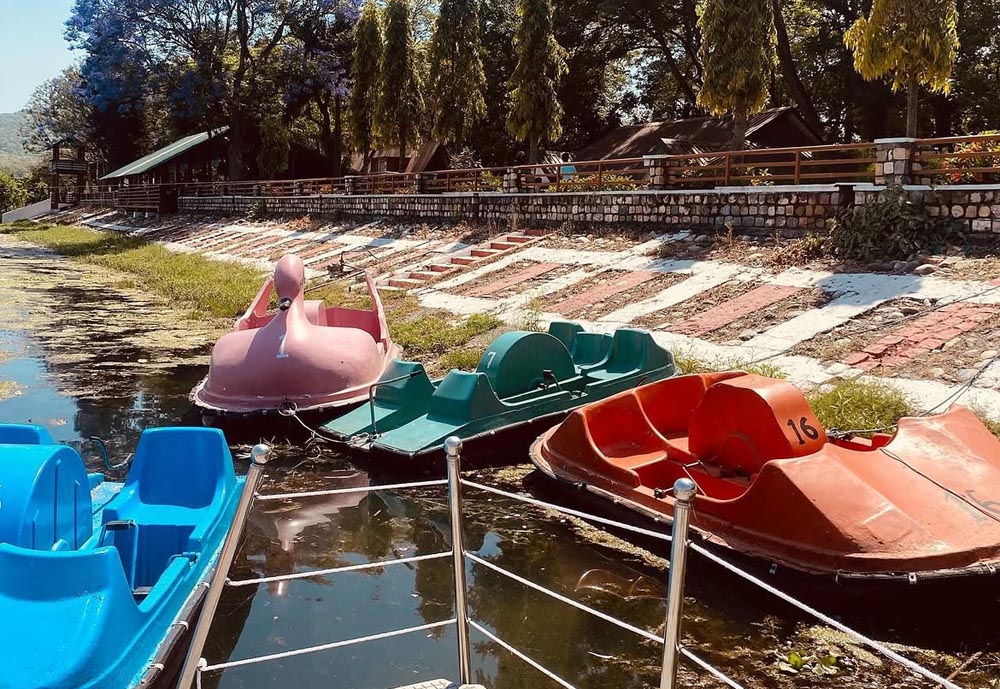
Asan Barrage has also been associated with boating and water-based recreational activities. Tourism sources have historically described facilities for boating and other water sports in the area.
However, visitors should not assume that every activity is available every day or throughout the year. Water levels, weather conditions, conservation requirements and local operational arrangements can affect what is permitted.
For many travellers, boating is an optional experience rather than the primary reason to visit. The real attraction remains the wetland landscape and birdlife. If boating is operating during your visit, it can provide a different perspective of the reservoir, but visitors should always follow local instructions and designated routes.
Photography at Asan Barrage
Asan Barrage is an excellent destination for nature and landscape photography. The combination of open water, birds, vegetation, reflections and distant hills creates a wide range of subjects.
Bird photography is particularly rewarding during migration season. Ducks swimming in formation, birds taking flight from the water and large groups resting along the shoreline can produce dramatic images.
Landscape photographers can concentrate on reflections, sunrise and sunset, while casual travellers can capture family photographs against the water and surrounding greenery.
The best results generally come from visiting during softer morning or evening light rather than the harsh midday sun. A zoom or telephoto lens is useful for birds, while a standard lens can work well for landscapes.
Best Time to Visit Asan Barrage
The ideal time depends on what you want to see.
For migratory birds, October to March or early April is generally the most rewarding period. November through February is particularly attractive for visitors hoping to see large numbers of wintering waterfowl. Sources also identify October to December and mid-March to late April as particularly favourable periods for birdwatching.
Summer can be warmer, but the wetland remains interesting for people who enjoy landscapes and local birdlife. May through September may also provide opportunities to see species such as painted storks and openbills.
The monsoon months bring a different appearance to the landscape, with surrounding vegetation becoming greener. However, heavy rainfall can affect road conditions and outdoor plans.
For the most comfortable combination of weather, scenery and birdwatching, the cooler months are generally the safest choice.
Timings and Practical Information
Published tourism information lists visiting hours around 9:00 AM to 5:00 PM, although timings can vary depending on the specific area, conservation-zone access and local management.
Because the site is a wetland and conservation-sensitive destination, visitors should check current local arrangements before travelling, particularly if they are planning a specialised activity such as boating.
There may also be differences between access to the general barrage area, conservation reserve sections and nearby private or tourism facilities. It is therefore better to treat published timings as a guide rather than assume that every part of the wider area follows identical hours.
How to Reach Asan Barrage
Road travel is the most convenient way to reach Asan Barrage. From Dehradun, visitors generally travel toward Vikasnagar and then continue toward the barrage and the Paonta Sahib side of the region. The attraction is connected to the wider road network linking Uttarakhand with Himachal Pradesh.
The nearest major railway station is Dehradun Railway Station, while the nearest airport is Jolly Grant Airport in Dehradun. Incredible India identifies Jolly Grant Airport and Dehradun Railway Station as the principal nearby transport points.
Travellers coming from Himachal Pradesh, Haryana, Punjab or Chandigarh may also find the western approach convenient, depending on their itinerary.
Because the destination is outside central Dehradun, having a private vehicle or arranging a taxi can make the visit easier, especially if you want to combine Asan Barrage with other attractions in western Dehradun.
Places to Visit Near Asan Barrage
One of the advantages of visiting Asan Barrage is that it can be combined with several other attractions. Dakpathar is particularly relevant because it is located in the same western Dehradun region and offers another scenic water-and-river landscape.
Vikasnagar and the surrounding Doon Valley countryside can also be explored during the same trip. Travellers with more time may extend their journey toward Kalsi and the Himalayan foothills.
For visitors returning toward Dehradun city, attractions such as the Forest Research Institute, Robber’s Cave, Sahastradhara and other well-known Dehradun destinations can be incorporated into a longer itinerary. Uttarakhand Tourism’s own planning documents include Asan Barrage as part of broader regional travel circuits.
Is Asan Barrage Suitable for Families?
Yes, Asan Barrage can be a pleasant family destination, particularly for families interested in nature. Children can observe birds, water, trees and the surrounding landscape while learning about wetlands and migration.
However, parents should keep children under supervision near the water and avoid allowing them to wander into restricted or environmentally sensitive areas. The site is more enjoyable when treated as a nature destination rather than simply as a conventional picnic ground.
Families who visit during winter should carry warm clothing, especially for morning visits.
Responsible Tourism at Asan Barrage
The ecological significance of Asan Barrage means that responsible tourism is especially important. Visitors should avoid throwing plastic or food waste into the surroundings and should use designated waste-disposal facilities wherever available.
Feeding wild birds may seem harmless, but it can interfere with natural feeding behaviour and potentially affect the health of wildlife. Loud music, shouting and attempting to get unusually close to birds can also disturb the wetland.
Photography should be conducted responsibly. Visitors should never chase birds for a better photograph or enter restricted areas merely to obtain a closer shot.
The simplest principle is to leave the wetland as you found it. A clean, quiet and undisturbed environment benefits both wildlife and future visitors.
Why Asan Barrage Deserves a Place on a Dehradun Itinerary
Asan Barrage is different from many of Dehradun’s more familiar tourist attractions. It does not depend on elaborate architecture, amusement facilities or crowded markets. Its appeal comes from the interaction between water, landscape and wildlife.
The site also tells an interesting story about how infrastructure can evolve into an ecological asset. Built as a water-management structure in the 1960s, the barrage eventually became a major wetland habitat, a conservation reserve and an internationally recognised Ramsar site.
For birdwatchers, it offers the excitement of seasonal migration. For photographers, it provides water, birds, reflections and landscapes. For families, it offers an opportunity to spend time outdoors. For travellers simply looking for a quiet break from Dehradun’s busy streets, it provides a slower and more peaceful experience.
Perhaps the most memorable aspect of Asan Barrage is that the experience changes with the season. A winter visit may reveal hundreds of migratory waterbirds, while another season can bring a greener landscape and different bird species. Even the same shoreline can look completely different under morning mist, afternoon sunlight or a dramatic monsoon sky.
Final Thoughts
Asan Barrage is one of the most fascinating nature destinations around Dehradun, Uttarakhand, particularly for travellers who appreciate birds, wetlands and peaceful landscapes. What began as an important water-management project has developed into a destination with substantial ecological and tourism value.
Its location near the Uttarakhand-Himachal Pradesh border, its association with the Asan River and Yamuna system, its rich birdlife and its status as a Ramsar wetland make it much more significant than an ordinary picnic spot. During the migration season, the arrival of waterfowl transforms the reservoir into a lively natural spectacle, while the surrounding scenery provides a tranquil setting for photography and relaxation.
Whether you spend two hours watching birds, photograph the changing colours of the water, take a leisurely walk around permitted areas or simply sit quietly and enjoy the landscape, Asan Barrage offers a refreshing alternative to conventional sightseeing.
For anyone planning a Dehradun trip, particularly between autumn and early spring, Asan Barrage deserves serious consideration. It is a place where engineering meets ecology, migration meets the Himalayas, and a man-made reservoir has become a living sanctuary for wildlife.

