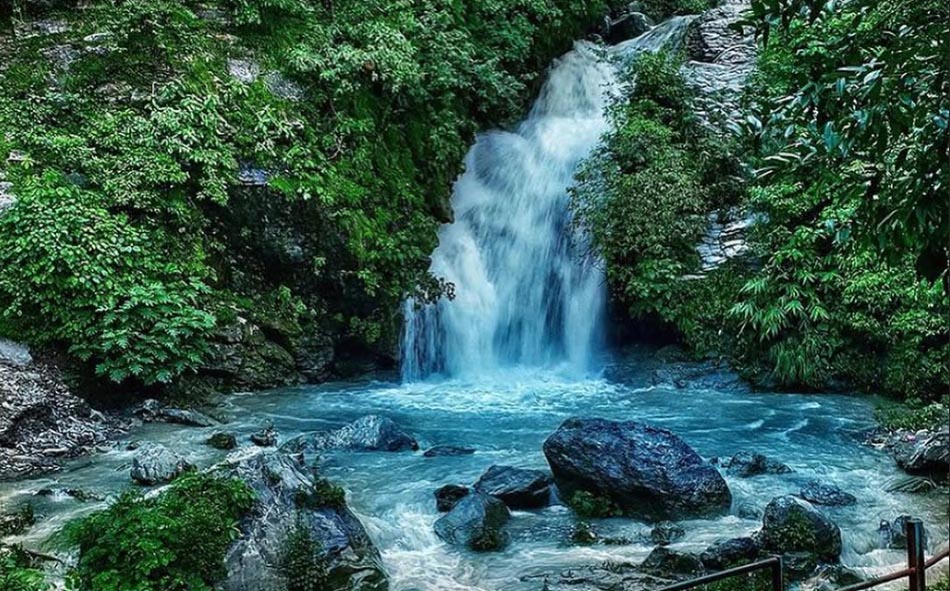
Tucked away in the green foothills of the Himalayas near Dehradun, Uttarakhand, Shikhar Fall is the kind of destination that rewards travelers who enjoy experiences rather than simply collecting tourist attractions. Surrounded by forest, rocky trails and the sounds of flowing mountain water, this waterfall offers a refreshing break from the busy streets of Dehradun. Its relatively short approach makes it especially attractive to people looking for a quick nature outing without committing to a long mountain trek.
Located around Kairwaan Village on the Rajpur side of Dehradun, Shikhar Fall has become a popular destination for local residents, photographers, families, students, couples and trekking enthusiasts. Despite its growing popularity, the area retains a relatively natural character, and the journey to the waterfall is almost as enjoyable as the destination itself.
Where Is Shikhar Fall?
Shikhar Fall is situated near Kairwaan Village in the Rajpur area of Dehradun district, Uttarakhand. It lies in the forested foothills beyond the more developed parts of the city, making it feel considerably more remote than its actual distance from Dehradun suggests. The waterfall is commonly described as being roughly 13–14 kilometres from central Dehradun, although the exact distance depends on the starting point and route taken.
The waterfall is associated with the upper catchment of the Rispana River. The Rispana originates in the hills around the Mussoorie ridge before descending toward the Doon Valley. A short trek through the surrounding landscape eventually brings visitors to the waterfall and its rocky stream environment.
The location is one of Shikhar Fall’s greatest attractions. Visitors can leave the urban environment of Dehradun and, within a relatively short journey, find themselves walking beside forest vegetation and mountain streams.
What Makes Shikhar Fall Special?
Many waterfalls require a lengthy journey into remote mountain regions. Shikhar Fall is different. One of its strongest advantages is that it provides an outdoor experience relatively close to Dehradun while still retaining the atmosphere of a forest destination.
The appeal is not limited to the waterfall itself. The route includes walking trails, rocks, shallow streams, vegetation and changing views of the surrounding foothills. The sound of flowing water gradually becomes more noticeable as visitors approach the falls, creating a sense of anticipation.
The surrounding vegetation also makes the location attractive for nature lovers. Various sources describe bird and butterfly activity around the waterfall, and the forested surroundings provide a pleasant setting for photography and quiet observation.
For many visitors, Shikhar Fall is therefore less about seeing an enormous waterfall and more about experiencing a small slice of the Himalayan foothills.
The Journey to Shikhar Fall
The approach to Shikhar Fall is an important part of the experience. Depending on the route and starting point, visitors generally travel toward Rajpur and Kairwaan Village before continuing on foot. One documented route describes the journey from Rajpur toward Shahanshahi Ashram, followed by a walk toward Makreti Gaon and then a shorter trek toward the waterfall.
The final section is not a conventional paved tourist walkway. Instead, travelers encounter uneven ground, rocky sections and natural trails. Earlier descriptions of the route characterize the final trek as relatively easy, although other visitor guides describe the terrain as moderately challenging. This difference is understandable because trail conditions can change considerably according to weather, water flow and recent rainfall.
The trek is consequently best approached as a short nature hike rather than as a completely effortless walk.
Good footwear is particularly important. Ordinary sandals or smooth-soled shoes can become uncomfortable or unsafe on wet rocks. During and immediately after rainfall, sections of the trail can become muddy and slippery.
Shikhar Fall and the Rispana River
The waterfall’s connection with the Rispana river system adds another interesting dimension to the landscape. The Rispana rises in the hills above the Doon Valley and eventually makes its way toward Dehradun. A travel account of the Shikhar Falls trek describes the waterfall as part of the Rispana’s upper drainage system and notes that the river enters the Doon Valley farther downstream.
This means that a visit to Shikhar Fall can provide an opportunity to understand the relationship between the surrounding hills and Dehradun’s valley landscape. What may look like a small mountain stream at the waterfall becomes part of a much larger river system as it travels toward the plains.
The water environment also changes with the seasons. Rainfall can dramatically increase the flow, while drier periods may produce a gentler stream. This seasonal character is one reason why the same waterfall can look quite different on different visits.
The Natural Landscape Around the Waterfall
The environment surrounding Shikhar Fall combines forest, rocks, flowing water and the lower Himalayan foothills. During greener months, vegetation spreads across the landscape and gives the area a particularly refreshing appearance.
The forest is also responsible for much of the atmosphere. Instead of hearing traffic and city sounds, visitors can often hear birds, insects, wind moving through vegetation and the continuous movement of water.
This makes the destination particularly appealing to photographers. The combination of water, rocks, trees and natural light offers numerous opportunities for landscape photography. Close-up photographs of flowing water can also produce attractive compositions, particularly after rainfall when the stream becomes more energetic.
However, photographers should avoid climbing onto unstable rocks simply to obtain a better viewpoint. A visually impressive photograph is never worth the risk of falling on wet terrain.
Best Time to Visit Shikhar Fall
Choosing the right season can significantly affect the Shikhar Fall experience.
The monsoon season generally brings more water to the streams and makes the surrounding landscape intensely green. The waterfall can therefore appear more dramatic during and after periods of rain. At the same time, this is when the trail can become most slippery and difficult. Sudden increases in water flow are another reason to exercise caution around streams.
The post-monsoon period, particularly September through November, can offer an appealing balance between greenery, pleasant weather and flowing water. Some travel sources specifically identify the post-monsoon months as among the best periods to experience the waterfall.
Spring and early summer can also be enjoyable. The weather is generally suitable for outdoor activities, and the waterfall provides a naturally cooler environment than many parts of the city. Early morning visits during warmer months are particularly pleasant.
Winter can bring cooler temperatures and a quieter atmosphere. Water flow may vary depending on rainfall and local conditions, but the surrounding scenery remains attractive.
For a first visit, September to November or the pleasant spring months can be particularly appealing. Travelers primarily interested in maximum greenery and stronger water flow may prefer the rainy or immediate post-rain period, while those prioritizing easier walking should consider drier weather.
Shikhar Fall Timings and Entry Fee
One point that can cause confusion is the question of official opening hours. Several travel sources describe Shikhar Fall as having no strict formal visiting hours, while recommending that visitors arrive during daylight and leave before darkness. Other travel guides suggest a practical visiting window of approximately morning through late afternoon.
For safety, daylight hours are the sensible choice. The surrounding terrain is forested and uneven, and there is limited lighting along natural trails.
Shikhar Fall is generally described as having no entry fee. However, visitors should still carry some cash because small local refreshment stalls or other services may be available around the approach depending on the season.
Because conditions and local arrangements can change, it is wise to confirm current access conditions locally before making a special trip.
How to Reach Shikhar Fall
For travelers arriving in Dehradun, the most convenient approach is by road toward Rajpur and then onward toward the villages and trailhead associated with Shikhar Fall.
One documented route starts from Dehradun’s Clock Tower, continues toward Rajpur Village and then proceeds toward Shahanshahi Ashram. From there, travelers walk toward Makreti Gaon before undertaking the final section toward the falls. The same route describes approximately 700 metres of walking between Shahanshahi Ashram and Makreti Gaon, followed by around 500 metres of trekking to the waterfall.
Other modern travel guides describe the final walking distance more broadly, with the exact distance varying according to where visitors leave their vehicle and the trail conditions.
Private cars, taxis and local transport can be used for the road portion. Visitors should not expect the entire route to be accessible by vehicle. The final approach is fundamentally a walking experience.
The nearest major transportation hub is Dehradun. The city is connected by road and rail with other parts of northern India, while Jolly Grant Airport provides air connectivity. From Dehradun, visitors can arrange a taxi or other local transport toward Rajpur and Kairwaan.
What to Do at Shikhar Fall
The most obvious activity is simply enjoying the waterfall. Sitting beside flowing water, listening to the stream and taking in the surrounding greenery can be surprisingly relaxing.
Short trekking is another major attraction. The route is manageable for many reasonably active travelers and provides a taste of Himalayan hiking without requiring a multi-day expedition.
Photography is especially popular. The waterfall itself provides the obvious subject, but the surrounding forest, stream, rocks, village landscape and trail can all be incorporated into photographs.
A picnic is also possible, and Shikhar Fall is frequently described as a picnic destination. However, visitors should remember that a natural environment can quickly deteriorate when large groups leave behind plastic, food packaging or disposable containers. A responsible picnic should involve carrying all waste back out.
Birdwatching and nature observation can also make the visit more rewarding. Instead of rushing directly toward the waterfall, travelers can slow down and pay attention to the sounds and movement of the forest.
Is Shikhar Fall Suitable for Families?
Shikhar Fall can be suitable for families with older children who are comfortable walking on uneven terrain. The relatively short trek makes it more accessible than many serious mountain trails.
However, parents should supervise children carefully around the stream and waterfall. Wet rocks can be deceptively slippery, and natural pools should not automatically be assumed to be safe for swimming.
Elderly travelers or anyone with significant difficulty walking should consider the terrain before visiting. The route is not wheelchair-friendly, and the final trail does not have the infrastructure associated with an organized tourist park.
Safety Tips for Visiting Shikhar Fall
Safety deserves particular attention because the natural character that makes Shikhar Fall attractive also creates potential hazards.
The first rule is to wear footwear with good grip. The combination of loose stones, uneven ground, mud and water can make the trail difficult in unsuitable shoes.
Visitors should be particularly careful during the monsoon. Heavy rainfall can transform a normally manageable stream into a stronger current, while wet rocks become significantly more slippery. It is better to postpone the trek during severe weather than to attempt it simply because the waterfall may look more dramatic.
Do not climb directly beneath unstable sections of rock or stand immediately beside fast-moving water. Similarly, avoid venturing into unfamiliar forest paths simply to find an isolated viewpoint.
Another important rule is to return before darkness. Natural trails can be difficult to navigate after sunset, and the absence of adequate lighting makes an evening return unnecessarily risky. Several visitor guides specifically recommend completing the outing during daylight.
Carry drinking water, basic snacks and a small first-aid kit. A rain jacket can also be useful, especially during unpredictable mountain weather.
Responsible Tourism at Shikhar Fall
As destinations such as Shikhar Fall become increasingly popular, responsible tourism becomes more important. The area’s appeal depends largely on its natural environment, so protecting that environment should be part of every visit.
Avoid throwing plastic bottles, wrappers or food waste along the trail. Do not damage vegetation or carve names into rocks and trees. Loud music should also be avoided because it disrupts the peaceful atmosphere and affects wildlife.
Visitors should be especially conscious of the fact that the waterfall forms part of a natural river system. Soap, shampoo and other chemicals should never be introduced into the water.
Supporting small local vendors where appropriate can also contribute to the local economy, but travelers should still minimize disposable packaging and carry their waste out.
Places to Visit Near Shikhar Fall
One advantage of visiting Shikhar Fall is its location near several other attractions in and around Dehradun. Travelers can combine the waterfall with places such as Robber’s Cave, Sahastradhara, Tapkeshwar Temple and other attractions around the city.
Rajpur itself can be incorporated into a broader itinerary, while Mussoorie is another major destination accessible from the Dehradun side. Visitors interested in nature can turn a simple waterfall excursion into a full-day exploration of the Doon Valley and its surrounding foothills.
However, it is worth resisting the temptation to pack too many destinations into one day. Shikhar Fall is best enjoyed at an unhurried pace. Allowing time for the trek, photography and simply sitting near the water can make the experience more memorable.
Why Shikhar Fall Is Worth Visiting
Shikhar Fall does not necessarily compete with India’s enormous, spectacular waterfalls in terms of sheer scale. Its attraction lies elsewhere. It offers accessibility, greenery, a short trek and the opportunity to experience a natural water environment without traveling deep into the mountains.
The journey from Dehradun is short enough for a half-day outing, yet the forest surroundings create a sense of separation from the city. That combination is perhaps the waterfall’s greatest strength.
For adventure lovers, it provides an easy introduction to trekking. For photographers, it offers natural compositions. For families and groups of friends, it can become a pleasant picnic destination. For travelers simply seeking quiet, the sound of falling water and the surrounding greenery offer a welcome change from urban life.
Final Thoughts
Shikhar Fall is a reminder that some of the most enjoyable travel experiences do not require elaborate itineraries. A relatively short drive from Dehradun, followed by a walk through the foothills, can lead to a peaceful waterfall surrounded by forest and mountain scenery.
Its charm comes from the combination of accessibility and natural character. The waterfall, the Rispana-associated stream system, the surrounding vegetation and the short trekking route create an experience that feels considerably more adventurous than a conventional city excursion.
The best way to experience Shikhar Fall is to arrive during daylight, wear proper trekking shoes, allow enough time to explore without rushing and treat the landscape with care. Visit after the monsoon if you want lush scenery and stronger water flow, or choose a drier and milder period if comfortable trekking conditions are more important. Ultimately, Shikhar Fall is less about checking off another tourist attraction and more about spending a few hours immersed in the quieter side of the Doon Valley. For anyone visiting Dehradun who wants to combine nature, a little adventure and a refreshing escape from the city, this forest waterfall deserves a place on the itinerary.

