• Nestled in the peaceful surroundings of Clement Town in Dehradun, Uttarakhand, Mindrolling Monastery is one of the most remarkable Buddhist landmarks in northern India. With its brilliant Tibetan architecture, enormous Great Stupa, beautifully landscaped gardens, intricate murals, prayer wheels and serene atmosphere, the monastery attracts spiritual seekers, history enthusiasts, architecture lovers and travellers from around the world. More than a sightseeing destination, however, Mindrolling is a living centre of Tibetan Buddhist learning and practice, carrying forward a centuries-old spiritual lineage.

    The monastery is particularly significant because it represents the Nyingma tradition, the oldest of the four major schools of Tibetan Buddhism. Its story stretches back to 17th-century Tibet and continues today in India after the displacement of Tibetan religious communities following the events of 1959. The modern monastery in Dehradun therefore represents not only religious devotion but also the preservation of Tibetan culture, scholarship, art and traditions.

    The Meaning and Origins of Mindrolling Monastery

    The name Mindrolling is associated with the idea of a “place of perfect emancipation,” reflecting the monastery’s spiritual purpose. The original Mindrolling Monastery was established in 1676 in the Drachi Valley of Central Tibet by the great Nyingma master Terdag Lingpa, also known as Rigzin Terdak Lingpa. It became one of the important centres of study and practice within the Nyingma school and developed a distinguished reputation for Buddhist philosophy, ritual practice and scholarship.

    Mindrolling was one of the major monasteries associated with the Nyingma tradition and became an important centre for the transmission of Vajrayana Buddhist teachings. The institution developed a broad intellectual and spiritual curriculum, helping preserve Buddhist scriptures, rituals, artistic traditions and other forms of Tibetan knowledge. Its influence extended well beyond the monastery itself, attracting practitioners and scholars from different parts of Tibet.

    The history of Mindrolling cannot be separated from the wider history of Tibetan Buddhism. The Nyingma school traces its spiritual roots to the introduction of Buddhism into Tibet, particularly the teachings associated with the Indian master Padmasambhava. Among the teachings especially associated with the Nyingma tradition are the profound Dzogchen teachings, which focus on recognizing the nature of mind and attaining spiritual realization.

    From Tibet to India

    The modern history of Mindrolling is closely connected with the Tibetan exile that followed the upheavals of 1959. Tibetan religious leaders and monks were forced to leave their homeland, and many sought to preserve their religious traditions by establishing monasteries and educational institutions in India.

    The Mindrolling lineage was among those that continued this work in exile. According to the monastery’s own history, the official enthronement of the XIth Mindrolling Trichen took place in 1962, and in 1976 he was able to establish the official monastic seat of Mindrolling in exile. The process of rebuilding, however, had begun earlier. In 1965, His Eminence Khochhen Rinpoche and a small group of monks began establishing Mindrolling in Dehradun.

    Recreating a major monastery in a new country was a tremendous undertaking. The early community had to develop the physical infrastructure of the monastery while simultaneously rebuilding its educational and religious institutions. Over the decades, the Dehradun centre expanded from a modest settlement into a major Buddhist complex.

    Today, the monastery stands as an example of how Tibetan religious traditions survived and adapted in exile. Its importance consequently extends beyond the physical buildings. It is a place where generations of monks have continued to study Buddhist philosophy, conduct religious practices and preserve aspects of Tibetan cultural heritage.

    Location of Mindrolling Monastery

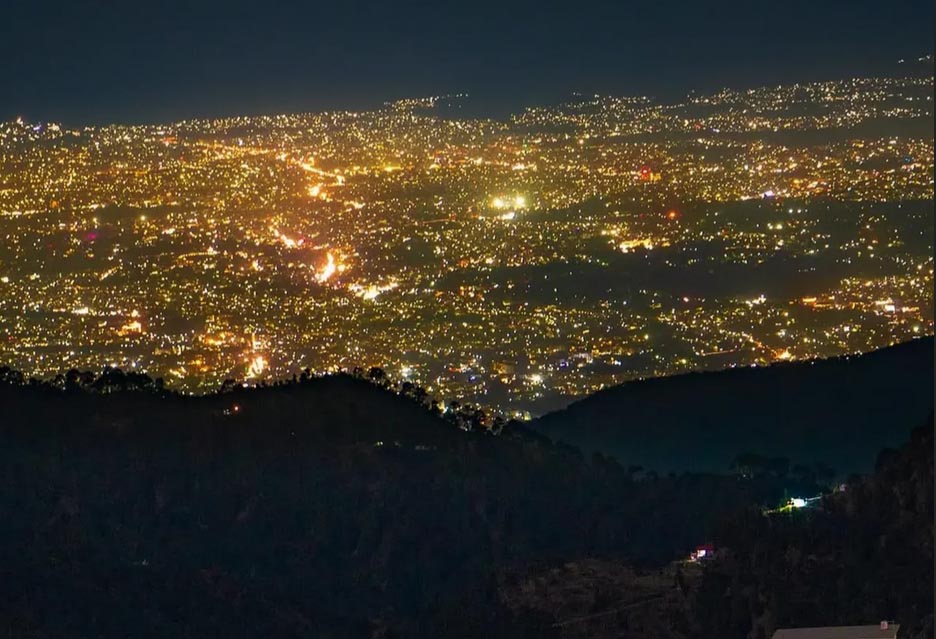
    Mindrolling Monastery is situated in Clement Town, in the Dehradun district of Uttarakhand. Dehradun itself lies in the Doon Valley, surrounded by the Himalayan foothills, making it a natural setting for a monastery associated with Tibetan Buddhist traditions.

    The monastery’s location in Clement Town is particularly significant because it is closely connected with the Tibetan refugee community in the area. The monastery’s own account describes the relationship between Mindrolling and the neighbouring Tibetan Refugee Colony as an important part of community life.

    For travellers arriving in Dehradun, the monastery is relatively accessible compared with many remote Himalayan monasteries. Dehradun Railway Station provides an important rail connection, while Jolly Grant Airport serves the region. The Uttarakhand tourism portal also identifies Dehradun Railway Station and Jolly Grant Airport as the principal transport points for reaching the monastery.

    The Great Stupa

    The most recognisable feature of Mindrolling Monastery is undoubtedly the magnificent Great Stupa. Rising dramatically above the surrounding complex, it has become one of Dehradun’s most distinctive landmarks.

    The Great Stupa was inaugurated in October 2002 and was conceived as a monument dedicated to world peace and the benefit of all beings. The monastery’s official website describes it as containing several shrine rooms, while the surrounding grounds include large prayer wheels.

    Different tourism sources give slightly different measurements for the structure, generally placing its height at roughly 60 metres or more than 185 feet. Incredible India describes it as more than 200 feet tall, while other tourism references commonly give a figure of approximately 185 feet. Because published measurements vary, it is best to regard the Great Stupa as approximately 60 metres high rather than relying on a single figure.

    Beyond its impressive scale, the Great Stupa is a sacred architectural space. Visitors encounter shrine rooms, Buddhist imagery and religious symbolism within the complex. Its design demonstrates how Tibetan Buddhist architecture uses physical structures to communicate spiritual concepts.

    The stupa is surrounded by an atmosphere of quiet contemplation. Visitors can walk around the structure, observe the prayer wheels and appreciate the elaborate details without necessarily participating in formal religious activities. For many people, simply spending time around the stupa provides an opportunity to slow down and experience the peaceful character of the monastery.

    The Buddha Statue

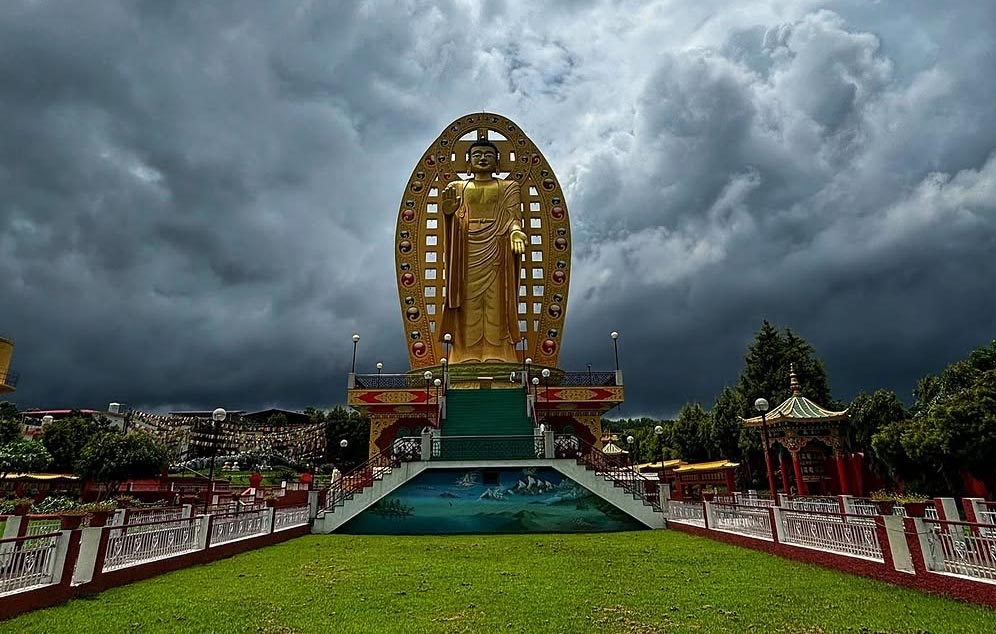
    Another major attraction is the enormous golden statue of Buddha associated with the monastery complex. The statue of Shakyamuni Buddha creates an imposing visual presence and is one of the most photographed features of Mindrolling.

    Tourism sources commonly describe the statue as approximately 35 metres, or around 115 feet, high. Incredible India, meanwhile, describes a colossal Buddha statue of approximately 130 feet within the upper part of the temple complex.

    Regardless of the minor differences in published measurements, its scale is extraordinary. The statue is especially striking when viewed against the relatively low-rise surroundings of Clement Town and the distant Himalayan landscape.

    The Buddha image is not simply decorative. In Buddhist traditions, representations of the Buddha can function as objects of contemplation and reminders of the teachings. The visual grandeur of the statue therefore works together with the monastery’s broader spiritual purpose.

    Tibetan Buddhist Architecture

    One of the first things visitors notice at Mindrolling is its colourful and elaborate architecture. Tibetan Buddhist buildings frequently combine vivid colours, symbolic motifs, sculptural details and religious imagery, and Mindrolling provides an impressive example of this artistic tradition.

    The monastery’s temple complex contains intricate murals, statues and decorative details. Incredible India notes the presence of vibrant murals depicting episodes from the life of Buddha and describes a blend of Tibetan spiritual elements with Japanese architectural influences.

    The colours and patterns found throughout the complex are not merely intended to make the buildings attractive. Buddhist art frequently uses visual symbols to communicate teachings and ideas that might otherwise be difficult to express. Images of Buddhas, bodhisattvas, protective deities and teachers can serve as aids to contemplation and religious instruction.

    For photographers and architecture enthusiasts, the monastery offers an abundance of visual details. Ornamental gates, painted walls, statues, prayer wheels, landscaped spaces and the towering stupa create a distinctive visual identity.

    Murals, Shrine Rooms and Religious Art

    Inside the monastery, visitors can encounter elaborate Buddhist artwork, including murals and statues. The interior spaces are particularly valuable for understanding the artistic traditions associated with Tibetan Buddhism.

    The temple complex is spread across multiple levels, with shrine rooms and religious imagery occupying different areas. Incredible India describes five floors, with the first three featuring ornate golden wall paintings and upper levels offering views toward the surrounding valley.

    The monastery’s Great Stupa also contains dedicated shrine rooms, including spaces associated with Buddha Shakyamuni, Padmasambhava and the Four Immeasurables. The monastery’s official website identifies these as significant components of the Great Stupa complex.

    Visitors should remember that these are functioning religious spaces rather than museum exhibits. The artwork and statues remain part of an active spiritual environment, and respectful behaviour is therefore important.

    Prayer Wheels and Buddhist Practice

    Prayer wheels are another characteristic feature of Mindrolling. These cylindrical objects are traditionally inscribed with sacred mantras and are rotated as part of Buddhist devotional practice.

    The monastery grounds contain several large prayer wheels around the Great Stupa. Visitors may see monks and laypeople engaging with these features as part of their spiritual practice.

    For someone unfamiliar with Tibetan Buddhism, prayer wheels can initially appear to be simply decorative objects. In reality, they form part of a broader tradition in which physical actions, recitation, visualisation and meditation can be combined as methods of cultivating compassion and spiritual awareness.

    Observing these practices can give visitors a deeper appreciation of the fact that Mindrolling is not merely a tourist monument. It continues to function as a religious institution where Buddhist traditions are actively practised.

    Ngagyur Nyingma College

    One of the most important aspects of Mindrolling is its educational role. The monastery is home to the Ngagyur Nyingma Institute, also referred to as Ngagyur Nyingma College, which provides advanced Buddhist education.

    The institution is dedicated to studying and practising the teachings of Buddha according to the Nyingma lineage. The monastery’s official overview explains that the college teaches Buddhist philosophy and that its library houses commentaries by Indian and Tibetan masters on Buddhist teachings.

    This educational dimension makes Mindrolling particularly important. Many visitors may come primarily to admire the architecture or Great Stupa, but behind the tourist-facing appearance is a functioning scholarly institution.

    The preservation of religious texts, philosophical commentaries and traditional knowledge is especially significant in the context of Tibetan Buddhism in exile. Institutions such as Mindrolling help ensure that teachings can continue to be transmitted to new generations rather than becoming merely historical traditions.

    Mindrolling as a Centre of Tibetan Culture

    The monastery also plays an important cultural role. Tibetan Buddhist monasteries traditionally serve several functions at once: they are places of worship, education, artistic production, community gathering and preservation of cultural knowledge.

    Mindrolling’s connection with Clement Town’s Tibetan community reinforces this role. The monastery’s campus includes facilities connected with the neighbouring community, and the official website describes classrooms and dormitories associated with schools for young monks.

    This relationship between monastery and community makes a visit particularly meaningful. Visitors are not simply entering an isolated monument but encountering a living cultural environment shaped by migration, religious continuity and adaptation.

    Gardens and the Peaceful Atmosphere

    Although the Great Stupa and Buddha statue are the most dramatic attractions, the monastery’s landscaped surroundings contribute greatly to its appeal. Carefully maintained gardens, open spaces and quieter corners create an atmosphere that contrasts with the movement and noise of urban Dehradun.

    For many visitors, the peaceful environment is one of the main reasons to spend time at Mindrolling. Even those who do not have a particular interest in Buddhism can appreciate the opportunity to sit quietly, observe the architecture and enjoy the surrounding greenery.

    The experience is particularly different from conventional tourist attractions. There is no need to rush from one monument to another. The monastery encourages a slower pace, making it suitable for contemplation and quiet observation.

    Best Time to Visit

    Dehradun can be visited throughout much of the year, but the most comfortable periods for sightseeing are generally the cooler months. Autumn, winter and early spring can be especially pleasant for visitors who want to explore the monastery and other attractions around Dehradun.

    The monsoon season can bring substantial rainfall to the region, so travellers visiting during this period should be prepared for wet weather.

    Because Mindrolling is an active religious institution, visitors should also check the monastery’s official visitor information before travelling. The monastery states that visits to the Great Stupa do not require advance arrangements and that the stupa is open every day from 9:00 AM. Visitors planning overnight stays or extended visits for other purposes are asked to contact the monastery in advance.

    What Visitors Should Expect

    Mindrolling Monastery is best approached as a sacred and educational institution rather than simply a tourist attraction. Visitors should maintain a respectful and relatively quiet manner, particularly near prayer halls, shrine rooms and monks engaged in religious activities.

    Modest clothing is appropriate, and visitors should be attentive to any signs or instructions regarding photography. Religious ceremonies may be taking place, and travellers should avoid interrupting or obstructing them.

    The monastery can appeal to very different types of travellers. Spiritual visitors may appreciate its contemplative environment, history lovers can explore its connection with Tibet, architecture enthusiasts can study its artistic details, and photographers can find numerous striking subjects.

    Why Mindrolling Monastery Is Important

    The significance of Mindrolling lies in the combination of history, religion, education, architecture and cultural preservation. Its story begins in 17th-century Tibet but continues in modern India. It demonstrates how a religious institution can survive profound historical change while maintaining its identity.

    The monastery’s continuation in Dehradun is also a reminder of the importance of cultural preservation in exile. Tibetan Buddhist traditions faced enormous disruption during the 20th century, yet institutions such as Mindrolling helped maintain religious education, texts, artistic traditions and monastic practices.

    Its educational institutions make the monastery more than a beautiful architectural landmark. Monks continue to study and practise Buddhist teachings, while the monastery’s library, shrine rooms and religious ceremonies contribute to the continuation of a living tradition.

    Mindrolling Monastery as a Dehradun Attraction

    For travellers exploring Dehradun, Mindrolling can easily become one of the highlights of a broader sightseeing itinerary. The city and surrounding region offer a combination of natural landscapes, colonial-era history, religious sites and Himalayan culture.

    A visit to Mindrolling is particularly rewarding when travellers take time to appreciate the details rather than limiting themselves to photographs of the Great Stupa. Walking through the grounds, observing the prayer wheels, studying the murals and learning about the monastery’s history creates a much richer experience.

    The monastery also offers an interesting introduction to Tibetan Buddhist culture for visitors who have never previously visited a Tibetan Buddhist institution.

    Final Thoughts

    Mindrolling Monastery is much more than an impressive Buddhist monument in Dehradun. It is a story of survival, faith and cultural continuity. Founded in Tibet in 1676 and rebuilt in India following the Tibetan exile, it has grown into an important centre of Nyingma Buddhist learning and practice.

    Its Great Stupa dominates the skyline, its Buddha statue provides an unforgettable visual landmark, and its murals, shrine rooms and prayer wheels reveal the richness of Tibetan Buddhist artistic traditions. Yet perhaps its greatest significance lies behind these visible attractions: monks continue to study, practise and transmit teachings that have been passed down through generations.

    For travellers, Mindrolling offers a rare combination of spirituality, history, art and architecture. For the Tibetan Buddhist community, it represents something deeper—a living continuation of a lineage that survived displacement and found a new home in the Himalayan foothills of India.

    A visit to Mindrolling is therefore not simply an opportunity to see a magnificent monastery. It is an opportunity to encounter a living tradition and to understand how faith, education, art and community can preserve cultural identity across centuries and continents.
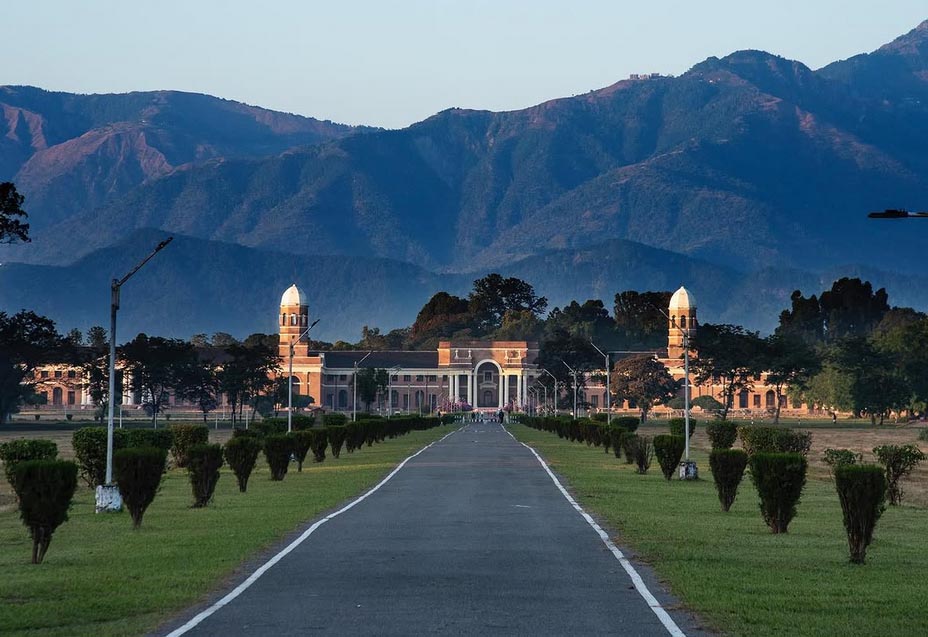
  • Nestled amid the green landscape of Dehradun in Uttarakhand, the Forest Research Institute (FRI) is far more than a beautiful colonial-era building. It is one of India’s most important centres for forestry research, education and scientific development, and its history is closely connected with the evolution of scientific forestry in the Indian subcontinent. Located against the backdrop of the Outer Himalayas, the institute combines research laboratories, educational facilities, museums, a vast library, experimental areas and an extraordinary architectural landmark within a large, tree-filled campus.

    Today, Forest Research Institute is associated not only with forestry professionals and researchers but also with tourism in Dehradun. Its imposing main building, extensive lawns, museums and distinctive architecture make it one of Uttarakhand’s best-known institutional landmarks. At the same time, behind its tourist appeal is a serious scientific institution working on subjects ranging from biodiversity and forest management to climate change, forest products, tree improvement, pathogens and environmental restoration.

    A Historic Beginning in 1906

    The story of the Forest Research Institute goes back to 1906, when the Imperial Forest Research Institute was established with the objective of organizing and leading forestry research. The establishment of the institute was part of the wider development of scientific forestry in India. Its history subsequently became intertwined with the development of organized forestry research and training throughout the Indian subcontinent.

    Dehradun already had an important connection with forestry education before FRI was established. A Forest School had been established in the city in 1878 for training forest rangers, while professional forestry education and training continued to develop in the region. The later establishment of FRI therefore strengthened Dehradun’s position as an important centre of forestry knowledge and professional training. After India’s independence, the institution evolved with the changing needs of the country’s forests. It came to be known as the Forest Research Institute and Colleges, reflecting its broader research and educational responsibilities. A major organizational change occurred in 1988, when FRI and its research centres were brought under the Indian Council of Forestry Research and Education, or ICFRE, under the Ministry of Environment, Forests and Climate Change, Government of India.

    This transition helped integrate the institute into India’s modern national forestry research and education framework while preserving its historical role.

    The Magnificent Architecture of FRI

    One of the most striking features of the Forest Research Institute is its monumental main building. Completed in 1929, the building combines Greco-Roman, colonial and Oriental architectural influences and has become an architectural symbol of Dehradun. The imposing structure, surrounded by extensive greenery and backed by the Outer Himalayas, gives the campus an atmosphere that is quite different from an ordinary educational institution.

    The scale of the building is particularly impressive. Official descriptions of FRI place the campus at roughly 450 to 500 hectares, depending on the institutional source and description, while the main building has an exceptionally large footprint. The extensive grounds include trees, experimental areas, gardens and other facilities associated with forestry research.

    The architecture is not simply an ornamental backdrop. It represents an important period in the institutional history of forestry in India. Walking around the campus, visitors can see how an early twentieth-century scientific institution was designed to combine laboratories, administrative spaces, academic functions and research facilities within a large natural setting.

    The red-brick appearance, monumental corridors, large arches, columns and carefully planned proportions contribute to the building’s heritage character. Its setting is equally important: instead of being surrounded by dense urban development, the main building sits within a remarkably green environment.

    FRI as a Centre of Forestry Research

    While the architecture attracts visitors, research remains the core purpose of the Forest Research Institute. FRI conducts research and educational activities covering many aspects of forestry and related sciences. Its geographical research jurisdiction includes Uttarakhand, Uttar Pradesh, Punjab, Haryana, Chandigarh and Delhi.

    The institute’s research agenda reflects the fact that forests are not simply collections of trees. Forest ecosystems involve soil, water, biodiversity, insects, microorganisms, climate, human communities and numerous natural products. Consequently, modern forestry research requires expertise across several scientific disciplines.

    FRI’s areas of research include biodiversity assessment and conservation, improvement of planting material, management of forest pathogens and insect pests, natural regeneration, invasive species management and sustainable forest management. It also works on environmental impact assessment, climate change and carbon sequestration, urban forestry, bioremediation, restoration of degraded forests, soil and water conservation, forest products and non-wood forest products.

    This wide-ranging research portfolio demonstrates how forestry has expanded beyond traditional timber production. Contemporary forestry increasingly focuses on maintaining ecosystem services, restoring damaged landscapes, adapting forests to climate change and finding sustainable ways to use forest resources.

    Education and Forestry Courses

    Another important role of FRI is education. The Forest Research Institute operates as a deemed university and offers postgraduate education and doctoral research in forestry and allied disciplines. According to ICFRE’s institutional information, the FRI Deemed University conducts four master’s degree programmes and Ph.D. programmes across numerous forestry-related disciplines.

    Its academic programmes are particularly relevant for students interested in forestry, wood science, environmental subjects, forest management and related scientific fields. The institute provides an environment where classroom learning can be connected with laboratories, field research and the broader practical requirements of forest management.

    The academic side of FRI is significant because India’s forests require professionals capable of understanding both ecological processes and human demands. Forest managers today must consider conservation, livelihoods, climate change, forest products, biodiversity, restoration and the needs of communities that depend on forests.

    The institute’s research environment also provides opportunities for doctoral scholars and scientists to work on specialized forestry questions. This connection between education and research is one of the characteristics that distinguishes FRI from a conventional tourist attraction.

    The Museums of Forest Research Institute

    For visitors, the museums are among the most interesting aspects of FRI. The institute has several specialized museum galleries that introduce the public to different dimensions of forestry. Official sources describe museums associated with subjects such as silviculture, forest pathology, timber, non-wood forest products and entomology, while FRI’s institutional materials also refer to a range of forestry-related displays.

    The Silviculture Museum is particularly useful for understanding how forests grow and how different systems of forest management have developed. Its displays cover subjects including forest evolution and genesis, threats to forests, tropical and temperate forests, silvicultural systems, ecosystem services and sustainable forest management. It also presents samples of seeds, roots and bark alongside models explaining forestry operations. The Entomology Museum focuses on insects associated with forests. According to the Ministry of Culture’s Directory of Museums in India, it contains around 3,000 exhibits representing different stages of insect pests and examples of the damage they cause. Such exhibits help visitors understand that insects can have a major influence on forest health. The Forest Pathology Museum focuses on diseases affecting trees and timber. It contains approximately 900 exhibits illustrating economically important tree diseases and timber decay. This provides an unusual perspective for visitors because it demonstrates that maintaining a healthy forest involves much more than planting trees.

    The Timber Museum introduces visitors to different types of commercial wood and their characteristics. Displays can help people understand the relationship between tree species, wood properties and the practical uses of timber.

    There are also displays related to non-wood forest products, an increasingly important area because forests provide far more than timber. Products derived from plants and other forest resources can contribute to livelihoods while, when properly managed, supporting sustainable resource use.

    The National Forest Library and Knowledge Resources

    Another important but less visible part of FRI is its library and information infrastructure. The National Forest Library and Information Centre has a significant collection of forestry-related material, including reference works, rare books and other literature. Earlier institutional material describes it as one of the major forest libraries in the country and notes its extensive collection of forestry and related publications.

    For researchers, such a collection is much more than a traditional library. Forestry research often requires access to historical records, scientific publications, technical reports and information about species, ecosystems and forest management practices. A specialized forestry library therefore acts as an important knowledge repository.

    The library also reflects the long history of FRI. Because the institution has existed for more than a century, its documentary resources can help researchers trace changes in forestry science, forest management and environmental thinking over generations.

    Laboratories, Herbarium and Experimental Facilities

    FRI’s research infrastructure extends beyond books and museums. The campus has laboratories, a herbarium, arboreta and experimental areas used for forestry research. These facilities allow researchers to study plants, forest products, diseases, genetics, soil and other components of forest ecosystems.

    A herbarium is particularly valuable to botanical and forestry research because preserved plant specimens provide references for identification and scientific study. Arboreta, meanwhile, can function as living collections of trees and woody plants, offering opportunities for observation, education and research.

    Experimental plots and field facilities are equally important. Forestry cannot be studied entirely inside laboratories because tree growth, regeneration, forest structure and ecological processes unfold over long periods and across landscapes. The combination of field and laboratory research therefore gives FRI a particularly broad scientific base.

    FRI and Environmental Challenges

    The importance of institutions such as FRI has increased as environmental challenges have become more complex. Forests are central to biodiversity conservation, watershed protection, carbon storage, climate regulation and the livelihoods of many communities.

    Climate change creates additional uncertainty for forests. Rising temperatures, changing rainfall patterns, extreme weather events, pests and forest fires can affect tree growth and forest health. FRI’s research areas include climate change and carbon sequestration, forest restoration, invasive species, biodiversity and environmental amelioration, making its work relevant to these contemporary challenges.

    The institute’s work on sustainable forest management is equally significant. Sustainable management attempts to balance ecological protection with appropriate use of forest resources. This is particularly important in a country where forests support both environmental functions and the livelihoods of communities.

    Research into non-wood forest products, forest-based materials and eco-friendly products can also contribute to reducing pressure on natural resources by identifying sustainable alternatives and improving the efficiency with which forest resources are utilized.

    FRI as a Tourist Attraction in Dehradun

    Although its primary purpose is scientific and educational, FRI has become an important attraction for visitors to Dehradun. The combination of monumental architecture, landscaped greenery, museums and Himalayan scenery makes it appealing to tourists, students, photographers and architecture enthusiasts.

    The Government of India’s Incredible India tourism portal lists the institute among Dehradun’s attractions and describes its museums, library, laboratories and herbarium. It also provides visitor information, including opening hours and admission details.

    The museum complex offers an educational experience that is different from a conventional sightseeing destination. Instead of merely looking at an old building, visitors can learn about trees, wood, insects, diseases, forest management and forest products.

    This makes FRI particularly suitable for families and students. Children may find the insect and timber displays interesting, while students of biology, environmental science, forestry and geography can gain a more practical understanding of topics that they might otherwise encounter only in textbooks.

    Location and How to Reach FRI

    The Forest Research Institute is situated in the New Forest area of Dehradun, Uttarakhand. Dehradun is one of the major gateways to the Garhwal Himalayas and is well connected with other parts of northern India.

    For air travellers, the nearest major airport is Jolly Grant Airport, while Dehradun Railway Station provides rail connectivity. The Government of India’s tourism information identifies both as the principal transport points for reaching the attraction.

    Because the institute is within Dehradun, visitors can combine a trip to FRI with other attractions in and around the city. Depending on the length of their stay, travellers may also explore destinations such as Rajaji National Park and other parts of the Doon Valley.

    Visitors should check the official FRI website before planning a trip because opening hours, entry rules, museum access and other visitor arrangements can change.

    Best Time to Visit

    Dehradun can be visited throughout much of the year, but the experience of exploring the expansive FRI campus can vary with the weather. The cooler months are generally comfortable for walking around the grounds and exploring the museums.

    The monsoon brings greenery to Uttarakhand and can make the campus particularly lush, although heavy rainfall may make outdoor exploration less convenient. Summer can be warmer, so visitors who want to spend considerable time walking around the grounds may prefer morning or later afternoon hours.

    Because FRI is both a working research institution and a tourist attraction, visitors should respect restricted areas, research facilities and institutional rules rather than treating the entire campus as an unrestricted sightseeing zone.

    Why Forest Research Institute Matters Today

    The lasting importance of FRI lies in the way it connects history, science, education and environmental stewardship. Its origins belong to the early twentieth century, but many of the questions it addresses remain extremely relevant today.

    How can forests be restored after degradation? How can native species be conserved? How can forests withstand changing climatic conditions? How can forest products be used sustainably? How can biodiversity be protected while communities continue to depend on forest resources? These are contemporary questions that require scientific research as well as practical experience.

    FRI’s institutional mandate specifically includes forestry research, education and extension aimed at scientific and sustainable management of forest resources. It also provides scientific advice and technical support to governments and other stakeholders and works on forest management, tree species, forest products and non-timber forest resources.

    Its importance therefore extends beyond Uttarakhand. Through its research and educational activities, FRI contributes to India’s broader forestry knowledge system and supports professionals who may eventually work in forest departments, research organizations, universities, environmental institutions and related sectors.

    A Unique Blend of Heritage and Science

    Perhaps the most fascinating aspect of the Forest Research Institute is the contrast between its appearance and its purpose. At first glance, the grand Greco-Roman-style building, enormous lawns and mature trees can make FRI seem primarily like a heritage destination. Yet beneath that visual appeal is a living scientific institution.

    Its museums preserve knowledge for the public, its laboratories support modern research, its library preserves generations of forestry literature, its academic programmes prepare new professionals, and its field facilities allow scientists to study forests in practical settings.

    For tourists visiting Dehradun, FRI offers a chance to experience one of Uttarakhand’s most distinctive architectural landmarks. For students, it provides an introduction to the many dimensions of forestry. For researchers, it represents a major centre of specialized knowledge. And for anyone interested in the environment, it provides a reminder that forests are complex ecosystems requiring scientific understanding and responsible management.

    Final Summary

    The Forest Research Institute, Dehradun, stands as one of Uttarakhand’s most remarkable combinations of heritage and scientific achievement. Established in 1906, it has witnessed more than a century of transformation in forestry research and education. Its magnificent 1929 main building, extensive green campus, specialized museums, library, laboratories, herbarium and research facilities collectively make it much more than an architectural landmark.

    Its greatest significance, however, lies in its continuing scientific mission. As India confronts climate change, biodiversity loss, forest degradation, invasive species and increasing pressure on natural resources, forestry research has become more important than ever. FRI’s work across forest management, biodiversity, tree improvement, climate change, restoration, forest products and environmental science places it at the intersection of India’s environmental past and future.

    For a traveller, FRI is a memorable Dehradun attraction. For a student, it is a window into the world of forestry. For a researcher, it is a long-established centre of knowledge. And for the wider public, it offers an opportunity to understand why forests matter and why protecting them requires both scientific research and responsible human action.

    In that sense, the Forest Research Institute is not simply a monument to India’s forestry history. It is a living institution where the legacy of the past continues to inform the science needed to protect the forests of the future.

  • Nestled amid the green surroundings of Dehradun in Uttarakhand, Tapkeshwar Temple is one of the region’s most fascinating and spiritually significant Shiva temples. Unlike many large and architecturally elaborate temples, Tapkeshwar Mahadev is distinctive because its principal shrine lies inside a natural cave, where water droplets continuously fall from the rock above onto the Shivling. This unusual natural phenomenon is at the heart of the temple’s identity and is also responsible for its name.

    For devotees, Tapkeshwar is an important pilgrimage destination dedicated to Lord Shiva. For travelers, it offers something more: a chance to experience spirituality, mythology, natural geology and the peaceful landscape of the Doon Valley in one place. The temple is situated only a few kilometers from central Dehradun, making it relatively easy to visit while exploring the city and surrounding attractions.

    Where Is Tapkeshwar Temple Located?

    Tapkeshwar Mahadev Temple is located in the Garhi Cantt area of Dehradun, Uttarakhand. The temple complex stands close to a seasonal river or stream and is surrounded by rocky terrain and greenery. Government tourism sources place it approximately 6.5 km from Dehradun city, while other official descriptions give distances of around 5.5 km from the city bus stand.

    Its relatively close location to the city makes Tapkeshwar convenient for both pilgrims and tourists. A visit can easily be combined with other Dehradun attractions, allowing travelers to experience several destinations within a single day.

    The natural setting is an important part of the temple experience. As visitors move away from the busier portions of the city and approach the temple, the surroundings become greener and quieter. The combination of rocks, water, trees and the cave gives Tapkeshwar a very different atmosphere from conventional urban temples.

    Why Is Tapkeshwar Temple Famous?

    The most remarkable feature of Tapkeshwar Temple is the natural Shivling situated inside the cave. Water droplets emerge from the rock ceiling and fall directly onto the Shivling. This continuous dripping resembles an uninterrupted abhishekam, or ritual bathing of Lord Shiva.

    The name “Tapkeshwar” is generally associated with the Hindi word tapak, meaning a drop or dripping. In this context, it refers to the water that naturally drips onto the Shivling. Thus, the physical character of the cave is closely connected with the religious identity of the temple.

    The constant sound of falling water contributes to the distinctive atmosphere inside the shrine. The cave is naturally cooler and darker than its surroundings, and the presence of the Shivling beneath the dripping rock creates a sense of intimacy and antiquity.

    The temple is therefore interesting not simply because it is an old place of worship, but because nature itself appears to participate in the worship. Devotees do not have to imagine a symbolic connection between the natural world and Shiva; they can actually see water emerging from the cave roof and falling onto the sacred stone.

    Tapkeshwar Temple and the Legend of Dronacharya

    Tapkeshwar Temple has a strong association with the Mahabharata tradition. According to local belief, the cave was once connected with Guru Dronacharya, the legendary teacher of the Pandavas and Kauravas. Because of this association, the cave is also known as Drona Cave or Dron Gufa. The Dehradun district administration describes Tapkeshwar as a legendary site and records the traditional belief that Dronacharya lived here with his family during the Dwapara Yuga.

    The most popular story associated with the temple involves Dronacharya’s son, Ashwatthama.

    According to the legend, Dronacharya was extremely poor and could not afford a cow to provide milk for his young son. Ashwatthama wanted milk, but his father was unable to fulfill his wish. In his distress, the child turned toward Lord Shiva and prayed to him.

    According to the traditional story, Shiva was pleased with Ashwatthama’s devotion and answered his prayer. Milk began to appear through the sacred cave and fall upon the Shivling. This miraculous event is said to have established the connection between Ashwatthama, Lord Shiva and the cave.

    The Dehradun district’s official tourism information preserves this traditional account and specifically connects Ashwatthama’s story with the name Tapkeshwar.

    It is important to understand this story as a religious tradition rather than a historically verified account. Like many pilgrimage sites associated with the Mahabharata, Tapkeshwar’s significance comes from the centuries-old beliefs and oral traditions surrounding the place.

    The Spiritual Meaning of the Dripping Water

    The water falling onto the Shivling is more than a visual curiosity for devotees. In Hindu worship, water is commonly used in the abhishekam of Shiva lingams. At Tapkeshwar, nature appears to perform this act continuously.

    This creates a particularly powerful spiritual symbolism. Instead of devotees having to pour water onto the Shivling at specific moments, water is continuously supplied by the cave itself. The phenomenon can be interpreted as a representation of perpetual devotion and the eternal connection between Shiva and nature.

    For many visitors, the experience is deeply atmospheric. The cave’s natural rock formations, the sound of water, the fragrance of incense and the presence of worshippers combine to create an environment that feels very different from an ordinary temple hall.

    The shrine also demonstrates how sacred spaces in India have often developed around natural features. Caves, springs, rivers, mountains and unusual rock formations have frequently become associated with religious traditions. Tapkeshwar is an especially striking example because the natural feature is directly incorporated into the central ritual experience.

    Religious Importance of Tapkeshwar Mahadev

    Tapkeshwar is primarily a Shiva temple, and Lord Shiva is worshipped here as Tapkeshwar Mahadev. The shrine attracts devotees throughout the year, particularly those who wish to perform prayers and seek Shiva’s blessings.

    The temple becomes especially important during the Hindu month of Shravan, which is traditionally associated with Shiva worship. Devotees visit Shiva temples in large numbers during this period and offer water, flowers, bilva leaves and other traditional offerings.

    However, the biggest celebration at Tapkeshwar is associated with Mahashivratri. The Dehradun district administration notes that a major fair takes place at Tapkeshwar on Shivratri and that thousands of devotees gather at the temple to offer prayers.

    During this period, the normally peaceful temple surroundings become much more energetic. Religious ceremonies, devotional activities and crowds of pilgrims transform the area into an important local festival center.

    Tapkeshwar Mela and Mahashivratri Celebrations

    Mahashivratri is one of the most important festivals dedicated to Lord Shiva, and Tapkeshwar becomes a major gathering place during the celebration.

    The Tapkeshwar Mela attracts devotees from Dehradun and surrounding areas. The festival is not merely a religious ceremony but also an important part of the cultural life of the city. Local people gather to worship, participate in festivities and experience the atmosphere of the fair.

    The Uttarakhand Environment Protection and Pollution Control Board has also documented Tapkeshwar Mela as a significant local festival associated with Shivratri.

    Visitors planning to attend during Mahashivratri should be prepared for considerably larger crowds than on ordinary days. Queues can become lengthy, and access around the temple may be more congested. For people primarily interested in quiet exploration, an ordinary weekday can provide a more relaxed experience.

    For devotees, however, visiting during Mahashivratri can be particularly meaningful because the temple becomes the center of a large collective celebration of Shiva.

    The Cave Experience

    Entering the cave is one of the most memorable parts of visiting Tapkeshwar. The shrine does not feel like a conventional temple constructed entirely through human architecture. Instead, the natural cave forms the setting for the principal deity.

    The rock walls and ceiling create an intimate environment, while water continues to fall naturally from above. The cave is generally cooler than the outside surroundings, making the interior especially refreshing during warmer months.

    The limited space inside also means that visitors should be respectful of other devotees. Speaking quietly, avoiding unnecessary disturbance and following instructions from temple authorities can help preserve the spiritual atmosphere.

    Because water is naturally present around the cave, visitors should also walk carefully. Wet stone surfaces can become slippery, particularly during busy periods.

    Natural Beauty Around the Temple

    One of Tapkeshwar’s attractions is the combination of spirituality and natural surroundings. The temple is situated beside a seasonal watercourse and within a landscape that includes rocky formations and vegetation.

    This setting makes the temple different from many religious attractions located in dense urban areas. The natural landscape contributes to the feeling that the shrine grew organically from its environment.

    Government tourism information describes Tapkeshwar as a cave temple situated near a river and notes the natural surroundings as part of its appeal.

    The surrounding area can therefore appeal to travelers who enjoy combining cultural sightseeing with nature. However, because Tapkeshwar is primarily a religious site, visitors should treat the surroundings as a sacred environment rather than simply as a picnic destination.

    How to Reach Tapkeshwar Temple

    Tapkeshwar is easily accessible from Dehradun by road. According to the Nagar Nigam Dehradun, the temple is approximately 6.5 km from the city and can be reached by bus or auto-rickshaw.

    Dehradun Railway Station is the nearest major railway station, and the municipal information places it roughly 7 km from the temple. Jolly Grant Airport, which serves Dehradun, is considerably farther away, at approximately 32 km.

    Travelers arriving by train can therefore reach the temple relatively conveniently by local taxi or auto-rickshaw. Visitors staying in Dehradun can also hire a cab for a more comfortable journey.

    Because the temple is within the city area rather than deep in the Himalayas, travelers do not need a long mountain journey to reach it. This accessibility is one reason Tapkeshwar works well as both a pilgrimage destination and a short sightseeing excursion.

    Best Time to Visit Tapkeshwar Temple

    Tapkeshwar can be visited throughout the year, but the ideal time depends on the type of experience you want.

    Those interested in experiencing the religious energy of the temple should consider visiting around Mahashivratri. This is when the temple hosts its major annual gathering and attracts large numbers of devotees.

    Travelers looking for a quieter experience may prefer visiting outside major festivals, particularly on a weekday. Early morning can also be a pleasant time for devotees who want to spend a few peaceful moments at the shrine.

    The broader Dehradun region has a pleasant appeal during the cooler months, while summer visits can still be comfortable because the cave itself offers a naturally cool environment. During the monsoon, however, visitors should take extra care around wet rocks and watercourses.

    Temple Timings

    Published information about Tapkeshwar’s opening hours varies. The Dehradun tourism material emphasizes the temple’s accessibility, while several travel sources list different daily schedules. One commonly cited schedule is approximately 6:00 AM to 7:00 PM.

    Because timings can change during festivals, religious ceremonies and special occasions, visitors should verify the current schedule before making a dedicated trip, particularly if they are traveling from outside Dehradun.

    Mahashivratri and other major religious occasions may involve special arrangements and extended activity, so the normal daily schedule should not automatically be assumed to apply.

    What Should Visitors Keep in Mind?

    A visit to Tapkeshwar is relatively straightforward, but a few simple precautions can make the experience more comfortable.

    The cave environment can be damp, and the stone surfaces may be slippery. Comfortable footwear with a good grip is advisable, particularly for visitors traveling during or after rainfall.

    Since this is an active religious site, modest and respectful clothing is appropriate. Visitors should follow local customs, temple instructions and any restrictions regarding photography or movement within the shrine.

    Keeping the area clean is particularly important. Plastic waste, food wrappers and other litter can damage the natural surroundings and reduce the quality of the experience for both pilgrims and residents.

    During Mahashivratri, patience is essential. Large crowds can result in long queues, restricted movement and traffic congestion. Visitors who are not specifically attending the festival may prefer another day.

    Nearby Attractions in Dehradun

    Tapkeshwar can easily be included in a broader Dehradun sightseeing itinerary. The city is known for its combination of natural landscapes, colonial-era heritage, educational institutions and religious sites.

    Robber’s Cave, also known as Guchhupani, is one of the best-known natural attractions in the area. Sahastradhara, famous for its springs and scenic landscape, is another popular destination. The Forest Research Institute is an important architectural and educational landmark, while several temples and monasteries provide additional opportunities for cultural exploration.

    A traveler interested primarily in religious tourism can combine Tapkeshwar with other temples in and around Dehradun. Those more interested in nature can pair the temple with nearby caves, springs and green spaces.

    This makes Tapkeshwar particularly convenient for travelers who have only one or two days in Dehradun and want to experience different aspects of the city.

    Tapkeshwar Temple as a Blend of Mythology and Nature

    What makes Tapkeshwar truly distinctive is the way mythology and nature overlap.

    The Mahabharata tradition gives the cave an ancient sacred narrative. The story of Dronacharya and Ashwatthama provides a powerful mythological foundation, while the naturally dripping water provides the physical phenomenon around which the shrine’s identity has developed.

    At the same time, the temple does not depend entirely on elaborate architecture to create its spiritual atmosphere. The cave itself becomes the temple’s most important architectural feature.

    This relationship between landscape and worship is common in India’s sacred geography, but Tapkeshwar presents it in an especially tangible way. The visitor can see the natural rock, hear the water and observe the Shivling receiving its continuous flow.

    Why Tapkeshwar Temple Is Worth Visiting

    Tapkeshwar Temple is worth visiting even for travelers who are not undertaking a traditional pilgrimage. Its combination of religious history, mythology, natural geology and peaceful surroundings makes it one of Dehradun’s most distinctive attractions.

    For devotees, the continuously dripping water over the Shivling represents an extraordinary manifestation of Shiva worship. For history and mythology enthusiasts, the association with Dronacharya and Ashwatthama adds another layer of interest. For nature lovers, the cave and surrounding landscape provide an opportunity to experience a quieter side of Dehradun.

    Most importantly, Tapkeshwar offers an experience that cannot easily be replicated by a conventional temple. The shrine’s defining feature is not a massive gateway, elaborate dome or grand courtyard. It is the simple, continuous movement of water falling from natural rock onto a sacred Shivling.

    That combination gives the temple its unique character.

    Final Thoughts

    Tapkeshwar Mahadev Temple occupies a special place among the religious and cultural attractions of Dehradun. Its natural cave, continuously dripping water and association with Lord Shiva make it visually and spiritually distinctive, while the traditional connection with Dronacharya and Ashwatthama gives the site a strong place in local mythology.

    The temple also demonstrates how India’s sacred spaces can emerge from the landscape itself. Here, the cave is not simply a backdrop for the temple; it is an essential part of the shrine. The water dripping from the rock provides a natural form of abhishekam, creating a remarkable meeting point between geology, nature and faith.

    Whether visited during the vibrant Mahashivratri celebrations or on a quiet ordinary morning, Tapkeshwar offers a memorable glimpse into the spiritual traditions of Uttarakhand. For anyone exploring Dehradun, this ancient cave shrine deserves a place on the itinerary—not only as a temple dedicated to Shiva, but as a fascinating example of how mythology, natural beauty and living religious tradition can exist together in one remarkable place.

  • Nestled amid the green hills on the outskirts of Dehradun, Sahastradhara is one of Uttarakhand’s most fascinating natural attractions. The name Sahastradhara, which literally means “thousand-fold spring,” comes from the numerous streams and waterfalls that flow through the area. Known for its scenic beauty, cool water, limestone formations, caves, and peaceful surroundings, the destination has long attracted travelers looking for a refreshing escape from the bustle of city life.

    Located close to the city of Dehradun, Sahastradhara is more than just a waterfall or picnic spot. It is a landscape shaped by flowing water, rocky hills, vegetation, and local traditions. Visitors can enjoy the natural springs, admire the surrounding mountains, explore nearby attractions, ride the ropeway, or simply spend a relaxed day surrounded by nature. Its accessibility also makes it an appealing destination for families, couples, groups of friends, and travelers exploring Uttarakhand for the first time.

    Where Is Sahastradhara?

    Sahastradhara is situated near Dehradun in Uttarakhand, approximately 11–14 kilometres from the main city area, depending on the starting point and route. The attraction lies in a valley surrounded by the lower Himalayan landscape, giving it a distinctive combination of rocky terrain and lush greenery.

    Its relatively short distance from Dehradun is one of its biggest advantages. Unlike many Himalayan destinations that require long journeys through winding mountain roads, Sahastradhara can be visited as a convenient day trip. The road journey itself can be enjoyable, particularly when the surrounding landscape becomes greener and the urban environment gradually gives way to hills and open spaces.

    The destination is also within practical reach of other popular places in Uttarakhand. Travelers staying in Dehradun can combine Sahastradhara with attractions such as Robber’s Cave, Tapkeshwar Temple, Forest Research Institute, or other local sightseeing spots.

    Why Is Sahastradhara Famous?

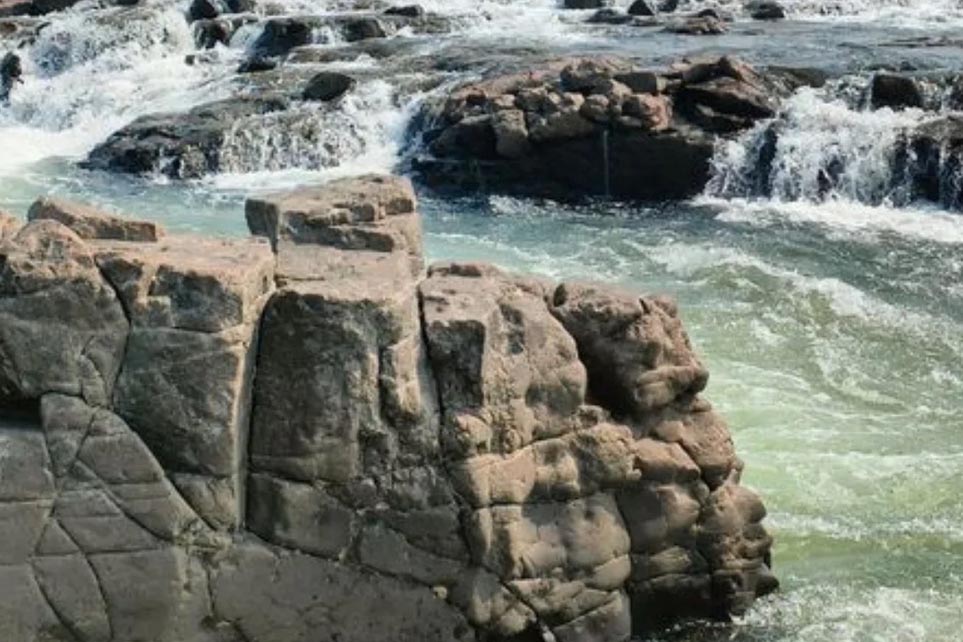
    The principal attraction of Sahastradhara is its collection of natural springs and cascading streams. Water flows down the rocky slopes, creating small waterfalls and pools where visitors can enjoy the refreshing environment. The surrounding rocks have been shaped over time by flowing water, contributing to the area’s unusual geological appearance.

    Sahastradhara is particularly famous for its water. The springs are associated locally with therapeutic properties because the water passes through limestone and other mineral-rich rocks. The water is often described as having a cooling and soothing quality. Historically, this association with mineral-rich spring water has contributed considerably to Sahastradhara’s popularity.

    However, visitors should distinguish between traditional beliefs about the water’s therapeutic benefits and scientifically established medical treatment. While bathing in naturally cool water can certainly feel refreshing, Sahastradhara should primarily be enjoyed as a natural and recreational attraction rather than regarded as a substitute for medical care.

    The name itself adds to the charm of the place. “Sahastradhara” is derived from Sanskrit, with sahastra meaning thousand and dhara referring to a stream or flow. The name evokes an image of countless streams flowing down the hillside, which closely reflects the character of the landscape.

    The Natural Beauty of Sahastradhara

    One of the most appealing aspects of Sahastradhara is its atmosphere. The sound of running water, green vegetation, rocky cliffs, and surrounding hills create a refreshing environment that feels quite different from the city.

    During periods of good rainfall, the streams can become livelier and the surrounding vegetation appears particularly vibrant. Small cascades form along the rocky surfaces, while the water continues its journey through the valley. The combination of water and greenery provides numerous opportunities for photography.

    The landscape also changes with the seasons. Summer visitors often appreciate Sahastradhara because the water and shaded surroundings offer relief from warmer temperatures. During the monsoon, the greenery becomes more dramatic and the streams can appear fuller. Winter brings a cooler atmosphere, while the landscape may feel quieter compared with the busier summer and holiday periods.

    The beauty of Sahastradhara is not necessarily about one spectacular viewpoint. Instead, it lies in the combination of many smaller natural features: streams, rocks, trees, hills, pools, caves, and changing light. This makes walking around the area an important part of the experience.

    The Springs and Their Mineral-Rich Water

    The springs at Sahastradhara have traditionally been valued because of their mineral content. The water interacts with the area’s limestone formations before emerging and flowing through the valley. This geological process is responsible for some of the distinctive formations found around the attraction.

    For generations, local visitors have associated the water with skin-related and other health benefits. Such traditions are part of the cultural identity of Sahastradhara, but claims about curing diseases should be treated cautiously.

    People planning to bathe in the springs should also pay attention to cleanliness and local conditions. Natural water quality can vary depending on rainfall, visitor activity, and environmental conditions. Visitors with sensitive skin or other concerns should exercise appropriate caution.

    Even without focusing on the supposed medicinal properties, the cool flowing water remains one of the most enjoyable aspects of a visit. Standing near a cascade or feeling the cool spray on a warm day can make the trip particularly refreshing.

    Sahastradhara Ropeway

    Another major attraction in the area is the ropeway. The Sahastradhara ropeway provides an opportunity to view the surrounding landscape from above and adds a different dimension to the sightseeing experience.

    The elevated perspective allows visitors to appreciate the valley, hills, vegetation, and surrounding settlements from a broader viewpoint. For many tourists, the ropeway ride becomes one of the highlights of their visit, particularly for photography.

    The availability and operating conditions of attractions can change, especially because of weather, maintenance, and seasonal circumstances. Travelers should therefore verify current operating hours and ticket information before planning their visit around the ropeway.

    Caves and Geological Features

    The rocky environment around Sahastradhara is another reason the destination is interesting. Water has gradually interacted with the rocks over long periods, creating distinctive surfaces, formations, and small cave-like features.

    These geological characteristics contribute to the area’s visual appeal. Rather than being simply a waterfall surrounded by trees, Sahastradhara presents visitors with a landscape where water and rock continuously interact.

    Nearby Robber’s Cave, although a separate attraction, is also frequently included in Dehradun sightseeing itineraries because of its unusual natural formation. The cave is associated with a stream flowing through a rocky passage and provides another example of how water has shaped the region’s landscape.

    Religious and Cultural Significance

    Sahastradhara is also connected with local religious traditions. The wider Dehradun region has numerous temples and places associated with Hindu mythology and spiritual practices. The presence of natural water sources has historically contributed to the cultural importance of several locations in the Himalayan foothills.

    Visitors should remember that Sahastradhara is simultaneously a tourist destination, natural environment, and place with local cultural significance. Respecting local customs, avoiding littering, and behaving responsibly around religious sites and natural water sources are important parts of a considerate visit.

    Best Time to Visit Sahastradhara

    The best time to visit Sahastradhara depends on what kind of experience a traveler wants.

    The warmer months can be attractive because the cool water and shaded surroundings provide a pleasant break from the heat. This is also a popular period for family outings and day trips from Dehradun.

    The monsoon season creates particularly green scenery and can increase the volume of water flowing through the area. However, heavy rainfall can also make rocks slippery and conditions around streams unpredictable. Visitors should therefore prioritize safety rather than attempting to get close to stronger currents or unstable edges.

    The post-monsoon period can be especially appealing because the landscape often retains its greenery while weather conditions may become more comfortable. Clearer skies can also improve views of the surrounding hills.

    Winter is suitable for travelers who prefer cooler weather and potentially quieter surroundings, although getting into cold spring water may not be appealing to everyone.

    In general, the ideal period depends on whether the priority is bathing, photography, greenery, comfortable sightseeing, or avoiding crowds.

    How to Reach Sahastradhara

    Sahastradhara is easiest to visit from Dehradun. Travelers arriving in Dehradun by train, bus, or air can arrange local transportation to reach the attraction.

    Dehradun Railway Station is connected to several major Indian cities. From the railway station, visitors can hire taxis or use local transportation to travel toward Sahastradhara.

    The nearest major airport is Jolly Grant Airport, officially known as Dehradun Airport, which serves the region. Travelers arriving by air can continue to Sahastradhara by taxi or other local transport.

    For people already staying in Dehradun, hiring a cab or using a local taxi service is generally convenient. Depending on the group size, travelers may also consider a private vehicle.

    Because road traffic and travel times can vary, it is better to allow some extra time rather than planning the itinerary around a very tight schedule.

    Things to Do at Sahastradhara

    The most obvious activity is enjoying the natural springs. Visitors can spend time near the flowing water, admire the small cascades, or, where permitted and safe, experience the cool spring water.

    Photography is another popular activity. The combination of flowing water, limestone rocks, vegetation, and hills provides plenty of natural subjects. Early morning and late afternoon can offer attractive light, while cloudy weather can give the landscape a dramatic appearance.

    The ropeway offers a chance to experience the surroundings from an elevated viewpoint. Visitors who enjoy panoramic views and photography may find this particularly rewarding.

    Sahastradhara is also suitable for simply relaxing. Families often visit for leisurely outings, while couples and groups of friends may enjoy walking around and taking photographs. Rather than rushing through every attraction, spending time listening to the water and appreciating the surroundings can be one of the simplest ways to enjoy the destination.

    Food and Local Experience

    The tourist area around Sahastradhara has facilities catering to visitors, including small eateries and snack stalls. Travelers can expect to find simple refreshments and commonly available Indian snacks.

    For a more substantial meal or a wider selection of restaurants, Dehradun offers significantly more choices. This makes it practical to visit Sahastradhara during the daytime and return to the city for lunch or dinner.

    Visitors should be mindful of plastic waste and food packaging. Natural tourist destinations can suffer considerably from litter, especially during busy holidays. Carrying reusable water bottles and disposing of waste responsibly can help protect the environment.

    Sahastradhara for Families

    Sahastradhara can be an enjoyable destination for families because it combines nature, water, sightseeing, and recreational activities without requiring a long mountain journey.

    Children often enjoy watching the streams and exploring the surroundings, while adults can appreciate the scenery and take photographs. However, natural water environments require supervision. Rocks can become slippery, and water depth and flow may change after rainfall.

    Parents should keep children away from strong currents, steep edges, and unstable rocky areas. Comfortable footwear with a good grip is also advisable.

    Sahastradhara for Couples and Photography Lovers

    For couples, Sahastradhara provides a relaxed setting away from the more crowded urban environment of Dehradun. The combination of hills, greenery, water, and natural rock formations creates an attractive backdrop for photographs.

    Photography enthusiasts can experiment with different perspectives, including close-up images of flowing water, wide shots of the valley, and elevated views from the ropeway.

    Morning visits can provide softer light and a relatively peaceful atmosphere. However, anyone carrying expensive photography equipment should be careful around water and slippery rocks.

    Places to Visit Near Sahastradhara

    One of the advantages of visiting Sahastradhara is that it can easily be combined with other Dehradun attractions. Robber’s Cave, also known as Gucchupani, is one of the most popular nearby natural attractions. Its unusual stream-filled cave environment makes it distinctly different from Sahastradhara.

    Tapkeshwar Mahadev Temple is another important attraction in the wider Dehradun area. The temple is associated with a natural cave and a Shiva shrine, making it a popular destination for both pilgrims and tourists.

    The Forest Research Institute is another notable Dehradun landmark. Its impressive colonial-era architecture and extensive campus make it particularly interesting for travelers interested in history, architecture, nature, and forestry.

    Visitors with more time can also explore other parts of Dehradun or plan excursions toward Mussoorie and nearby Himalayan destinations.

    Tips for a Comfortable Visit

    A little preparation can make a Sahastradhara trip much more enjoyable. Comfortable clothes and footwear are recommended, particularly if you plan to walk near the streams. Shoes with good grip are preferable because wet rocks can become slippery.

    If you intend to spend time around the water, carrying a change of clothes can be useful. Sunscreen, sunglasses, drinking water, and basic personal essentials are also sensible additions to a day-trip bag.

    During the monsoon, visitors should be particularly cautious. Never underestimate the power of flowing water simply because a stream appears shallow. Sudden rainfall upstream can change conditions quickly.

    It is equally important to respect the natural environment. Avoid throwing plastic or other waste into the streams, do not damage rock formations, and avoid disturbing wildlife or vegetation.

    Is Sahastradhara Worth Visiting?

    For travelers staying in Dehradun, Sahastradhara is certainly worth considering. Its biggest strength is its accessibility combined with natural beauty. You do not need to undertake a long Himalayan trek to experience flowing mountain water, rocky landscapes, greenery, and hill scenery.

    It may not provide the dramatic scale of some of Uttarakhand’s major waterfalls or high-altitude destinations, but its appeal comes from its combination of features. The springs, mineral-rich water, caves, ropeway, surrounding hills, and relaxed atmosphere make it a versatile destination.

    For first-time visitors to Dehradun, it can serve as an easy introduction to the natural landscapes of Uttarakhand. For repeat visitors, it can provide a peaceful half-day or full-day escape depending on how much time is spent exploring the surrounding area.

    Final Thoughts

    Sahastradhara is a destination where water is the central character. From countless small streams and mineral-rich springs to rocks shaped by flowing water, the landscape demonstrates the quiet but powerful influence of nature. Add the green hills, ropeway views, nearby attractions, and easy accessibility from Dehradun, and it becomes easy to understand why Sahastradhara remains a popular place to visit in Uttarakhand.

    The best way to experience it is not simply to arrive, take a photograph, and leave. Take time to observe the landscape, listen to the sound of the water, explore the surroundings responsibly, and appreciate the geological and cultural character of the area. Whether you are traveling with family, friends, a partner, or alone, Sahastradhara offers a refreshing opportunity to slow down and experience a small but beautiful corner of the Himalayan foothills.

    For anyone planning a Dehradun itinerary, Sahastradhara deserves a place on the list—not only because of its famous springs, but because it brings together water, geology, greenery, recreation, and local culture in one memorable destination.

  • Hidden in the green surroundings of Dehradun, Uttarakhand, Robber’s Cave is one of those destinations that feels far more adventurous than its distance from the city would suggest. Locally known as Gucchu Pani, this unusual natural attraction combines a narrow rocky gorge, a flowing stream, shadowy passages, waterfalls and fascinating local legends. Unlike a conventional cave that requires visitors to enter a completely underground chamber, Robber’s Cave is essentially a dramatic river gorge where water flows through and, in places, appears to disappear beneath the rocks before emerging again.

    Located near Anarwala village, roughly 8 kilometres from central Dehradun, Gucchu Pani has become a popular destination for families, students, couples, photographers, nature lovers and travellers looking for a refreshing outdoor experience. The Nagar Nigam Dehradun also describes it as a popular picnic and recreational destination known for its cold stream and distinctive cave-like formation.

    What makes Robber’s Cave especially memorable is that the attraction is not something visitors merely observe from a viewpoint. The stream itself becomes part of the experience. Visitors can walk through sections of the shallow water, move between towering rock walls and explore the changing character of the gorge. The combination of cold water, unusual geology and the mystery associated with its name gives Gucchu Pani an atmosphere that is difficult to find elsewhere around Dehradun.

    Where Is Robber’s Cave?

    Robber’s Cave is situated in the Dehradun district of Uttarakhand, close to Anarwala village and in the general direction of the Mussoorie foothills. It is approximately 8 kilometres from Dehradun city centre, making it one of the easiest natural attractions to include in a Dehradun sightseeing itinerary.

    The attraction is particularly convenient for travellers who do not want to undertake a long mountain trek. The surrounding landscape gradually changes from the urban environment of Dehradun to greener, rockier terrain, and the final approach leads visitors toward the gorge. The relatively short distance from the city is one of the reasons the site is so popular for short outings and half-day excursions.

    Robber’s Cave can also be combined with other attractions in and around Dehradun. Travellers often plan visits to places such as Sahastradhara, Tapkeshwar Temple and other nearby natural or cultural attractions on the same day. However, it is worth allowing enough time at Gucchu Pani itself rather than treating it as a quick photo stop, because the most interesting part of the visit is actually walking through the rocky watercourse.

    Why Is It Called Gucchu Pani?

    The name Gucchu Pani is closely associated with the unusual behaviour of water at the site. The destination is famous for its stream, which flows through the narrow gorge and appears to vanish beneath or between rock formations before becoming visible again. This disappearing-and-reappearing water is one of the features that gives the place its mysterious reputation.

    The exact interpretation of the local name can vary, and visitors may encounter different explanations. Regardless of the linguistic interpretation, the name has become inseparable from the identity of the attraction. For local residents, Gucchu Pani is the familiar name, while tourists from outside Uttarakhand generally know it as Robber’s Cave.

    The combination of hidden water and narrow rock passages also explains why the destination has such a strong sense of mystery. As sunlight enters the gorge from above, different sections can alternate between bright, open stretches and dark, enclosed-looking passages. The sound of running water echoes against the rocks, making the environment feel much more remote than it actually is.

    The Story Behind the Name Robber’s Cave

    The most famous story surrounding Gucchu Pani concerns robbers who supposedly used the natural formation as a hiding place during the British colonial period. According to local tradition, the narrow passages and concealed sections of the gorge provided an ideal location for people trying to evade authorities and hide stolen goods.

    The story is repeated widely in descriptions of the attraction and has become an important part of its tourism identity. Some accounts specifically connect the legend with bandits operating during the late nineteenth century. However, the historical details should be treated as local folklore rather than as a fully documented historical record. Sources discussing the site note that the robber-hideout story is primarily based on local accounts, and there is limited verified historical evidence establishing every detail of the legend.

    That uncertainty actually adds another layer to the attraction. The physical appearance of the gorge makes the legend easy to imagine. The narrow rock walls, hidden water passages and sudden changes in visibility create a natural environment that would certainly have offered secluded hiding places before the area became a popular tourist destination.

    Whether the stories are completely accurate or have grown through generations of storytelling, they have helped give Robber’s Cave an identity that goes beyond its geology.

    The Geology of Robber’s Cave

    The real story of Robber’s Cave is perhaps even more fascinating than its legends. The attraction is a natural geological formation shaped by water and erosion. It consists of an unusually narrow gorge associated with conglomerate and limestone-rich rock formations in the Dehradun Valley. Specialist descriptions of Gucchu Pani identify it more precisely as a narrow gorge rather than a conventional enclosed cave.

    The gorge is generally described as being around 600 metres long and divided into two principal sections. Its narrowest areas create the impression of a cave, while other stretches are more clearly open gorges with daylight visible overhead. A waterfall of roughly 10 metres is also associated with the formation.

    Water has played the central role in shaping this landscape. Over a very long period, flowing water gradually eroded and modified the rock, creating channels, narrow passages and unusual formations. The result is a landscape where the visitor can see the effects of erosion rather than simply looking at a static rock formation.

    This makes Robber’s Cave particularly interesting for people fascinated by geology. The smooth and irregular surfaces of the rocks, the narrow gorge and the movement of water demonstrate how natural landscapes can be continuously modified by erosion.

    Walking Through the River

    The most distinctive aspect of a visit to Gucchu Pani is the opportunity to walk through the stream. Rather than following a conventional dry trail, visitors encounter water flowing directly along their route. Depending on the conditions and the particular section being explored, the water can range from shallow stretches around the feet to deeper areas.

    Walking through cold mountain water while surrounded by high rock walls creates an unusual sensory experience. The temperature drops noticeably as visitors move into the shaded portions of the gorge. The sound of the stream becomes more prominent, and the outside world seems to fade away.

    The rocky riverbed can be uneven and slippery, so this part of the experience should be approached carefully. Good grip footwear or footwear suitable for wet conditions is far more useful than fashionable shoes. Visitors should also avoid rushing through the water simply because some sections look shallow.

    The experience is particularly refreshing during the warmer months, when the cool stream provides a welcome contrast to Dehradun’s summer temperatures. Travel descriptions of the attraction frequently highlight its cold water and its popularity as a summer escape.

    The Disappearing River Phenomenon

    One of the most intriguing features associated with Gucchu Pani is the apparent disappearance of the stream. At certain points, water flows into concealed channels or beneath rock formations and becomes temporarily hidden from view before reappearing farther along.

    This phenomenon is responsible for much of the destination’s mysterious character. Visitors can watch the stream flowing normally and then encounter a section where the water seems to vanish into the landscape. A few moments later, it may appear again downstream.

    The effect is not supernatural, of course. It is a consequence of the local geology, rock structure and movement of water through natural channels. But seeing the process in person is considerably more impressive than reading about it.

    For photographers, these transitions between visible water, shadow and rock provide some of the most interesting compositions at the site.

    What Does the Cave Look Like?

    Robber’s Cave does not resemble the enormous underground caverns found in some other parts of India. Instead, its appeal comes from its narrow, twisting character. Tall rocky walls rise around the stream, while certain sections become enclosed enough to create a genuine cave-like atmosphere.

    Light enters from openings above, creating dramatic contrasts between sunlight and shadow. In some places the gorge feels open and airy, while only a short distance away it can feel narrow and enclosed. This changing environment is part of what makes the walk exciting.

    The rocks themselves display the effects of long-term weathering and erosion. Water has created smooth sections alongside rough and irregular surfaces, while the constantly changing flow gives the landscape a sense of movement.

    There are also small natural formations and water features along the route. During favourable conditions, sections of the gorge can become particularly attractive after rainfall, although increased water flow can also make exploration more hazardous.

    Best Time to Visit Robber’s Cave

    The best time to visit Robber’s Cave depends largely on what kind of experience you want. Summer is especially popular because the cold stream and shaded gorge provide relief from the heat. The water makes the destination feel refreshing even when temperatures outside are uncomfortable.

    The monsoon season creates a different atmosphere. Rain can make the surrounding vegetation greener and the water more dramatic, but it can also increase the flow and make rocks slippery. Because visitors have to negotiate a stream, weather conditions should always be considered before entering the gorge.

    The safest approach is to check local conditions before travelling, particularly during periods of heavy rainfall. A seemingly gentle stream can change considerably after intense rain, and visitors should never enter sections where the water appears unusually fast or deep.

    For photography and a more relaxed experience, visiting earlier in the day can also be advantageous. Morning light can create attractive patterns across the rock walls, while early arrival may help visitors avoid some of the busiest periods.

    How to Reach Robber’s Cave

    Reaching Robber’s Cave is relatively straightforward because of its proximity to Dehradun. The destination is approximately 8 kilometres from the city centre, near Anarwala village.

    Travellers arriving in Dehradun by train can continue toward the Robber’s Cave area by taxi, auto-rickshaw or other local transport. Dehradun is well connected to major Indian cities by rail and road, while Jolly Grant Airport serves the city and surrounding region. The Nagar Nigam Dehradun notes that the airport is around 25 kilometres from Dehradun city and that taxis are available for onward travel.

    By road, the journey from central Dehradun is short compared with many other Uttarakhand attractions. Visitors using private vehicles or taxis should follow local directions toward Anarwala and the Robber’s Cave entrance area.

    Those interested in public transport should check the latest local routes before travelling because transport schedules and availability can change. The final approach may involve walking, depending on where a visitor is dropped off or parks.

    What to Do at Robber’s Cave

    Walking through the stream is undoubtedly the main activity, but Robber’s Cave offers several other experiences. Photography is particularly popular because the location provides a combination of water, rocks, vegetation, shadows and unusual geological formations.

    Instead of photographing only the entrance, visitors can look for contrasting scenes inside the gorge. Reflections on the water, narrow passages, shafts of sunlight and the changing textures of the rock can all produce distinctive photographs.

    The destination is also suitable for simply spending time in nature. Families can enjoy the cool surroundings, while younger visitors often find the stream crossing itself exciting. Couples and groups of friends frequently visit for the unusual atmosphere and the opportunity to experience something different without travelling far from the city.

    The surrounding area also has food stalls and small shops serving snacks and refreshments. A government-supported North India travel publication notes that a food court operates outside the attraction, with offerings ranging from snacks such as samosas to noodles, tea and cold drinks.

    Robber’s Cave for Families

    Gucchu Pani can be an enjoyable family destination, particularly for children who enjoy water and outdoor exploration. However, parents should remember that this is a natural rocky environment rather than a purpose-built amusement attraction.

    Children should be supervised closely near the stream. Wet rocks can be slippery, and the depth and speed of water may vary from one section to another. It is better to let children explore only areas that adults have assessed as safe.

    Families should also carry a change of clothes because getting wet is a normal part of the experience. Waterproof bags can be useful for protecting phones, wallets and other valuables.

    Safety Tips for Visitors

    Safety deserves special attention at Robber’s Cave because the attraction involves water and uneven rocks. Visitors should wear footwear with good traction and avoid walking barefoot if the rocks are uncomfortable or slippery.

    During or immediately after heavy rainfall, visitors should exercise particular caution. The water level can rise quickly, and strong currents can make sections of the gorge unsafe. If local authorities or staff restrict access to a particular area, those instructions should be followed.

    It is also sensible to keep electronic devices protected from water. A waterproof phone pouch can be useful for photography without putting an expensive device at risk.

    Visitors should avoid climbing unstable rock faces or entering narrow sections simply for photographs. The natural environment is part of the attraction, and there is no need to take unnecessary risks to reach every corner.

    Responsible Tourism at Gucchu Pani

    The popularity of Robber’s Cave brings an environmental responsibility for visitors. The gorge is a natural formation, and litter can quickly spoil both its appearance and ecological character.

    Visitors should carry their waste back to designated disposal points and avoid throwing plastic, food packaging or bottles into the stream. Natural rock surfaces should not be painted, scratched or otherwise damaged.

    Noise should also be kept under control. The echoes created by the narrow gorge can amplify sound considerably, and excessive noise can disturb other visitors as well as wildlife in the surrounding area.

    Responsible tourism is particularly important at popular natural attractions because thousands of visitors can collectively cause significant damage even when each individual visit seems harmless.

    Nearby Attractions

    One advantage of visiting Robber’s Cave is its location within the wider Dehradun sightseeing circuit. Travellers can combine the visit with other attractions depending on the amount of time available.

    Sahastradhara, known for its springs and scenic surroundings, is another well-known destination in the Dehradun area. Tapkeshwar Temple, a cave temple associated with Lord Shiva, offers a very different cultural and spiritual experience. The broader Dehradun region also provides opportunities for visiting parks, viewpoints, temples and other natural attractions.

    Combining several destinations can turn a visit to Gucchu Pani into a full-day itinerary rather than a standalone excursion.

    Why Robber’s Cave Is Worth Visiting

    What makes Robber’s Cave special is not a single spectacular monument. Its attraction comes from the combination of several smaller wonders. There is the cold stream beneath your feet, the tall rocky walls around you, the changing light, the disappearing water, the geological formations and the stories of hidden robbers.

    It is also unusually accessible. Many dramatic Himalayan landscapes require long drives or strenuous treks, whereas Robber’s Cave can be reached relatively easily from Dehradun. This accessibility has helped it become one of the city’s best-known natural attractions.

    The experience is also interactive. Visitors do not simply stand in front of a waterfall or look at a mountain from a viewpoint. They become part of the landscape by walking through the water and following the gorge.

    Final Thoughts

    Robber’s Cave, or Gucchu Pani, is a destination where geology, folklore and adventure come together. Its roughly 600-metre gorge, flowing stream and unusual disappearing-water phenomenon make it one of Dehradun’s most distinctive natural attractions.

    The legend of robbers hiding in its passages gives the site an intriguing historical personality, even though many details of that story belong to local folklore rather than firmly documented history. The geology, meanwhile, provides a fascinating explanation for the cave’s unusual shape and the movement of water through the rocks.

    For travellers, the real pleasure is simple: stepping into the cool stream, moving through the narrow gorge, listening to the water echo against the rocks and watching sunlight appear and disappear overhead. It is an experience that feels adventurous without requiring an arduous trek.

    If you are visiting Dehradun and want to experience a natural attraction that is refreshing, photogenic, unusual and close to the city, Robber’s Cave deserves a place on your itinerary. Just remember to check weather and local access conditions before visiting, wear suitable footwear, respect the natural environment and allow yourself enough time to enjoy the gorge rather than rushing through it.

  • Nestled in the picturesque Doon Valley and surrounded by the foothills of the Himalayas, Dehradun is one of the most charming destinations in Uttarakhand. Often regarded as the gateway to some of North India’s most spectacular hill stations and pilgrimage destinations, the city has a character of its own. Dehradun combines pleasant weather, lush greenery, colonial-era influences, educational institutions, temples, caves, waterfalls, markets and easy access to the mountains. Unlike destinations that are focused entirely on sightseeing, Dehradun offers a slower and more relaxed travel experience where visitors can spend time exploring nature, enjoying local food and discovering the city’s cultural heritage.

    The city is located between the Ganga and Yamuna river systems and is surrounded by the Himalayan foothills on three sides. Its scenic location has contributed greatly to its popularity among tourists. Dehradun is also the capital of Uttarakhand and serves as an important administrative, educational and cultural centre. The presence of renowned institutions has given the city a youthful atmosphere, while its old neighbourhoods, temples and traditional markets preserve its connection with the past.

    For travellers planning a holiday in Uttarakhand, Dehradun can be more than simply a stopover on the way to Mussoorie, Rishikesh or Haridwar. The city and its surrounding areas offer enough attractions for a memorable two- or three-day trip, while longer stays can be used to explore nearby forests, villages, waterfalls and Himalayan destinations.

    The Historical and Cultural Character of Dehradun

    Dehradun has a fascinating history shaped by different kingdoms, communities and cultural influences. The name is commonly associated with the words “dera” and “dun,” referring broadly to a camp or settlement in the valley. Over the centuries, the region developed as an important settlement because of its fertile land and strategic location.

    The city’s history is also associated with Sikh heritage. One of its best-known religious landmarks is the historic Sikh temple at Nanaksar and the nearby Gurudwara Shri Guru Ram Rai Darbar Sahib, which is closely connected with the history of the city. The Darbar Sahib complex is an important cultural and religious site and attracts visitors throughout the year.

    Dehradun’s colonial influence can also be seen in its architecture and old institutions. British-era establishments, churches, schools and government buildings contributed to the city’s distinctive character. The city subsequently became famous for education and research, with institutions such as the Forest Research Institute and the Indian Military Academy becoming important landmarks.

    This mixture of history, religion, education and natural surroundings makes Dehradun different from many other tourist destinations in northern India. A visit here is not only about scenic views; it is also an opportunity to understand the cultural development of the Doon Valley.

    Forest Research Institute: An Architectural and Educational Landmark

    One of the most recognizable attractions in Dehradun is the Forest Research Institute, commonly known as FRI. Spread across a vast green campus, the institute is famous for its impressive Greco-Roman architectural design and grand corridors. The building itself is one of the city’s most photographed landmarks.

    The campus houses museums and collections related to forestry, wildlife, timber, entomology and other aspects of forest science. Visitors interested in architecture, history, nature or photography can find plenty to explore here. The broad lawns and imposing structure also provide a peaceful contrast to the busy parts of the city.

    FRI is particularly appealing to travellers who enjoy combining sightseeing with learning. Rather than being simply another monument, it provides an insight into India’s long history of scientific forestry and environmental research.

    Robber’s Cave: A Natural Adventure Near the City

    Robber’s Cave is among the most popular natural attractions around Dehradun. Locally known as Gucchu Pani, this unusual geological formation consists of a narrow cave through which a stream flows. Visitors can walk through the water inside parts of the cave, making the experience considerably more adventurous than ordinary sightseeing.

    The surrounding landscape adds to the attraction. Rocky formations, flowing water and greenery create a refreshing environment, particularly during the warmer months. Travellers should wear appropriate footwear because the rocks can be slippery and the water level may vary depending on weather conditions.

    The cave is best enjoyed as a short nature excursion rather than a hurried photo stop. Spending some time around the area allows visitors to appreciate the unusual combination of rocks, water and forest that makes Gucchu Pani distinctive.

    Sahastradhara and Its Waterfalls

    Sahastradhara, meaning “thousand-fold spring,” is another celebrated attraction near Dehradun. The area is known for its cascading water, rocky surroundings and lush vegetation. The springs and streams have traditionally been associated with therapeutic properties, although visitors should treat such claims with appropriate caution.

    Sahastradhara is particularly popular with families and travellers looking for a relaxed outing. The sound of flowing water and the surrounding greenery provide an escape from the urban environment. The area can become crowded during weekends and holidays, so travellers who prefer a quieter experience may want to visit earlier in the day.

    The destination also demonstrates why Dehradun is appealing to nature lovers. Visitors do not necessarily have to travel deep into the Himalayas to experience waterfalls, streams and forest landscapes.

    Tapkeshwar Temple and Spiritual Tourism

    Dehradun has several important temples, but Tapkeshwar Temple is among the most famous. Located near a natural cave, the temple is dedicated to Lord Shiva and has a distinctive setting created by the surrounding rocks and a seasonal stream.

    Water droplets naturally fall onto the Shiva lingam inside the cave, contributing to the temple’s name and spiritual significance. The site attracts devotees as well as tourists interested in the natural setting. During major Hindu festivals, particularly Shivratri, the temple can become exceptionally busy.

    Tapkeshwar is an example of how spirituality and natural geography often come together in Uttarakhand. The temple’s location inside a cave gives the visit a character that is quite different from conventional urban temples.

    Mindrolling Monastery and Tibetan Culture

    For travellers interested in Buddhist culture, Mindrolling Monastery is an important place to visit. Located in the Clement Town area, the monastery is associated with the Nyingma tradition of Tibetan Buddhism. Its elaborate architecture, prayer spaces, gardens and large stupa create a peaceful atmosphere.

    The monastery is particularly attractive for visitors looking for a quiet break from the city’s more crowded attractions. The complex reflects Tibetan Buddhist artistic traditions and provides an opportunity to learn about a cultural heritage that has become an important part of Dehradun’s identity.

    Visitors should remember that the monastery is a religious space. Maintaining silence in appropriate areas and respecting local customs helps preserve the peaceful environment.

    Dehradun Zoo and Other Family Attractions

    Dehradun and its surrounding areas offer several attractions suitable for families. The city’s zoo and nearby nature-oriented destinations provide opportunities for children to learn about wildlife and local ecosystems.

    The Regional Science Centre is another useful stop for families and students. Interactive exhibits and educational displays make science more accessible and entertaining. Such attractions are especially useful when travelling with children because they add an educational dimension to the holiday.

    Dehradun’s numerous parks and green spaces can also be incorporated into a relaxed itinerary. The city does not require every day to be filled with major sightseeing attractions; sometimes simply spending an afternoon in a quiet park or enjoying a leisurely meal is part of the appeal.

    Paltan Bazaar and the Shopping Experience

    No trip to Dehradun is complete without exploring its markets. Paltan Bazaar is one of the city’s most famous shopping areas and provides a glimpse into everyday urban life. The market is known for clothing, household products, accessories, snacks and local items.

    The experience here is different from shopping in modern malls. Narrower streets, small shops, local vendors and food stalls create a lively atmosphere. Visitors can look for souvenirs and regional products while experiencing the energy of the city.

    Dehradun is also associated with basmati rice, locally produced foods, woollens and traditional products from the wider Uttarakhand region. Travellers interested in taking home something distinctive should explore local markets rather than limiting their shopping to commercial chains.

    Dehradun’s Food and Culinary Culture

    Food is an important part of any Dehradun trip. Because the city has attracted residents and students from across India, its culinary scene is diverse. Visitors can find North Indian, Tibetan, Chinese, South Indian and international cuisines alongside traditional Garhwali and Kumaoni dishes.

    Travellers should try regional dishes whenever possible. Garhwali cuisine often uses simple ingredients and distinctive combinations of lentils, grains, vegetables and spices. Dishes such as kafuli, chainsoo, phaanu, aloo ke gutke and singori can provide a taste of Uttarakhand’s culinary traditions.

    Street food is another enjoyable part of the experience. Dehradun is known for snacks and bakeries, and its older food establishments have long been popular among students and residents. A leisurely evening spent sampling local snacks and tea can be just as memorable as visiting a monument.

    Best Time to Visit Dehradun

    Dehradun can be visited throughout much of the year, but the best time depends on the kind of experience a traveller wants. Spring and early summer are pleasant for sightseeing, while autumn is particularly attractive because of clearer skies and comfortable temperatures.

    Summer can be warmer in the daytime but is still manageable compared with many northern Indian plains cities. It is also a popular period for travellers heading onward to Mussoorie and other hill destinations.

    The monsoon brings substantial rainfall to the region. The greenery becomes exceptionally vibrant during this period, and waterfalls and streams can look spectacular. However, heavy rain can occasionally disrupt travel and make certain outdoor activities less convenient. Travellers planning excursions into hilly areas should keep weather conditions in mind.

    Winter is generally cool and can be an enjoyable time for visitors who prefer crisp weather. Mornings and evenings can become quite cold, particularly during the colder part of the season, so warm clothing is advisable.

    How to Reach Dehradun

    Dehradun is relatively easy to reach from major cities in northern India. Jolly Grant Airport serves the region and provides air connectivity with several Indian cities. The airport is located outside the main city, and taxis and other local transportation options are available for reaching central Dehradun.

    The city also has an important railway station with connections to several major destinations. Rail travel can be a convenient option for travellers coming from Delhi and other parts of northern India.

    Road connectivity is another major advantage. Dehradun is connected by highways to Delhi, Haridwar, Rishikesh, Chandigarh and other cities. Buses, taxis and private vehicles are commonly used by travellers. Its road connections also make it a practical base for exploring neighbouring destinations.

    Getting Around Dehradun

    Getting around the city is relatively straightforward. Auto-rickshaws, taxis and app-based transportation services can be useful for reaching attractions. Travellers who want to visit several attractions in one day may find it convenient to hire a cab for local sightseeing.

    For short distances, walking can sometimes be enjoyable, particularly in quieter neighbourhoods. However, attractions such as Robber’s Cave, Sahastradhara and other sites around the city’s outskirts may require private or hired transportation.

    A useful approach is to group attractions geographically rather than attempting to cross the entire city repeatedly. This saves time and makes the trip more relaxed.

    Places to Visit Near Dehradun

    One of Dehradun’s biggest advantages is its proximity to several famous destinations. Mussoorie is perhaps the most popular nearby hill station. Located in the Himalayan foothills, it offers mountain views, colonial architecture, markets and scenic walking routes.

    Rishikesh is another major destination within easy reach. Famous for yoga, spirituality, the Ganges, adventure sports and ashrams, it provides a very different travel experience from Dehradun.

    Haridwar, one of India’s major pilgrimage cities, can also be visited from Dehradun. The evening Ganga Aarti at Har Ki Pauri is one of the region’s most memorable cultural experiences.

    For travellers with more time, destinations such as Dhanaulti, Kanatal, Chakrata and nearby forest areas can be considered. These places are suitable for people who want quieter mountain landscapes away from the busiest tourist centres.

    Adventure and Nature Experiences

    Although Dehradun itself is primarily a cultural and nature-oriented destination, its location makes it a convenient base for outdoor adventures. Trekking routes, forest walks, mountain excursions and waterfall visits are available in the wider region.

    Travellers interested in hiking should choose routes appropriate to their experience and check weather conditions before leaving. The Himalayan foothills can change quickly from easy terrain to challenging conditions, particularly during the monsoon and winter.

    Birdwatching and nature photography are also rewarding activities in and around the Doon Valley. The area’s forests and varied landscapes support a wide range of birdlife and vegetation.

    Where to Stay in Dehradun

    Accommodation in Dehradun ranges from budget guesthouses and hostels to boutique hotels and luxury properties. The best area to stay depends on the purpose of the trip. Travellers who want convenient access to markets, restaurants and transportation may prefer central parts of the city, while those looking for a quieter environment can consider areas on the outskirts.

    Families may prefer comfortable hotels with parking and easy road access, particularly if they are planning day trips to Mussoorie or other nearby destinations. Solo travellers and backpackers often have more affordable hostel and guesthouse options.

    When choosing accommodation, travellers should consider more than the room itself. Location, accessibility, parking, reviews, cancellation policies and transport availability can significantly affect the overall experience.

    How Many Days Are Enough for Dehradun?

    Two days are enough to experience many of Dehradun’s principal attractions, although three days provide a more comfortable schedule. A short trip could include the Forest Research Institute, Robber’s Cave, Sahastradhara, Tapkeshwar Temple, Mindrolling Monastery and an evening exploring the city’s markets.

    With three or four days, visitors can slow down the itinerary and add nearby destinations. One day can be dedicated to Mussoorie, while another can be used for Rishikesh or a quieter mountain excursion.

    The key is not to overcrowd the itinerary. Dehradun is best appreciated at a leisurely pace, with enough time to enjoy its food, greenery and local atmosphere.

    Responsible Tourism in Dehradun

    As tourism continues to grow, responsible travel is increasingly important. Visitors should avoid littering, especially around waterfalls, forests and religious sites. Plastic waste should be minimized, and travellers should use designated waste-disposal facilities whenever available.

    Respecting local culture is equally important. Religious sites require appropriate clothing and behaviour, while monasteries and temples may have specific photography restrictions. Visitors should also avoid disturbing wildlife or removing plants, rocks or other natural materials.

    Supporting local businesses can make a positive contribution to the destination. Eating at local restaurants, purchasing locally made products and hiring local guides or drivers can help ensure that tourism benefits the surrounding community.

    Dehradun Tourism: A Destination Worth Exploring

    Dehradun’s greatest strength is its balance. It is neither as hectic as a major metropolitan city nor as isolated as a remote Himalayan village. It offers nature without requiring a long mountain journey, history without feeling like an open-air museum, spirituality without being exclusively a pilgrimage destination and modern conveniences alongside traditional culture.

    For some travellers, the city’s biggest attraction will be its proximity to Mussoorie, Rishikesh and other famous destinations. For others, the real pleasure will be discovering Dehradun itself: walking through its markets, visiting historic institutions, enjoying regional food, exploring caves and waterfalls, or simply relaxing among the greenery of the Doon Valley.

    Whether it is a family holiday, a romantic getaway, a weekend road trip, a cultural journey or the beginning of a longer Uttarakhand adventure, Dehradun provides a welcoming introduction to the region. Its combination of Himalayan scenery, cultural diversity, educational heritage and relaxed atmosphere makes it one of northern India’s most rewarding destinations.

    Ultimately, Dehradun is not a place that needs to be rushed. Its charm lies in the details—the cool mountain breeze, old buildings, forested surroundings, temple bells, local markets, steaming cups of tea and the distant Himalayan landscape. For travellers willing to slow down and explore beyond the obvious attractions, the city offers an experience that is peaceful, varied and distinctly its own.

  • Uttarakhand tourism offers an extraordinary combination of snow-covered Himalayan peaks, peaceful hill stations, sacred temples, dense forests, rushing rivers, alpine meadows and charming mountain villages. Often described as the “Land of Gods,” Uttarakhand is one of India’s most diverse travel destinations, attracting pilgrims, nature lovers, adventure enthusiasts, wildlife explorers, honeymooners, photographers and travelers looking for a peaceful escape from busy city life. From the spiritual atmosphere of Haridwar and Rishikesh to the spectacular landscapes of Auli, Nainital and the Valley of Flowers, the state offers experiences for almost every kind of traveler.

    Located in northern India and bordered by Tibet and Nepal, Uttarakhand is divided broadly into the Garhwal and Kumaon regions. The Himalayan landscape dominates much of the state, creating a remarkable variety of terrain. Lower valleys are warm and green, while higher areas feature coniferous forests, glaciers, dramatic mountain peaks and meadows covered with seasonal flowers. This geographical diversity is one of the major reasons why Uttarakhand remains attractive throughout the year.

    Why Uttarakhand Is a Must-Visit Destination

    The appeal of Uttarakhand lies in its ability to combine different kinds of travel into a single destination. A visitor can begin with a spiritual journey in Haridwar, enjoy yoga and river activities in Rishikesh, continue toward the peaceful hill stations of Mussoorie or Nainital, and then travel deeper into the Himalayas for trekking, wildlife and spectacular mountain scenery.

    For spiritual travelers, Uttarakhand is home to some of Hinduism’s most revered pilgrimage destinations. The famous Char Dham circuit includes Yamunotri, Gangotri, Kedarnath and Badrinath. These sacred destinations attract thousands of devotees during the pilgrimage season. The state is also associated with important rivers, including the Ganga and Yamuna, adding considerable religious and cultural significance to its landscape.

    For adventure seekers, the mountains provide opportunities for trekking, skiing, river rafting, camping, mountain biking and other outdoor activities. Nature enthusiasts can explore national parks and wildlife sanctuaries, while photographers can capture everything from Himalayan sunrises and waterfalls to traditional villages and colorful temples.

    Haridwar: The Spiritual Gateway to Uttarakhand

    Haridwar is one of the most important pilgrimage cities in India and a major gateway to the Himalayan region. Situated along the Ganga, the city is famous for its temples, ghats and religious ceremonies. Har Ki Pauri is the best-known attraction, where pilgrims gather to take a holy dip in the river and participate in the evening Ganga Aarti.

    The Ganga Aarti is one of Haridwar’s most memorable experiences. As evening approaches, lamps illuminate the river while priests perform traditional rituals accompanied by devotional music and chants. The atmosphere can be deeply moving even for visitors who are not traveling for religious reasons.

    Haridwar also serves as an important starting point for exploring other destinations in Uttarakhand. Travelers can combine a visit to the city with Rishikesh, Rajaji National Park and several Himalayan destinations.

    Rishikesh: Yoga, Adventure and the Ganga

    Rishikesh is another iconic destination that combines spirituality with adventure. Located beside the Ganga and surrounded by forested hills, it has developed an international reputation as a center for yoga and meditation. Visitors come here to attend yoga programs, meditation retreats, spiritual courses and wellness experiences.

    At the same time, Rishikesh is one of northern India’s most popular adventure destinations. White-water rafting on the Ganga is a major attraction, particularly for younger travelers and adventure enthusiasts. Camping, trekking, bungee jumping and other outdoor activities are also available in and around the city.

    The famous suspension bridges, Ram Jhula and Lakshman Jhula, have long been associated with Rishikesh’s identity, although visitors should check current access conditions because infrastructure and pedestrian restrictions can change. The riverside atmosphere, temples, cafés and ashrams give Rishikesh a character very different from traditional hill stations.

    Mussoorie: The Queen of the Hills

    Mussoorie is among Uttarakhand’s most famous hill stations. Located in the Garhwal Himalayas, the town is known for its pleasant climate, mountain views, colonial-era character and scenic surroundings. The Mall Road, Gun Hill and Camel’s Back Road are popular areas for visitors.

    One of Mussoorie’s biggest attractions is simply walking around and enjoying the mountain atmosphere. Views of the surrounding valleys and Himalayan ranges can be particularly impressive when the weather is clear. Kempty Falls, located outside the main town, is another popular attraction.

    Mussoorie is suitable for families, couples and travelers who prefer a relatively accessible mountain holiday. It can become busy during peak vacation periods, so travelers seeking peace may prefer visiting during quieter seasons or exploring nearby destinations such as Landour.

    Nainital: The Lake City of Uttarakhand

    Nainital is one of the most recognizable destinations in the Kumaon region. The centerpiece of the town is the beautiful Naini Lake, surrounded by forested hills. Boating on the lake is a classic Nainital experience, while the surrounding market areas offer restaurants, cafés and shops selling local products.

    The Mall Road runs alongside the lake and is a popular place for an evening stroll. Travelers can also visit viewpoints such as Snow View to enjoy panoramic mountain scenery when visibility permits. Naina Devi Temple, located near the lake, is an important religious site.

    Nainital is especially popular with families and couples because it combines natural scenery with convenient tourist infrastructure. However, traffic and crowds can become significant during holidays. Exploring nearby places such as Bhimtal, Sattal and Mukteshwar can provide a quieter alternative.

    Auli: A Himalayan Paradise for Skiing and Snow

    Auli is one of India’s best-known winter destinations for skiing and snow-related activities. Situated at a high altitude in the Garhwal Himalayas, it offers spectacular views of surrounding peaks and vast mountain landscapes.

    During winter, snowfall transforms Auli into a beautiful white landscape. Skiing attracts beginners as well as experienced enthusiasts, while the cable-car and mountain viewpoints provide opportunities to enjoy the scenery without undertaking strenuous treks.

    Auli is not only a winter destination. During warmer months, the surrounding landscape becomes greener, making it suitable for hiking, photography and enjoying panoramic Himalayan views. Travelers should plan carefully because high-altitude destinations can experience sudden weather changes.

    Ranikhet and Almora: Peaceful Kumaon Escapes

    Travelers looking for a quieter Himalayan experience should consider Ranikhet and Almora. Ranikhet is known for its peaceful atmosphere, pine forests and mountain views. It is considerably less hectic than some of Uttarakhand’s more famous tourist centers.

    Almora has a distinctive cultural identity and is known for its traditional architecture, markets and panoramic views. The town is an excellent base for exploring the Kumaon region and experiencing local life.

    These destinations are particularly appealing to travelers who prefer slow tourism. Instead of rushing between attractions, visitors can spend their days walking through forests, visiting temples, tasting regional food and watching sunsets over the mountains.

    Valley of Flowers: A Spectacular Himalayan Landscape

    The Valley of Flowers National Park is one of Uttarakhand’s most extraordinary natural attractions. Located in the high Himalayas, the valley becomes particularly spectacular during the flowering season when alpine flowers cover the landscape.

    The journey itself is an important part of the experience. Reaching the valley involves trekking through mountainous terrain, making appropriate preparation essential. The region is also ecologically sensitive, and visitors should follow local rules regarding waste, wildlife and movement within protected areas.

    The valley is particularly attractive to trekkers, photographers and nature lovers. Nearby Hemkund Sahib adds a significant spiritual dimension to the journey and attracts Sikh pilgrims.

    Kedarnath and Badrinath: Sacred Himalayan Pilgrimages

    Kedarnath and Badrinath are among the most important pilgrimage destinations in Uttarakhand. Kedarnath is dedicated to Lord Shiva and is dramatically situated amid the Himalayan mountains. The journey to the temple is an important part of the pilgrimage experience, requiring travelers to prepare for challenging terrain and rapidly changing weather.

    Badrinath, dedicated to Lord Vishnu, is another major destination on the Char Dham route. The temple is surrounded by spectacular mountain scenery and has immense religious importance.

    Because these high-altitude pilgrimage areas are affected by snowfall and difficult weather conditions, their operating seasons and access arrangements can vary. Travelers should always check official information before beginning a journey to these destinations.

    Wildlife Tourism in Uttarakhand

    Uttarakhand is not only about mountains and temples. The state also has remarkable wildlife habitats. Jim Corbett National Park is perhaps the most famous, particularly for its tiger population. The park offers opportunities to see elephants, deer, birds and other wildlife in addition to the possibility of spotting tigers.

    Rajaji National Park, located closer to the Haridwar-Rishikesh region, is another important wildlife destination. Its forests support elephants and numerous other species. Birdwatching is also popular in Uttarakhand, with many Himalayan and forest species found across the state.

    Wildlife tourism should always be approached responsibly. Visitors should follow park regulations, maintain safe distances from animals and avoid disturbing wildlife with noise or inappropriate behavior.

    Adventure Tourism in Uttarakhand

    Adventure is one of the fastest-growing components of Uttarakhand tourism. The state’s mountains, rivers and forests provide an ideal setting for outdoor activities.

    Trekking remains particularly popular. Trails range from relatively accessible walks to demanding high-altitude routes. Treks around Kedarkantha, Dayara Bugyal, Kuari Pass and other Himalayan regions attract travelers seeking mountain adventures.

    River rafting is strongly associated with Rishikesh, while skiing is the major attraction of Auli during the winter season. Camping, rock climbing, mountain biking and paragliding are also available in selected destinations.

    Adventure travelers should choose activities according to their physical fitness and experience. Weather can change quickly in mountainous areas, so professional guides, proper equipment and reliable local operators are important.

    Temples, Culture and Local Traditions

    Uttarakhand’s tourism experience cannot be separated from its cultural heritage. Traditional temples can be found throughout the hills, often surrounded by forests and villages. Many communities continue to preserve distinctive customs, festivals, music, architecture and food traditions.

    The state’s two major cultural regions, Garhwal and Kumaon, have their own traditions and dialects. Festivals and local celebrations provide opportunities for visitors to experience the living culture of the region rather than simply visiting conventional tourist attractions.

    Village tourism is also becoming increasingly attractive. Staying in a mountain homestay allows travelers to interact with local families, enjoy regional food and understand everyday life in the Himalayas. Such experiences can also provide an additional source of income for rural communities.

    Food to Try in Uttarakhand

    Uttarakhand’s traditional cuisine is generally simple, nutritious and closely connected with the ingredients available in the mountain environment. Travelers should try local dishes such as kafuli, aloo ke gutke, bhatt ki churkani, chainsoo, jhangore ki kheer and mandua-based preparations.

    Aloo ke gutke, prepared with potatoes and local spices, is particularly popular as a regional comfort food. Chainsoo and bhatt dishes use locally familiar pulses and have a distinctive earthy flavor.

    Visitors should also look for locally produced honey, pickles, herbal products and traditional grains. Food habits vary between Garhwal and Kumaon, so traveling across both regions provides an opportunity to discover considerable culinary diversity.

    Best Time to Visit Uttarakhand

    The best time to visit Uttarakhand depends largely on the destination and the type of experience a traveler wants. Spring and early summer are generally pleasant for many lower-altitude destinations, while summer is particularly attractive for travelers escaping the heat of the plains.

    The monsoon season brings heavy rainfall to many parts of the state. Although the hills become lush and beautiful, landslides and road disruptions can occur, making travel more unpredictable. Travelers planning mountain journeys during this period should monitor weather and road conditions carefully.

    Autumn is one of the most attractive periods for clear mountain views and trekking. Winter is ideal for travelers interested in snow, particularly around destinations such as Auli, although high-altitude areas can become extremely cold.

    How to Reach Uttarakhand

    Uttarakhand is relatively well connected with northern Indian cities. Dehradun is an important transportation hub, with an airport serving the region. Haridwar and Dehradun are also major railway gateways, while Rishikesh and several other towns are connected by road.

    Road travel is especially important once visitors enter the mountainous areas. Roads can be winding and journeys may take longer than the distance suggests. Travelers should avoid planning excessively tight itineraries and should allow extra time for weather, traffic and mountain-road conditions.

    For high-altitude destinations, preparation is particularly important. Warm clothing, comfortable footwear, essential medicines, identification documents and adequate water should be carried as appropriate.

    Sustainable Tourism in Uttarakhand

    The extraordinary natural beauty of Uttarakhand also makes responsible tourism extremely important. Mountain ecosystems are fragile, and excessive tourism can put pressure on water resources, forests, roads and waste-management systems.

    Travelers can contribute to sustainable tourism by avoiding single-use plastics, carrying reusable water bottles, respecting wildlife, avoiding littering and supporting locally owned accommodation and businesses. Visitors should also respect local customs, especially around temples and traditional communities.

    Choosing homestays, hiring local guides and purchasing locally produced handicrafts can help tourism revenue reach mountain communities. Responsible travel is not only environmentally beneficial but can also make a trip more meaningful.

    Shopping in Uttarakhand

    Shopping in Uttarakhand offers an opportunity to take home something connected with the region’s culture. Woolen products, handwoven textiles, locally made handicrafts, wooden items, natural products and regional food specialties are popular choices.

    Markets in places such as Almora, Nainital, Mussoorie and Rishikesh offer a mixture of traditional and modern products. Travelers should distinguish between genuinely locally made products and mass-produced souvenirs marketed as local goods.

    Tips for Planning a Uttarakhand Trip

    A successful Uttarakhand trip requires a little more planning than an ordinary city holiday. Mountain distances can be deceptive, and traveling from one destination to another may take several hours. It is better to explore fewer places properly than attempt to cover the entire state in a short trip.

    Weather should always be considered while planning. Mountain conditions can change quickly, and high-altitude areas require additional preparation. Travelers should check road conditions and official advisories before heading toward remote or pilgrimage destinations.

    Respect for the environment and local culture is equally important. Avoid littering, follow photography restrictions at religious sites, dress appropriately in temples and local communities, and maintain a respectful attitude toward residents.

    The Many Faces of Uttarakhand Tourism

    Perhaps the greatest strength of Uttarakhand is its variety. It can be a destination for spiritual discovery, a family holiday, a romantic escape, an adventure expedition, a wildlife trip or a quiet retreat into nature. The experience changes depending on where you go.

    A first-time visitor might choose a classic itinerary covering Haridwar, Rishikesh, Mussoorie and one of the Kumaon or Garhwal hill stations. A spiritual traveler may focus on the Char Dham and other sacred sites. An adventure enthusiast might choose trekking and skiing, while a nature lover may prefer wildlife reserves and the Valley of Flowers.

    Uttarakhand also rewards travelers who move beyond its most famous destinations. Small villages, forest trails, quiet temples and lesser-known mountain viewpoints can offer some of the most memorable experiences. The slower pace of Himalayan life is itself an attraction.

    Final Summary

    Uttarakhand tourism is ultimately about much more than sightseeing. It is about standing beside a Himalayan river, watching the first sunlight reach a mountain peak, hearing temple bells in a quiet valley, walking through a pine forest, sharing a traditional meal in a mountain village or simply spending a peaceful evening surrounded by nature.

    From the spiritual energy of Haridwar and Rishikesh to the scenic charm of Mussoorie and Nainital, from the snowy slopes of Auli to the sacred landscapes of Kedarnath and Badrinath, Uttarakhand offers an impressive collection of experiences within one state. Its combination of spirituality, adventure, wildlife, culture and natural beauty makes it one of India’s most compelling travel destinations.

    For travelers willing to slow down and explore beyond the usual tourist route, Uttarakhand can become more than a holiday destination. It can be a journey into the mountains, culture and traditions of the Himalayas—a journey that leaves behind not only photographs and souvenirs, but also lasting memories of one of India’s most beautiful regions.

  • Zodiac compatibility has fascinated people for centuries. Whether someone is searching for a romantic partner, trying to understand a friendship, or hoping to improve family relationships, astrology often provides valuable insights into how different personalities interact. While compatibility is not the sole factor that determines the success of a relationship, it can help explain natural attractions, recurring challenges, communication styles, emotional needs, and long-term potential.

    In astrology, compatibility is much more than comparing two Sun signs. Every person has a unique birth chart containing the positions of the Sun, Moon, planets, and zodiac signs at the moment of birth. These celestial influences shape personality traits, emotional responses, values, and relationship patterns. When two people come together, astrologers analyze how these energies interact to assess compatibility.

    Understanding Zodiac Compatibility

    Zodiac compatibility refers to the potential harmony between two individuals based on their astrological signs and birth charts. Astrology suggests that each sign possesses distinct characteristics that influence how people think, feel, communicate, and express love.

    Compatibility does not guarantee success or failure in a relationship. Instead, it highlights areas of natural understanding and possible challenges. Two highly compatible signs may still struggle if communication and commitment are lacking, while signs considered incompatible may build strong relationships through mutual respect and effort.

    Astrology serves as a tool for self-awareness and relationship understanding rather than a definitive prediction of relationship outcomes.

    The Foundation of Zodiac Compatibility

    The zodiac consists of twelve signs divided among four elements: Fire, Earth, Air, and Water. These elements form the foundation of compatibility analysis.

    Fire Signs: Aries, Leo, and Sagittarius

    Fire signs are passionate, energetic, adventurous, and enthusiastic. They thrive on excitement and inspiration. Relationships involving fire signs often feature spontaneity, confidence, and strong emotional expression.

    Fire signs generally connect well with other fire signs and air signs because air fuels fire’s energy and enthusiasm.

    Earth Signs: Taurus, Virgo, and Capricorn

    Earth signs are practical, reliable, grounded, and focused on stability. They value security, loyalty, and long-term planning. Their relationships often emphasize trust, commitment, and consistency.

    Earth signs usually share strong compatibility with fellow earth signs and water signs, whose emotional depth complements their practicality.

    Air Signs: Gemini, Libra, and Aquarius

    Air signs are intellectual, communicative, curious, and socially oriented. They enjoy conversation, ideas, and mental stimulation. Relationships involving air signs often revolve around friendship, communication, and shared interests.

    Air signs typically connect well with other air signs and fire signs.

    Water Signs: Cancer, Scorpio, and Pisces

    Water signs are emotional, intuitive, compassionate, and deeply sensitive. They seek meaningful emotional connections and value empathy and understanding.

    Water signs usually find compatibility with fellow water signs and earth signs, which provide emotional security and stability.

    The Importance of Sun Signs in Compatibility

    The Sun sign represents a person’s core identity, ego, and basic personality. It is the sign most people know and use when discussing astrology.

    When comparing Sun signs, astrologers evaluate how naturally two personalities blend together. Certain pairings share similar values and approaches to life, making interactions easier. Others may experience differences that require adjustment and compromise.

    However, relying solely on Sun signs provides only a partial picture. A complete compatibility analysis requires examining the entire birth chart.

    The Role of the Moon Sign

    The Moon sign governs emotions, instincts, inner feelings, and emotional needs. It often plays a more important role in long-term relationships than the Sun sign.

    Two people may have compatible Sun signs but struggle emotionally if their Moon signs clash. Conversely, individuals with challenging Sun sign combinations may enjoy strong emotional bonds because of harmonious Moon sign connections.

    Moon sign compatibility helps reveal how partners express affection, process emotions, and support one another during difficult times.

    Venus and Love Compatibility

    Venus is the planet associated with love, romance, beauty, and relationships. Its placement in a birth chart reveals what a person values in love and how they express affection.

    Someone with Venus in a passionate sign may seek excitement and romance, while a person with Venus in an earth sign may prioritize loyalty and stability. Comparing Venus placements can provide valuable insights into romantic compatibility and attraction.

    Mars and Physical Chemistry

    Mars represents passion, desire, energy, and physical attraction. It influences how individuals pursue relationships and express their desires.

    Strong Mars compatibility often creates intense chemistry and excitement between partners. Differences in Mars placements may lead to misunderstandings regarding intimacy, ambition, or conflict resolution.

    Modalities and Relationship Dynamics

    The zodiac signs are also divided into three modalities: Cardinal, Fixed, and Mutable.

    Cardinal signs-Aries, Cancer, Libra, and Capricorn-are initiators. They enjoy taking action and leading.

    Fixed signs-Taurus, Leo, Scorpio, and Aquarius-value consistency and determination. They tend to be loyal but sometimes stubborn.

    Mutable signs-Gemini, Virgo, Sagittarius, and Pisces-are adaptable, flexible, and open to change.

    Understanding modalities helps explain how people approach decisions, responsibilities, and life changes within relationships.

    Compatibility Among Fire Signs

    Aries, Leo, and Sagittarius often share a natural understanding because they are driven by passion, confidence, and enthusiasm. These relationships tend to be exciting and energetic.

    Aries and Leo create a dynamic partnership filled with ambition and mutual admiration. Sagittarius and Aries enjoy adventure and freedom, while Leo and Sagittarius often inspire each other’s creativity and optimism.

    However, strong personalities can sometimes create competition and conflicts over leadership.

    Compatibility Among Earth Signs

    Taurus, Virgo, and Capricorn value reliability, responsibility, and long-term commitment. Their relationships are often built on trust and shared goals.

    Taurus and Virgo appreciate stability and practical living. Capricorn and Taurus frequently form enduring partnerships based on mutual respect. Virgo and Capricorn often connect through ambition and hard work.

    While these relationships can be highly stable, they may occasionally lack spontaneity if both partners become overly focused on routines.

    Compatibility Among Air Signs

    Gemini, Libra, and Aquarius enjoy intellectual connections and stimulating conversations. They value freedom, learning, and social interaction.

    Gemini and Libra often share excellent communication. Aquarius and Gemini appreciate each other’s originality and curiosity. Libra and Aquarius frequently bond through shared ideals and social interests.

    Challenges may arise when emotional depth is needed, as air signs sometimes prioritize logic over feelings.

    Compatibility Among Water Signs

    Cancer, Scorpio, and Pisces form deeply emotional and intuitive connections. They often understand one another without needing extensive verbal communication.

    Cancer and Pisces create compassionate relationships based on empathy. Scorpio and Cancer share emotional intensity and loyalty. Pisces and Scorpio frequently experience profound spiritual and emotional bonds.

    The challenge lies in managing emotional sensitivity and avoiding excessive dependency.

    Fire and Air Compatibility

    Fire and air signs often create vibrant, energetic relationships. Air signs provide ideas and intellectual stimulation, while fire signs contribute enthusiasm and action.

    For example, Aries and Gemini can enjoy exciting adventures and endless conversations. Leo and Libra often share strong attraction and mutual appreciation. Sagittarius and Aquarius frequently connect through their love of freedom and exploration.

    These combinations often thrive because each partner encourages growth and independence.

    Earth and Water Compatibility

    Earth and water signs frequently form balanced and nurturing relationships. Earth provides stability, while water offers emotional depth.

    Taurus and Cancer often create secure and loving partnerships. Virgo and Scorpio can combine practicality with emotional insight. Capricorn and Pisces frequently balance ambition and compassion.

    Such relationships tend to support long-term commitment and emotional fulfillment.

    Challenging Zodiac Pairings

    Some zodiac combinations naturally face more obstacles because their approaches to life differ significantly.

    For instance, Aries may find Cancer overly cautious, while Cancer may view Aries as impulsive. Taurus and Aquarius can struggle because Taurus seeks stability while Aquarius values independence and change. Virgo and Sagittarius may have contrasting priorities regarding structure and freedom.

    These challenges do not indicate incompatibility but suggest areas where understanding and compromise are essential.

    Romantic Compatibility

    Romantic compatibility involves emotional connection, attraction, communication, trust, and shared values. Successful romantic relationships often combine passion with emotional security and mutual respect.

    Astrology helps identify relationship strengths and potential challenges. It can reveal why certain people feel instantly connected while others require more effort to build understanding.

    A strong romantic relationship often involves compatible emotional needs, aligned values, effective communication, and shared goals.

    Friendship Compatibility

    Zodiac compatibility extends beyond romance. Friendships are also influenced by astrological energies.

    Gemini and Aquarius often form intellectually stimulating friendships. Taurus and Cancer create dependable and supportive bonds. Leo and Sagittarius enjoy fun, adventure, and mutual encouragement.

    Friendship compatibility focuses less on romance and more on communication, trust, shared interests, and emotional support.

    Family Compatibility

    Family relationships can benefit from understanding zodiac compatibility. Parents and children, siblings, and extended family members often have different personality traits that influence interactions.

    A Capricorn parent may emphasize discipline, while a Pisces child may require emotional reassurance. Understanding these differences can improve communication and reduce misunderstandings.

    Astrology encourages empathy by helping family members recognize and appreciate each other’s unique qualities.

    Workplace Compatibility

    Astrology can also provide insights into professional relationships.

    Earth signs often excel in organized and structured environments. Air signs contribute innovative ideas and communication skills. Fire signs inspire leadership and motivation. Water signs bring intuition and emotional intelligence.

    Teams that include diverse astrological energies often benefit from balanced perspectives and complementary strengths.

    The Importance of Synastry

    Professional astrologers use a technique called synastry to evaluate compatibility. Synastry compares two birth charts to identify harmonious and challenging planetary interactions.

    Rather than focusing solely on Sun signs, synastry examines how all planetary energies interact. This method provides a much deeper and more accurate understanding of relationship dynamics.

    Many astrologers consider synastry one of the most effective tools for analyzing compatibility.

    Composite Charts and Relationship Astrology

    A composite chart combines two birth charts into a single chart representing the relationship itself.

    This chart reveals the relationship’s purpose, strengths, challenges, and overall energy. It helps explain how the partnership functions as a unique entity separate from either individual.

    Composite chart analysis is often used for serious relationships and marriages.

    Can Opposites Attract?

    One of the most common questions in astrology is whether opposites attract.

    The answer is often yes. Opposite signs frequently experience strong attraction because they possess qualities the other lacks. For example, Aries and Libra, Taurus and Scorpio, and Gemini and Sagittarius are opposite pairs.

    These relationships can promote personal growth and balance. However, they also require greater understanding because differences may create tension.

    Factors Beyond Astrology

    While zodiac compatibility offers valuable insights, successful relationships depend on many factors beyond astrology.

    Communication, trust, emotional maturity, respect, shared values, commitment, and life goals all play essential roles. Astrology should complement-not replace-real-world relationship skills.

    Two people willing to understand and support one another can overcome many astrological challenges.

    Common Myths About Zodiac Compatibility

    Many people mistakenly believe that astrology guarantees relationship success or failure. In reality, no zodiac pairing is automatically perfect or impossible.

    Another myth is that only Sun signs matter. Professional astrologers analyze entire birth charts because compatibility involves many planetary influences.

    It is also incorrect to assume that challenging aspects are always negative. Sometimes the most rewarding relationships involve growth, learning, and overcoming differences together.

    Final Summary

    Zodiac compatibility offers a fascinating framework for understanding human relationships. By examining the characteristics of each sign, the influence of the elements, planetary placements, emotional needs, communication styles, and relationship dynamics, astrology provides valuable insights into why people connect the way they do.

    Whether exploring romance, friendship, family bonds, or professional partnerships, compatibility analysis can enhance self-awareness and deepen understanding of others. While astrology cannot determine the fate of a relationship, it can illuminate strengths, reveal challenges, and encourage healthier interactions.

    The most successful relationships combine astrological harmony with trust, communication, respect, and genuine commitment. When these qualities are present, even the most challenging zodiac pairings can develop into meaningful and lasting connections.

  • When two Pisces come together, they create one of the most emotionally rich, compassionate, and spiritually connected relationships in the zodiac. Pisces, the twelfth and final sign of the zodiac, is ruled by Neptune, the planet of dreams, intuition, imagination, and unconditional love. As a water sign, Pisces naturally seeks emotional security, meaningful relationships, and deep emotional understanding rather than superficial connections.

    A Pisces-Pisces relationship often feels like destiny. From the very beginning, both partners sense an unspoken connection that goes beyond words. They instinctively understand each other’s emotions, fears, hopes, and dreams because they experience life through similar emotional lenses. This natural understanding makes them feel accepted and appreciated in ways they may have never experienced before.

    However, despite this magical emotional bond, this pairing is not without challenges. Since both individuals are highly sensitive, idealistic, and sometimes detached from reality, they may struggle with practical responsibilities, communication during difficult situations, and maintaining healthy boundaries. If they learn to balance their dreams with reality, a Pisces-Pisces relationship can become one of the most loving and enduring partnerships in astrology.

    Understanding the Pisces Personality

    Before exploring compatibility, it is important to understand the personality traits of Pisces.

    Pisces individuals are known for their kindness, empathy, creativity, and emotional intelligence. They possess remarkable intuition and often understand what others are feeling without needing explanations. They genuinely care about people and are willing to sacrifice their own comfort to help loved ones.

    Their compassionate nature makes them excellent listeners and supportive partners. They dislike conflict and usually choose peace over confrontation. Their gentle personality allows them to forgive easily, although emotional wounds can remain hidden beneath the surface.

    Pisces are also dreamers. They have vivid imaginations and often enjoy art, music, writing, photography, spirituality, or any activity that allows emotional expression. They seek beauty in everyday life and often view the world through an idealistic perspective.

    On the other hand, Pisces can sometimes become overly emotional, indecisive, and escapist. Instead of facing problems directly, they may avoid confrontation or retreat into fantasy. These tendencies become particularly important when two Pisces build a relationship together.

    Overall Pisces and Pisces Compatibility

    Overall compatibility between two Pisces is considered very high. They naturally understand each other’s emotional needs and rarely judge one another. Their relationship is built on compassion, trust, affection, and emotional support.

    Unlike many zodiac combinations that require time to understand one another, two Pisces often feel connected almost immediately. Their conversations flow effortlessly, and they enjoy discussing dreams, emotions, creativity, spirituality, and future possibilities.

    Since both partners value emotional intimacy more than material success, they focus on building a relationship filled with kindness, romance, and mutual encouragement. They are rarely interested in power struggles or competition. Instead, they prefer cooperation and emotional harmony.

    Their greatest challenge is maintaining balance between dreams and reality. If neither partner takes responsibility for finances, household management, or long-term planning, everyday life can become chaotic. Success in this relationship depends on combining emotional depth with practical decision-making.

    Love Compatibility Between Pisces and Pisces

    Love is where this pairing truly shines.

    A Pisces-Pisces romance feels gentle, poetic, and deeply emotional. Both partners believe in soulmates and true love. They enjoy expressing affection through thoughtful gestures, meaningful conversations, handwritten notes, surprises, and acts of kindness rather than grand displays of material wealth.

    They instinctively know how to comfort one another during difficult times. When one partner feels overwhelmed, the other naturally offers emotional reassurance without being asked. This creates a relationship filled with safety and acceptance.

    Both partners appreciate romance. Candlelight dinners, peaceful walks, watching sunsets, listening to music together, traveling near water, and creating beautiful memories become important parts of their relationship. They value emotional presence more than expensive gifts.

    Their relationship often feels magical because both partners understand the importance of emotional intimacy. They rarely need to pretend to be someone else. Instead, they encourage authenticity and vulnerability.

    However, because both individuals are emotionally sensitive, misunderstandings can become emotionally overwhelming if left unresolved. Small disappointments may be interpreted as signs of rejection. Honest communication and reassurance help prevent unnecessary emotional distance.

    Emotional Compatibility

    Emotionally, Pisces and Pisces share one of the strongest connections among all zodiac pairings.

    Both individuals experience emotions deeply and appreciate vulnerability. They understand sadness, joy, excitement, anxiety, and hope with remarkable empathy. Instead of dismissing emotions, they encourage one another to express their feelings openly.

    This emotional understanding creates extraordinary trust. Each partner feels heard and respected, making emotional intimacy one of the greatest strengths of this relationship.

    Yet emotional sensitivity also creates challenges. If one partner becomes anxious or insecure, the other may absorb those emotions instead of offering stability. This can lead to cycles of shared stress or emotional exhaustion.

    Healthy emotional boundaries become essential. Learning when to support each other and when to step back allows both partners to maintain emotional balance without becoming overwhelmed.

    Communication Compatibility

    Communication between two Pisces is usually gentle and compassionate.

    They prefer meaningful conversations over small talk. Discussions about life, spirituality, dreams, creativity, relationships, and personal growth strengthen their bond. Since both partners value emotional honesty, they usually communicate with kindness rather than criticism.

    Their intuitive understanding often allows them to sense each other’s feelings without words. This emotional awareness creates a unique connection that many other zodiac combinations struggle to achieve.

    However, problems arise when difficult conversations become necessary. Pisces dislikes conflict and may avoid discussing uncomfortable topics. Instead of addressing disagreements immediately, both partners may hope problems disappear on their own.

    Unfortunately, unresolved emotions can gradually build resentment. The healthiest Pisces couples learn that honest conversations strengthen relationships rather than threaten them.

    Trust Compatibility

    Trust develops naturally between two Pisces because both value sincerity and emotional loyalty.

    Neither partner enjoys manipulation or emotional games. They prefer openness, compassion, and understanding. Once trust is established, they become deeply devoted to one another.

    However, Pisces’ tendency toward secrecy when protecting someone’s feelings can occasionally create misunderstandings. Avoiding difficult truths with good intentions may unintentionally damage trust.

    Maintaining honesty, even during uncomfortable moments, ensures that trust continues to grow throughout the relationship.

    Romantic and Physical Compatibility

    Physical intimacy between two Pisces is deeply emotional rather than purely physical.

    For Pisces, intimacy represents emotional closeness, affection, and spiritual connection. Their romantic moments are often filled with tenderness, patience, and mutual care. They focus on making each other feel loved, appreciated, and emotionally secure.

    Their physical relationship usually improves as emotional intimacy grows. Since both partners prioritize emotional safety, they rarely rush intimacy. Instead, they create an atmosphere of trust and comfort that strengthens their romantic bond over time.

    This emotional approach often leads to lasting satisfaction because their relationship is based on love, respect, and genuine affection rather than temporary attraction.

    Friendship Compatibility

    A friendship between two Pisces is often warm, comforting, and deeply meaningful. They naturally understand each other’s emotions and enjoy spending time together in peaceful and creative environments. Unlike friendships built on constant excitement or competition, a Pisces-Pisces friendship thrives on emotional support, loyalty, and genuine care.

    Both friends appreciate heartfelt conversations and are usually willing to listen without judgment. They can spend hours discussing their dreams, personal experiences, spirituality, books, music, or future aspirations. Their shared imagination often inspires creative projects or memorable adventures.

    Because they are compassionate by nature, they encourage each other during difficult times. Whenever one Pisces feels discouraged, the other instinctively offers kindness and reassurance. This creates a friendship that feels safe and dependable.

    However, both friends may struggle with setting boundaries. They can become so emotionally invested in each other’s problems that they unintentionally absorb stress or negativity. Maintaining healthy independence while continuing to support one another helps preserve the friendship over the long term.

    Marriage Compatibility

    Marriage between two Pisces can be incredibly loving and emotionally fulfilling. Both partners enter marriage with the desire to create a peaceful home filled with affection, understanding, and emotional security. They are usually willing to compromise rather than compete, making their relationship harmonious.

    A Pisces-Pisces marriage is often filled with romance long after the honeymoon phase has ended. Small gestures of appreciation, thoughtful surprises, and meaningful conversations continue to strengthen their emotional connection. They understand that lasting love requires emotional presence as much as physical companionship.

    Their home often reflects their personalities. It may include calming colors, music, artwork, books, plants, or spiritual elements that create a relaxing atmosphere. They enjoy making their living space a sanctuary where both partners can unwind from the outside world.

    The biggest challenge in marriage is practical responsibility. Since both partners prefer imagination over routine, everyday tasks such as budgeting, scheduling, household maintenance, or long-term financial planning may receive less attention than they deserve. If these responsibilities are neglected, unnecessary stress can develop.

    A successful Pisces marriage benefits from structure. Creating routines, sharing responsibilities equally, and setting realistic goals help transform their romantic partnership into a stable and lasting marriage.

    Family Life

    Family life is extremely important to Pisces individuals. They value emotional closeness, unconditional love, and supportive relationships more than social status or material success.

    As a couple, two Pisces often create a nurturing family environment where everyone feels accepted and heard. Their home is likely to be filled with warmth, compassion, and encouragement rather than strict rules or constant criticism.

    They enjoy celebrating traditions, creating meaningful memories, and supporting relatives during important milestones. Family gatherings often revolve around love, storytelling, shared meals, and emotional connection.

    However, because both partners dislike conflict, unresolved family issues can sometimes remain unspoken. Instead of addressing disagreements directly, they may hope emotions naturally settle over time. Learning healthy conflict resolution strengthens their family relationships and prevents misunderstandings from growing.

    Parenting Compatibility

    When two Pisces become parents, they are generally affectionate, patient, and emotionally supportive. They encourage their children to express themselves freely and create an environment where emotions are respected rather than dismissed.

    Pisces parents often inspire creativity. They introduce children to music, literature, painting, storytelling, nature, and imaginative play from an early age. Their children usually grow up feeling emotionally secure and deeply loved.

    Empathy is one of their greatest parenting strengths. They notice emotional changes quickly and are willing to spend time understanding their children’s feelings. This helps build strong parent-child relationships based on trust.

    Despite these strengths, discipline may become a challenge. Pisces parents sometimes struggle to establish consistent boundaries because they dislike disappointing or upsetting their children. As a result, they may occasionally become overly lenient.

    Finding a balance between kindness and structure allows Pisces parents to provide both emotional support and valuable life lessons. Children benefit when love is combined with clear expectations and consistent guidance.

    Career Compatibility

    Professionally, two Pisces work well together when their careers involve creativity, compassion, or helping others. They excel in environments where imagination and emotional intelligence are valued.

    They may enjoy careers in education, counseling, healthcare, psychology, writing, music, filmmaking, photography, design, hospitality, social work, spiritual guidance, or charitable organizations. Their ability to understand people makes them excellent collaborators in caring professions.

    As business partners, they generate innovative ideas and encourage each other’s creativity. Brainstorming sessions are often productive because both individuals think beyond conventional solutions.

    The primary challenge lies in execution. While they enjoy developing exciting ideas, they may lose interest in administrative tasks, deadlines, paperwork, or financial management. Without proper organization, promising projects may remain unfinished.

    Their professional success increases significantly when they establish realistic schedules, divide responsibilities clearly, and remain accountable for completing practical tasks.

    Financial Compatibility

    Financial compatibility between Pisces and Pisces depends largely on their willingness to develop practical habits.

    Neither partner is naturally motivated by money alone. They usually value meaningful experiences, personal growth, relationships, and emotional fulfillment more than accumulating wealth. This shared perspective reduces financial competition but may also lead to insufficient planning.

    Pisces individuals often enjoy spending on travel, art, books, hobbies, charitable causes, or memorable experiences. While generosity is admirable, impulsive spending can create unnecessary financial pressure if budgets are ignored.

    Because both partners tend to avoid stressful discussions, conversations about money may be postponed until financial problems become more serious. Open communication about income, expenses, savings, and long-term goals helps prevent misunderstandings.

    Creating a monthly budget, maintaining an emergency fund, and setting shared financial objectives provide stability without reducing the romance and spontaneity they both cherish.

    Challenges in Pisces and Pisces Compatibility

    Although this relationship has tremendous emotional potential, it also faces unique challenges that require conscious effort.

    One of the biggest difficulties is emotional overload. Since both partners absorb emotions deeply, periods of stress can affect the entire relationship. Instead of balancing each other, they may unintentionally amplify sadness, anxiety, or uncertainty.

    Another challenge involves escapism. Pisces sometimes avoids painful situations by withdrawing emotionally or becoming distracted by fantasy, entertainment, or idealistic thinking. When both partners respond this way simultaneously, important issues remain unresolved.

    Decision-making can also become difficult. Pisces often considers every possibility before making a choice, leading to indecision. Everyday matters such as finances, career changes, moving homes, or major purchases may take longer than necessary because neither partner wants to make the wrong decision.

    Practical organization requires attention as well. Household responsibilities, financial planning, and long-term commitments become much easier when both individuals intentionally create routines and remain accountable.

    Finally, maintaining healthy personal boundaries is essential. Because they are naturally empathetic, Pisces partners sometimes neglect their own emotional needs while trying to care for each other. Preserving individual interests and friendships helps maintain emotional balance.

    Greatest Strengths of This Relationship

    The greatest strength of a Pisces-Pisces relationship is unconditional emotional understanding. Very few zodiac combinations naturally understand each other’s emotional language as deeply as these two.

    Their compassion allows them to create a relationship built on kindness instead of criticism. They genuinely want to see each other succeed and rarely allow ego to interfere with their partnership.

    Their romantic nature keeps the relationship affectionate throughout the years. Even after facing life’s responsibilities, they continue expressing love through thoughtful gestures and emotional support.

    Their creativity brings excitement into everyday life. Together they inspire each other artistically, spiritually, and emotionally, making their relationship feel continually meaningful.

    Their loyalty also deserves recognition. Once fully committed, Pisces partners invest deeply in their relationship and work sincerely to protect their emotional connection.

    Tips for a Successful Pisces-Pisces Relationship

    A Pisces-Pisces relationship becomes stronger when both partners communicate honestly, even during uncomfortable situations. Avoiding conflict may provide temporary peace, but respectful discussions create lasting trust.

    Developing practical routines together helps transform dreams into reality. Shared calendars, financial planning, household responsibilities, and long-term goals provide stability without reducing romance.

    Maintaining emotional boundaries prevents both partners from becoming overwhelmed by each other’s stress. Supporting one another is important, but individual self-care remains equally valuable.

    Celebrating creativity keeps the relationship vibrant. Exploring hobbies, traveling together, enjoying music, learning new skills, or volunteering for meaningful causes strengthens their emotional bond.

    Most importantly, they should continue expressing appreciation regularly. Simple words of gratitude, affection, and encouragement remind both partners why their relationship feels so special.

    Final Verdict

    Pisces and Pisces compatibility is among the most emotionally rewarding pairings in the zodiac. Their relationship is built on empathy, compassion, romance, intuition, and unconditional acceptance. They have an extraordinary ability to understand each other’s hearts without needing constant explanations, creating a partnership that feels deeply personal and spiritually connected.

    Like every relationship, this pairing requires effort. Their shared sensitivity can sometimes lead to emotional overwhelm, indecision, or avoidance of practical responsibilities. However, these challenges are manageable when both partners commit to honest communication, realistic planning, and mutual accountability.

    When they balance their dreams with practical action, a Pisces-Pisces relationship becomes a beautiful example of enduring love. Their ability to inspire, comfort, forgive, and support one another allows them to build a partnership that is not only romantic but also deeply meaningful. With trust, patience, and shared commitment, two Pisces can create a relationship that continues to grow in love, understanding, and emotional richness for many years.

  • Pisces is the twelfth and final sign of the zodiac, symbolizing compassion, intuition, imagination, and emotional depth. Born between February 19 and March 20, Pisces is ruled by Neptune, the planet of dreams, spirituality, creativity, and mystery. People born under this water sign are often known for their empathetic nature, romantic outlook, and ability to connect deeply with others on an emotional level.

    When it comes to relationships, Pisces seeks more than simple attraction or companionship. They desire emotional intimacy, spiritual connection, mutual understanding, and unconditional love. Compatibility for Pisces is not merely about shared interests; it is about finding someone who understands their sensitive heart, appreciates their imagination, and provides the security they need to flourish.

    Understanding Pisces zodiac compatibility requires exploring how this compassionate sign interacts with each of the other zodiac signs. While every relationship depends on individual personalities, communication, and life experiences, astrology provides valuable insights into natural strengths and challenges within different pairings.

    Understanding Pisces in Relationships

    Pisces approaches relationships with sincerity and emotional openness. They are among the most romantic signs in the zodiac and often believe in soulmates, destiny, and true love. Their affectionate nature allows them to form meaningful bonds quickly.

    One of Pisces’ greatest strengths is empathy. They can sense emotions that others may not even express verbally. This makes them caring partners who often know how to provide comfort and emotional support during difficult times.

    However, Pisces can also face challenges in relationships. Their idealistic nature sometimes causes them to overlook red flags or create unrealistic expectations. They may become overly dependent on emotional validation or struggle to establish healthy boundaries.

    For Pisces, the ideal relationship combines emotional security, trust, romance, compassion, and mutual respect.

    Pisces and Aries Compatibility

    The relationship between Pisces and Aries brings together water and fire, creating an intriguing blend of sensitivity and passion.

    Aries is bold, energetic, and action-oriented, while Pisces is gentle, intuitive, and emotionally driven. Initially, these differences can create strong attraction. Pisces admires Aries’ confidence and courage, while Aries appreciates Pisces’ kindness and emotional depth.

    However, conflicts may emerge because Aries tends to be direct and sometimes impatient. Pisces, on the other hand, prefers a softer and more thoughtful approach. Aries may unintentionally hurt Pisces’ feelings, while Pisces may find Aries too aggressive or impulsive.

    When both partners learn to appreciate their differences, this relationship can be surprisingly rewarding. Aries encourages Pisces to pursue dreams with confidence, while Pisces teaches Aries compassion and emotional awareness.

    Compatibility Rating: Moderate

    Pisces and Taurus Compatibility

    Pisces and Taurus often create one of the zodiac’s most harmonious relationships.

    Taurus offers stability, loyalty, and practical support, while Pisces contributes romance, imagination, and emotional warmth. Both signs value commitment and long-term security, making them naturally inclined toward lasting relationships.

    Taurus provides a safe foundation where Pisces feels protected and understood. Meanwhile, Pisces helps Taurus connect with deeper emotions and experience life more creatively.

    Their relationship often feels balanced because each partner brings qualities the other lacks. Taurus grounds Pisces’ dreams, while Pisces softens Taurus’ rigid tendencies.

    This pairing frequently succeeds in love, marriage, and family life.

    Compatibility Rating: Excellent

    Pisces and Gemini Compatibility

    Pisces and Gemini experience both fascination and frustration.

    Gemini is intellectual, curious, and constantly seeking new experiences. Pisces is emotional, intuitive, and deeply connected to feelings. While both are adaptable and imaginative, they process the world very differently.

    Gemini approaches situations through logic and communication, whereas Pisces relies heavily on intuition and emotional understanding. Misunderstandings may occur when Gemini appears detached or inconsistent, causing Pisces to feel insecure.

    At the same time, Pisces can inspire Gemini’s creativity, while Gemini introduces Pisces to new ideas and perspectives.

    Success in this relationship requires patience, communication, and acceptance of each other’s differences.

    Compatibility Rating: Moderate

    Pisces and Cancer Compatibility

    Pisces and Cancer share one of the strongest emotional connections in astrology.

    As fellow water signs, they naturally understand each other’s feelings, sensitivities, and emotional needs. Both value intimacy, family, loyalty, and meaningful relationships.

    Cancer offers nurturing support and protective care, while Pisces provides compassion and unconditional acceptance. Together, they create a relationship built on empathy and trust.

    Their emotional connection often feels effortless because both partners communicate through feelings as much as words. They enjoy creating a peaceful home environment and supporting each other’s dreams.

    Challenges may arise if both become overly emotional or avoid addressing practical concerns. However, their mutual understanding usually helps them overcome difficulties.

    Compatibility Rating: Excellent

    Pisces and Leo Compatibility

    The Pisces-Leo relationship combines imagination with confidence.

    Leo is charismatic, ambitious, and expressive. Pisces is sensitive, artistic, and emotionally intuitive. Initially, Pisces may be drawn to Leo’s strength and leadership qualities, while Leo admires Pisces’ compassion and creativity.

    Despite the attraction, differences can create challenges. Leo often enjoys attention and recognition, whereas Pisces prefers emotional connection and privacy. Leo’s direct style may overwhelm Pisces, while Pisces’ sensitivity may confuse Leo.

    If both partners develop mutual respect, they can complement each other beautifully. Leo provides encouragement and confidence, while Pisces offers emotional depth and understanding.

    Compatibility Rating: Moderate

    Pisces and Virgo Compatibility

    Pisces and Virgo occupy opposite positions in the zodiac, creating a classic case of opposites attracting.

    Virgo is practical, analytical, and detail-oriented. Pisces is intuitive, emotional, and imaginative. While their approaches differ, these differences often create balance rather than conflict.

    Virgo helps Pisces stay organized and focused, while Pisces teaches Virgo to embrace creativity and emotional expression. Together, they can form a highly supportive partnership.

    However, Virgo’s critical nature may hurt Pisces’ sensitive feelings, and Pisces’ unpredictability may frustrate Virgo. Open communication is essential for maintaining harmony.

    When both appreciate each other’s strengths, this relationship can become deeply fulfilling.

    Compatibility Rating: Very Good

    Pisces and Libra Compatibility

    Pisces and Libra are both romantic idealists who value harmony and beauty.

    Libra seeks balance, fairness, and companionship. Pisces desires emotional intimacy, compassion, and spiritual connection. Both signs enjoy romance, art, creativity, and meaningful conversations.

    Their relationship often begins with strong emotional and intellectual attraction. They appreciate each other’s kindness and gentle nature.

    Challenges arise because Libra tends to approach decisions rationally, while Pisces relies on emotions and intuition. Both may avoid confrontation, allowing unresolved issues to accumulate.

    With honest communication and mutual understanding, Pisces and Libra can create a loving and supportive relationship.

    Compatibility Rating: Good

    Pisces and Scorpio Compatibility

    Pisces and Scorpio share one of the zodiac’s most intense and transformative connections.

    As water signs, they possess natural emotional compatibility. Scorpio’s passion and determination complement Pisces’ sensitivity and compassion. Both value loyalty, trust, and emotional intimacy.

    Scorpio often feels understood by Pisces in ways few others can achieve. Pisces appreciates Scorpio’s strength and protective nature.

    Their relationship is often characterized by deep conversations, emotional honesty, and powerful attraction. Together, they can build a connection that feels almost psychic.

    Potential challenges include Scorpio’s possessiveness and Pisces’ tendency toward escapism. However, mutual commitment usually helps them overcome obstacles.

    Compatibility Rating: Excellent

    Pisces and Sagittarius Compatibility

    Pisces and Sagittarius represent two very different approaches to life.

    Sagittarius values freedom, adventure, and exploration. Pisces seeks emotional connection, romance, and spiritual understanding. While both are dreamers, their dreams often take different forms.

    Sagittarius prefers independence and spontaneity, whereas Pisces desires emotional closeness and reassurance. This difference can create misunderstandings.

    Nevertheless, both signs are optimistic, imaginative, and open-minded. Sagittarius inspires Pisces to explore new horizons, while Pisces helps Sagittarius connect with deeper emotions.

    Their success depends largely on respecting each other’s unique needs and expectations.

    Compatibility Rating: Moderate

    Pisces and Capricorn Compatibility

    Pisces and Capricorn often create a surprisingly strong and balanced partnership.

    Capricorn is disciplined, responsible, and goal-oriented. Pisces is intuitive, compassionate, and imaginative. Together, they combine practicality with creativity.

    Capricorn provides structure and stability that Pisces often needs, while Pisces brings warmth and emotional depth into Capricorn’s life. Their differences frequently strengthen rather than weaken the relationship.

    Capricorn appreciates Pisces’ kindness, while Pisces admires Capricorn’s determination and reliability. Both value commitment and long-term growth.

    With mutual respect, this pairing can enjoy lasting success in love, marriage, and family life.

    Compatibility Rating: Very Good

    Pisces and Aquarius Compatibility

    The relationship between Pisces and Aquarius can be fascinating but complex.

    Aquarius is innovative, independent, and intellectually driven. Pisces is emotional, intuitive, and relationship-oriented. While both are compassionate and humanitarian, they express these qualities differently.

    Aquarius tends to focus on ideas and social causes, while Pisces focuses on individual emotional connections. Pisces may sometimes perceive Aquarius as emotionally distant, whereas Aquarius may find Pisces overly sensitive.

    Despite these differences, both signs possess creativity, imagination, and a desire to make the world better.

    Strong communication and mutual understanding are essential for long-term success.

    Compatibility Rating: Moderate

    Pisces and Pisces Compatibility

    When two Pisces individuals come together, the result can be magical.

    Both partners understand each other’s emotional needs, dreams, fears, and sensitivities. Their connection often feels deeply intuitive and spiritual.

    Romance flows naturally between them. They enjoy expressing affection, sharing creative pursuits, and supporting each other’s aspirations. Their emotional understanding creates a strong sense of comfort and belonging.

    However, practical challenges may arise because both partners can be idealistic and avoid difficult realities. Financial planning, decision-making, and everyday responsibilities may require extra attention.

    If they maintain healthy boundaries and realistic expectations, a Pisces-Pisces relationship can be extraordinarily loving and fulfilling.

    Compatibility Rating: Excellent

    Friendship Compatibility for Pisces

    Pisces is known for being a loyal and compassionate friend. They genuinely care about the well-being of those around them and often provide emotional support during difficult times.

    Cancer and Scorpio frequently make excellent friends for Pisces because they share similar emotional depth and understanding. Taurus and Capricorn also offer dependable friendships by providing stability and practical guidance.

    Pisces can form meaningful friendships with almost any sign, provided there is mutual respect and emotional honesty.

    Pisces and Trust in Relationships

    Trust plays a crucial role in Pisces compatibility. Because Pisces invests deeply in relationships, betrayal can affect them profoundly.

    They seek partners who are honest, dependable, and emotionally available. Once trust is established, Pisces becomes incredibly loyal and supportive. However, deception or emotional inconsistency can quickly damage the relationship.

    The strongest matches for Pisces are typically those who provide both emotional security and genuine transparency.

    Emotional Compatibility of Pisces

    Few zodiac signs rival Pisces when it comes to emotional intelligence and empathy. They thrive in relationships where feelings are openly expressed and respected.

    Water signs such as Cancer and Scorpio naturally understand Pisces’ emotional language. Earth signs like Taurus and Capricorn provide stability that supports emotional growth.

    Relationships lacking emotional depth often leave Pisces feeling disconnected or unfulfilled.

    Pisces and Long-Term Marriage Compatibility

    For long-term marriage, Pisces generally pairs best with partners who balance emotional connection with stability.

    Taurus offers loyalty and security. Cancer provides nurturing support and understanding. Scorpio creates passion and emotional intensity. Capricorn contributes reliability and long-term commitment.

    These signs often help Pisces build relationships that combine romance, trust, and practical partnership.

    While other pairings can certainly succeed, these combinations typically provide the strongest foundation for lasting happiness.

    Best Matches for Pisces

    Among all zodiac signs, Cancer, Scorpio, Taurus, Capricorn, and Virgo are often considered the most compatible with Pisces.

    These relationships tend to offer a healthy blend of emotional intimacy, trust, support, and long-term potential. Each sign contributes qualities that complement Pisces’ sensitive and compassionate nature.

    Cancer and Scorpio provide emotional understanding. Taurus and Capricorn offer stability. Virgo brings balance and practical guidance.

    Together, these signs create the strongest opportunities for meaningful and enduring relationships.

    Final Summary

    Pisces is a deeply emotional, compassionate, and romantic zodiac sign that seeks meaningful connections built on trust, understanding, and unconditional love. Compatibility for Pisces extends beyond physical attraction and shared interests; it involves emotional resonance, spiritual connection, and genuine care.

    While Pisces can find valuable lessons and growth opportunities with every zodiac sign, their strongest matches are generally Cancer, Scorpio, Taurus, Capricorn, and Virgo. These signs provide the balance, security, and emotional depth that Pisces naturally seeks.

    Ultimately, astrology offers guidance rather than guarantees. Every relationship can succeed when both partners communicate openly, respect one another’s differences, and commit to growing together. For Pisces, the most fulfilling relationships are those where dreams, emotions, and love flow freely, creating a bond that feels both comforting and magical.

Design a site like this with WordPress.com
Get started