• When travellers think about Mussoorie, the first images that usually come to mind are Mall Road, Gun Hill, Kempty Falls, Landour, Camel’s Back Road and the sweeping views of the Himalayan foothills. Yet beyond the better-known attractions lies a quieter side of the hill station where forests, mountain paths and cascading streams create a very different experience. Jharipani Falls is one such destination.

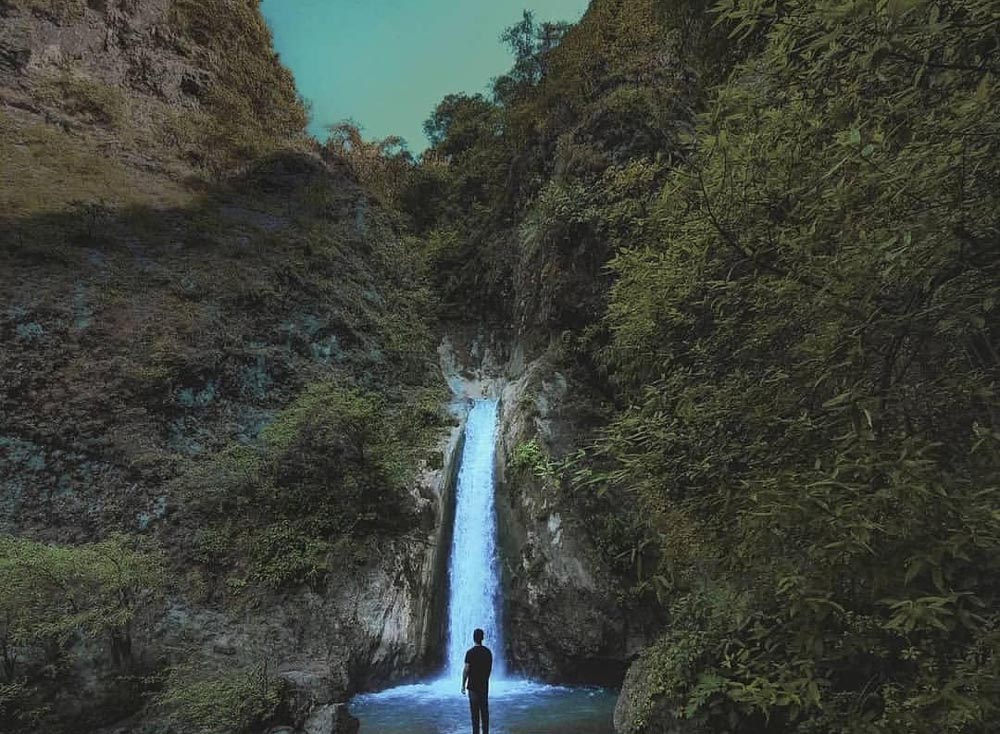
    Located near Jharipani on the Mussoorie–Dehradun route, Jharipani Falls is a relatively peaceful waterfall surrounded by greenery and mountain scenery. The waterfall is reached by road up to the surrounding village area and then by a short walk or trek, depending on the approach used. Sources place the falls roughly 7–9 kilometres from central Mussoorie, while the final approach is commonly described as around 1.5 kilometres on foot.

    Jharipani Waterfall is particularly appealing to travellers who prefer natural surroundings over heavily commercialised tourist attractions. The sound of falling water, forest vegetation, mountain air and views towards the Doon Valley make it a rewarding addition to a Mussoorie itinerary.

    Where Is Jharipani Falls?

    Jharipani Falls lies in the Jharipani area on the southern and southeastern side of Mussoorie, in Uttarakhand’s Dehradun district. It is situated along the Mussoorie–Jharipani road and close to the historic Oak Grove School. Depending on the starting point and route, travel sources give slightly different distances from Mussoorie, generally putting the waterfall around 7–9 kilometres away.

    The location is interesting because it sits away from the busiest commercial areas of Mussoorie. Rather than arriving at a large tourist complex with extensive shops, restaurants and entertainment facilities, visitors gradually transition from the hill roads into a quieter landscape of villages, forest and walking paths.

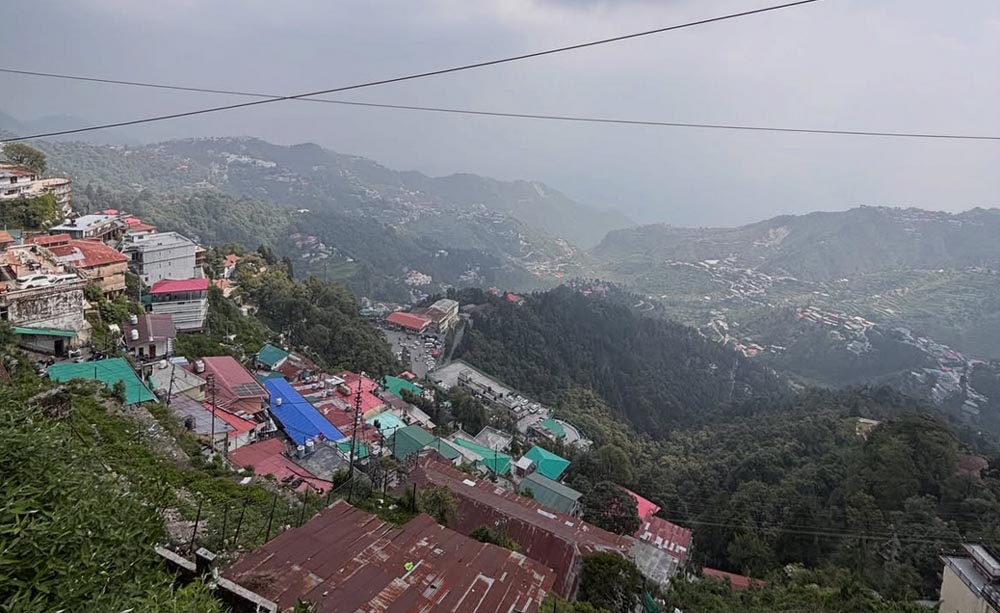
    The surrounding terrain also provides an opportunity to appreciate the geography of the Mussoorie hills. Looking away from the waterfall, visitors can find views towards the Doon Valley and the lower mountain landscape. This combination of waterfall, forest and valley scenery is one of the main reasons Jharipani appeals to photographers, walkers and nature lovers.

    What Makes Jharipani Falls Special?

    The biggest attraction of Jharipani Falls is not simply the waterfall itself but the environment in which it is located. The experience is more intimate than that of some of Mussoorie’s heavily visited attractions. Instead of spending the entire visit at a developed viewpoint, travellers generally walk through the surrounding landscape before reaching the cascade.

    The waterfall becomes particularly attractive after the rains, when the surrounding vegetation becomes lush and the volume of water increases. Monsoon and post-monsoon conditions can transform the hills into vivid shades of green, creating excellent opportunities for nature photography.

    The forest environment is another important part of the experience. Oak and other Himalayan vegetation can be encountered around the wider Jharipani landscape, while wildflowers, creepers and shrubs are also reported in the vicinity of the falls.

    For someone who wants to escape the crowded centre of Mussoorie for a few hours, this natural setting can be more rewarding than simply visiting another viewpoint.

    The Journey to the Waterfall

    One of the appealing aspects of Jharipani Falls is that reaching it involves a small element of adventure. Visitors can travel towards Jharipani by road from Mussoorie and then continue on foot. Travel sources commonly describe a final walk of approximately 1.5 kilometres, although the exact distance varies according to the point where a visitor leaves the vehicle and the route taken.

    The walk is part of the attraction. The landscape gradually changes from the roadside environment to a quieter natural setting. Depending on the season, the path can be surrounded by dense greenery, damp rocks, fallen leaves and mountain vegetation.

    Travellers coming from Dehradun also have the option of incorporating Jharipani into a longer walking experience. The historic Dehradun–Mussoorie trekking corridor passes through Jharipani and Barlowganj. One documented version of this route describes the Jharipani-to-Mussoorie section as approximately 5 kilometres.

    For experienced hikers, this creates the possibility of making Jharipani part of a broader mountain walk rather than treating it simply as a roadside attraction.

    Jharipani and the Historic Mountain Trail

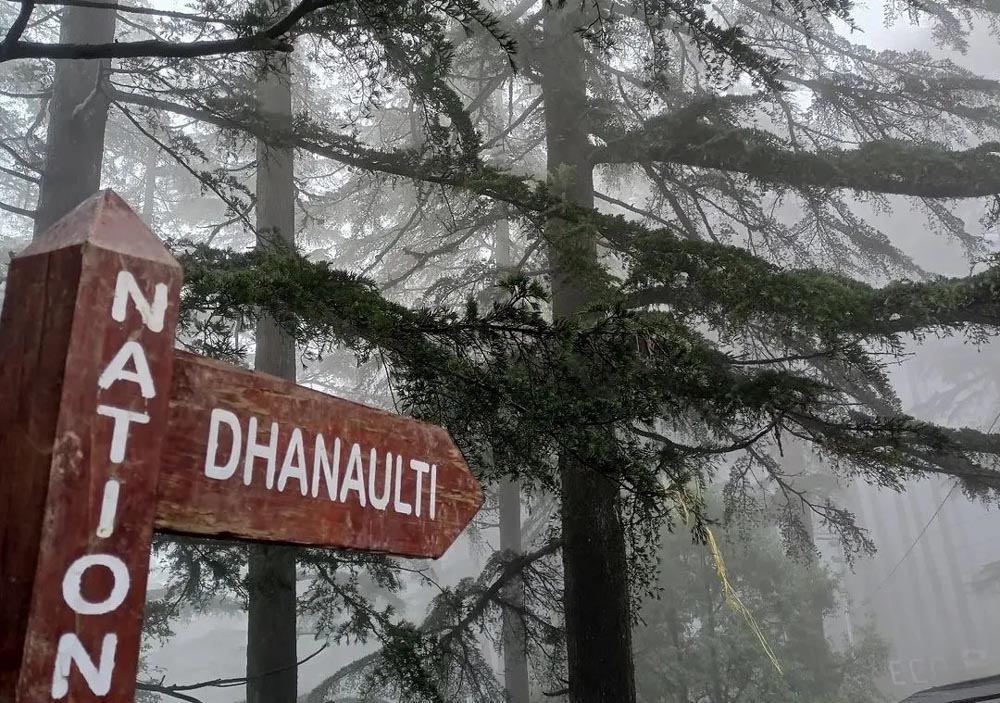
    The wider Jharipani region has a connection with old walking routes between Dehradun and Mussoorie. The route popularly associated with the Kipling Trail follows the historic corridor from the Dehradun side through Jharipani and Barlowganj towards Mussoorie.

    This historical landscape adds another layer to a visit. Long before modern tourists travelled to Mussoorie by cars and buses, hill paths were an important means of movement between the valley and the hill station.

    The route around Jharipani also passes heritage structures and the Oak Grove School area. Oak Grove School was established in 1888 by the East India Railway Company and remains an important historical landmark along the broader trail.

    Consequently, a trip to Jharipani can combine several experiences: a short nature walk, a waterfall visit, mountain scenery and an encounter with the historic character of the Mussoorie hills.

    Best Time to Visit Jharipani Falls

    The best time depends on whether the traveller prioritises waterfall volume or comfortable walking conditions.

    July to September generally brings the strongest rainfall and therefore better water flow. The landscape is also exceptionally green during this period. However, monsoon conditions create an important trade-off: paths and rocks can become slippery, and heavy rain can make mountain travel unpredictable.

    October and November can be an excellent compromise. The monsoon greenery remains attractive, the waterfall can still have substantial flow, and clearer skies may make the surrounding mountain views more enjoyable.

    March to June is another practical period for visitors who want easier walking conditions. The weather is generally more suitable for outdoor exploration, although the waterfall may not be as powerful as during or immediately after the monsoon.

    During the winter months, the water flow may be considerably reduced. Nevertheless, winter can provide crisp mountain air and clearer views, making the area appealing to travellers more interested in hiking and landscapes than in seeing the waterfall at maximum volume.

    Monsoon Safety at Jharipani Falls

    The monsoon is visually beautiful but should not be treated casually. Mountain waterfalls can become dangerous when rainfall is heavy. Rocks become slippery, streams can rise quickly and loose sections of trail may become unstable.

    Visitors should therefore avoid standing directly beneath the cascade, climbing wet rocks or attempting to reach inaccessible sections simply for photographs. A pair of shoes with good grip is considerably more useful than fashionable footwear.

    Heavy rainfall is another reason to avoid lingering too late in the day. If the weather begins deteriorating, returning towards the road should take priority over continuing towards the waterfall.

    Travellers unfamiliar with the area should also avoid assuming that a narrow trail is safe simply because other people have used it. Some routes around Jharipani are informal walking paths rather than developed tourist trails. Current local conditions are worth checking before starting, particularly during the rainy season.

    Flora, Forests and Natural Surroundings

    The natural environment is one of Jharipani Falls’ greatest attractions. The wider Mussoorie landscape supports Himalayan forest vegetation, including oak-dominated areas and other mountain species. Sources describing the waterfall area mention wildflowers, creepers and shrubs, while the broader Jharipani trekking corridor is associated with banj oak forests.

    Walking through these forests provides a different experience from sightseeing in central Mussoorie. Instead of traffic, shops and crowds, visitors may hear birds, insects and the sound of running water.

    The forest also changes dramatically with the seasons. During the rainy months, vegetation becomes dense and vibrant. In autumn, the atmosphere becomes clearer and drier. Winter produces a more open landscape, while spring and early summer can bring fresh vegetation and flowers.

    For nature lovers, therefore, the journey can be just as interesting as the waterfall.

    Photography at Jharipani Falls

    Jharipani Falls offers several kinds of photographic opportunities. The obvious subject is the waterfall, but photographers should also look beyond the cascade.

    Long-exposure photographs can capture the movement of the falling water, while wider compositions can include rocks, forest and surrounding slopes. During the monsoon, saturated greenery provides a dramatic backdrop, while post-monsoon conditions can offer a combination of flowing water and clearer skies.

    The walking trail also creates opportunities for landscape photography. Forest paths, mountain vegetation, village scenery and glimpses of the Doon Valley can all become part of a broader visual story.

    Because the surroundings can be slippery, photography should never take priority over safety. It is particularly unwise to step onto wet rocks or approach an exposed edge simply to obtain a better angle.

    Picnic and Relaxation

    Jharipani Falls is also associated with picnicking and relaxed nature outings.

    The relative quietness of the location makes it suitable for travellers who want to sit for a while, listen to the water and enjoy the forest environment.

    However, visitors should follow a simple principle: leave the place as clean as they found it. Carrying snacks and water is sensible because facilities immediately around the waterfall are limited. Any wrappers, bottles or food packaging should be taken back rather than left along the trail.

    The quieter character of Jharipani is part of its appeal. Preserving that character requires visitors to avoid loud music, littering and unnecessary disturbance to wildlife.

    How to Reach Jharipani Falls from Mussoorie

    From central Mussoorie, visitors generally travel towards the Jharipani area via the Mussoorie–Jharipani road. The distance is commonly reported at around 7–9 kilometres depending on the starting point and destination reference.

    Local taxis and shared transport can be used to reach the Jharipani area. From the roadhead, visitors continue on foot towards the waterfall. Different route descriptions give different distances for the final walking section, but approximately 1.5 kilometres is frequently cited. Travellers starting from Dehradun can approach Jharipani via the Mussoorie road or incorporate the waterfall into the historic walking route towards Mussoorie. The broader Dehradun–Mussoorie trek through Jharipani and Barlowganj is considerably longer and should be treated as a proper hiking excursion rather than a simple waterfall visit.

    Because local paths and access conditions can change, it is wise to confirm the current road and trail situation locally before setting out.

    What to Carry

    A Jharipani Falls excursion does not require complicated trekking equipment, but a few basic items can make the experience considerably more comfortable.

    Carry sufficient drinking water, especially because there may not be reliable shops immediately beside the trail. Light snacks are useful for a longer outing. During monsoon, a rain jacket or compact umbrella can be valuable, although an umbrella may be inconvenient on narrow paths.

    Good walking shoes with traction are among the most important things to carry. A small first-aid kit, mobile phone, power bank and waterproof bag for electronics are also sensible additions.

    Visitors travelling during sunny months should consider sunscreen, sunglasses and a hat. In the wetter months, insect repellent can also be useful.

    Most importantly, avoid carrying unnecessary heavy luggage. A small backpack is much easier to manage on a downhill and uphill forest trail.

    Nearby Attractions

    Jharipani Falls can easily be incorporated into a wider Mussoorie sightseeing itinerary. The central attractions of Mussoorie are within convenient driving distance, although exact travel times depend heavily on traffic and weather.

    The Jharipani and Barlowganj areas also connect with the historic walking route towards Mussoorie. Travellers interested in heritage can explore the surroundings of Oak Grove School and the old trail landscape.

    Other well-known attractions around Mussoorie include Kempty Falls, Bhatta Falls, Gun Hill, Camel’s Back Road, Lal Tibba, George Everest and Landour. The choice depends on whether a traveller wants waterfalls, viewpoints, heritage, hiking or relaxed sightseeing.

    One advantage of visiting Jharipani is that it can provide a quieter natural experience between visits to the more popular attractions.

    Is Jharipani Falls Worth Visiting?

    For travellers expecting a huge waterfall surrounded by elaborate tourist infrastructure, Jharipani Falls may seem modest. Its appeal lies elsewhere.

    This is a destination for people who enjoy the journey as much as the final viewpoint. The walk, forest, mountain air, sound of water and relatively peaceful atmosphere create a distinctly different experience from Mussoorie’s commercial centre.

    It is especially worthwhile for photographers, couples looking for a quiet outing, families with older children who enjoy short hikes, nature lovers and travellers interested in exploring lesser-known parts of the Mussoorie landscape.

    The waterfall is also a good reminder that the beauty of Uttarakhand is not limited to its famous destinations. Sometimes the most memorable experiences come from following a small trail away from the main tourist road.

    Responsible Tourism at Jharipani Falls

    The future of places such as Jharipani depends heavily on responsible tourism. As more travellers discover lesser-known attractions, increased footfall can bring litter, trail erosion and disturbance to the natural environment.

    Visitors should avoid plastic waste, respect local residents, stay on established paths where possible and refrain from damaging plants. Natural pools and streams should also be treated carefully, particularly after heavy rainfall.

    There is no need to turn a quiet Himalayan waterfall into another crowded commercial attraction. Its value comes precisely from its relatively natural character.

    Supporting local transport providers and small businesses in the surrounding villages can also help ensure that tourism contributes to the local economy without overwhelming the landscape.

    Final Thoughts

    Jharipani Falls is one of those Mussoorie destinations that rewards travellers willing to look beyond the conventional sightseeing circuit. Its waterfall may not have the scale or commercial popularity of Kempty Falls, but its combination of forest, mountain paths, flowing water and Doon Valley scenery gives it a distinctive charm.

    The experience is particularly beautiful during and after the monsoon, when the surrounding hills become intensely green and the waterfall gains strength. October and November can offer an appealing balance between scenery and more comfortable weather, while the drier months are better suited to travellers who prioritise walking conditions.

    Whether visited as a short excursion from Mussoorie or incorporated into a longer Dehradun–Mussoorie hiking experience, Jharipani offers an opportunity to slow down and experience a quieter side of Uttarakhand. For travellers who value nature, photography, walking and peaceful surroundings, it deserves a place on a well-planned Mussoorie itinerary.
  • High above the busy streets of Mussoorie lies a place that seems to belong to another era. Wrapped in deodar forests, old stone pathways, colonial-era cottages and sweeping Himalayan views, Landour in Uttarakhand offers a slower and more intimate experience of the mountains. Although it is now closely connected with Mussoorie, Landour has retained an identity of its own. Its narrow roads, peaceful walking trails, historic churches, old cantonment buildings, traditional bakeries and literary associations make it one of the most distinctive hill destinations in Uttarakhand.

    Landour is not a destination that needs a long list of entertainment options. In fact, its greatest attraction is the absence of excessive activity. Visitors come here to walk beneath tall trees, drink hot tea while looking across the mountains, explore old neighbourhoods, enjoy freshly baked food, read a book, photograph colonial architecture and experience the quiet rhythm of Himalayan life. Its elevation is above 7,000 feet, giving it a cooler atmosphere than the plains and contributing to its characteristic mountain landscape.

    A Glimpse into Landour’s History

    Landour’s story is closely connected with the British military presence in the Himalayan region. The settlement began developing in the early nineteenth century after British officers explored the hills around present-day Mussoorie. Captain Frederick Young, associated with the first Gurkha battalion raised by the British, is traditionally credited with establishing one of the earliest permanent residences in the area. His house, Mullingar, became an important part of Landour’s early history. Sources place its construction in the 1820s, with the British subsequently establishing a convalescent depot in Landour in 1827.

    The purpose of Landour was significantly different from that of the increasingly social and commercial Mussoorie. Landour developed primarily as a military sanatorium and cantonment, where soldiers and officers could recover from illnesses associated with life in India’s warmer regions. The cool climate, mountain air and forests made the location suitable for convalescence. This military history explains much of Landour’s distinctive architecture and its unusually peaceful atmosphere.

    The name itself has an interesting colonial connection. It is generally associated with Llanddowror, a village in southwest Wales. Like several settlements established or renamed during the colonial period, the name reflected the nostalgia of British residents for places associated with home.

    Over time, churches, cemeteries, cottages and institutional buildings appeared across the hillside. Many of these structures remain important visual reminders of Landour’s past. Unlike heavily commercialized hill stations, portions of Landour retained restrictions on construction and development, helping preserve much of its old-world character.

    Landour and Mussoorie: Close Neighbours with Different Personalities

    For many travellers, the distinction between Mussoorie and Landour can initially be confusing. Geographically, they form a continuous urban area, but culturally and atmospherically they feel different.

    Mussoorie is the larger and more commercially developed hill station. Its Mall Road, markets, hotels, restaurants and sightseeing attractions attract large numbers of visitors, particularly during the summer holiday season. Landour, on the other hand, rises above Mussoorie and retains a quieter cantonment character.

    The climb from the central parts of Mussoorie toward Landour helps create this transition. A relatively short journey can take visitors from busy streets into quieter lanes surrounded by trees and old homes. The change is particularly noticeable around the Landour cantonment and the areas near Lal Tibba and Char Dukan.

    This difference is one of Landour’s greatest strengths. It allows travellers to combine the attractions of Mussoorie with the peacefulness of a smaller mountain neighbourhood.

    Lal Tibba: Landour’s Famous Viewpoint

    One of the most famous places in Landour is Lal Tibba, a viewpoint associated with magnificent Himalayan panoramas. On a clear day, the elevated location offers views toward distant mountain ranges and surrounding valleys. The landscape changes dramatically according to season and weather. During clear winter mornings, the mountains can appear sharply defined, while monsoon clouds create a completely different atmosphere.

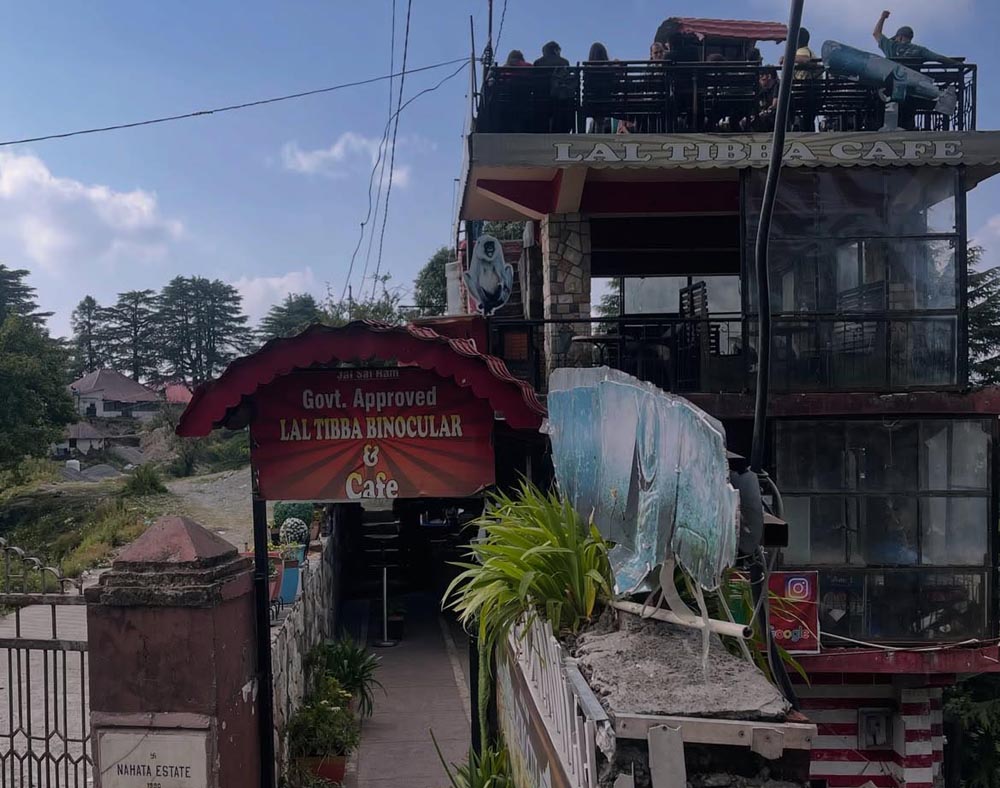
    Lal Tibba Scenic Cafe is one of the recognizable visitor stops around the viewpoint, and the surrounding area has cafés and places where travellers can pause after exploring the roads of Landour.

    Lal Tibba is particularly enjoyable for visitors who appreciate scenery rather than organized entertainment. Instead of rushing through the area, it is worth spending time simply watching clouds move across the mountains, listening to birds and observing the changing light over the valleys.

    Char Dukan and the Food Culture of Landour

    Another iconic Landour landmark is Char Dukan, whose name literally means “four shops.” Historically, the cluster consisted of four small establishments, although the area has evolved and additional businesses now operate nearby. Despite these changes, the traditional name remains firmly attached to the location.

    Char Dukan has become one of Landour’s most popular food stops. The experience is less about sophisticated dining and more about enjoying simple comfort food in a mountain setting. Hot tea, coffee, pancakes, omelettes, sandwiches, pakoras and other snacks are particularly popular.

    The appeal of Char Dukan lies partly in its atmosphere. Visitors can sit outside, enjoy the cool mountain air and watch people walking through the old cantonment neighbourhood. On cold mornings, a steaming cup of tea or coffee becomes almost part of the sightseeing experience itself.

    Near Char Dukan is St. Paul’s Church, adding another layer of historical character to the neighbourhood. The combination of old architecture, tall trees, cafés and quiet roads makes this one of the most recognizable areas of Landour.

    Sister’s Bazaar and the Traditional Side of Landour

    Sister’s Bazaar is another important part of the Landour experience. Historically associated with nurses who served the military community, the neighbourhood developed around the cantonment’s institutional history. Today, it is known for its small shops, cafés and food establishments.

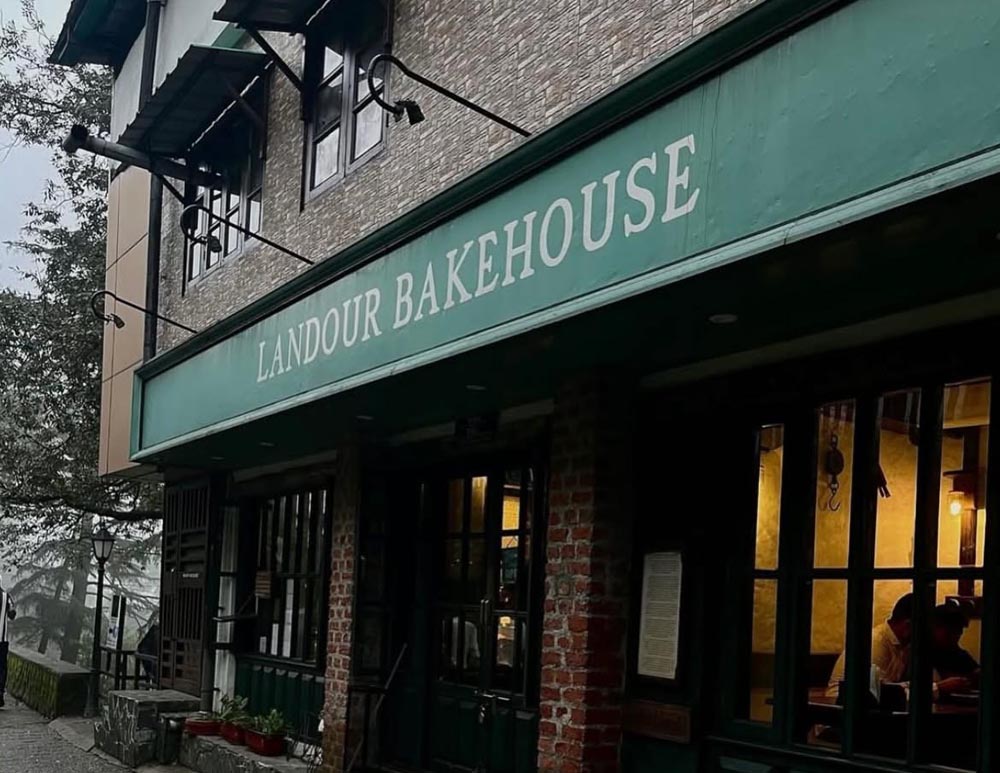
    One of its best-known attractions is Landour Bakehouse, a popular stop for visitors looking for baked goods and café-style food. The area also has small local stores that contribute to the old-fashioned character of the neighbourhood.

    The charm of Sister’s Bazaar is its modest scale. Rather than resembling a conventional shopping district, it feels like a small mountain community where cafés, houses and shops exist alongside one another.

    Landour’s Churches and Colonial Architecture

    Architecture is an important part of the destination’s appeal. Landour contains several old churches and colonial-era buildings whose design reflects its military and European history. Gabled roofs, stone structures, wooden elements, gardens and weathered walls contribute to the distinctive visual character.

    St. Paul’s Church and Kellogg’s Church are among the better-known religious landmarks in the area. Their presence is a reminder that Landour was once a carefully planned colonial settlement rather than simply a tourist destination.

    Walking through the neighbourhood provides an opportunity to appreciate these structures without the pressure of a conventional sightseeing schedule. Some buildings are private residences or institutional properties, so visitors should respect signs, boundaries and restricted areas.

    Landour Cemetery and the Stories of the Past

    The Landour Cemetery offers another perspective on the town’s history. Located amid trees and old pathways, the cemetery contains graves connected with the colonial-era community. Many people who died from diseases while serving in the region were buried in such hill-station cemeteries.

    Beyond its historical value, the cemetery contributes to Landour’s atmosphere of mystery. Old graves, weathered stones and tall trees naturally encourage stories about people who lived in the hills generations ago. Landour’s long association with writers and storytellers has further strengthened this connection between history, memory and local folklore.

    Visitors should approach the cemetery respectfully. It is not simply a sightseeing attraction but also a historical burial ground.

    Ruskin Bond and Landour’s Literary Identity

    Perhaps no modern personality is more closely associated with Landour than writer Ruskin Bond. His long relationship with Mussoorie and Landour has helped transform the area into a destination for literature lovers. Many readers visit the hills after encountering his descriptions of mountains, forests, small towns, childhood memories and ordinary people.

    Landour’s atmosphere seems naturally suited to literary inspiration. Quiet lanes, old houses, mist-covered trees, mountain views and changing seasons create the kind of environment that encourages observation. The town has also been associated with other writers and artists over the decades.

    However, visitors should remember that Landour is a residential community rather than a literary theme park. The pleasure of following its literary history comes from exploring the landscape and atmosphere that inspired writers, rather than expecting celebrity encounters.

    The Chukker Trail and Walking Culture

    Walking is arguably the best way to experience Landour. The Chukker Trail, a roughly three-kilometre circuit, provides an opportunity to explore the ridge and surrounding neighbourhood at a relaxed pace. The route passes through areas where visitors can experience forests, mountain views, old homes and the quiet side of Landour.

    The walking experience is very different from sightseeing in a conventional city. There is no need to constantly search for the next attraction. A bend in the road may reveal a valley view, an old cottage, a flowering tree or an unexpectedly peaceful stretch of forest.

    Because Landour is hilly, comfortable walking shoes are essential. Even relatively short distances can feel demanding because of the elevation and slopes. Travellers should also allow additional time during rainy or foggy weather.

    Nature and Wildlife Around Landour

    Landour’s natural setting is one of its defining characteristics. Tall deodar, oak and other Himalayan trees surround many parts of the settlement. Rhododendrons bring colour to the landscape during their flowering season, while birds add another dimension to the quiet environment.

    Birdwatchers may find the area particularly rewarding. The absence of heavy traffic and extensive urban development creates a pleasant environment for observing Himalayan birdlife. Even travellers without a specific interest in birds can appreciate the sounds and movement of wildlife while walking.

    The changing seasons also transform Landour. Spring brings flowers and fresh greenery, summer offers relief from the heat of the plains, monsoon creates mist and lush vegetation, while winter brings cold mornings and occasionally snowy conditions in the wider Mussoorie region.

    Food, Cafés and the Landour Experience

    Food in Landour is closely connected with the destination’s slow-travel character. Rather than rushing between major restaurants, visitors often spend time at cafés enjoying hot beverages, baked goods and simple meals.

    Apart from Landour Bakehouse, travellers can explore establishments such as Cafe Ivy, La La Landour and Doma’s Inn. Each contributes to the broader café-and-food culture that has developed around the old neighbourhood.

    For accommodation, Rokeby Manor, Mussoorie and Tree of Life Highlands, Mussoorie are among the options in and around Landour. Staying overnight makes it easier to experience the town before day visitors arrive and after many tourists have left.

    Best Time to Visit Landour

    Landour can be visited throughout much of the year, but the ideal season depends on what kind of experience you want.

    Spring is particularly attractive for flowers, fresh vegetation and pleasant walking conditions. Summer is popular with travellers escaping the intense heat of northern India’s plains. The weather is considerably cooler, making mornings and evenings especially enjoyable.

    The monsoon brings mist, rain and vibrant greenery. Although the landscape becomes beautiful, slippery roads, cloud cover and occasional travel disruptions can make outdoor sightseeing less predictable.

    Autumn and winter are excellent for travellers seeking crisp mountain air and clearer views. Winter mornings can be very cold, so warm clothing is essential. Visitors who enjoy atmospheric fog, fireplaces and quiet cafés may find winter especially appealing.

    How to Reach Landour

    Landour is most commonly accessed through Mussoorie and Dehradun. The nearest major railway station is Dehradun, while the nearest major airport is Jolly Grant Airport near Dehradun. From Dehradun, travellers can continue by road toward Mussoorie and then proceed into Landour.

    For visitors already staying in Mussoorie, reaching Landour is relatively straightforward. Depending on the starting point, travellers can drive, take local transport or walk toward the upper areas. The journey itself becomes part of the experience as the roads climb into quieter surroundings.

    Because some parts of Landour are within cantonment areas, visitors should not assume that every road or property is open for unrestricted access.

    Where to Stay in Landour

    Staying in Landour is ideal for travellers who want a quiet mountain holiday rather than a packed sightseeing schedule. Heritage-style properties and boutique accommodations allow visitors to experience the architecture and atmosphere of the old hill settlement.

    The advantage of staying overnight is that Landour feels particularly different early in the morning. Before cafés become busy and day visitors arrive, the roads can be remarkably peaceful. Morning walks through the deodar-lined lanes can be one of the most memorable parts of a trip.

    Travellers who prefer a greater variety of hotels, restaurants and transportation options can stay in Mussoorie and visit Landour during the day.

    Things to Keep in Mind

    Landour’s charm depends heavily on its peaceful character, so responsible tourism is particularly important. Visitors should avoid loud music, littering and unnecessary disturbance in residential areas. Photography should also be approached thoughtfully, especially around private homes, military establishments and religious sites.

    The steep terrain means that elderly travellers, young children and people with mobility difficulties may need to plan routes carefully. Weather can change rapidly in the mountains, so carrying a light rain jacket and warm layer is advisable even during warmer months.

    Mobile connectivity and modern conveniences are available, but Landour is best enjoyed when travellers do not expect the intensity of a major tourist centre.

    Why Landour Deserves a Place on Your Uttarakhand Itinerary

    Landour’s greatest attraction is its atmosphere. It does not compete with other Himalayan destinations through adventure sports, enormous shopping districts or a long catalogue of attractions. Instead, it offers something increasingly rare: the opportunity to slow down.

    A walk along the Chukker Trail, breakfast near Char Dukan, a visit to Lal Tibba, time spent exploring Sister’s Bazaar, an afternoon reading in a quiet café and an evening surrounded by deodar trees can create a far richer experience than rushing through a checklist of attractions.

    The destination’s history, architecture and literary associations add depth to its natural beauty. Its British-era origins, military heritage, churches and old cemeteries tell the story of an earlier Himalayan settlement, while its cafés, boutique stays and contemporary visitors represent the newer chapter of Landour’s history.

    Ultimately, Landour is a place for travellers who enjoy the journey as much as the destination. It is ideal for walkers, photographers, readers, nature lovers, architecture enthusiasts, food lovers and anyone looking for a peaceful mountain escape. Its greatest luxury is not extravagance but silence—the sound of wind through deodar branches, birds calling from the forest, footsteps along an old road and distant mountains appearing through gaps in the trees.

    For anyone exploring Uttarakhand, Landour offers a beautiful reminder that some of the most memorable Himalayan experiences come not from doing more, but from slowing down enough to notice what is already there.

  • At the western edge of Mussoorie, far away from the busy Mall Road, crowded viewpoints and constant movement of the central hill station, lies a remarkably peaceful destination known as Cloud’s End. Surrounded by dense oak and deodar forests, mist-covered hills and expansive Himalayan landscapes, Cloud’s End offers a very different experience of Mussoorie. Here, the atmosphere changes from that of a lively tourist town to a quiet mountain wilderness where forest paths, old colonial architecture and distant valleys create an unforgettable setting.

    Cloud end is generally described as the western end of Mussoorie and is located roughly 6–8 kilometres from the Library area, depending on the route and point of measurement. The destination is particularly attractive to travellers who want to experience the quieter side of the hill station. Thick forests surround the area, while the historic Cloud End bungalow provides an important connection to Mussoorie’s colonial past.

    Discovering the Quiet Side of Mussoorie

    Mussoorie is famous for its Mall Road, Gun Hill, Kempty Falls, Camel’s Back Road and colonial architecture, but the character of the town changes considerably as one travels towards Cloud’s End. The shops and busy streets gradually disappear, the roads become quieter and forest cover becomes increasingly dominant.

    This transition is one of the most appealing aspects of Cloud’s End. Rather than being a conventional tourist attraction filled with commercial establishments, it feels like a retreat into nature. The sound of traffic is replaced by birdsong and the movement of wind through tall trees. On misty days, clouds drift between the surrounding hills, sometimes reducing visibility and creating an almost dreamlike landscape.

    The destination is therefore especially appealing to nature lovers, photographers, couples, hikers and travellers who prefer peaceful surroundings over heavily commercialised attractions.

    The Fascinating History of Cloud’s End

    One of the most important reasons Cloud’s End stands apart from ordinary viewpoints is its historical significance. The area is associated with Major Edmund Swetenham, a British officer who built the famous Cloud End bungalow in 1838. The property is considered one of the early colonial-era buildings associated with Mussoorie.

    According to the traditional story associated with the estate, Major Swetenham encountered a local mountain woman while travelling through the area and eventually married her with the permission of her family. Her father, described in the estate’s history as a local zamindar, is said to have given the estate as a dowry. Swetenham subsequently selected a hill near Moolti Tibba for the construction of his home.

    The bungalow was completed in 1838, reportedly with the help of hundreds of local workers. Four generations of the Swetenham family are said to have lived there before the family eventually returned to England in the 1960s.

    The name “Cloud End” itself has an interesting story. The estate’s official history states that the house was named after a peak near the Swetenham family’s home in Wales. Over the decades, the name became closely associated with this remote western corner of Mussoorie.

    Today, the old property survives as a heritage destination, allowing visitors to experience an atmosphere that recalls the early days of the hill station.

    The Heritage Bungalow and Colonial Character

    The historic bungalow is one of the major attractions of Cloud’s End. Its architecture represents an earlier period of Mussoorie when colonial officers established large residences in secluded forested locations rather than the densely developed urban landscape seen today.

    The heritage property retains elements associated with its colonial past, and its setting is arguably just as important as the building itself. Surrounded by mature trees and mountains, the bungalow appears to belong naturally to the landscape.

    The present-day Cloud End Forest Resort describes the original structure as a 1838 bungalow and maintains heritage accommodation and facilities associated with the estate. Its property includes forested areas and nature trails.

    For travellers interested in architecture and history, the bungalow provides an opportunity to see a different side of Mussoorie’s heritage. Instead of visiting a monument in isolation, visitors encounter a historic structure still surrounded by the forests and landscape that shaped its original character.

    Oak and Deodar Forests

    Perhaps the greatest attraction of Cloud’s End is its forest environment. Thick oak and deodar trees cover the surrounding hills, creating a cool and shaded landscape that feels remarkably different from central Mussoorie.

    The forests are particularly beautiful during the monsoon and post-monsoon seasons, when vegetation becomes lush and the atmosphere is frequently filled with mist. During autumn, changing foliage and clear mountain light can make the area especially attractive for photography.

    The official Cloud End property describes its estate as containing extensive private forest and nature trails, while travel sources also highlight the oak and deodar forests around the destination.

    Walking through these forests is not necessarily about reaching a particular destination. The experience lies in slowing down, listening to the forest and enjoying the changing views between the trees. Visitors should nevertheless stay on established paths and respect private-property and forest-access restrictions.

    Views, Clouds and the Mountain Landscape

    Cloud’s End is particularly atmospheric because of its location on the western side of the Mussoorie ridge. Depending on weather conditions, visitors can experience views towards valleys and distant mountain ridges.

    On clear days, the landscape opens up dramatically. On cloudy or misty days, however, the experience can be completely different. Clouds may move across the hills and sometimes seem to rise from the valleys below.

    This changing weather is one of the destination’s defining characteristics. A sunny morning can transform into a misty afternoon, while an overcast landscape may suddenly open to reveal distant mountain ranges.

    The nearby Cloud End property also highlights views towards the Doon Valley, Himalayan ranges and the surrounding forest landscape.

    The Famous Winter Line

    Another atmospheric phenomenon associated with Mussoorie is the winter line. During the colder months, especially around autumn and winter evenings, atmospheric conditions can create striking horizontal bands of colour near the horizon around sunset.

    Cloud’s End can be a particularly attractive location for watching changing evening colours because of its relatively open western-facing setting and distance from the busiest parts of Mussoorie.

    Photographers often visit the western side of Mussoorie during late afternoon because the combination of forests, clouds, mountains and sunset light can produce dramatic photographs. The exact appearance of the winter line naturally depends on weather and atmospheric conditions, so it should be regarded as a seasonal possibility rather than a guaranteed daily spectacle.

    Things to Do at Cloud’s End

    Cloud’s End is not a destination where visitors need a long list of organised activities. Its greatest attraction is the environment itself.

    Nature walks are among the most enjoyable things to do. The forest surroundings provide opportunities to walk beneath oak and deodar trees while enjoying cooler temperatures and quiet surroundings. The wider area also provides access to trails and routes towards places such as Benog, Bhadraj and other western Mussoorie attractions.

    Photography is another major attraction. The historic bungalow, forest pathways, mist, mountain scenery and changing sky provide numerous subjects. Early morning is excellent for soft light and atmospheric forest photography, while late afternoon can be ideal for landscapes and sunset conditions.

    Birdwatching can also be rewarding. The forests around the western Mussoorie region provide habitat for Himalayan birdlife, making the area interesting for visitors who enjoy observing birds and nature.

    For travellers who simply want to relax, sitting quietly amid the forest can be more rewarding than trying to complete a packed sightseeing schedule.

    Cloud’s End and Benog Wildlife Sanctuary

    The proximity of Cloud’s End to the Benog area makes it an attractive base for travellers interested in nature and hiking. Benog is known for its forest environment, mountain trails and birdlife.

    Visitors should distinguish between Cloud’s End itself, private estate areas and forest or sanctuary areas, because access conditions can differ. Forest trails may have their own rules, entry requirements and operating hours. Current local instructions should always be checked before beginning a longer hike.

    For experienced walkers, the western Mussoorie landscape can become part of a larger hiking itinerary. Routes around Benog and neighbouring areas offer a much more immersive Himalayan experience than simply visiting central Mussoorie’s roadside viewpoints.

    Best Time to Visit Cloud’s End

    Cloud’s End can be visited during much of the year, but the experience changes considerably with the seasons.

    Summer is comfortable compared with the plains and is particularly attractive for travellers escaping hot weather. Mussoorie becomes busy during the summer holiday period, but Cloud’s End generally retains a quieter atmosphere because it lies away from the central tourist zone.

    Monsoon transforms the landscape into a lush green environment. Mist, rain and clouds can make Cloud’s End exceptionally atmospheric. However, wet roads, slippery trails and reduced visibility require additional caution.

    Autumn is one of the most appealing periods for photographers and nature lovers. The weather often becomes clearer after the monsoon, while the forests retain much of their greenery.

    Winter offers crisp air, clearer views on suitable days and opportunities to experience the winter atmosphere and sunset colours. Warm clothing is essential because temperatures can fall significantly, particularly in the mornings and evenings.

    For a balance between pleasant weather, greenery and relatively good visibility, the post-monsoon and autumn period is often an excellent choice.

    How to Reach Cloud’s End

    Cloud’s End is accessible from Mussoorie by road, although the final approach is much quieter than the roads around the main tourist centre. The Cloud End Forest Resort’s official directions describe the route from the Doon–Mussoorie road towards Hathipaon and then onward to Cloud End. From the Library end of Mall Road, the destination is approximately 7 kilometres away.

    Visitors arriving by car can generally drive towards the destination, although hill roads require careful driving, particularly during rain, fog and winter conditions.

    Those without private transport can hire a taxi from Mussoorie. Since local transport arrangements and fares can change, it is sensible to confirm the return arrangement with the driver before leaving town.

    Dehradun is the nearest major transport hub. The nearest railway station is Dehradun Railway Station, while Jolly Grant Airport serves the wider Dehradun region. The official property information places the railway station roughly 34 kilometres away and the airport about 58 kilometres from Mussoorie.

    Cloud’s End as a Peaceful Alternative to Mall Road

    The greatest advantage of Cloud’s End is its contrast with central Mussoorie.

    Mall Road is energetic, social and commercial. Cloud’s End is quiet, forested and contemplative. Both experiences are valuable, but they appeal to different kinds of travellers.

    Someone visiting Mussoorie for the first time should certainly experience the famous attractions of the town, but adding Cloud’s End to the itinerary provides a deeper understanding of why Mussoorie became such a celebrated mountain retreat.

    The area demonstrates how dramatically the character of the landscape can change within only a few kilometres. The crowded streets gradually give way to forests, old estates and mountain silence.

    Photography at Cloud’s End

    Photographers will find plenty of opportunities around Cloud’s End. The old bungalow is particularly interesting for architectural photography, while the surrounding forest provides natural frames for landscape compositions.

    During misty weather, trees disappearing into clouds can create atmospheric photographs. After rainfall, wet foliage and diffused light can make the forest particularly photogenic.

    Sunset photography is another attraction. Instead of photographing only the sun, visitors can focus on the changing colours of the sky, silhouettes of trees and layered mountain ridges.

    A tripod can be useful during low-light conditions, but visitors should avoid obstructing pathways or entering restricted areas simply to obtain a photograph.

    Practical Travel Tips

    Cloud’s End is best approached as a nature and heritage destination rather than as a conventional entertainment spot. Visitors should wear comfortable shoes, particularly if they plan to walk through forest paths.

    Weather can change quickly in the hills, so carrying a light rain jacket is useful even when the forecast appears favourable. During winter, warm layers are important, especially for early morning and evening visits.

    Because the destination is comparatively secluded, visitors should carry water and any essential personal items with them. Mobile connectivity and other services may not be as convenient as they are in central Mussoorie.

    It is also important to respect the forest environment. Plastic waste should not be left behind, loud music should be avoided and wildlife should never be approached or fed.

    Most importantly, visitors should verify current access arrangements before travelling. The heritage property’s own website currently notes that room reservations are closed for a period while day entry is open for its museum, photo gallery and viewpoint, with an advertised adult and child entry charge. These arrangements can change, so checking directly before departure is advisable.

    Nearby Attractions

    Cloud’s End can easily be combined with other western Mussoorie attractions. Benog Wildlife Sanctuary is an obvious choice for nature enthusiasts, while Bhadraj Temple offers a more adventurous excursion for hikers.

    George Everest House is another worthwhile addition to a western Mussoorie itinerary, particularly for travellers interested in history and panoramic mountain landscapes. Happy Valley and the Tibetan Buddhist cultural sites around Mussoorie can also be incorporated into a broader sightseeing route.

    Travellers should avoid attempting to cover too many places in one day. The western side of Mussoorie is best enjoyed slowly, with time reserved for walking, photography and simply appreciating the mountain environment.

    Why Cloud’s End Deserves a Place on Your Mussoorie Itinerary

    Cloud’s End represents a quieter and more atmospheric side of Uttarakhand’s famous hill station. Its importance comes from the combination of history, forests, mountains and solitude rather than from a single dramatic attraction.

    The 1838 heritage bungalow connects the area to Mussoorie’s early colonial history. The oak and deodar forests provide a natural setting for walking and birdwatching. The surrounding hills create opportunities for photography, while mist and changing weather give the landscape a constantly evolving appearance.

    Perhaps the best way to understand Cloud’s End is to think of it as a place where Mussoorie slows down. The lively hill station gradually disappears behind you, replaced by tall trees, mountain air and distant valleys. Instead of rushing from one attraction to another, visitors can spend a few peaceful hours walking through the forest, exploring the heritage surroundings and watching clouds move across the mountains.

    For travellers looking beyond the familiar tourist circuit, Cloud’s End offers exactly what its name promises: a beautiful meeting point between the built-up world of Mussoorie and the immense, quiet landscape of the Himalayas.

  • Nestled amid the beautiful hills of Mussoorie in Uttarakhand, Company Garden is one of those places that combines natural beauty, recreation and a relaxed family atmosphere in a single destination. Also known as Municipal Garden and Company Bagh, the garden is situated roughly 3 kilometres from Mussoorie’s famous Mall Road and is particularly popular with families, couples, children and travellers looking for an easy-going break from the busier parts of the hill station.

    Unlike viewpoints such as Gun Hill or Lal Tibba, Company Garden is not primarily about spectacular Himalayan panoramas. Its appeal comes from colourful flowerbeds, landscaped lawns, greenery, a small artificial lake, boating, children’s activities, food stalls and several other attractions. This makes it especially suitable for visitors who want to spend a couple of pleasant hours walking, photographing flowers, enjoying a boat ride or simply sitting in a peaceful garden environment.

    A Glimpse into the History of Company Garden

    Company Garden has a connection with the colonial history of Mussoorie. The garden is traditionally associated with the British period and is said to have been established as a botanical and recreational space in the nineteenth century. Several travel sources place its establishment around 1842, although accounts differ regarding the precise historical details and the people involved. It was also known as Company Bagh or Municipal Garden over different periods.

    The garden’s original character was closely connected with horticulture. Mussoorie’s cool mountain climate offered favourable conditions for cultivating a variety of ornamental plants and flowers. Over time, the site evolved from a primarily botanical and recreational garden into a more visitor-oriented attraction.

    Today, Company Garden is maintained as a tourist destination with landscaped areas and recreational facilities. Its historical character is therefore only one part of the experience. For modern visitors, the attraction is better understood as a combination of garden, picnic destination and small family entertainment centre.

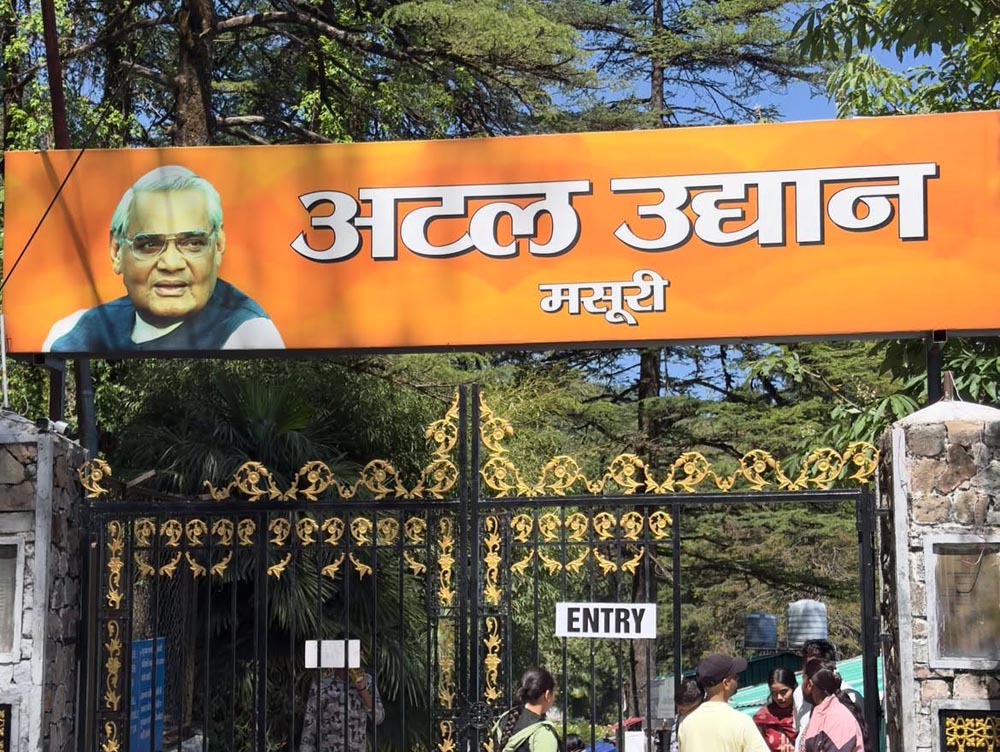
    There has also been some variation in how the garden is officially or popularly named. Visitors may encounter the names Company Garden, Company Bagh, Municipal Garden and, in some recent local references, Atal Udyan. For tourists, however, “Company Garden” remains the most widely recognised name.

    Where Is Company Garden Located?

    Company Garden is located in the Happy Valley/Company Garden area of Mussoorie, approximately 3 kilometres from Mall Road. It lies along the road leading toward the Kempty Falls side of Mussoorie, making it relatively convenient to include in a wider sightseeing itinerary.

    The garden’s location is one of its biggest advantages. Visitors staying around Mall Road can reach it without having to dedicate an entire day to travelling. Depending on traffic and the starting point, the journey from central Mussoorie generally takes only a short time by taxi or local transport.

    For first-time visitors, hiring a local taxi is usually the simplest option. Those staying close to Library may also find local transport options convenient. Walking is possible for people who enjoy hill roads and are comfortable with the terrain, but Mussoorie’s slopes can make the journey considerably more tiring than the distance suggests.

    The nearest major railway connection is Dehradun, while Jolly Grant Airport near Dehradun is the principal airport serving the wider region. From Dehradun, travellers normally continue to Mussoorie by road.

    What Makes Company Garden Special?

    The biggest attraction of Company Garden is its variety. Many tourist spots specialise in one particular experience: a waterfall, viewpoint, temple, museum or trekking trail. Company Garden offers several small experiences within the same compound.

    The landscaped flowerbeds immediately provide the garden with its most recognisable character. Depending on the season, visitors can see different varieties of colourful flowers arranged around lawns and pathways. This creates a pleasant environment for leisurely walks and photography.

    The garden is also designed to be relatively easy to explore. Compared with some of Mussoorie’s steeper attractions, its developed pathways and garden areas make it a comfortable option for families who do not want a strenuous excursion.

    The combination of flowers, greenery, water features and recreational attractions means that different members of a family can enjoy different aspects of the same visit. Children can enjoy rides and boating, adults can photograph the gardens and couples can simply spend time walking through the landscaped surroundings.

    The Colourful Flower Gardens

    Flowers are arguably the heart of Company Garden. The carefully arranged flowerbeds give the destination much of its visual appeal, particularly during the flowering seasons.

    Visitors can expect a changing display of seasonal flowers rather than exactly the same landscape throughout the year. Spring and the warmer months are particularly attractive for people interested in horticulture and garden photography. Travel sources commonly recommend the late spring and summer period when many flowers are in bloom.

    The garden’s flowers also make it popular among photography enthusiasts. Instead of searching for a dramatic mountain viewpoint, visitors can create photographs featuring colourful flowerbeds, green lawns, pathways, ornamental plants and the surrounding hills.

    Morning and late afternoon can be particularly pleasant for photography because the light is generally softer. During peak tourist periods, however, the garden can become busy, so visitors looking for quieter photographs should consider visiting earlier in the day.

    The Artificial Lake and Boating Experience

    One of the most enjoyable attractions inside Company Garden is its small artificial lake. Paddle boating provides a relaxed recreational activity and is especially popular with families and children.

    The lake is not intended to be a major adventure attraction. Instead, it offers a short and leisurely boating experience surrounded by the greenery of the garden. For many families, this becomes one of the highlights of the visit.

    Boating charges are separate from the garden’s entry ticket and have changed over time. Some currently available travel information lists boating at around ₹75, while other sources provide different ticket structures. Visitors should therefore confirm the current price at the entrance rather than relying entirely on older online information.

    The boating area is particularly appealing to children who may otherwise find a conventional garden less exciting. It also gives adults an opportunity to relax while enjoying the surroundings from the water.

    Artificial Waterfall and Water Features

    Another feature that catches visitors’ attention is the artificial waterfall. Although it cannot compete with the scale of natural waterfalls such as Kempty Falls, it adds movement and character to the garden landscape.

    The waterfall works particularly well as a photographic backdrop. Combined with the surrounding plants, lawns and water, it creates one of the garden’s more attractive corners.

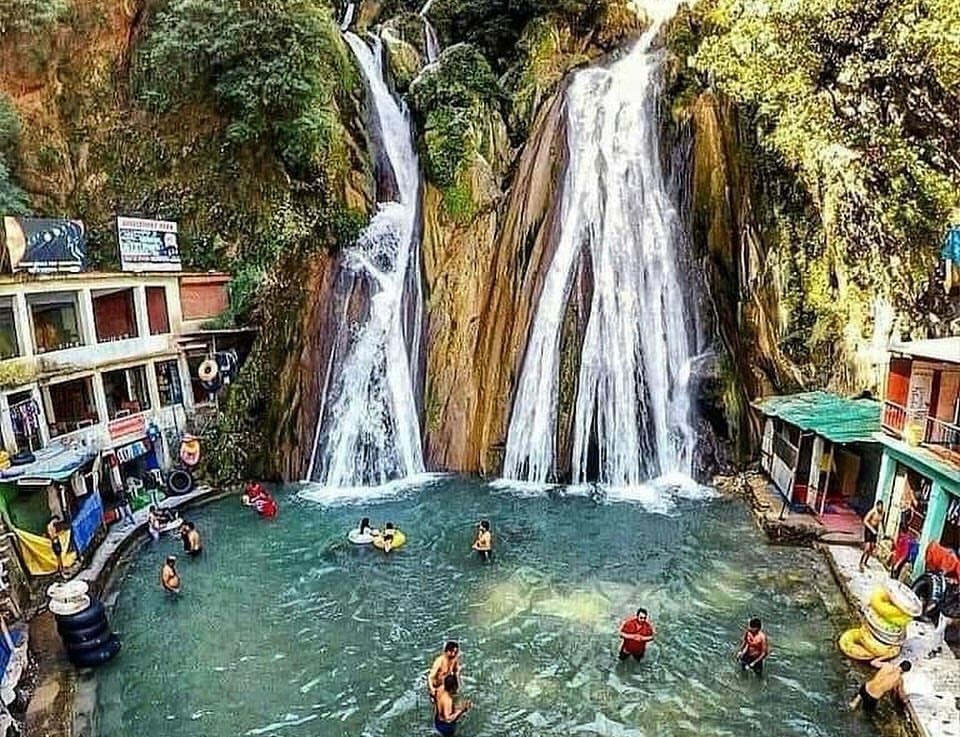
    It is worth remembering that Company Garden and Kempty Falls offer completely different experiences. Company Garden is a landscaped recreational space with a small artificial waterfall, whereas Kempty is a much larger natural waterfall destination. Visitors who have enough time can enjoy both rather than treating them as alternatives.

    Attractions for Children

    Company Garden is particularly popular among families because it offers more than flowers and walking paths. Children’s rides and amusement activities provide younger visitors with additional entertainment.

    Depending on the facilities operating during a particular visit, children may find attractions such as small rides, play areas and a toy-train-style experience. Some activities require separate tickets.

    This family-oriented character is one of the reasons Company Garden has remained popular despite the enormous number of sightseeing options available in Mussoorie. Parents can enjoy the garden while children have dedicated recreational activities nearby.

    Families should nevertheless keep an eye on children around the lake, rides and other activity areas. Weather conditions can also change quickly in the hills, so comfortable footwear and a light jacket or rain protection can be useful.

    Dev Bhoomi Wax Museum

    Company Garden also has a wax museum, commonly referred to as the Dev Bhoomi Wax Museum. It adds an indoor entertainment option to the largely outdoor garden experience.

    The museum contains wax figures representing well-known personalities and is particularly appealing to visitors who enjoy taking photographs with celebrity-style figures. Entrance to the wax museum is separate from the garden ticket according to current travel information.

    The wax museum is not comparable in scale with India’s largest dedicated wax museums, but it provides a fun additional activity, especially for families and children. It can also be useful when visitors want a short break from walking outdoors.

    Food and Shopping at Company Garden

    A visit to a popular tourist attraction is rarely complete without snacks, and Company Garden has food facilities within or around the garden area. Visitors can find casual refreshments and familiar holiday snacks, making it convenient for families who do not want to leave the attraction for a meal.

    There are also small shops and stalls selling souvenirs and other items. These are generally more about casual tourist shopping than serious retail, but they can be enjoyable for visitors who want to take home a small reminder of their Mussoorie trip.

    For a fuller meal, travellers can also explore restaurants in and around Mussoorie after leaving the garden. Food Court, Company Garden, Mussoorie is one of the food options associated with the garden area.

    Best Time to Visit Company Garden

    The best time to visit depends largely on what you want to experience.

    If flowers are your main reason for visiting, spring and early summer are particularly attractive. The pleasant hill weather during this period also makes walking around the garden comfortable. September and October can also provide pleasant conditions after the monsoon, although the exact flowering display varies from year to year. Travel sources commonly highlight March to June and parts of the post-monsoon period for favourable conditions.

    Summer is also the busiest tourist season in Mussoorie. During weekends and holidays, Company Garden can become crowded, particularly around midday.

    The monsoon creates a different atmosphere. The surrounding hills become lush and green, but rain can make outdoor sightseeing less predictable. Anyone visiting during the rainy season should carry appropriate rain protection and allow flexibility in the itinerary.

    Winter can be chilly, but the garden remains an option for travellers who enjoy quiet sightseeing. The flowering display may not be as vibrant as during peak blooming periods, and temperatures can fall considerably.

    Company Garden Timings and Entry Fee

    Available sources currently list Company Garden’s general opening hours at around 9:00 AM to 6:00 PM, although some travel websites report slightly different closing times.

    The entry fee is also not consistently reported across online sources. Older guides mention amounts such as ₹18, while newer 2026 travel information reports approximately ₹25 or ₹50 depending on the applicable visitor category and ticket structure. Separate charges may apply for boating, the wax museum and children’s rides.

    Because tourist attraction fees can change, it is sensible to verify the current charges at the ticket counter before planning the day’s budget. This is particularly important for families because the total cost can be higher once boating and individual rides are added to the basic entry fee.

    How Much Time Should You Spend Here?

    Company Garden does not generally require an entire day unless you prefer a very relaxed picnic-style visit.

    Most travellers can comfortably explore the garden in approximately one to two hours, while families with children may naturally spend longer because of the boating, rides, food and museum. Some destination guides similarly suggest around two hours for exploration.

    A relaxed visit might begin with a walk through the flowerbeds, followed by photographs and time around the lake. Families can then enjoy boating and children’s activities before visiting the wax museum or having refreshments.

    The garden is therefore easy to fit between two larger sightseeing stops.

    How to Reach Company Garden

    From central Mussoorie, the easiest way to reach Company Garden is by local taxi. The attraction is only a few kilometres from Mall Road, although road conditions and traffic can influence travel time.

    Travellers arriving by their own car should follow local directions toward Company Garden and use available parking facilities. During busy tourist periods, parking and road congestion can become more challenging, so arriving earlier may make the experience easier.

    Visitors staying around Library Chowk can also ask local drivers about shared or local transport heading toward the Company Garden and Kempty Falls route.

    Places to Visit Near Company Garden

    One of the advantages of Company Garden is that it can easily be combined with other Mussoorie attractions.

    Kempty Falls is one of the most obvious combinations because both destinations are situated along the broader sightseeing route. After spending a couple of hours among the flowers and recreational attractions, visitors can continue toward the waterfall.

    Mall Road and Library Bazaar are also convenient to combine with Company Garden. A typical day might involve sightseeing at Company Garden during the morning or afternoon, followed by shopping, dining and an evening walk along Mall Road.

    Travellers interested in heritage can explore Christ Church, while those seeking panoramic Himalayan scenery can consider places such as Gun Hill, Lal Tibba or George Everest depending on their itinerary. Company Garden works particularly well as the relaxed, family-oriented part of a broader Mussoorie sightseeing day.

    Is Company Garden Worth Visiting?

    Whether Company Garden is worth visiting depends on the type of traveller you are. If your priority is trekking, dramatic Himalayan landscapes or untouched natural scenery, you may find other Mussoorie attractions more rewarding.

    For families, however, Company Garden is a strong choice. The garden combines flowers, lawns, boating, children’s activities, food and indoor entertainment without requiring strenuous walking. Couples can enjoy the colourful surroundings and photography opportunities, while older travellers may appreciate the relatively relaxed pace.

    Its biggest strength is its accessibility and variety. You do not have to plan a complicated excursion to enjoy it. A visit can be as simple as walking among flowers, sitting beside the lake, enjoying tea and taking photographs.

    Tips for a Better Company Garden Experience

    A little planning can make the visit more enjoyable. Try to arrive relatively early if you want fewer crowds and better opportunities for photography. Comfortable shoes are advisable because even though the garden is easier to navigate than many hill attractions, you will still spend time walking.

    Carry a light jacket because Mussoorie’s weather can change quickly. During the monsoon, rain protection is particularly important. Families travelling with children should supervise them near the boating area and rides.

    It is also wise to keep some cash available for smaller attractions and refreshments, even though digital payment facilities are increasingly common. Most importantly, check current ticket prices and opening hours before travelling because online information about Company Garden’s fees is inconsistent and can become outdated.

    Final Thoughts

    Company Garden Mussoorie may not have the dramatic reputation of Kempty Falls or the panoramic appeal of Mussoorie’s famous viewpoints, but that is precisely what makes it appealing. It offers a slower and more relaxed way to experience the hill station.

    Surrounded by colourful flowers, green lawns and mountain air, visitors can enjoy boating on a small lake, explore the garden, photograph seasonal blooms, take children to recreational attractions, visit the wax museum and stop for refreshments without committing to a demanding excursion.

    For families, it provides an enjoyable mixture of nature and entertainment. For couples, it offers colourful surroundings and an easygoing atmosphere. For first-time visitors, it provides a convenient introduction to one of Mussoorie’s most accessible leisure attractions.

    Ultimately, Company Garden is best experienced not as a destination that must be rushed through, but as a pleasant pause in a Mussoorie itinerary. Spend a couple of hours here, enjoy the flowers, take a boat ride, let the children have some fun and simply appreciate the cool mountain surroundings. When combined with nearby attractions such as Mall Road and Kempty Falls, it can become an easy and enjoyable part of a memorable Mussoorie, Uttarakhand holiday. Note: Opening hours, entry fees and charges for individual attractions can change. The figures above reflect currently available 2026 travel information, but visitors should confirm prices locally before visiting.

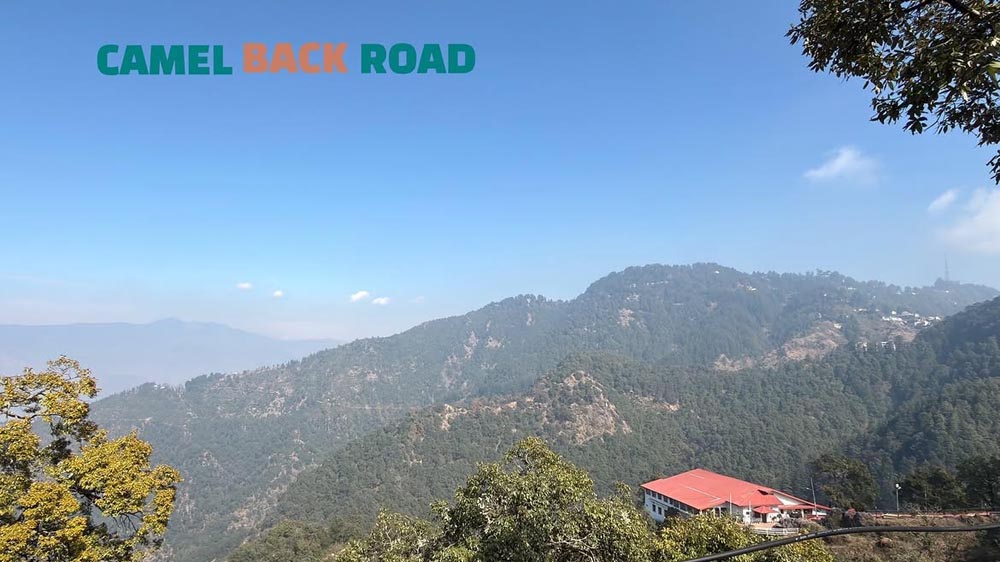
  • Nestled in the picturesque hill station of Mussoorie in Uttarakhand, Camel’s Back Road is one of those places where the journey itself becomes the attraction. Away from the crowded shops and lively atmosphere of Mall Road, this scenic stretch offers a slower, more peaceful side of the Queen of the Hills. The road is famous for its unusual camel-shaped rock formation, sweeping mountain scenery, colonial-era history, fresh Himalayan air and beautiful sunrise and sunset views.

    Located in the heart of Mussoorie, Camel’s Back Road stretches for roughly 3 kilometres between the Library area and Kulri Bazaar, although descriptions of its exact endpoints and total length vary slightly between travel sources.

    For many visitors, the attraction is not about reaching a particular destination but about enjoying an unhurried walk along the hillside while looking over the Doon Valley and surrounding Himalayan landscape.

    The Story Behind Camel’s Back Road

    Camel’s Back Road has been part of Mussoorie’s landscape for generations. The road was developed during the British period and is generally dated to around 1845. It was designed as a scenic walking and riding route, allowing residents and visitors to enjoy the mountain environment away from the busier commercial parts of the town.

    The name comes from a naturally formed rocky outcrop that resembles the hump and back of a resting camel. From the appropriate viewing angle, the resemblance becomes surprisingly clear, and this distinctive geological feature eventually gave the entire road its memorable name.

    Today, the road retains much of the character that made it attractive as a promenade. Instead of being primarily about shopping, restaurants or entertainment, Camel’s Back Road is about walking, observing nature and enjoying the views. It provides an opportunity to experience Mussoorie at a gentler pace.

    The road also reflects the layered history of the hill station. Along the route is an old Christian cemetery dating from the colonial period. Sources differ slightly on the cemetery’s exact date, with references placing it in the late 1820s or 1829, but it is widely regarded as one of Mussoorie’s historic burial grounds.

    What Makes Camel’s Back Road Special?

    The biggest attraction of Camel’s Back Road is its combination of natural scenery and accessibility. Visitors do not need to undertake a difficult mountain trek to experience impressive Himalayan surroundings. Instead, they can enjoy a relatively easy walk while remaining close to central Mussoorie.

    The landscape changes subtly as you move along the road. At some points, trees and rocky slopes dominate the scene, while at others the hillside opens to reveal the valley below. On clear days, distant mountain peaks can become visible, creating an especially memorable experience for photographers and nature lovers. The district administration also notes that Mussoorie’s elevated viewpoints can offer views of major Himalayan peaks on clear days.

    The peaceful character of the road is another major attraction. Mall Road is undoubtedly one of Mussoorie’s essential experiences, but its crowds, shops, traffic and constant activity can sometimes feel overwhelming. Camel’s Back Road provides an appealing contrast. You can walk without the feeling that you have to shop, eat or constantly move from one attraction to another.

    For couples, families, solo travellers and photography enthusiasts, this makes the road particularly versatile.

    The Famous Camel-Shaped Rock

    The natural rock formation responsible for the road’s name is its most recognizable feature. Weathering and erosion have created a distinctive rocky profile that resembles the back of a camel.

    The formation is not necessarily dramatic from every location, so finding a suitable viewing angle is part of the experience. Rather than simply stopping for a photograph and leaving, visitors can take time to observe how the changing sunlight affects the rock.

    During the late afternoon, the low-angle sunlight can give the rocky landscape a warmer appearance. This is also one reason Camel’s Back Road is frequently associated with sunset photography.

    The rock formation illustrates an important characteristic of Himalayan landscapes: some of the most interesting attractions are not constructed monuments but natural features that have acquired meaning through local history and tourism.

    A Walk Through Nature

    Walking is undoubtedly the best way to experience Camel’s Back Road. The route is approximately 3 kilometres according to several current travel references, and a comfortable walk generally takes around an hour, although stopping for photographs, views and refreshments can make the outing considerably longer.

    The surrounding vegetation adds to the charm. Depending on the section and season, visitors can encounter mountain trees, greenery, exposed rocks and changing views across the slopes. The atmosphere can be especially pleasant during the cooler months when the air feels crisp and the visibility is often better.

    Early morning walks have a particularly different character. The road tends to feel calmer, the air is cool, and mist may sometimes linger around the hills. Bird calls and the sound of wind through the trees can replace much of the urban noise found elsewhere in Mussoorie.

    For people accustomed to city life, this simple experience can be surprisingly refreshing.

    Views of the Doon Valley and Himalayas

    One of Camel’s Back Road’s greatest attractions is the scenery. The road provides elevated views toward the Doon Valley, while clear weather can reveal distant Himalayan ranges.

    The visibility, however, depends heavily on weather conditions. Mussoorie is a mountain destination where clouds, mist and rain can appear quickly. A visitor arriving on a cloudy afternoon may see very little, while another traveller visiting on a clear morning could enjoy spectacular views.

    This unpredictability is part of the mountain experience. Instead of expecting a guaranteed panoramic view, travellers should consider the road an opportunity to enjoy whatever landscape the weather reveals.

    Winter and post-monsoon periods can sometimes provide particularly clear conditions. Conversely, monsoon weather can bring mist, slippery surfaces and reduced visibility.

    Sunrise and Sunset at Camel’s Back Road

    Camel’s Back Road is particularly popular during the early morning and evening because of its scenic orientation and open views.

    Sunrise can be rewarding for travellers who prefer quiet surroundings. The morning light gradually illuminates the mountains and valley, while the cooler temperatures make walking comfortable. Early morning is also an excellent time for people who want to photograph Mussoorie without large crowds.

    Sunset is arguably the more popular experience. As the sun drops behind the mountains, the sky can develop shades of orange, pink, gold and purple. The rocky formations and hills become silhouettes against the changing sky.

    The road is therefore a good choice for travellers who want something more peaceful than a conventional viewpoint. Instead of standing at a crowded platform for a few minutes, you can combine sunset watching with a leisurely mountain walk.

    The Historic Cemetery

    One of the more unusual features along Camel’s Back Road is the historic British-era Christian cemetery. Its presence adds a layer of history to what otherwise appears to be a scenic walking route.

    The cemetery reflects Mussoorie’s development as a colonial hill station and the lives of people who lived in the region during the British period. Some sources identify notable individuals associated with the cemetery, making it of interest to visitors fascinated by colonial history and old Himalayan settlements.

    Visitors should remember that a cemetery is a place of remembrance rather than simply a tourist attraction. Photography should be respectful, and travellers should avoid entering restricted areas or disturbing graves.

    The contrast between the peaceful cemetery, old stonework and surrounding Himalayan landscape gives this section of the road a distinctive atmosphere.

    Best Time to Visit Camel’s Back Road

    Camel’s Back Road can be visited during much of the year, but the experience varies significantly according to season.

    March to June brings pleasant weather and the beginning of the main tourist season. The hills are green, temperatures are generally comfortable, and the road becomes an attractive escape from warmer plains.

    July to September is the monsoon period. Mussoorie can receive substantial rainfall during these months. The landscape becomes lush and dramatic, but rain can make walking surfaces slippery and clouds can obscure mountain views. Travellers should check local weather and road conditions before setting out.

    October and November are among the most attractive months for mountain views. Following the monsoon, the atmosphere can become clearer, making distant landscapes more visible. Temperatures are also comfortable for walking.

    December to February brings colder weather and a distinctly wintery atmosphere. Warm clothing is essential, particularly in the morning and evening. On exceptionally clear days, the Himalayan scenery can be impressive.

    If the primary purpose of the visit is photography and mountain views, choosing a day with good visibility is more important than following a rigid seasonal schedule.

    How to Reach Camel’s Back Road

    Camel’s Back Road is centrally located in Mussoorie and can be reached relatively easily from major parts of town. The route is close to Mall Road, with access from areas around Library Chowk and Kulri Bazaar.

    Travellers arriving by road can first reach Mussoorie and then use local taxis, shared transport or walking routes to approach the road.

    The nearest major railway connection is Dehradun, while Jolly Grant Airport near Dehradun serves air travellers. From Dehradun, Mussoorie is connected by road.

    For visitors staying in central Mussoorie, walking may be the simplest option. Since the attraction is itself a walking route, arriving on foot can make the experience feel more natural.

    Things to Do Around Camel’s Back Road

    A visit to Camel’s Back Road can easily be combined with other Mussoorie attractions. Mall Road is an obvious companion because it provides restaurants, cafés, shops and a more energetic atmosphere.

    Gun Hill is another nearby attraction and is known for its elevated views of Mussoorie and the surrounding mountains. Incredible India lists Camel’s Back Road among the attractions that can be visited alongside Gun Hill and other Mussoorie destinations.

    Visitors interested in quieter colonial surroundings can also explore Landour, while Lal Tibba is another popular viewpoint for Himalayan scenery. Families may prefer to combine the walk with a visit to Company Garden or another nearby attraction.

    The best approach is not to overload the itinerary. Camel’s Back Road is most enjoyable when enough time is allowed for walking rather than treating it as a five-minute photographic stop.

    Photography at Camel’s Back Road

    Photography is one of the easiest ways to appreciate the road. The combination of mountains, valley, trees, old structures, rocks and changing light creates many possibilities.

    Wide-angle photographs can capture the scale of the landscape, while telephoto lenses are useful for distant mountain views. The camel-shaped rock is an obvious subject, but photographers should also look for smaller details such as old stone walls, trees emerging through mist, mountain silhouettes and changing clouds.

    Sunset photographs can be particularly attractive, but early morning photography has its own advantages. The soft light and lower number of visitors can make the road feel almost completely different from its busier afternoon character.

    Travellers using smartphones should avoid relying entirely on zoom for distant mountains because atmospheric haze can reduce image quality. Instead, wider landscape compositions often produce more natural results.

    Horse Riding and Other Experiences

    Horse riding has historically been associated with Camel’s Back Road, and some travel sources continue to mention horse or pony rides as an optional activity.

    However, availability and pricing can change, so visitors should confirm current arrangements locally rather than relying on old published rates.

    For most travellers, walking remains the most rewarding option because it allows them to stop whenever they want, examine the landscape and enjoy the changing atmosphere.

    The road can also be suitable for a relaxed family outing, provided children remain supervised around edges and uneven sections. Older travellers should walk at their own pace and take breaks when necessary.

    Food and Refreshments

    Camel’s Back Road itself is not primarily a food destination, which is part of its appeal. However, because it lies close to central Mussoorie, visitors have easy access to cafés, restaurants and small food outlets before or after their walk.

    A common strategy is to complete the walk and then head toward Mall Road for tea, coffee, snacks or a meal. This allows travellers to combine the peaceful atmosphere of Camel’s Back Road with Mussoorie’s lively culinary scene.

    Carrying a bottle of water is still advisable, particularly if visiting during warmer months.

    Important Travel and Safety Considerations

    Although Camel’s Back Road is not a demanding trekking route, visitors should still treat it as a mountain environment. Comfortable walking shoes are recommended, especially during wet weather.

    Rain can make surfaces slippery, while mist can reduce visibility. Travellers should avoid approaching unstable edges or climbing rocks simply to obtain a photograph.

    It is also sensible to finish the walk before it becomes too dark. Mountain roads and paths can become difficult to navigate after sunset, and visibility may deteriorate quickly.

    Most importantly, visitors should check local conditions before travelling because mountain roads and tourist routes can be affected by rainfall, landslides or other disruptions.

    This is especially relevant at present. A report published on September 8, 2026, says a section of Camel’s Back Road was closed to vehicular traffic after heavy rainfall caused a landslide and approximately a 10-metre stretch of the road to subside near Ambedkar Chowk. Travellers should therefore verify the latest local access conditions before visiting rather than assuming that older travel information is still accurate.

    Why Camel’s Back Road Deserves a Place in a Mussoorie Itinerary

    Mussoorie has no shortage of famous attractions, but Camel’s Back Road offers something different. It is not simply another viewpoint where visitors arrive, take photographs and leave. Its appeal develops gradually as you walk.

    The road combines natural beauty, colonial history, mountain scenery and the simple pleasure of walking. Its camel-shaped rock provides the identity, the cemetery contributes historical character, the Doon Valley provides the panorama, and the changing Himalayan weather ensures that no two visits necessarily feel identical.

    Perhaps its greatest strength is that it allows visitors to slow down. In a destination where tourists often move quickly between waterfalls, viewpoints, markets and cafés, Camel’s Back Road encourages a different rhythm. You can walk without a strict schedule, stop for photographs, watch clouds move across the mountains and simply enjoy the cool mountain air.

    For couples, it offers a romantic sunset stroll. For families, it provides an accessible outdoor experience. For photographers, it offers changing light and landscapes. For history enthusiasts, the old cemetery adds an intriguing connection to Mussoorie’s past. And for travellers who simply want peace, it provides one of the easiest ways to escape the busiest parts of town without leaving the city.

    Final Thoughts

    Camel’s Back Road is a reminder that some of the finest travel experiences do not require expensive tickets, elaborate activities or strenuous adventures. Sometimes, a quiet road, a mountain view and an hour of walking are enough.

    With its distinctive camel-shaped rock, historic surroundings, views toward the Doon Valley and Himalayan landscape, the road has earned its place among Mussoorie’s enduring attractions. Official district tourism information also highlights Camel’s Back as a scenic location offering attractive sunset views and a distinctive camel-like natural formation.

    The ideal visit is simple: choose a day with favourable weather, wear comfortable shoes, carry water, begin your walk at a convenient end of the route and give yourself plenty of time to stop along the way. If the skies are clear, stay long enough to watch the mountains change colour as the sun begins to disappear.

    Camel’s Back Road may not be the loudest or most adventurous attraction in Uttarakhand, but that is precisely why it remains special. It offers a quieter introduction to Mussoorie—one where the mountains, trees, rocks, history and sky take centre stage.

    In a hill station famous for its crowds and viewpoints, Camel’s Back Road is ultimately an invitation to slow down and walk into the landscape.

  • High above the busy streets of Mussoorie, where winding mountain roads give way to quiet lanes, pine forests and old colonial buildings, lies a destination that captures the timeless charm of the Himalayas. Lal Tibba, meaning “Red Hill,” is one of the most celebrated viewpoints in Uttarakhand and the highest point of Mussoorie. Situated in the peaceful Landour area, Lal Tibba is known for its spectacular Himalayan panoramas, crisp mountain air, colonial heritage and relaxed atmosphere. On a clear day, the distant snow-covered peaks appear almost close enough to touch, while the valleys below unfold in layers of green and blue.

    Unlike some of Mussoorie’s busier attractions, Lal Tibba offers an experience that is as much about the journey and atmosphere as it is about the viewpoint itself. Visitors come here to look at the mountains through telescopes, walk along picturesque roads, enjoy a cup of coffee in a hillside café, explore nearby colonial landmarks and simply spend time surrounded by nature. Its location in Landour also gives Lal Tibba a distinctive character, combining Himalayan scenery with the quiet charm of an old cantonment settlement.

    Where Is Lal Tibba?

    Lal Tibba is located on Depot Hill in Landour, an area adjoining Mussoorie in Dehradun district of Uttarakhand. It stands at roughly 2,275–2,290 metres above sea level, or around 7,500 feet, making it the highest point of the Mussoorie area. Government and tourism sources identify Lal Tibba as Mussoorie’s highest point and highlight its extensive views of the Himalayan ranges.

    The viewpoint is approximately 6–7 kilometres from central Mussoorie, depending on the starting point and route. The drive from the main town gradually takes visitors away from the more crowded sections of Mussoorie and into the quieter surroundings of Landour. The road itself becomes part of the experience, with tall deodar and pine trees, old houses, mountain slopes and occasional glimpses of distant valleys.

    Landour is particularly famous for its peaceful atmosphere. The settlement developed as a British cantonment and retains much of its historic architectural character. The name “Landour” is associated with Llanddowror, a village in Wales, reflecting the British practice of giving familiar names to places during the colonial era. The cantonment developed in the nineteenth century and became associated with military establishments, churches, cottages and sanatoriums.

    The Story Behind the Name Lal Tibba

    The name Lal Tibba literally translates into “Red Hill,” with “Lal” meaning red and “Tibba” referring to a hill or elevated mound. The name has been associated with the distinctive appearance of the hill and its surroundings. One official tourism account also connects the name with the reddish hues produced by rhododendron blooms on the slopes during their flowering season.

    The hill has been part of the wider history of Landour and Mussoorie since the colonial period. The high altitude and comparatively cool climate made the region attractive to British officials and military personnel seeking relief from the heat of the plains. Landour subsequently developed as a cantonment and retreat, leaving behind an architectural and cultural legacy that can still be experienced today.

    This history is one reason Lal Tibba feels different from a conventional tourist viewpoint. The destination is not simply a platform overlooking mountains. It forms part of a much older hill settlement where forests, churches, military history, cottages and winding roads coexist.

    The Himalayan Views from Lal Tibba

    The biggest attraction of Lal Tibba is undoubtedly its panoramic view of the Himalayas. When the weather is clear, visitors can see several impressive Himalayan peaks and ranges stretching across the horizon. The Dehradun district’s official tourism information mentions views of Badrinath, Kedarnath, Bandar-poonch, Sri Kantha and Nanda Devi from the Lal Tibba area.

    The scenery changes dramatically according to the weather and season. On exceptionally clear mornings, the snow-covered mountains stand sharply against the blue sky. During the monsoon, clouds can surround the hills and create an entirely different atmosphere. In winter, the landscape may become cold and misty, while occasional snowfall adds another layer of beauty.

    The best views generally depend more on atmospheric clarity than on a particular month. A sunny day does not always guarantee distant mountain visibility because haze can obscure the Himalayan peaks. Early mornings are often preferred by photographers and sightseers because the air may be clearer and the sunlight creates beautiful contrasts on the mountains.

    The experience becomes particularly memorable around sunrise and sunset. At dawn, the first rays of sunlight gradually illuminate the distant peaks. At sunset, the mountains and surrounding clouds can turn shades of orange, pink and gold. Lal Tibba therefore appeals not only to travelers looking for a sightseeing stop but also to photographers and anyone interested in Himalayan landscapes.

    The Famous Telescope Experience

    One of Lal Tibba’s most recognizable attractions is its telescope viewpoint. Powerful telescopes allow visitors to examine distant Himalayan peaks and surrounding landscapes that would otherwise appear as tiny shapes on the horizon. Tourism sources specifically mention telescopic views of peaks such as Badrinath, Kedarnath and Bandarpoonch.

    The telescope adds another dimension to the visit. Rather than simply looking at a distant mountain range, visitors can identify individual peaks and observe ridgelines, valleys and settlements in greater detail. For first-time visitors, this can make the Himalayan landscape easier to understand and appreciate.

    A binocular viewpoint is also associated with the area, providing another way to observe the mountains. However, visitors should remember that visibility is highly weather-dependent. Fog, clouds and atmospheric haze can significantly reduce the range of the view.

    Lal Tibba and the Colonial Heritage of Landour

    A visit to Lal Tibba is incomplete without exploring the wider Landour area. Landour is one of the most atmospheric parts of the Mussoorie region, with old churches, colonial-era buildings, narrow roads and tall forests.

    The area was developed in connection with the British Indian Army, and its military history remains visible in the character of the settlement. According to Incredible India, the first sanatorium in Landour was established in 1827, while Mullingar, associated with Captain Frederick Young, is regarded as the first house built in the area.

    Walking through Landour provides a different experience from exploring Mussoorie Mall Road. Instead of shops and heavy tourist activity, travelers encounter quiet lanes, old stone structures, forested slopes and traditional mountain homes. The combination of history and landscape gives the area an almost storybook quality.

    The nearby St. Paul’s Church is another significant landmark. Its historic setting and architecture complement the colonial character of Landour. The area around Char Dukan, meanwhile, has become a popular stop for visitors looking for snacks, tea, coffee and casual mountain dining. What began as a small group of shops has developed into one of Landour’s best-known visitor areas.

    Char Dukan and the Café Culture of Landour

    One of the pleasures of visiting Lal Tibba is combining sightseeing with a leisurely food stop. Char Dukan has become synonymous with Landour’s relaxed café culture. The name literally means “four shops,” reflecting its historical origins when a small number of shops served visitors and residents.

    Today, the area is popular for simple mountain snacks, tea, coffee, pancakes, Maggi and other casual foods. The attraction is not necessarily fine dining; instead, it is the combination of food, cool weather, old-world surroundings and a slow-paced mountain atmosphere.

    For many travelers, sitting at a café after exploring Lal Tibba becomes one of the most enjoyable parts of the trip. The experience encourages visitors to slow down rather than rush from one attraction to another.

    Nature Around Lal Tibba

    The natural surroundings are another major reason to visit. Lal Tibba and Landour are surrounded by forested hills, with deodar, pine and other Himalayan vegetation contributing to the area’s cool and peaceful environment.

    Walking through the surrounding roads can be rewarding even when the Himalayan peaks are hidden by clouds. The forest itself becomes the attraction. Birds, mountain flowers, mist and the scent of trees create a sensory experience that is quite different from the crowded center of Mussoorie.

    Nature lovers and photographers can find plenty to explore without undertaking a demanding expedition. The surrounding trails and roads provide opportunities for leisurely walks, landscape photography and quiet observation.

    Visitors should nevertheless remember that the forests and hills are fragile ecosystems. Littering, loud music, damaging plants and disturbing wildlife can negatively affect the environment. Responsible tourism is especially important in mountain destinations where waste management and natural resources are more limited than in urban areas.

    Best Time to Visit Lal Tibba

    Lal Tibba can be visited throughout much of the year, but the ideal period depends on what travelers want to experience.

    March to June is popular for pleasant weather and relatively comfortable sightseeing conditions. Spring brings greenery and flowers, while summer offers an escape from the intense heat of the plains. This is also one of the busier tourism periods in Mussoorie.

    September to November can be particularly attractive for travelers interested in mountain views. After the monsoon, the landscape may appear fresh and green, while clearer atmospheric conditions can provide excellent Himalayan visibility.

    December to February offers a colder and more atmospheric experience. Winter can bring frost, mist and, during suitable weather, snowfall in the Mussoorie-Landour region. Travelers visiting in winter should be prepared for very cold conditions and should check local weather and road conditions before traveling.

    The monsoon season, generally associated with July and August, brings lush landscapes but also frequent cloud cover and rain. Mountain roads can become slippery, and landslides may occasionally affect travel routes. For travelers whose primary purpose is seeing distant Himalayan peaks, the rainy season is usually less predictable.

    Lal Tibba Timings and Entry Information

    Published visitor information is not completely consistent regarding Lal Tibba’s opening hours and fees. Incredible India currently lists opening hours of 6:00 AM to 6:00 PM, while other travel sources give different hours and report varying entry or telescope charges.

    Because local operating arrangements can change, travelers should verify the current timing and any applicable viewpoint or telescope fee shortly before visiting rather than relying on an old travel guide. The telescope experience may involve a separate charge even when access to the general area is not heavily restricted.

    A visit typically takes around one to two hours, although travelers who want to explore Landour, Char Dukan and nearby heritage sites should allow considerably more time.

    How to Reach Lal Tibba

    The most convenient way to reach Lal Tibba is by road from Mussoorie. Travelers arriving by air can generally use Jolly Grant Airport near Dehradun, while Dehradun Railway Station is the nearest major railway connection mentioned by Incredible India.

    From Dehradun, travelers can reach Mussoorie by road and then continue toward Landour. Taxis and local transport are commonly used for the final journey. Visitors staying in Mussoorie may also hire a local taxi for a sightseeing trip covering Lal Tibba and other Landour attractions.

    The road into Landour can be narrow and winding. During busy tourist periods, traffic and parking can become challenging. Travelers should therefore avoid treating Lal Tibba as a quick stop that can always be reached without delays.

    For those who enjoy walking, exploring parts of Landour on foot can be particularly rewarding. The combination of slopes, forests and historic buildings makes walking an important part of the experience.

    Places to Visit Near Lal Tibba

    Lal Tibba works particularly well as part of a larger Mussoorie itinerary. Char Dukan and St. Paul’s Church are nearby and can easily be combined with a visit to the viewpoint. Landour’s quiet roads are themselves worth exploring.

    Visitors can then return toward central Mussoorie to explore attractions such as Gun Hill, Camel’s Back Road, the Mall Road and other viewpoints. The official Mussoorie tourism information also highlights attractions including Kempty Falls, Bhatta Falls and Camel’s Back Road.

    For travelers interested in colonial history and literature, Landour has an additional connection with author Ruskin Bond, whose long association with the area has contributed to its literary identity. Incredible India also highlights Bond’s longstanding connection with Mussoorie and Landour.

    This makes the Lal Tibba trip particularly suitable for travelers who enjoy combining natural scenery with history, architecture, food and literature.

    Photography at Lal Tibba

    Lal Tibba is a dream destination for landscape photography. The wide Himalayan horizon provides an opportunity for panoramic photographs, while the forests and colonial buildings offer contrasting subjects.

    Early morning is particularly suitable for mountain photography. Soft sunlight can illuminate the peaks without creating the harsh contrasts associated with midday. Sunset offers a different mood, with warm light and dramatic skies.

    A telephoto lens or good-quality smartphone zoom can be useful for photographing distant mountain peaks. However, travelers should not become so focused on taking photographs that they overlook the atmosphere of the place itself. Some of Lal Tibba’s most memorable moments are simply watching clouds move through the valleys or listening to the wind in the trees.

    Why Lal Tibba Is Different from Other Mussoorie Attractions

    Mussoorie has numerous popular tourist attractions, but Lal Tibba has a distinct personality. Mall Road is energetic and commercial, Gun Hill is a famous urban viewpoint, and Kempty Falls is known for its dramatic waterfall scenery. Lal Tibba, by contrast, combines a high-altitude viewpoint with the quieter character of Landour.

    Its appeal lies in the balance between scenery and atmosphere. The mountains are obviously the main attraction, but the old roads, forests, cafés and heritage buildings create an experience that continues even when clouds obscure the view.

    Lal Tibba is also a reminder that mountain tourism does not always require an extreme trek. A traveler can enjoy extraordinary Himalayan scenery while staying relatively close to Mussoorie and using a road-accessible viewpoint.

    Responsible Tourism at Lal Tibba

    The growing popularity of Lal Tibba brings an important responsibility for visitors. Mountain destinations are particularly vulnerable to litter, traffic congestion, water shortages and unplanned development.

    Travelers can help by carrying reusable water bottles, avoiding single-use plastic, disposing of waste properly and respecting local residents. Visitors should also avoid making excessive noise, particularly around residential and cantonment areas.

    Supporting local cafés, shops and small businesses can help ensure that tourism benefits the local economy. At the same time, travelers should remember that Landour is not simply a tourist attraction but a living community with residents who value its peaceful character.

    Final Thoughts

    Lal Tibba is much more than a viewpoint on a hill. It is a meeting point of Himalayan scenery, colonial history, forests, literature and mountain culture. From its elevated position above Mussoorie, it provides some of the most memorable views of the distant Himalayas, while the surrounding Landour area offers an entirely different pace of travel.

    The telescopes, panoramic viewpoints and snow-covered peaks may be what initially attract visitors, but the quiet roads, old churches, deodar forests, Char Dukan cafés and historic atmosphere are what make the destination memorable. On a clear morning, the Himalayan panorama can be breathtaking; on a cloudy afternoon, the misty forests can be equally beautiful.

    For anyone planning a trip to Mussoorie, Lal Tibba deserves more than a hurried stop for photographs. Give yourself enough time to explore the viewpoint, walk through Landour, enjoy a warm drink at a local café and simply absorb the mountain atmosphere. The result is not just a sightseeing experience but a glimpse into the quieter, more timeless side of Uttarakhand.

  • Nestled amid the green mountains of Uttarakhand, Kempty Falls is one of the most celebrated natural attractions near Mussoorie. The sight of water rushing down rocky cliffs, surrounded by forested Himalayan slopes, has made this waterfall a favourite destination for families, nature lovers, photographers, honeymooners and anyone looking for a refreshing escape from the heat of the plains. Located roughly 13–15 kilometres from Mussoorie, Kempty Falls is not merely a waterfall but an experience that combines mountain scenery, adventure, local food, photography and the simple pleasure of sitting beside cascading water.

    The waterfall lies at an elevation of around 1,364 metres, or approximately 4,500 feet, and its main cascade drops about 40 feet through the rocky landscape before reaching pools below. The Government of India’s tourism information describes Kempty Falls as a perennial waterfall near Kempty village, with the water cascading into a series of pools on the valley floor.

    For travellers visiting Mussoorie for the first time, Kempty Falls is often one of the first excursions added to the itinerary. Its relatively easy road access, dramatic landscape and opportunity to get close to the falling water make it particularly appealing. However, Kempty Falls is much more enjoyable when visitors understand its history, seasonal changes, access arrangements and the best way to plan their visit.

    The Story and History Behind Kempty Falls

    Kempty Falls has a fascinating connection with the colonial history of the Mussoorie region. The waterfall was developed as a tourist attraction during the British period, with sources commonly associating its development around 1835 with British officer John Mekinan. The name “Kempty” is widely believed to have originated from the expression “camp tea,” referring to tea parties and gatherings that were reportedly organised in the area during the colonial era.

    Although the modern visitor experiences Kempty Falls primarily as a recreational destination, its surroundings once formed part of a much quieter Himalayan landscape. Over the decades, improved roads and the growth of Mussoorie as a hill station brought increasing numbers of visitors to the waterfall. What was once a secluded mountain attraction gradually became one of Uttarakhand’s best-known tourist sites.

    Today, the history of Kempty Falls exists alongside a completely different tourist culture. Instead of colonial-era picnics, visitors arrive in taxis, buses and private cars, spend time around the pools, enjoy local snacks and tea, take photographs and explore the surrounding market area. Despite this transformation, the waterfall itself remains essentially what it has always been: a striking natural feature shaped by mountain terrain and flowing water.

    The Natural Beauty of Kempty Falls

    The biggest attraction of Kempty Falls is, of course, the waterfall itself. Water descends dramatically over the rocky mountainside, creating white ribbons of foam that contrast beautifully with the green vegetation surrounding it. Depending on the season and rainfall, the volume and character of the waterfall can change considerably.

    During the rainy season, the waterfall can become particularly powerful. The surrounding hills become intensely green, the air feels cooler and the sound of rushing water dominates the landscape. After rainfall, mist and spray around the falls can create excellent conditions for photography. However, the same increase in water flow that makes the waterfall spectacular can also make the area around the pools slippery and potentially unsafe.

    The landscape around Kempty Falls adds another layer to its appeal. Forested mountain slopes, rocky surfaces and vegetation create a typical Himalayan setting, while the winding road approaching the waterfall offers attractive views of the surrounding valleys. The area is associated with deodar, rhododendron and other Himalayan vegetation, giving the waterfall a distinctly mountain character.

    For photographers, Kempty Falls offers several different perspectives. The waterfall can be photographed from viewpoints above the main area, from the paths leading toward the lower pools and from closer positions where the spray and movement of the water become part of the composition. Early morning light is particularly pleasant for photography because it can provide softer illumination and fewer people.

    Where Is Kempty Falls Located?

    Kempty Falls is located near Kempty village in the Tehri Garhwal region of Uttarakhand. It is generally described as being around 13–15 kilometres from Mussoorie, depending on the starting point and route used. The waterfall lies along the road connecting Mussoorie with the Yamunotri direction and is a relatively straightforward excursion from the hill station.

    Mussoorie is the most convenient base for travellers visiting Kempty Falls. From the town, visitors can hire taxis or use local/shared transportation where available. The drive itself is part of the experience because the road passes through attractive mountain scenery.

    Travellers coming from outside Uttarakhand will usually first reach Dehradun. Dehradun Railway Station is the nearest major railway connection, while Jolly Grant Airport serves as the nearest major airport. From Dehradun, visitors can travel toward Mussoorie and then continue to Kempty Falls. The Government of India’s Incredible India tourism portal also identifies Dehradun Railway Station and Jolly Grant Airport as the nearest major transport points for visitors.

    How to Reach Kempty Falls

    The easiest way to visit Kempty Falls is by road. From Mussoorie, travellers can hire a private taxi, take a shared taxi or use local transport depending on availability. The distance is short enough to make the waterfall a convenient half-day excursion.

    Visitors travelling by private vehicle should remember that Kempty Falls becomes extremely busy during peak tourist periods. Summer weekends and public holidays can bring heavy traffic, crowded parking areas and long queues around popular access points. Arriving early in the morning can make a significant difference to the overall experience.

    Travellers coming from Delhi or other cities in northern India generally reach Dehradun first and then travel onward toward Mussoorie. Since mountain roads can be slower than their distance suggests, it is sensible to allow extra travel time rather than planning the journey according to ordinary plains-road driving times.

    The final approach to the waterfall involves walking and descending toward the lower areas. Depending on the route and facilities operating during a particular visit, visitors may have the option of using a ropeway or taking the staircase route. The staircase can be physically demanding on the return journey, particularly for elderly visitors or anyone travelling with small children.

    Ropeway and Walking Experience

    One of the distinctive features of the modern Kempty Falls experience is the short ropeway connection to the lower waterfall area. The ropeway can be convenient for visitors who would prefer to avoid a long descent and climb back up.

    However, travellers should understand that prices and operating arrangements can change. Recent travel sources report ropeway charges in the approximate range of ₹120–₹200 for a return journey, while other visitor information lists different amounts. Therefore, it is best to confirm the current fare at the site before purchasing a ticket.

    Walking down the steps provides a different experience. It allows visitors to move more slowly through the tourist area, stop for photographs and enjoy different views of the waterfall. The return climb, however, can be tiring. Comfortable footwear is therefore much more important than fashionable footwear when visiting Kempty Falls.

    What Can You Do at Kempty Falls?

    Kempty Falls offers more than simply looking at a waterfall. One of the most popular activities is getting into the water around the designated bathing areas. On suitable days, visitors can enjoy the cool mountain water and spend time around the pools beneath the cascade.

    Swimming or bathing should always depend on current water conditions and local safety instructions. Water levels can rise rapidly after heavy rain, and rocks near waterfalls can be extremely slippery. Visitors should never enter restricted areas simply to obtain a photograph.

    Photography is another major activity. The combination of cascading white water, green mountains and rocky cliffs creates an excellent backdrop for travel photography. Couples frequently visit for photographs, while families often capture group pictures beside the falls.

    The area also contains shops and food stalls where visitors can find snacks, tea and simple local-style refreshments. A hot cup of chai after spending time around cold mountain water is one of the small pleasures that makes the visit memorable.

    Official tourism information also mentions adventure activities such as rock climbing, rappelling and river crossing under appropriate guidance. Availability may vary by season and operator, so visitors interested in adventure activities should check current local arrangements and safety standards before participating.

    Best Time to Visit Kempty Falls

    The best time to visit Kempty Falls depends on what kind of experience you want. If your main goal is pleasant weather, sightseeing and enjoying the pools, the spring and summer period can be attractive. March through June generally brings comfortable mountain weather compared with the hot plains, although this is also one of the busiest tourist periods.

    The monsoon season brings another side of Kempty Falls. From July through September, rainfall can dramatically increase the volume of water, making the waterfall more powerful and visually impressive. The surrounding vegetation also becomes lush and vibrant. However, heavy rainfall can make paths slippery and increase water-related risks. Visitors should follow local instructions and avoid entering the pools when conditions are unsafe.

    The post-monsoon months can be especially rewarding for photographers. The landscape remains green, the atmosphere can be clearer and the weather is often pleasant. October and November are good choices for travellers who want to enjoy the scenery without the extreme summer crowds.

    Winter brings cooler temperatures and a quieter atmosphere. The waterfall continues to be attractive, although the water can be extremely cold. Winter is therefore more suitable for sightseeing and photography than for bathing.

    Kempty Falls Timings and Entry Fee

    Visitors should be aware that published timings for Kempty Falls vary between tourism and travel sources. The Incredible India tourism portal currently lists opening hours of 6:00 AM to 6:00 PM, while other travel sources list shorter daytime schedules such as approximately 8:00 AM to 5:00 PM or 10:00 AM to 6:00 PM.

    Similarly, access to the waterfall itself is commonly described as free, although visitors may need to pay separately for services such as the ropeway, parking, changing facilities or other activities.

    Because local operating arrangements can change with season, weather and maintenance, visitors should confirm current timings and charges locally before planning around a specific opening or closing time.

    How Long Should You Spend at Kempty Falls?

    Kempty Falls can be visited in approximately two to three hours, although the ideal duration depends on your interests. Travellers who simply want to see the waterfall, take photographs and leave may need considerably less time.

    Families who want to spend time around the pools, enjoy food and explore the surrounding market may prefer a longer visit. Photography enthusiasts may also want additional time because different viewpoints produce dramatically different images.

    For most visitors, Kempty Falls works particularly well as a half-day excursion from Mussoorie. It can easily be combined with other attractions on the same day, provided sufficient travel time is allowed for mountain traffic.

    Places to Visit Near Kempty Falls

    A trip to Kempty Falls can be combined with several attractions in and around Mussoorie. Benog Wildlife Sanctuary is an appealing option for travellers interested in forests, wildlife and mountain landscapes. Other popular attractions around Mussoorie include Gun Hill, Camel’s Back Road, Lal Tibba, Mussoorie Lake and the colonial-era attractions around the hill station. Incredible India also lists several of these destinations among attractions that visitors can explore around the Mussoorie region.

    Travellers who prefer a relaxed itinerary should avoid attempting to visit too many attractions in one day. Mountain roads, traffic and walking time can make a seemingly short itinerary surprisingly tiring. A better approach is to combine Kempty Falls with one or two nearby attractions and leave enough time to enjoy each place.

    Food and Shopping Around Kempty Falls

    The approach to Kempty Falls has developed into a lively tourist zone, with shops selling snacks, beverages, souvenirs and tourist essentials. Visitors can find simple foods and refreshments, including tea and popular hill-station snacks.

    The food experience here is more casual than fine dining. The attraction lies in enjoying a warm snack or cup of tea after walking through the mountain environment rather than searching for elaborate cuisine.

    Visitors should nevertheless be careful about waste. Plastic bottles, food wrappers and disposable packaging can quickly damage the appearance of a natural attraction when thousands of people visit the same location. Carrying reusable bottles and disposing of waste responsibly are simple ways to help protect Kempty Falls.

    Important Safety Tips for Visitors

    Kempty Falls is a family-friendly destination, but the presence of water, steep steps and slippery rocks means that visitors should not treat the area casually. The rocks around waterfalls can become extremely slippery, particularly during and immediately after rainfall.

    Proper footwear is essential. Shoes with good grip are considerably safer than sandals or smooth-soled footwear. Visitors should also avoid climbing onto unstable rocks or standing directly beneath powerful sections of falling water.

    During monsoon periods, extra caution is necessary because water flow can change quickly. Heavy rain upstream may cause the waterfall and pools to become significantly more dangerous. When local authorities, operators or signs advise visitors to stay away from the water, those instructions should be followed.

    Families travelling with children should keep them within sight, particularly around pools, steps and crowded areas. Elderly travellers may find the staircase route tiring and should consider the easiest available access option.

    Responsible Tourism at Kempty Falls

    Kempty Falls attracts large numbers of tourists, and that popularity brings environmental pressure. Responsible tourism is therefore important if the destination is to remain beautiful for future generations.

    Visitors should avoid throwing plastic or food waste into the water or surrounding forest. They should not damage vegetation, carve names into rocks or disturb wildlife. Loud music should also be avoided in natural areas, especially where it can affect other visitors and local wildlife.

    Supporting local vendors responsibly can also contribute to the area’s economy. Buying refreshments and locally made products from legitimate businesses allows tourism to benefit people living in the region.

    Most importantly, travellers should remember that Kempty Falls is a natural environment rather than simply an entertainment zone. Enjoying it responsibly makes the experience better for everyone.

    Is Kempty Falls Worth Visiting?

    Despite being one of the busiest attractions around Mussoorie, Kempty Falls remains worth visiting. Its popularity is understandable: the waterfall is easily accessible, visually impressive and offers an opportunity to experience flowing mountain water at close range.

    It may not provide the solitude that some travellers expect from a Himalayan waterfall, particularly during summer weekends and holidays. Those seeking peace should arrive early, choose an off-season weekday or visit during quieter hours.

    For first-time visitors to Mussoorie, however, Kempty Falls offers a classic Uttarakhand experience. The combination of mountain roads, green valleys, cascading water, local food and outdoor activities makes it a memorable stop.

    Final Thoughts

    Kempty Falls represents one of the most accessible ways to experience the natural beauty of Uttarakhand. From its colonial-era history and mysterious “camp tea” name to its dramatic cascade and green mountain surroundings, the destination combines nature and history in an unusually attractive package.

    The waterfall changes character with the seasons. Summer brings crowds and pleasant weather, monsoon creates powerful flows and intense greenery, autumn offers beautiful photography conditions, while winter provides a quieter and cooler atmosphere. Choosing the right season and arriving early can make the difference between a rushed tourist stop and an enjoyable mountain experience.

    Whether you are travelling with family, planning a romantic trip to Mussoorie, photographing Himalayan landscapes or simply looking for a refreshing break from city life, Kempty Falls deserves a place on your Uttarakhand itinerary. The roar of the water, the cool mountain air and the sight of the cascade tumbling through the forest create an experience that is easy to remember long after the journey home.

    Kempty Falls may be one of Uttarakhand’s most visited waterfalls, but its enduring appeal comes from something very simple: the opportunity to stand beside a powerful stream of Himalayan water and experience, even briefly, the raw beauty of the mountains.

  • High above the charming hill station of Mussoorie in Uttarakhand stands Gun Hill, one of the most recognizable viewpoints in the region. Rising to roughly 2,024–2,122 metres above sea level depending on the reference used, Gun Hill is regarded as the second-highest peak in Mussoorie and is famous for its sweeping views of the Himalayan ranges, the Doon Valley and the surrounding mountain landscape.

    What makes Gun Hill particularly fascinating is that it is more than simply a viewpoint. Its identity is closely connected with Mussoorie’s colonial past and the story of a cannon that was once fired from the hill. Today, visitors arrive by ropeway or on foot, take photographs against the mountain panorama, look through telescopes toward distant peaks, and enjoy snacks while experiencing one of Mussoorie’s classic tourist attractions.

    Located above the famous Mall Road, Gun Hill can easily be incorporated into a Mussoorie sightseeing itinerary. The short journey from the busy streets of the hill station to the open mountain views at the summit provides an experience that combines history, nature and recreation in a remarkably compact visit.

    Where Is Gun Hill Located?

    Gun Hill is situated in Mussoorie, in Uttarakhand’s Dehradun district. The hill rises above The Mall, one of the most popular areas in Mussoorie, making it particularly convenient for tourists staying in or around the central part of the town.

    The viewpoint is approximately 400 feet above Mall Road, and visitors can reach it either by taking the famous ropeway or by walking uphill. Some travel references describe the walking route as taking roughly 20–30 minutes, although the actual time can vary depending on the starting point, pace and crowd conditions.

    Its location is one of its biggest advantages. Unlike some mountain viewpoints that require a long drive or a demanding trek, Gun Hill can be visited during an ordinary day of sightseeing in Mussoorie. Visitors can explore Mall Road, walk toward the ropeway station, travel upward by cable car and spend time at the summit before returning to the town.

    Why Is Gun Hill Called Gun Hill?

    The unusual name is perhaps the first thing that attracts people’s curiosity. Why would a peaceful mountain viewpoint be called Gun Hill?

    The answer is associated with the British period. According to historical accounts and local tradition, a cannon was positioned on the hill and was fired around midday. The sound could be heard across parts of Mussoorie and the surrounding valleys, providing residents with a convenient time signal in an era when accurate personal timepieces were not as commonplace as they are today.

    There are different versions of the story surrounding the cannon. Some accounts associate its installation with the events of 1857, while historical material about the hill records a cannon connected with the colonial administration. The precise details vary among sources, but the association between the cannon and the name Gun Hill is firmly embedded in the area’s tourism history.

    The cannon itself is no longer part of the active landscape. The gunfire that once marked the time has disappeared, but the name has survived. In this way, Gun Hill offers an interesting reminder of Mussoorie’s transformation from a colonial-era hill retreat into one of India’s best-known mountain destinations.

    The Historical Character of Gun Hill

    Gun Hill’s history is inseparable from the development of Mussoorie as a hill station. During British rule, Mussoorie developed as a summer retreat where colonial officials and residents sought relief from the heat of the plains. Its cool climate, mountainous setting and scenic surroundings contributed to its popularity.

    The hill itself became a useful location because of its commanding position above the town. The cannon tradition gave it an additional role in everyday life. Historical accounts also mention that the cannon’s powerful report could cause considerable disturbance in nearby buildings, illustrating just how loud the traditional time signal must have been.

    Today, visitors will not find the hill functioning as a military installation. Instead, its historical significance forms part of the wider heritage character of Mussoorie. The attraction demonstrates how places can acquire new identities over time: what was once connected with colonial administration and military equipment is now primarily associated with tourism, photography, leisure and Himalayan views.

    The Famous Gun Hill Ropeway

    For many tourists, the journey to Gun Hill is almost as enjoyable as the destination itself. The Gun Hill ropeway provides a quick aerial connection between the Mall Road area and the hilltop.

    The cable car rises above the town, offering passengers an elevated perspective of Mussoorie’s rooftops, slopes and surrounding greenery. The ride itself is short, generally taking only a few minutes each way according to current travel information.

    For first-time visitors, the ropeway can be an especially memorable part of the experience. As the cabin moves upward, the busy streets below gradually appear smaller and the mountain landscape becomes more prominent. The ride also makes Gun Hill accessible to travellers who would prefer not to make the uphill walk.

    Because the ropeway is one of Mussoorie’s popular tourist experiences, queues can become longer during busy weekends, holidays and peak travel seasons. Travelling earlier in the day can therefore be useful for visitors who want a relatively relaxed experience.

    Walking to Gun Hill

    The ropeway is not the only way to reach the summit. Travellers who enjoy walking can make their way uphill from the Mall Road area.

    The walk is relatively short compared with a serious Himalayan trek, but it should not be confused with a completely flat stroll. Mussoorie is a mountainous town, and even short uphill routes can feel demanding for people who are not accustomed to walking on slopes.

    Walking offers a different experience from the cable car. Instead of reaching the summit within minutes, visitors gradually experience the changing atmosphere of the hillside. It can be a good choice for travellers who enjoy exploring Mussoorie on foot and want to combine Gun Hill with a leisurely walk through the town.

    Comfortable footwear is recommended, particularly during wet weather when paths can become slippery.

    The Spectacular Views from Gun Hill

    The biggest attraction at Gun Hill is undoubtedly the view.

    From the summit, visitors can look across the mountainous landscape toward the Himalayan ranges and down toward the Doon Valley. On clear days, the distant snow-covered peaks create a dramatic backdrop, making Gun Hill one of Mussoorie’s most popular photography locations.

    The panorama can change dramatically according to weather conditions. On a crystal-clear morning, distant Himalayan peaks may appear sharply defined. During monsoon weather, clouds and mist can roll across the slopes, creating a completely different atmosphere. Winter days may offer crisp visibility, while summer mornings can provide pleasant mountain scenery before haze develops.

    Some visitor information identifies ranges and peaks including Banderpunch, Srikantha, Pithwara and the Gangotri group among the mountain views associated with Gun Hill.

    The viewpoint is therefore worth experiencing even if the distant snow peaks are not visible. The surrounding valleys, forests, rooftops and ridges create an attractive landscape in their own right.

    Photography at Gun Hill

    Gun Hill is particularly appealing to photographers because it offers several different perspectives within a relatively small area. The Himalayan skyline provides a natural background, while the town below creates opportunities for wider landscape compositions.

    Early morning is generally a good time for photography because visibility can be better before the atmosphere becomes hazier. Sunset can also be attractive, especially when clouds catch the changing light. However, sunset visits should be planned around the operating hours of the ropeway and the conditions on the day.

    Travellers interested in photography should also be prepared for rapidly changing mountain weather. Mist can arrive unexpectedly, and the same viewpoint can look completely different within minutes.

    What Can You Do at Gun Hill?

    Gun Hill is primarily a viewpoint, but the experience extends beyond simply looking at the scenery. Visitors can explore the summit area, photograph the landscape, use available telescopes to observe distant mountain scenery and enjoy refreshments from local stalls.

    Tourism information also mentions recreational and adventure-oriented activities around the attraction, although the exact availability of activities can change over time.

    Families often find Gun Hill enjoyable because the ropeway adds an element of excitement to a sightseeing trip. Couples appreciate the scenic surroundings, while photographers and nature lovers are naturally drawn to the panoramic landscape.

    The attraction can also be a pleasant stop for travellers who simply want to sit for a while, enjoy the mountain air and take a break from exploring the busier parts of Mussoorie.

    Best Time to Visit Gun Hill

    Gun Hill can be visited during much of the year, but the ideal time depends on what a traveller wants to experience.

    For clear mountain views, mornings are generally a sensible choice. The atmosphere may become hazier later in the day, reducing visibility of distant peaks. Autumn and winter can provide particularly crisp mountain scenery when weather conditions are favourable.

    Summer is popular because Mussoorie provides a pleasant escape from the heat of the plains. This also means that popular attractions can become crowded, particularly during school holidays and weekends.

    The monsoon season creates a different kind of beauty. Clouds, mist and lush green hills can make the landscape atmospheric and dramatic. However, rain can interfere with Himalayan visibility and may make walking routes slippery.

    Winter can be cold at the summit, so visitors should carry warm clothing even if the weather feels comfortable at lower elevations.

    Gun Hill Timings and Practical Information

    Current tourism information from India’s official tourism portal lists Gun Hill Point’s opening hours as approximately 9:00 AM to 6:00 PM, while several other travel sources list 10:00 AM to 6:00 PM for the attraction or ropeway. Because operating schedules can vary according to season and local conditions, visitors should confirm the day’s timings before setting out.

    Ropeway fares have also changed over time, and different travel sources currently report different prices. For this reason, it is better not to rely on an old online fare when planning a budget. The attraction itself may have different charges from the ropeway ride and any optional activities.

    A visit usually does not require an entire day. Many travellers can comfortably spend around one to two hours exploring Gun Hill, although photographers, families and people who prefer a relaxed pace may stay longer.

    How to Reach Gun Hill

    Reaching Gun Hill is relatively straightforward because of its central position in Mussoorie. Travellers first need to reach Mussoorie and then make their way toward the Mall Road area.

    For visitors arriving from outside Uttarakhand, Dehradun is an important gateway. The nearest major railway station is Dehradun Railway Station, while Jolly Grant Airport near Dehradun serves as the nearest airport listed by the official tourism portal.

    From Mussoorie’s central areas, travellers can walk toward the ropeway station and take the cable car to the summit. Alternatively, they can choose the uphill walking route.

    Because traffic and parking can be challenging in central Mussoorie during busy periods, visitors staying nearby may find walking more convenient than trying to drive directly to the attraction.

    Nearby Attractions

    One of the advantages of visiting Gun Hill is its proximity to several other Mussoorie attractions. A sightseeing itinerary can easily combine the viewpoint with a walk along Mall Road and visits to other landmarks.

    Camel’s Back Road is another well-known attraction associated with scenic mountain views and leisurely walks. Kempty Falls, one of the most recognizable tourist spots around Mussoorie, can also be included in a broader sightseeing itinerary. Jharipani Falls provides another opportunity to experience the area’s natural landscape.

    Travellers interested in history and heritage can explore sites such as Sir George Everest’s House and colonial-era landmarks around Mussoorie and Landour. The official tourism portal also highlights attractions including Lal Tibba and Benog Wildlife Sanctuary in the wider Mussoorie area.

    This makes Gun Hill particularly suitable as part of a full-day Mussoorie sightseeing plan rather than as an isolated destination.

    Food and Shopping at Gun Hill

    The summit area has a distinctly tourist-oriented atmosphere, with small stalls and shops where visitors can purchase snacks, drinks and souvenirs. The availability and selection can vary according to the season.

    For many travellers, having a hot snack while looking over the mountains is part of the Gun Hill experience. However, visitors should remember that mountain tourist areas can become crowded and prices may differ from those found elsewhere in Mussoorie.

    A practical approach is to carry drinking water and avoid leaving plastic waste behind. The natural beauty of the hill depends heavily on responsible visitor behaviour.

    Is Gun Hill Suitable for Families?

    Yes. Gun Hill is one of the easier mountain attractions to include in a family holiday because the ropeway substantially reduces the physical effort required to reach the viewpoint.

    Children often enjoy the cable-car ride and the elevated views, while adults can appreciate the historical background and scenery. Older travellers who may not be comfortable with a steep uphill walk can also benefit from the ropeway.

    Parents should nevertheless keep an eye on children around viewpoints, steps and crowded areas. Mountain weather can also change quickly, so light rain protection and appropriate clothing are sensible.

    Tips for a Better Gun Hill Experience

    A morning visit is a good option if your main objective is to see distant Himalayan peaks. Arriving early can also help avoid some of the crowds that develop during busy periods.

    If you plan to take the ropeway, check its operating status and current ticket price before travelling. Online information about fares and timings is not always consistent, and seasonal schedules can change.

    Wear comfortable shoes if you intend to walk uphill. Carry water, protect yourself from strong sunlight at higher elevations and bring an extra layer because the temperature can feel cooler at the summit.

    Most importantly, do not judge the attraction solely by whether snow-covered Himalayan peaks are visible. Mountain weather is unpredictable. Even when distant peaks are hidden by clouds, Gun Hill can still offer beautiful views of Mussoorie, the Doon Valley and the surrounding forested slopes.

    Gun Hill: A Small Journey with a Big View

    Gun Hill represents many of the things that make Mussoorie such an enduring destination. It combines a fascinating colonial-era story with an accessible mountain experience, spectacular scenery and the simple pleasure of being above the town and surrounded by Himalayan landscapes.

    Its most memorable feature may be the view, but its story gives that view greater character. The hill that once echoed with the sound of a cannon is now filled with the voices of travellers, the movement of cable cars and the clicking of cameras. The cannon has disappeared, yet its name remains a reminder of another chapter in Mussoorie’s history.

    For travellers visiting Uttarakhand, Gun Hill is therefore more than just another viewpoint to tick off a sightseeing list. It is a place where history, nature and tourism meet. Whether reached by ropeway for the thrill of the journey, by foot for a leisurely mountain walk, or simply visited for its panoramic views, Gun Hill offers a compact but memorable introduction to the landscape and heritage of Mussoorie.

    If you are exploring Mussoorie for the first time, a visit to Gun Hill can easily become one of the highlights of the trip. Stand at the summit on a clear day, look toward the distant Himalayan ranges, and then turn around to see Mussoorie spread across the hills below. That combination of mountain scenery and historic atmosphere explains why Gun Hill has remained one of the town’s most recognizable attractions for generations.

  • When people imagine Mussoorie, one of the first pictures that comes to mind is a lively hill road filled with cafés, old colonial buildings, colorful shops, woollen garments, steaming cups of tea and visitors enjoying the cool mountain air. That picture is, in many ways, Mall Road, Mussoorie. More than simply a shopping street, Mall Road is the social and cultural heart of the hill station, connecting some of its best-known markets, viewpoints, restaurants and attractions.

    Situated in Uttarakhand’s Garhwal Himalayas, Mussoorie stands at roughly 2,000 metres above sea level and has long attracted travellers looking for pleasant weather, mountain scenery and the atmosphere of a classic Himalayan hill station. Mall Road captures much of that character in a relatively compact stretch, making it one of the first places most visitors explore after arriving in town.

    The Charm and History of Mall Road

    Mall Road is closely connected with Mussoorie’s colonial history. The town developed as a British-era hill station, and the Mall became an important promenade and social space. Historical accounts commonly associate its development with Captain Frederick Young and the early growth of Mussoorie in the 19th century. It was designed as a place where residents could walk, meet one another and enjoy the cooler mountain environment away from the heat of the plains.

    Although today’s Mall Road is considerably busier and more commercial than its colonial predecessor, traces of the old hill-station character remain. Buildings, balconies, shopfronts and old-fashioned streetscapes contribute to a sense that the road belongs to several different eras at once. Colonial influences sit alongside Tibetan-inspired shops, modern cafés, Indian restaurants and souvenir stores.

    This combination is perhaps what makes Mall Road particularly interesting. It is neither a preserved heritage street nor simply a modern marketplace. Instead, it is a living part of Mussoorie where history and contemporary tourism operate side by side.

    Where Exactly Is Mall Road?

    Mall Road forms one of the principal commercial and pedestrian corridors of Mussoorie. The commonly described promenade stretches between the Library end, around Gandhi Chowk/Library Bazaar, and the Picture Palace end around Kulri Bazaar. Travel guides generally put the walking stretch at around two kilometres, although the precise experience varies depending on which adjoining lanes and markets are included.

    The road’s position along the ridge is one of its greatest attractions. On one side, visitors can often look toward the Doon Valley, while the opposite side is lined with shops, cafés, hotels and narrow streets leading farther into Mussoorie.

    Because the road is situated on a hill, visitors should not expect a completely level urban shopping street. There are slopes, steps and adjoining lanes, and comfortable footwear can make a substantial difference, especially if you intend to spend several hours walking around.

    Why Mall Road Is So Popular

    Mall Road is popular because it combines several experiences in one place. A visitor can start with breakfast, spend the afternoon shopping, stop for coffee, explore local markets, enjoy snacks, photograph the surrounding hills and return in the evening for a leisurely walk.

    It is also a natural meeting point for tourists. Families, couples, groups of friends, photographers and solo travellers all find something to enjoy here. During holidays and weekends, the promenade can become particularly crowded, giving it a lively atmosphere that is very different from the quiet forest roads and residential areas elsewhere in Mussoorie.

    For many travellers, however, the crowds are actually part of the experience. The sound of conversations, shopkeepers inviting customers inside, restaurant aromas and the movement of people along the road create the distinctive urban energy of this mountain town.

    The Evening Experience on Mall Road

    If there is one time when Mall Road truly comes alive, it is evening.

    As daylight begins to fade, shopfronts illuminate, restaurants become busier and visitors gather for the classic Mussoorie evening walk. Vehicle restrictions during evening hours can make portions of the promenade considerably more comfortable for pedestrians, although travellers should always check current local arrangements because traffic regulations can change according to season, weather and local administration.

    An evening stroll is best enjoyed slowly rather than treated as a race from one attraction to another. Walk along the road, stop at a viewpoint, browse the shops, have a cup of tea and watch the town gradually transition from daylight into its illuminated evening personality.

    The cooler air can make the experience especially pleasant during summer. In winter, however, temperatures can fall sharply after sunset, so warm clothing is advisable.

    Shopping on Mall Road

    Shopping is one of Mall Road’s major attractions. The stores sell everything from everyday travel necessities to souvenirs and traditional hill-station products. Visitors will encounter shops offering woollens, scarves, caps, shawls, handicrafts, decorative objects, wooden items, souvenirs and locally inspired products.

    Woollen clothing is particularly popular because Mussoorie’s climate makes sweaters, jackets, caps and mufflers practical as well as attractive souvenirs. Travellers visiting from warmer parts of India often enjoy buying these items as reminders of their mountain holiday.

    The nearby Tibetan Market adds another dimension to the shopping experience. It is known for colourful merchandise and small shops where visitors can browse clothing, accessories, handicrafts and other inexpensive souvenirs. The market atmosphere is informal and lively, making browsing almost as enjoyable as purchasing something.

    As with most tourist markets, prices can vary considerably from one shop to another. Comparing prices before buying expensive souvenirs is sensible, and visitors should distinguish between genuinely locally made products and mass-produced goods marketed as regional handicrafts.

    Food and Cafés Around Mall Road

    Food is an essential part of the Mall Road experience. The area offers everything from simple snack stalls and bakeries to cafés and full-service restaurants. Visitors can easily spend an entire afternoon moving between sightseeing and eating.

    One of the most famous food stops is Lovely Omelette Centre, located around Kulri Market. The establishment has become particularly well known among visitors for its omelettes and has developed an iconic reputation among people exploring Mussoorie.

    For Tibetan and Asian flavours, Kalsang Restaurant Mussoorie is another well-known option on Mall Road. Its menu makes it appealing to travellers looking for something different from conventional North Indian tourist fare.

    Visitors interested in cafés can also consider Cafe Tea Totaler around Tibetan Market, while those exploring the Picture Palace end may come across Little Llama Cafe. These places add to the café culture that has become an important part of modern Mussoorie.

    For a more traditional restaurant experience, Maharaja Restaurant and Urban Turban Bistro are among the restaurants around the Mall Road area.

    The food scene isn’t limited to formal restaurants. Tea, coffee, momos, sandwiches, noodles, baked goods, pakoras and other quick snacks are widely associated with the casual eating experience of Mussoorie. On a cold evening, few things feel more appropriate than something hot to eat while watching people walk along the illuminated road.

    What to See Near Mall Road

    One of Mall Road’s biggest advantages is its proximity to several other attractions. You do not have to travel far to combine the promenade with additional sightseeing.

    Gun Hill is one of the most popular attractions associated with the central Mussoorie area. The viewpoint provides elevated views over the surrounding landscape, and the ropeway experience itself is part of the attraction. Depending on weather and operating conditions, visitors can enjoy panoramic views of the town and surrounding mountains.

    The Library Bazaar area at one end of Mall Road provides another interesting place to explore. It is connected with the historic character of Mussoorie and serves as an important landmark for understanding the geography of the town.

    At the opposite end, Kulri Bazaar and Picture Palace offer another concentration of shops, restaurants and entertainment. This makes it easy to combine shopping, eating and walking into a single excursion.

    Travellers with more time can also continue beyond central Mall Road toward Landour, a quieter area known for its old-world atmosphere, forested roads and colonial heritage. Landour feels noticeably different from the busy commercial environment around Mall Road and is ideal for visitors who want to experience a calmer side of Mussoorie.

    Mall Road for Photography

    Mall Road offers plenty of opportunities for casual photography. The best photographs are not necessarily the obvious tourist shots. Look for details: old façades, colourful shop signs, balconies, steaming cups of tea, umbrellas in the mist, mountain views between buildings and evening lights reflecting on wet roads.

    Weather can dramatically change the appearance of the area. On a clear day, the distant valley and mountain scenery provide a dramatic backdrop. During misty weather, Mall Road takes on a completely different personality, with clouds moving through the town and buildings gradually disappearing into the haze.

    Sunset and blue-hour photography can be particularly attractive, although the exact visibility of the sunset depends on the weather and the direction from which you are viewing the valley.

    Best Time to Visit Mall Road

    Mall Road can be visited throughout much of the year, but the experience changes significantly with the seasons.

    March to June is generally popular because Mussoorie provides relief from the heat of the plains. This is also one of the busiest periods, particularly around school holidays and weekends. Expect more visitors and potentially higher accommodation prices.

    July to September brings the monsoon. Mussoorie can become exceptionally green and atmospheric during this period, but heavy rainfall can create slippery roads, poor visibility, landslides and travel disruptions. Recent weather-related incidents in the wider Mussoorie area illustrate why monsoon travellers should check local road conditions before setting out.

    October and November can be excellent for travellers who prefer clearer skies and cooler weather. The post-monsoon landscape can look beautiful, and visibility is often better than during rainy periods.

    December to February brings winter conditions. Mall Road can be cold, especially after sunset. Snowfall is possible in and around Mussoorie during suitable weather systems, but visitors should never assume that snow will be present on a particular date.

    How to Reach Mall Road

    For most travellers, the easiest way to reach Mussoorie is through Dehradun, which has both a railway station and an airport serving the wider region. From Dehradun, the mountain road climbs gradually toward Mussoorie. The journey usually takes around one to one-and-a-half hours by road depending on traffic and weather conditions.

    Travellers arriving from Delhi can drive directly toward Mussoorie or take a train or flight to Dehradun and continue by road. Because weekend and holiday traffic can become heavy, journey times can vary considerably.

    Once in Mussoorie, reaching Mall Road depends on where you are staying. Hotels around the central area may be within walking distance, while visitors staying farther away can use local taxis or other available transport. Parking immediately along the busiest sections can be difficult, so it is often more convenient to park in an appropriate designated area and continue on foot.

    Hotels and Accommodation Around Mall Road

    Staying near Mall Road is convenient for travellers who want restaurants, shops and evening entertainment close to their accommodation. Hotels range from budget guesthouses and small family-run properties to heritage-style hotels and upscale establishments.

    The main advantage of staying near the Mall is convenience. You can leave your hotel after dinner and immediately join the evening promenade without arranging another taxi.

    The disadvantage is noise and crowds. During peak season, central Mall Road can remain lively well into the evening. Travellers looking for peace and quiet may prefer accommodation slightly away from the commercial centre or in areas such as Landour.

    The choice therefore depends on the type of holiday you want. If shopping, dining and nightlife are priorities, central Mussoorie is practical. If your priority is tranquillity, mountain views and leisurely mornings, a quieter location may be more appropriate.

    How Much Time Should You Spend on Mall Road?

    A quick visit can be completed in an hour or two, but rushing through Mall Road misses much of its appeal.

    A relaxed half-day is ideal for first-time visitors. You can begin at one end, walk at an easy pace, browse shops, stop for food or coffee and spend time at viewpoints along the way. If you return in the evening, the same street can feel completely different.

    Travellers who enjoy photography, shopping or cafés may comfortably spend several hours in the area. In fact, Mall Road is one of those destinations where having no strict schedule can make the experience better.

    Practical Tips for Visitors

    Comfortable shoes are essential because exploring Mall Road usually involves considerable walking. Even if the main stretch appears manageable, side streets and nearby attractions involve slopes and stairs.

    Carry a light jacket even during warmer months. Mountain weather can change quickly, and evenings are noticeably cooler than afternoons.

    During monsoon season, carry rain protection and check weather and road conditions before travelling. Wet surfaces can become slippery, and mountain roads are more vulnerable to disruption after heavy rain.

    Be prepared for crowds during weekends, festivals and school holidays. If you want a quieter experience, early morning is usually a better time for photography and peaceful exploration than the evening rush.

    Visitors should also keep an eye on their belongings in crowded areas and avoid blocking pedestrian routes while taking photographs.

    Most importantly, treat the mountain environment responsibly. Avoid littering, use designated waste bins and reduce unnecessary plastic use. Mussoorie’s beauty depends heavily on its fragile Himalayan environment, and responsible tourism becomes increasingly important as visitor numbers grow.

    A Perfect Mall Road Experience

    A memorable Mall Road visit does not require an elaborate itinerary. Start around the Library end, explore the surrounding shops and historic streets, and gradually make your way toward Kulri Bazaar and Picture Palace. Stop for tea or coffee, try a local snack, browse the Tibetan Market and take photographs whenever the landscape opens up.

    As evening arrives, return to the promenade and experience the livelier side of Mussoorie. The lights come on, restaurants fill with diners and the cool mountain air creates the atmosphere for which the town is famous.

    If you still have energy, continue your exploration toward nearby attractions or plan a separate visit to Landour the following day.

    Mall Road: More Than a Tourist Market

    Mall Road is sometimes described simply as Mussoorie’s shopping street, but that description doesn’t capture its importance. It is a place where Mussoorie’s history, food, commerce, architecture and tourism intersect.

    The road preserves the basic idea of the traditional hill-station promenade while adapting continuously to modern travellers. Old buildings coexist with contemporary cafés. Local products share shop windows with mass-market souvenirs. Traditional Indian food sits alongside Tibetan, Asian and international cuisine.

    Most importantly, Mall Road gives visitors an opportunity to experience Mussoorie rather than merely see it. Walking slowly through the town, breathing in the mountain air, watching clouds gather over the valley and stopping spontaneously for food or coffee is part of what makes a hill-station holiday memorable.

    For a first-time visitor, Mall Road is therefore not simply another attraction to tick off a sightseeing list. It is the living centre of Mussoorie—the place where the town’s past meets its present, and where a simple mountain walk can become one of the most memorable parts of a Uttarakhand journey.

  • There are hill stations in Uttarakhand that are famous for bustling markets, crowded viewpoints and busy tourist streets, and then there is Dhanaulti. Tucked away in the Tehri Garhwal district, Dhanaulti offers a completely different Himalayan experience. Here, dense deodar, oak and rhododendron forests replace busy shopping streets, mountain winds carry the scent of pine and cedar, and mist frequently drifts across the hills like a soft curtain. It is a destination where the journey itself becomes part of the holiday.

    Located on the Mussoorie–Chamba road, Dhanaulti is approximately 24 kilometres from Mussoorie and around 29 kilometres from Chamba. The Uttarakhand government describes it as a peaceful retreat surrounded by forests and mountain scenery, with views of snow-covered peaks on clear days. Its elevated location, cool climate and relatively relaxed atmosphere make it especially attractive to travellers looking for a quieter alternative to some of Uttarakhand’s more crowded hill stations.

    Dhanaulti is not necessarily a destination for travellers who want a packed itinerary. Its greatest attraction is its atmosphere. A morning walk through a forest, an afternoon spent looking across distant Himalayan ridges, a cup of hot tea while clouds roll over the mountains and an evening beside a campfire can be more memorable here than checking off a long list of attractions.

    Where Is Dhanaulti?

    Dhanaulti is situated in Tehri Garhwal district of Uttarakhand and lies along the road connecting Mussoorie with Chamba and the wider Tehri region. The town stands at an elevation of roughly 2,286 metres above sea level, giving it a noticeably cooler mountain climate than the plains. Its surrounding landscape consists largely of forested slopes, mountain ridges and open viewpoints.

    Its location is one of its biggest advantages. Dhanaulti can be combined with a trip to Mussoorie, Kanatal, Chamba, New Tehri or other destinations in Tehri Garhwal. Travellers coming from Delhi and the National Capital Region can also consider it for a longer weekend escape, although actual journey times depend considerably on traffic and road conditions.

    Unlike a conventional commercial hill station, Dhanaulti has retained much of its natural character. The District Tehri Garhwal administration specifically highlights its thick forests of deodar, rhododendron and oak, along with its peaceful surroundings and mountain views.

    What Makes Dhanaulti Special?

    The first thing visitors notice about Dhanaulti is not a monument or a particular viewpoint. It is the forest.

    Tall trees dominate much of the landscape, creating a sense of privacy and tranquillity. During misty weather, the forest can look almost mysterious, while sunny days bring out the different shades of green across the slopes. In spring and early summer, rhododendrons add colour to the landscape, while autumn brings clearer skies and excellent opportunities for mountain photography.

    Dhanaulti is particularly appealing to people who enjoy slow travel. Instead of rushing between attractions, visitors can spend time exploring forest trails, enjoying a resort with mountain views, photographing the changing sky or simply sitting outdoors with a warm drink.

    The town also offers a useful balance between nature and accessibility. It is remote enough to feel peaceful but close enough to Mussoorie and other popular destinations to be incorporated into a wider Uttarakhand itinerary.

    Eco Park: One of Dhanaulti’s Main Attractions

    Eco Park is among the most popular attractions in Dhanaulti. The park is surrounded by tall forest and provides visitors with an easy way to experience the area’s natural environment without undertaking a demanding trek.

    The Eco Park is associated with the conservation of the local forest environment and has been developed with the participation of the forest department and local communities. It is divided into areas commonly known as Amber and Dhara, located close to each other. The setting makes it particularly suitable for families, couples and travellers who want a leisurely nature experience.

    Walking beneath deodar trees is one of the simplest and most enjoyable things to do here. Depending on the season, visitors may also encounter flowers, birds and changing vegetation. The park’s forest setting makes it a popular place for photography, especially when morning mist or soft afternoon light filters through the trees.

    Rather than treating Eco Park as a quick photo stop, it is worth taking time to walk slowly and appreciate the surroundings. The appeal of Dhanaulti is often found in these small experiences.

    Surkanda Devi Temple: A Spiritual and Scenic Journey

    For travellers who want to combine nature with spirituality, the Surkanda Devi Temple is an important addition to the itinerary.

    Surkanda Peak rises to about 2,750 metres and is located roughly 8 kilometres from Dhanaulti. The temple is one of the region’s important religious sites and is traditionally associated with the Shakti Peetha tradition. According to Hindu mythology, the head of Goddess Sati is believed to have fallen at this location.

    The journey to the temple has traditionally involved an uphill walk from Kaddukhal. The climb is surrounded by forest and rewards visitors with impressive views once they reach the higher slopes. The district administration notes that the final ascent is approximately 2.5 kilometres on foot.

    The experience is about more than reaching the shrine. The combination of mountain air, forest, religious significance and expansive views gives the journey a special character.

    Visitors planning the trek should wear comfortable shoes, carry drinking water and allow enough time rather than trying to complete the visit in a hurry. Weather can change rapidly at higher elevations, so carrying an extra warm layer is sensible even when the lower valley feels comfortable.

    Camping and Outdoor Experiences

    Dhanaulti has become increasingly popular with travellers interested in camping and outdoor experiences. The surrounding forests, cool climate and mountain scenery create an attractive setting for spending a night away from conventional hotels.

    Camping can be particularly enjoyable during clear evenings when the sky becomes visible above the forest. A campfire, warm food and the quiet mountain environment create an atmosphere very different from a city holiday.

    The area is also suitable for nature walks, photography and leisurely exploration. More adventurous travellers can look for activities such as mountain biking, trekking and other outdoor experiences offered by local operators. Seasonal accessibility is important, however, and travellers should confirm the current operating conditions before booking adventure activities.

    Dhanaulti in Winter: A Snowy Himalayan Escape

    Winter is one of the most appealing seasons in Dhanaulti. When snowfall occurs, the forest and surrounding hills can take on an entirely different appearance. Deodar branches covered with snow, misty roads and white slopes create a postcard-like Himalayan landscape.

    The possibility of snowfall is also one reason Dhanaulti attracts winter visitors. However, snow is weather-dependent and should never be treated as guaranteed on a particular date.

    Winter temperatures can become very cold, particularly during mornings and nights. Travellers visiting between December and February should pack proper woollens, insulated jackets, socks, gloves and comfortable shoes with good grip. Road conditions can also change during periods of snow or heavy weather, so checking local conditions before travelling is important.

    For photographers, winter offers some of the most dramatic scenery. For families and couples, meanwhile, a snow-covered forest can make the destination feel almost magical.

    The Best Time to Visit Dhanaulti

    The best time to visit depends on the experience you want.

    March to June is generally comfortable for sightseeing, nature walks and escaping the heat of the plains. Spring brings fresh vegetation and pleasant daytime temperatures, while the forests become particularly attractive as the landscape comes alive.

    The monsoon months can bring heavy rain to the hills. Rain transforms the landscape into brilliant shades of green, but travellers should be prepared for slippery roads, fog and possible travel delays. Those who enjoy dramatic clouds and lush scenery may still appreciate Dhanaulti during this season, but it requires greater flexibility.

    September to November is one of the most rewarding periods for clear mountain views. After the monsoon, the atmosphere can feel fresh and the skies may become clearer. Autumn is particularly good for travellers interested in photography, peaceful walks and Himalayan panoramas.

    December to February is ideal for those specifically hoping to experience winter and possible snowfall. Temperatures can fall considerably, so warm clothing is essential.

    Things to Do in Dhanaulti

    A Dhanaulti holiday can be as active or relaxed as you want. Walking through the deodar and oak forests is perhaps the simplest activity and often the most rewarding. The forest environment gives visitors an opportunity to slow down and enjoy the natural surroundings.

    A visit to Eco Park can be combined with photography and a relaxed picnic-style outing. Travellers interested in spirituality can dedicate several hours to the Surkanda Devi Temple excursion. Adventure lovers can explore trekking, camping and cycling opportunities depending on the season and local availability.

    One of the most underrated activities is simply enjoying the views. On clear days, the Himalayan landscape can stretch dramatically across the horizon. Sunrise and sunset are particularly beautiful moments, although cloud cover can change the experience from one day to another.

    Dhanaulti is also a good destination for reading, writing, photography or simply disconnecting from a busy routine. The quieter environment is precisely what makes it different from more commercialised hill stations.

    Nearby Places to Explore

    Dhanaulti works particularly well as part of a broader Tehri Garhwal itinerary.

    Mussoorie is the most obvious addition. Located around 24 kilometres away, it offers a much livelier hill-station experience, with markets, viewpoints, cafés and tourist attractions. A traveller can stay in the quieter surroundings of Dhanaulti while visiting Mussoorie during the day.

    Chamba lies in the opposite direction and offers another peaceful mountain experience. The road connecting Dhanaulti and Chamba is scenic, making the journey itself worthwhile.

    Kanatal is another nearby destination known for forest landscapes, mountain views, resorts and outdoor experiences. Travellers interested in a longer nature-focused holiday can combine Dhanaulti and Kanatal rather than treating them as competing destinations.

    New Tehri and Tehri Lake can also be included in a wider trip. Tehri Garhwal has several religious and adventure destinations, including Surkanda Devi, Kunjapuri and Chandrabadni, while Tehri Lake is known for water-based activities and its striking mountain setting.

    Where to Stay in Dhanaulti

    Accommodation in Dhanaulti ranges from simple guesthouses and cottages to resorts, camps and more comfortable mountain properties. The best choice depends on whether you are travelling on a budget, looking for a romantic getaway or planning a family holiday.

    Many visitors prefer accommodation surrounded by trees or positioned where mountain views are available. Before booking, it is worth checking whether the property has heating during winter, parking, reliable hot water, food facilities and suitable road access.

    Travellers who want a peaceful experience should not automatically choose accommodation in the busiest part of the settlement. A property slightly away from the main road can provide a quieter atmosphere, although accessibility becomes more important during winter or rainy weather.

    For families, facilities and road access may matter more than an isolated location. Couples may prefer forest-facing cottages or resorts with balconies and mountain views. Budget travellers can consider guesthouses and simpler stays, especially if most of their time will be spent exploring outdoors.

    Food in Dhanaulti

    Food is an important part of any mountain holiday, and Dhanaulti offers the kind of simple, comforting meals that suit its cool climate. Visitors can generally find North Indian favourites, snacks, tea, coffee and basic vegetarian and non-vegetarian meals at local restaurants and accommodation properties.

    Travellers should also try local-style Garhwali food when available. Traditional dishes from Uttarakhand tend to make good use of lentils, grains, leafy vegetables and locally available ingredients. Regional dishes can provide a more authentic connection with the culture of the hills.

    Because Dhanaulti is a relatively small destination, restaurant choices may not be as extensive as in Mussoorie. Travellers with specific dietary requirements should plan accordingly and confirm food availability with their accommodation in advance.

    How to Reach Dhanaulti

    Dhanaulti is primarily a road-accessible destination.

    The nearest major airport is Jolly Grant Airport near Dehradun. From the airport, travellers can hire a taxi or continue by road toward Mussoorie and Dhanaulti. The district administration lists Jolly Grant Airport as the nearest airport for the wider Surkanda area.

    For railway travellers, Dehradun is the most useful major railhead. From Dehradun, taxis and buses can be used to continue toward Mussoorie and Dhanaulti.

    Road travel is generally the most convenient option for visitors coming from Delhi, Dehradun, Haridwar, Rishikesh or other parts of Uttarakhand. A private car or taxi also provides greater flexibility because it allows travellers to stop at viewpoints and nearby attractions along the route.

    Mountain journeys should always include some flexibility. Traffic, landslides, rain, fog, snow and road maintenance can affect travel times.

    A Suggested Dhanaulti Itinerary

    A two-day trip is enough to experience the main highlights without making the holiday feel rushed.

    On the first day, arrive in Dhanaulti and settle into your accommodation. Spend the afternoon exploring Eco Park and walking through the surrounding forests. Later, find a peaceful viewpoint to enjoy the changing colours of the mountains before returning for dinner.

    On the second morning, leave early for Kaddukhal and visit Surkanda Devi Temple. Allow sufficient time for the uphill journey and the temple visit. After returning to Dhanaulti, have lunch and spend the afternoon relaxing or exploring nearby forest areas.

    Travellers with an additional day can extend the trip toward Kanatal, Chamba or Tehri Lake. This creates a more complete introduction to the landscapes of Tehri Garhwal.

    Travel Tips for Dhanaulti

    The mountain environment deserves respect. Carry reusable water bottles, avoid littering and do not disturb wildlife or vegetation. Forests are not simply tourist scenery; they are an important part of the local ecosystem and community environment.

    Always carry a light jacket because temperatures can change quickly. During winter, take heavier woollens and shoes suitable for cold or slippery conditions. Comfortable walking shoes are particularly useful for Eco Park and the Surkanda Devi route.

    Mobile connectivity and other services can vary depending on location, so do not rely entirely on digital payments or constant internet access. Carry some cash for smaller establishments.

    If travelling during monsoon or winter, check road conditions before starting the journey. It is also sensible to keep your itinerary flexible rather than scheduling several attractions at exact times.

    Most importantly, do not visit Dhanaulti expecting the same experience as Mussoorie. Dhanaulti’s charm comes from being quieter, greener and slower.

    Why Dhanaulti Deserves a Place on Your Uttarakhand Itinerary

    Dhanaulti may not have the celebrity status of Mussoorie or the religious importance of some of Uttarakhand’s major pilgrimage destinations, but that is precisely what makes it appealing. It offers an opportunity to experience the Himalayas without constantly moving through crowds.

    Its deodar and oak forests, cool climate, mountain views, Eco Park, nearby Surkanda Devi Temple and opportunities for camping make it suitable for a wide range of travellers. The official Tehri Garhwal tourism information itself describes Dhanaulti as a peaceful retreat surrounded by forests and mountain scenery.

    For couples, it can provide a romantic mountain escape. For families, it offers accessible nature experiences. For photographers, the forests, clouds and Himalayan horizons create countless opportunities. For adventure seekers, the surrounding region provides trekking and outdoor activities. And for anyone simply tired of crowded city life, Dhanaulti offers something increasingly valuable: silence.

    Ultimately, the best way to experience Dhanaulti is not to rush through it. Wake up to cool mountain air, walk beneath ancient-looking trees, watch clouds move across the valleys, visit a sacred Himalayan temple and spend an evening listening to the quiet sounds of the forest.

    Dhanaulti is not a destination that demands your attention with grand attractions. Instead, it quietly earns it through its landscape. And once the crowds disappear behind you and the forest road opens toward the mountains, it becomes easy to understand why this little corner of Uttarakhand has become such a beloved retreat for travellers seeking peace, nature and a slower Himalayan experience.

Design a site like this with WordPress.com
Get started