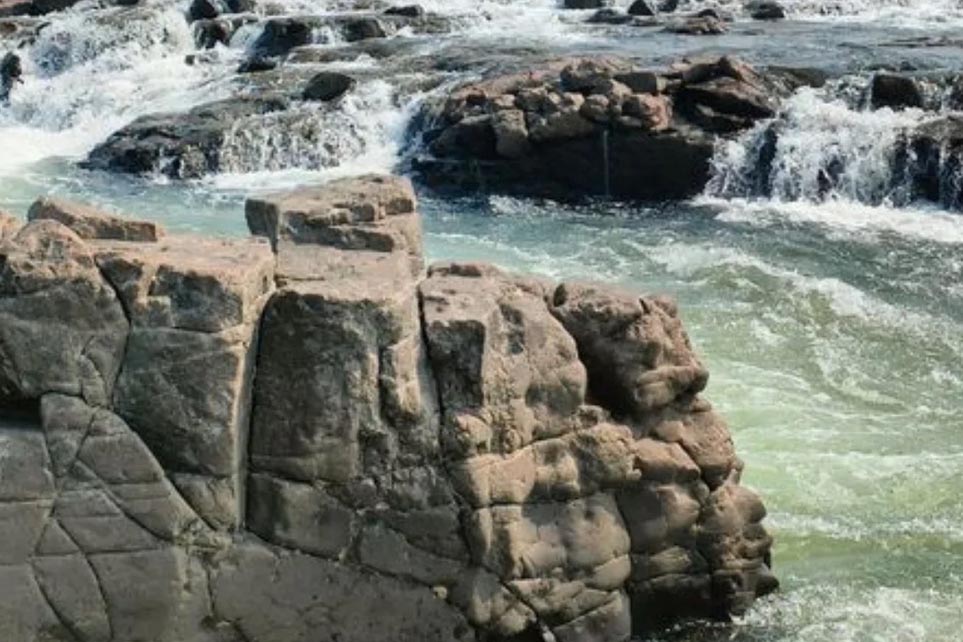
Nestled amid the green hills on the outskirts of Dehradun, Sahastradhara is one of Uttarakhand’s most fascinating natural attractions. The name Sahastradhara, which literally means “thousand-fold spring,” comes from the numerous streams and waterfalls that flow through the area. Known for its scenic beauty, cool water, limestone formations, caves, and peaceful surroundings, the destination has long attracted travelers looking for a refreshing escape from the bustle of city life.
Located close to the city of Dehradun, Sahastradhara is more than just a waterfall or picnic spot. It is a landscape shaped by flowing water, rocky hills, vegetation, and local traditions. Visitors can enjoy the natural springs, admire the surrounding mountains, explore nearby attractions, ride the ropeway, or simply spend a relaxed day surrounded by nature. Its accessibility also makes it an appealing destination for families, couples, groups of friends, and travelers exploring Uttarakhand for the first time.
Where Is Sahastradhara?
Sahastradhara is situated near Dehradun in Uttarakhand, approximately 11–14 kilometres from the main city area, depending on the starting point and route. The attraction lies in a valley surrounded by the lower Himalayan landscape, giving it a distinctive combination of rocky terrain and lush greenery.
Its relatively short distance from Dehradun is one of its biggest advantages. Unlike many Himalayan destinations that require long journeys through winding mountain roads, Sahastradhara can be visited as a convenient day trip. The road journey itself can be enjoyable, particularly when the surrounding landscape becomes greener and the urban environment gradually gives way to hills and open spaces.
The destination is also within practical reach of other popular places in Uttarakhand. Travelers staying in Dehradun can combine Sahastradhara with attractions such as Robber’s Cave, Tapkeshwar Temple, Forest Research Institute, or other local sightseeing spots.
Why Is Sahastradhara Famous?
The principal attraction of Sahastradhara is its collection of natural springs and cascading streams. Water flows down the rocky slopes, creating small waterfalls and pools where visitors can enjoy the refreshing environment. The surrounding rocks have been shaped over time by flowing water, contributing to the area’s unusual geological appearance.
Sahastradhara is particularly famous for its water. The springs are associated locally with therapeutic properties because the water passes through limestone and other mineral-rich rocks. The water is often described as having a cooling and soothing quality. Historically, this association with mineral-rich spring water has contributed considerably to Sahastradhara’s popularity.
However, visitors should distinguish between traditional beliefs about the water’s therapeutic benefits and scientifically established medical treatment. While bathing in naturally cool water can certainly feel refreshing, Sahastradhara should primarily be enjoyed as a natural and recreational attraction rather than regarded as a substitute for medical care.
The name itself adds to the charm of the place. “Sahastradhara” is derived from Sanskrit, with sahastra meaning thousand and dhara referring to a stream or flow. The name evokes an image of countless streams flowing down the hillside, which closely reflects the character of the landscape.
The Natural Beauty of Sahastradhara
One of the most appealing aspects of Sahastradhara is its atmosphere. The sound of running water, green vegetation, rocky cliffs, and surrounding hills create a refreshing environment that feels quite different from the city.
During periods of good rainfall, the streams can become livelier and the surrounding vegetation appears particularly vibrant. Small cascades form along the rocky surfaces, while the water continues its journey through the valley. The combination of water and greenery provides numerous opportunities for photography.
The landscape also changes with the seasons. Summer visitors often appreciate Sahastradhara because the water and shaded surroundings offer relief from warmer temperatures. During the monsoon, the greenery becomes more dramatic and the streams can appear fuller. Winter brings a cooler atmosphere, while the landscape may feel quieter compared with the busier summer and holiday periods.
The beauty of Sahastradhara is not necessarily about one spectacular viewpoint. Instead, it lies in the combination of many smaller natural features: streams, rocks, trees, hills, pools, caves, and changing light. This makes walking around the area an important part of the experience.
The Springs and Their Mineral-Rich Water
The springs at Sahastradhara have traditionally been valued because of their mineral content. The water interacts with the area’s limestone formations before emerging and flowing through the valley. This geological process is responsible for some of the distinctive formations found around the attraction.
For generations, local visitors have associated the water with skin-related and other health benefits. Such traditions are part of the cultural identity of Sahastradhara, but claims about curing diseases should be treated cautiously.
People planning to bathe in the springs should also pay attention to cleanliness and local conditions. Natural water quality can vary depending on rainfall, visitor activity, and environmental conditions. Visitors with sensitive skin or other concerns should exercise appropriate caution.
Even without focusing on the supposed medicinal properties, the cool flowing water remains one of the most enjoyable aspects of a visit. Standing near a cascade or feeling the cool spray on a warm day can make the trip particularly refreshing.
Sahastradhara Ropeway
Another major attraction in the area is the ropeway. The Sahastradhara ropeway provides an opportunity to view the surrounding landscape from above and adds a different dimension to the sightseeing experience.
The elevated perspective allows visitors to appreciate the valley, hills, vegetation, and surrounding settlements from a broader viewpoint. For many tourists, the ropeway ride becomes one of the highlights of their visit, particularly for photography.
The availability and operating conditions of attractions can change, especially because of weather, maintenance, and seasonal circumstances. Travelers should therefore verify current operating hours and ticket information before planning their visit around the ropeway.
Caves and Geological Features
The rocky environment around Sahastradhara is another reason the destination is interesting. Water has gradually interacted with the rocks over long periods, creating distinctive surfaces, formations, and small cave-like features.
These geological characteristics contribute to the area’s visual appeal. Rather than being simply a waterfall surrounded by trees, Sahastradhara presents visitors with a landscape where water and rock continuously interact.
Nearby Robber’s Cave, although a separate attraction, is also frequently included in Dehradun sightseeing itineraries because of its unusual natural formation. The cave is associated with a stream flowing through a rocky passage and provides another example of how water has shaped the region’s landscape.
Religious and Cultural Significance
Sahastradhara is also connected with local religious traditions. The wider Dehradun region has numerous temples and places associated with Hindu mythology and spiritual practices. The presence of natural water sources has historically contributed to the cultural importance of several locations in the Himalayan foothills.
Visitors should remember that Sahastradhara is simultaneously a tourist destination, natural environment, and place with local cultural significance. Respecting local customs, avoiding littering, and behaving responsibly around religious sites and natural water sources are important parts of a considerate visit.
Best Time to Visit Sahastradhara
The best time to visit Sahastradhara depends on what kind of experience a traveler wants.
The warmer months can be attractive because the cool water and shaded surroundings provide a pleasant break from the heat. This is also a popular period for family outings and day trips from Dehradun.
The monsoon season creates particularly green scenery and can increase the volume of water flowing through the area. However, heavy rainfall can also make rocks slippery and conditions around streams unpredictable. Visitors should therefore prioritize safety rather than attempting to get close to stronger currents or unstable edges.
The post-monsoon period can be especially appealing because the landscape often retains its greenery while weather conditions may become more comfortable. Clearer skies can also improve views of the surrounding hills.
Winter is suitable for travelers who prefer cooler weather and potentially quieter surroundings, although getting into cold spring water may not be appealing to everyone.
In general, the ideal period depends on whether the priority is bathing, photography, greenery, comfortable sightseeing, or avoiding crowds.
How to Reach Sahastradhara
Sahastradhara is easiest to visit from Dehradun. Travelers arriving in Dehradun by train, bus, or air can arrange local transportation to reach the attraction.
Dehradun Railway Station is connected to several major Indian cities. From the railway station, visitors can hire taxis or use local transportation to travel toward Sahastradhara.
The nearest major airport is Jolly Grant Airport, officially known as Dehradun Airport, which serves the region. Travelers arriving by air can continue to Sahastradhara by taxi or other local transport.
For people already staying in Dehradun, hiring a cab or using a local taxi service is generally convenient. Depending on the group size, travelers may also consider a private vehicle.
Because road traffic and travel times can vary, it is better to allow some extra time rather than planning the itinerary around a very tight schedule.
Things to Do at Sahastradhara
The most obvious activity is enjoying the natural springs. Visitors can spend time near the flowing water, admire the small cascades, or, where permitted and safe, experience the cool spring water.
Photography is another popular activity. The combination of flowing water, limestone rocks, vegetation, and hills provides plenty of natural subjects. Early morning and late afternoon can offer attractive light, while cloudy weather can give the landscape a dramatic appearance.
The ropeway offers a chance to experience the surroundings from an elevated viewpoint. Visitors who enjoy panoramic views and photography may find this particularly rewarding.
Sahastradhara is also suitable for simply relaxing. Families often visit for leisurely outings, while couples and groups of friends may enjoy walking around and taking photographs. Rather than rushing through every attraction, spending time listening to the water and appreciating the surroundings can be one of the simplest ways to enjoy the destination.
Food and Local Experience
The tourist area around Sahastradhara has facilities catering to visitors, including small eateries and snack stalls. Travelers can expect to find simple refreshments and commonly available Indian snacks.
For a more substantial meal or a wider selection of restaurants, Dehradun offers significantly more choices. This makes it practical to visit Sahastradhara during the daytime and return to the city for lunch or dinner.
Visitors should be mindful of plastic waste and food packaging. Natural tourist destinations can suffer considerably from litter, especially during busy holidays. Carrying reusable water bottles and disposing of waste responsibly can help protect the environment.
Sahastradhara for Families
Sahastradhara can be an enjoyable destination for families because it combines nature, water, sightseeing, and recreational activities without requiring a long mountain journey.
Children often enjoy watching the streams and exploring the surroundings, while adults can appreciate the scenery and take photographs. However, natural water environments require supervision. Rocks can become slippery, and water depth and flow may change after rainfall.
Parents should keep children away from strong currents, steep edges, and unstable rocky areas. Comfortable footwear with a good grip is also advisable.
Sahastradhara for Couples and Photography Lovers
For couples, Sahastradhara provides a relaxed setting away from the more crowded urban environment of Dehradun. The combination of hills, greenery, water, and natural rock formations creates an attractive backdrop for photographs.
Photography enthusiasts can experiment with different perspectives, including close-up images of flowing water, wide shots of the valley, and elevated views from the ropeway.
Morning visits can provide softer light and a relatively peaceful atmosphere. However, anyone carrying expensive photography equipment should be careful around water and slippery rocks.
Places to Visit Near Sahastradhara
One of the advantages of visiting Sahastradhara is that it can easily be combined with other Dehradun attractions. Robber’s Cave, also known as Gucchupani, is one of the most popular nearby natural attractions. Its unusual stream-filled cave environment makes it distinctly different from Sahastradhara.
Tapkeshwar Mahadev Temple is another important attraction in the wider Dehradun area. The temple is associated with a natural cave and a Shiva shrine, making it a popular destination for both pilgrims and tourists.
The Forest Research Institute is another notable Dehradun landmark. Its impressive colonial-era architecture and extensive campus make it particularly interesting for travelers interested in history, architecture, nature, and forestry.
Visitors with more time can also explore other parts of Dehradun or plan excursions toward Mussoorie and nearby Himalayan destinations.
Tips for a Comfortable Visit
A little preparation can make a Sahastradhara trip much more enjoyable. Comfortable clothes and footwear are recommended, particularly if you plan to walk near the streams. Shoes with good grip are preferable because wet rocks can become slippery.
If you intend to spend time around the water, carrying a change of clothes can be useful. Sunscreen, sunglasses, drinking water, and basic personal essentials are also sensible additions to a day-trip bag.
During the monsoon, visitors should be particularly cautious. Never underestimate the power of flowing water simply because a stream appears shallow. Sudden rainfall upstream can change conditions quickly.
It is equally important to respect the natural environment. Avoid throwing plastic or other waste into the streams, do not damage rock formations, and avoid disturbing wildlife or vegetation.
Is Sahastradhara Worth Visiting?
For travelers staying in Dehradun, Sahastradhara is certainly worth considering. Its biggest strength is its accessibility combined with natural beauty. You do not need to undertake a long Himalayan trek to experience flowing mountain water, rocky landscapes, greenery, and hill scenery.
It may not provide the dramatic scale of some of Uttarakhand’s major waterfalls or high-altitude destinations, but its appeal comes from its combination of features. The springs, mineral-rich water, caves, ropeway, surrounding hills, and relaxed atmosphere make it a versatile destination.
For first-time visitors to Dehradun, it can serve as an easy introduction to the natural landscapes of Uttarakhand. For repeat visitors, it can provide a peaceful half-day or full-day escape depending on how much time is spent exploring the surrounding area.
Final Thoughts
Sahastradhara is a destination where water is the central character. From countless small streams and mineral-rich springs to rocks shaped by flowing water, the landscape demonstrates the quiet but powerful influence of nature. Add the green hills, ropeway views, nearby attractions, and easy accessibility from Dehradun, and it becomes easy to understand why Sahastradhara remains a popular place to visit in Uttarakhand.
The best way to experience it is not simply to arrive, take a photograph, and leave. Take time to observe the landscape, listen to the sound of the water, explore the surroundings responsibly, and appreciate the geological and cultural character of the area. Whether you are traveling with family, friends, a partner, or alone, Sahastradhara offers a refreshing opportunity to slow down and experience a small but beautiful corner of the Himalayan foothills.
For anyone planning a Dehradun itinerary, Sahastradhara deserves a place on the list—not only because of its famous springs, but because it brings together water, geology, greenery, recreation, and local culture in one memorable destination.

