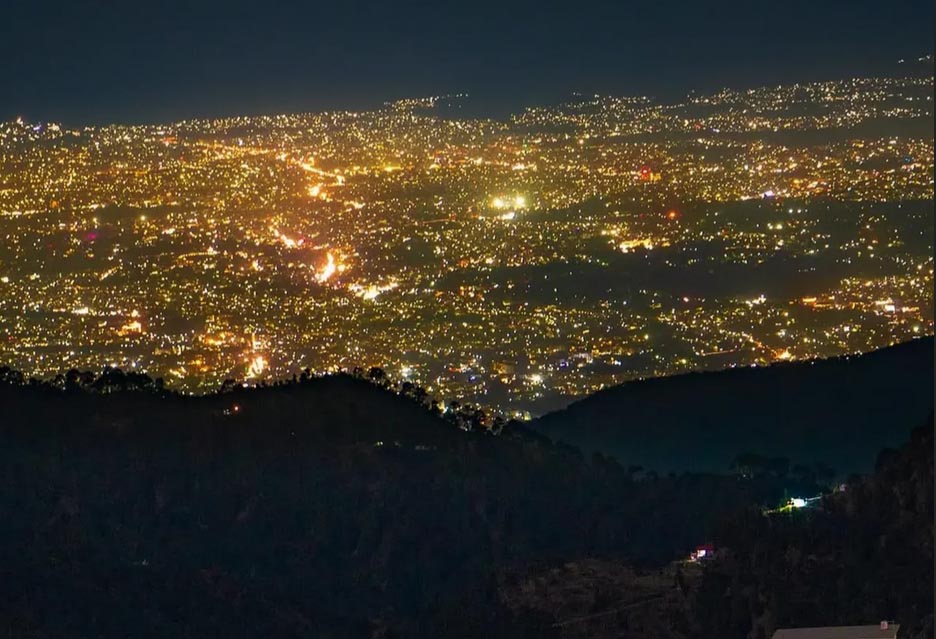
Nestled in the picturesque Doon Valley and surrounded by the foothills of the Himalayas, Dehradun is one of the most charming destinations in Uttarakhand. Often regarded as the gateway to some of North India’s most spectacular hill stations and pilgrimage destinations, the city has a character of its own. Dehradun combines pleasant weather, lush greenery, colonial-era influences, educational institutions, temples, caves, waterfalls, markets and easy access to the mountains. Unlike destinations that are focused entirely on sightseeing, Dehradun offers a slower and more relaxed travel experience where visitors can spend time exploring nature, enjoying local food and discovering the city’s cultural heritage.
The city is located between the Ganga and Yamuna river systems and is surrounded by the Himalayan foothills on three sides. Its scenic location has contributed greatly to its popularity among tourists. Dehradun is also the capital of Uttarakhand and serves as an important administrative, educational and cultural centre. The presence of renowned institutions has given the city a youthful atmosphere, while its old neighbourhoods, temples and traditional markets preserve its connection with the past.
For travellers planning a holiday in Uttarakhand, Dehradun can be more than simply a stopover on the way to Mussoorie, Rishikesh or Haridwar. The city and its surrounding areas offer enough attractions for a memorable two- or three-day trip, while longer stays can be used to explore nearby forests, villages, waterfalls and Himalayan destinations.
The Historical and Cultural Character of Dehradun
Dehradun has a fascinating history shaped by different kingdoms, communities and cultural influences. The name is commonly associated with the words “dera” and “dun,” referring broadly to a camp or settlement in the valley. Over the centuries, the region developed as an important settlement because of its fertile land and strategic location.
The city’s history is also associated with Sikh heritage. One of its best-known religious landmarks is the historic Sikh temple at Nanaksar and the nearby Gurudwara Shri Guru Ram Rai Darbar Sahib, which is closely connected with the history of the city. The Darbar Sahib complex is an important cultural and religious site and attracts visitors throughout the year.
Dehradun’s colonial influence can also be seen in its architecture and old institutions. British-era establishments, churches, schools and government buildings contributed to the city’s distinctive character. The city subsequently became famous for education and research, with institutions such as the Forest Research Institute and the Indian Military Academy becoming important landmarks.
This mixture of history, religion, education and natural surroundings makes Dehradun different from many other tourist destinations in northern India. A visit here is not only about scenic views; it is also an opportunity to understand the cultural development of the Doon Valley.
Forest Research Institute: An Architectural and Educational Landmark
One of the most recognizable attractions in Dehradun is the Forest Research Institute, commonly known as FRI. Spread across a vast green campus, the institute is famous for its impressive Greco-Roman architectural design and grand corridors. The building itself is one of the city’s most photographed landmarks.
The campus houses museums and collections related to forestry, wildlife, timber, entomology and other aspects of forest science. Visitors interested in architecture, history, nature or photography can find plenty to explore here. The broad lawns and imposing structure also provide a peaceful contrast to the busy parts of the city.
FRI is particularly appealing to travellers who enjoy combining sightseeing with learning. Rather than being simply another monument, it provides an insight into India’s long history of scientific forestry and environmental research.
Robber’s Cave: A Natural Adventure Near the City
Robber’s Cave is among the most popular natural attractions around Dehradun. Locally known as Gucchu Pani, this unusual geological formation consists of a narrow cave through which a stream flows. Visitors can walk through the water inside parts of the cave, making the experience considerably more adventurous than ordinary sightseeing.
The surrounding landscape adds to the attraction. Rocky formations, flowing water and greenery create a refreshing environment, particularly during the warmer months. Travellers should wear appropriate footwear because the rocks can be slippery and the water level may vary depending on weather conditions.
The cave is best enjoyed as a short nature excursion rather than a hurried photo stop. Spending some time around the area allows visitors to appreciate the unusual combination of rocks, water and forest that makes Gucchu Pani distinctive.
Sahastradhara and Its Waterfalls
Sahastradhara, meaning “thousand-fold spring,” is another celebrated attraction near Dehradun. The area is known for its cascading water, rocky surroundings and lush vegetation. The springs and streams have traditionally been associated with therapeutic properties, although visitors should treat such claims with appropriate caution.
Sahastradhara is particularly popular with families and travellers looking for a relaxed outing. The sound of flowing water and the surrounding greenery provide an escape from the urban environment. The area can become crowded during weekends and holidays, so travellers who prefer a quieter experience may want to visit earlier in the day.
The destination also demonstrates why Dehradun is appealing to nature lovers. Visitors do not necessarily have to travel deep into the Himalayas to experience waterfalls, streams and forest landscapes.
Tapkeshwar Temple and Spiritual Tourism
Dehradun has several important temples, but Tapkeshwar Temple is among the most famous. Located near a natural cave, the temple is dedicated to Lord Shiva and has a distinctive setting created by the surrounding rocks and a seasonal stream.
Water droplets naturally fall onto the Shiva lingam inside the cave, contributing to the temple’s name and spiritual significance. The site attracts devotees as well as tourists interested in the natural setting. During major Hindu festivals, particularly Shivratri, the temple can become exceptionally busy.
Tapkeshwar is an example of how spirituality and natural geography often come together in Uttarakhand. The temple’s location inside a cave gives the visit a character that is quite different from conventional urban temples.
Mindrolling Monastery and Tibetan Culture
For travellers interested in Buddhist culture, Mindrolling Monastery is an important place to visit. Located in the Clement Town area, the monastery is associated with the Nyingma tradition of Tibetan Buddhism. Its elaborate architecture, prayer spaces, gardens and large stupa create a peaceful atmosphere.
The monastery is particularly attractive for visitors looking for a quiet break from the city’s more crowded attractions. The complex reflects Tibetan Buddhist artistic traditions and provides an opportunity to learn about a cultural heritage that has become an important part of Dehradun’s identity.
Visitors should remember that the monastery is a religious space. Maintaining silence in appropriate areas and respecting local customs helps preserve the peaceful environment.
Dehradun Zoo and Other Family Attractions
Dehradun and its surrounding areas offer several attractions suitable for families. The city’s zoo and nearby nature-oriented destinations provide opportunities for children to learn about wildlife and local ecosystems.
The Regional Science Centre is another useful stop for families and students. Interactive exhibits and educational displays make science more accessible and entertaining. Such attractions are especially useful when travelling with children because they add an educational dimension to the holiday.
Dehradun’s numerous parks and green spaces can also be incorporated into a relaxed itinerary. The city does not require every day to be filled with major sightseeing attractions; sometimes simply spending an afternoon in a quiet park or enjoying a leisurely meal is part of the appeal.
Paltan Bazaar and the Shopping Experience
No trip to Dehradun is complete without exploring its markets. Paltan Bazaar is one of the city’s most famous shopping areas and provides a glimpse into everyday urban life. The market is known for clothing, household products, accessories, snacks and local items.
The experience here is different from shopping in modern malls. Narrower streets, small shops, local vendors and food stalls create a lively atmosphere. Visitors can look for souvenirs and regional products while experiencing the energy of the city.
Dehradun is also associated with basmati rice, locally produced foods, woollens and traditional products from the wider Uttarakhand region. Travellers interested in taking home something distinctive should explore local markets rather than limiting their shopping to commercial chains.
Dehradun’s Food and Culinary Culture
Food is an important part of any Dehradun trip. Because the city has attracted residents and students from across India, its culinary scene is diverse. Visitors can find North Indian, Tibetan, Chinese, South Indian and international cuisines alongside traditional Garhwali and Kumaoni dishes.
Travellers should try regional dishes whenever possible. Garhwali cuisine often uses simple ingredients and distinctive combinations of lentils, grains, vegetables and spices. Dishes such as kafuli, chainsoo, phaanu, aloo ke gutke and singori can provide a taste of Uttarakhand’s culinary traditions.
Street food is another enjoyable part of the experience. Dehradun is known for snacks and bakeries, and its older food establishments have long been popular among students and residents. A leisurely evening spent sampling local snacks and tea can be just as memorable as visiting a monument.
Best Time to Visit Dehradun
Dehradun can be visited throughout much of the year, but the best time depends on the kind of experience a traveller wants. Spring and early summer are pleasant for sightseeing, while autumn is particularly attractive because of clearer skies and comfortable temperatures.
Summer can be warmer in the daytime but is still manageable compared with many northern Indian plains cities. It is also a popular period for travellers heading onward to Mussoorie and other hill destinations.
The monsoon brings substantial rainfall to the region. The greenery becomes exceptionally vibrant during this period, and waterfalls and streams can look spectacular. However, heavy rain can occasionally disrupt travel and make certain outdoor activities less convenient. Travellers planning excursions into hilly areas should keep weather conditions in mind.
Winter is generally cool and can be an enjoyable time for visitors who prefer crisp weather. Mornings and evenings can become quite cold, particularly during the colder part of the season, so warm clothing is advisable.
How to Reach Dehradun
Dehradun is relatively easy to reach from major cities in northern India. Jolly Grant Airport serves the region and provides air connectivity with several Indian cities. The airport is located outside the main city, and taxis and other local transportation options are available for reaching central Dehradun.
The city also has an important railway station with connections to several major destinations. Rail travel can be a convenient option for travellers coming from Delhi and other parts of northern India.
Road connectivity is another major advantage. Dehradun is connected by highways to Delhi, Haridwar, Rishikesh, Chandigarh and other cities. Buses, taxis and private vehicles are commonly used by travellers. Its road connections also make it a practical base for exploring neighbouring destinations.
Getting Around Dehradun
Getting around the city is relatively straightforward. Auto-rickshaws, taxis and app-based transportation services can be useful for reaching attractions. Travellers who want to visit several attractions in one day may find it convenient to hire a cab for local sightseeing.
For short distances, walking can sometimes be enjoyable, particularly in quieter neighbourhoods. However, attractions such as Robber’s Cave, Sahastradhara and other sites around the city’s outskirts may require private or hired transportation.
A useful approach is to group attractions geographically rather than attempting to cross the entire city repeatedly. This saves time and makes the trip more relaxed.
Places to Visit Near Dehradun
One of Dehradun’s biggest advantages is its proximity to several famous destinations. Mussoorie is perhaps the most popular nearby hill station. Located in the Himalayan foothills, it offers mountain views, colonial architecture, markets and scenic walking routes.
Rishikesh is another major destination within easy reach. Famous for yoga, spirituality, the Ganges, adventure sports and ashrams, it provides a very different travel experience from Dehradun.
Haridwar, one of India’s major pilgrimage cities, can also be visited from Dehradun. The evening Ganga Aarti at Har Ki Pauri is one of the region’s most memorable cultural experiences.
For travellers with more time, destinations such as Dhanaulti, Kanatal, Chakrata and nearby forest areas can be considered. These places are suitable for people who want quieter mountain landscapes away from the busiest tourist centres.
Adventure and Nature Experiences
Although Dehradun itself is primarily a cultural and nature-oriented destination, its location makes it a convenient base for outdoor adventures. Trekking routes, forest walks, mountain excursions and waterfall visits are available in the wider region.
Travellers interested in hiking should choose routes appropriate to their experience and check weather conditions before leaving. The Himalayan foothills can change quickly from easy terrain to challenging conditions, particularly during the monsoon and winter.
Birdwatching and nature photography are also rewarding activities in and around the Doon Valley. The area’s forests and varied landscapes support a wide range of birdlife and vegetation.
Where to Stay in Dehradun
Accommodation in Dehradun ranges from budget guesthouses and hostels to boutique hotels and luxury properties. The best area to stay depends on the purpose of the trip. Travellers who want convenient access to markets, restaurants and transportation may prefer central parts of the city, while those looking for a quieter environment can consider areas on the outskirts.
Families may prefer comfortable hotels with parking and easy road access, particularly if they are planning day trips to Mussoorie or other nearby destinations. Solo travellers and backpackers often have more affordable hostel and guesthouse options.
When choosing accommodation, travellers should consider more than the room itself. Location, accessibility, parking, reviews, cancellation policies and transport availability can significantly affect the overall experience.
How Many Days Are Enough for Dehradun?
Two days are enough to experience many of Dehradun’s principal attractions, although three days provide a more comfortable schedule. A short trip could include the Forest Research Institute, Robber’s Cave, Sahastradhara, Tapkeshwar Temple, Mindrolling Monastery and an evening exploring the city’s markets.
With three or four days, visitors can slow down the itinerary and add nearby destinations. One day can be dedicated to Mussoorie, while another can be used for Rishikesh or a quieter mountain excursion.
The key is not to overcrowd the itinerary. Dehradun is best appreciated at a leisurely pace, with enough time to enjoy its food, greenery and local atmosphere.
Responsible Tourism in Dehradun
As tourism continues to grow, responsible travel is increasingly important. Visitors should avoid littering, especially around waterfalls, forests and religious sites. Plastic waste should be minimized, and travellers should use designated waste-disposal facilities whenever available.
Respecting local culture is equally important. Religious sites require appropriate clothing and behaviour, while monasteries and temples may have specific photography restrictions. Visitors should also avoid disturbing wildlife or removing plants, rocks or other natural materials.
Supporting local businesses can make a positive contribution to the destination. Eating at local restaurants, purchasing locally made products and hiring local guides or drivers can help ensure that tourism benefits the surrounding community.
Dehradun Tourism: A Destination Worth Exploring
Dehradun’s greatest strength is its balance. It is neither as hectic as a major metropolitan city nor as isolated as a remote Himalayan village. It offers nature without requiring a long mountain journey, history without feeling like an open-air museum, spirituality without being exclusively a pilgrimage destination and modern conveniences alongside traditional culture.
For some travellers, the city’s biggest attraction will be its proximity to Mussoorie, Rishikesh and other famous destinations. For others, the real pleasure will be discovering Dehradun itself: walking through its markets, visiting historic institutions, enjoying regional food, exploring caves and waterfalls, or simply relaxing among the greenery of the Doon Valley.
Whether it is a family holiday, a romantic getaway, a weekend road trip, a cultural journey or the beginning of a longer Uttarakhand adventure, Dehradun provides a welcoming introduction to the region. Its combination of Himalayan scenery, cultural diversity, educational heritage and relaxed atmosphere makes it one of northern India’s most rewarding destinations.
Ultimately, Dehradun is not a place that needs to be rushed. Its charm lies in the details—the cool mountain breeze, old buildings, forested surroundings, temple bells, local markets, steaming cups of tea and the distant Himalayan landscape. For travellers willing to slow down and explore beyond the obvious attractions, the city offers an experience that is peaceful, varied and distinctly its own.
 Kalpita Ganguli