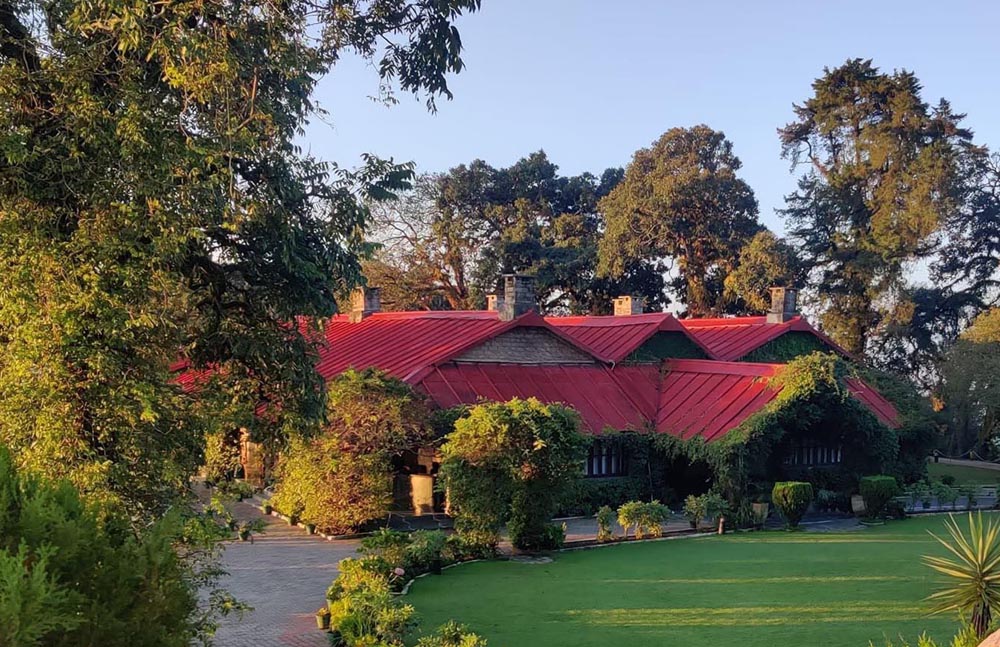
Nestled amid the pine-covered hills of Lansdowne in Uttarakhand, the Garhwali Mess is far more than an old colonial-era building. It is a remarkable cultural and military heritage site associated with the history of the Garhwal Rifles and the development of Lansdowne as an important cantonment town. Built in 1888, the historic structure has survived for more than a century and continues to attract visitors interested in architecture, military history, local culture and the legacy of the Indian Army.
Located in the Pauri Garhwal district, Lansdowne is known for its quiet atmosphere, dense forests, mountain scenery and military heritage. Unlike many Himalayan destinations that have developed around commercial tourism, Lansdowne retains much of its cantonment character. The Garhwali Mess fits naturally into this setting. Its historic interiors, old-world architecture, military associations and museum-like collections provide visitors with an opportunity to experience a different side of Uttarakhand.
The name “Garhwali Mess” can sometimes create confusion because the word “mess” may suggest a restaurant or dining establishment. In this context, however, the Garhwali Mess is a historic military mess and heritage building, not simply a place where tourists go to eat Garhwali food. It is associated with the traditions and history of the Garhwal Rifles and forms part of Lansdowne’s military heritage.
The Historical Origins of Garhwali Mess
The history of Garhwali Mess is closely connected with the establishment and growth of Lansdowne as a military cantonment. The building dates back to 1888, placing its construction in the British colonial period. More than a century later, it remains one of the better-preserved historic structures in Lansdowne.
The establishment of military infrastructure in the Garhwal region reflected the strategic importance of the Himalayan foothills during the colonial period. Lansdowne developed as a cantonment, and military institutions became an important part of the town’s identity. The Garhwali Mess was created within this environment and subsequently became associated with the Garhwal Rifles.
Today, the building provides an architectural link between Lansdowne’s colonial past and its continuing military identity. For visitors, this historical continuity is one of the most interesting aspects of the site. Rather than viewing the building simply as an old structure, it is useful to understand it as part of a larger story involving the British-era cantonment, the development of the Garhwal Rifles and the transformation of military institutions in independent India.
Garhwali Mess and the Garhwal Rifles
The connection between Garhwali Mess and the Garhwal Rifles is central to its importance. The Garhwal Rifles have a long military tradition associated with the Garhwal region, and Lansdowne remains strongly connected with the regiment.
The mess represents the social and institutional side of military life. Historically, military messes were not merely dining spaces. They could function as important social environments where officers gathered, formal occasions were held and traditions were maintained. Consequently, a historic mess building can tell visitors something about military culture that cannot always be understood by looking at battlefields or monuments alone.
The preservation of Garhwali Mess therefore contributes to the wider heritage of the Garhwal Rifles. The building provides a physical setting through which visitors can appreciate the relationship between the regiment, the cantonment and Lansdowne itself.
Architecture of Garhwali Mess
One of the most striking characteristics of Garhwali Mess is its British-era architectural appearance. The structure reflects the architectural vocabulary commonly associated with colonial cantonment buildings in the Himalayan region. Its design, proportions, furnishings and overall character distinguish it from modern buildings found elsewhere in Uttarakhand.
The architecture is particularly interesting because it was designed for a mountain environment. Buildings in Himalayan cantonments had to respond to climate, terrain and seasonal conditions while also meeting institutional requirements. Garhwali Mess demonstrates how colonial-era construction adapted to the distinctive landscape of Lansdowne.
The building’s historic furnishings add another layer of interest. Instead of presenting a completely modernized interior, the heritage character has been retained, allowing visitors to experience something of the atmosphere of an earlier period.
For photographers and architecture enthusiasts, details such as wooden elements, old furnishings, traditional military memorabilia and the relationship between the structure and its surrounding landscape can be particularly appealing.
The Museum and Historical Collections
Garhwali Mess also has a museum component that adds considerable value to a visit. The collections reportedly include old furnishings, wildlife specimens and trophies, reflecting aspects of the building’s historical environment.
Such collections are important because they help transform the building from an architectural attraction into a place of interpretation. A historic building can tell visitors about its age, but objects inside the building can provide a more tangible understanding of the people and institutions that occupied it.
The museum-like displays can therefore be viewed as complementary to the architecture. Visitors can look at the structure itself while also exploring objects connected with its past.
One particularly interesting feature mentioned in descriptions of the site is a sundial. The sundial is notable because its directional indicators point toward prominent Himalayan peaks, including Chaukhamba, Nanda Devi and Mount Kamet.
This feature demonstrates how the building’s historic environment interacted with the surrounding Himalayan geography. The mountains were not simply scenery; they formed an important part of the identity of the region.
The Importance of Lansdowne
A discussion of Garhwali Mess is incomplete without understanding Lansdowne. Situated in the Pauri Garhwal district, Lansdowne is one of Uttarakhand’s distinctive hill towns. Its atmosphere differs from more commercial destinations such as Mussoorie and Nainital.
Lansdowne is strongly influenced by its cantonment heritage. Roads, forests, military establishments, historic churches and old buildings contribute to the town’s relatively peaceful character. Visitors often come not only for scenic views but also to experience this combination of Himalayan landscape and military history.
Garhwali Mess fits particularly well into this identity. It is an attraction for people who want to understand why Lansdowne developed differently from many other hill stations.
The town’s forested environment also makes a visit to historic buildings feel different from visiting heritage sites in crowded urban centres. Pine trees, mountain air and quiet roads create an atmosphere in which the architectural details of the old cantonment become easier to appreciate.
Where Is Garhwali Mess Located?
Garhwali Mess is located in Lansdowne, Uttarakhand, within the cantonment area. It is approximately 1.1 kilometres from Gandhi Park in Lansdowne Market, making it accessible from the main market area on foot. One tourism source describes the walk as roughly 15 minutes.
Its location makes it relatively easy to combine with other attractions in Lansdowne. Visitors can create a heritage-oriented walking itinerary that includes the Garhwali Mess and other historic or military landmarks.
The exact access arrangements to heritage and cantonment properties can sometimes change, so visitors should check locally before planning a detailed itinerary, particularly if they are travelling specifically to see the interior of the building.
How to Reach Garhwali Mess
Lansdowne is connected by road with several important towns in Uttarakhand and neighbouring states. Travellers generally reach the town by road, either using private vehicles, taxis or available bus services.
For visitors travelling by rail, Kotdwar is the nearest major railway connection and is approximately 40 kilometres from Lansdowne, according to tourism information. From Kotdwar, visitors can continue toward Lansdowne by road.
For air travellers, Jolly Grant Airport near Dehradun is identified as the nearest airport, at roughly 148 kilometres from Lansdowne.
Delhi is also a significant source of visitors because Lansdowne is suitable for a relatively short Himalayan getaway by road. Tourism information places the town at approximately 259 kilometres from New Delhi, although actual travel time depends on traffic, road conditions and the route taken.
Best Time to Visit
The best season depends on what a visitor wants from a Lansdowne trip. Spring and summer can be pleasant for sightseeing, walking and exploring the town, while autumn often brings clearer Himalayan views and comfortable temperatures.
The monsoon season transforms the surrounding hills into a particularly lush landscape, but heavy rainfall can affect road conditions and outdoor plans. Winter offers a different experience, with colder temperatures and a quieter atmosphere.
Because Garhwali Mess is primarily a heritage attraction, the visit does not depend entirely on outdoor activities. However, combining the building with other Lansdowne attractions makes good weather more valuable.
What Makes Garhwali Mess Different?
Many tourist attractions in Uttarakhand are primarily associated with mountains, temples, waterfalls, trekking or wildlife. Garhwali Mess represents another dimension of the state: military and colonial heritage.
Its significance comes from the combination of several elements. The building is historically old, its architecture reflects the colonial period, its institutional history is connected with the Garhwal Rifles, and its collections provide additional insight into the past.
This combination gives the site a character that is different from a conventional tourist viewpoint. Visitors are not simply looking at a mountain panorama; they are exploring a place that has witnessed generations of military and social history.
The attraction is therefore particularly relevant for history enthusiasts, architecture lovers, photographers, students, military-history enthusiasts and travellers interested in lesser-known heritage destinations.
Garhwali Food and the Broader Culinary Connection
Although Garhwali Mess itself should not be confused with a contemporary Garhwali restaurant, visiting Lansdowne provides an opportunity to explore the wider culinary traditions of Uttarakhand.
Traditional Garhwali food is built around ingredients that have historically been suited to Himalayan agriculture and mountain lifestyles. Dishes commonly associated with the region include kafuli, chainsoo, phaanu, aloo ke gutke, bhatt preparations, mandua roti, jhangora ki kheer and bhang ki chutney. Contemporary Garhwali-food establishments in Uttarakhand also increasingly present these dishes in thali and modern café formats.
The growing interest in regional cuisine has helped bring Uttarakhand’s food heritage into urban centres. Dehradun, for example, currently has multiple establishments listed as serving Garhwali cuisine.
This culinary revival is relevant to the wider experience of exploring Garhwali heritage. Architecture, military history, language, clothing, music and cuisine all contribute to understanding the cultural identity of the Garhwal region.
Nearby Attractions
A visit to Garhwali Mess can easily be combined with several other attractions in Lansdowne. These include Bhulla Tal, Darwan Singh Museum, Tip-n-Top, the War Memorial, St. John’s Church, St. Mary’s Church and Kaleshwar Mahadev Temple, among others.
The Darwan Singh Museum is particularly relevant to visitors interested in military history. Meanwhile, Tip-n-Top provides a more scenic experience, allowing travellers to shift from historical exploration to Himalayan views.
Bhulla Tal offers another kind of experience, while the historic churches illustrate the colonial influence that helped shape Lansdowne’s built environment.
This variety means that Garhwali Mess works best as part of a larger Lansdowne itinerary rather than as an isolated attraction.
Photography and Responsible Tourism
Garhwali Mess can be particularly interesting for photography because of its combination of historic architecture, traditional furnishings and Himalayan surroundings. However, visitors should remember that the site has a military heritage and may operate under rules different from those of ordinary tourist attractions.
Photography permissions, access to interiors and visiting arrangements should be respected. Travellers should avoid photographing restricted military areas or personnel without permission.
Responsible tourism is especially important in cantonment areas. Maintaining cleanliness, avoiding unnecessary noise and respecting heritage structures help preserve the character of places such as Garhwali Mess for future generations.
Why Heritage Preservation Matters
Historic structures often disappear gradually when their cultural importance is overlooked. Preserving Garhwali Mess helps maintain a physical connection with the history of Lansdowne and the Garhwal Rifles.
Heritage preservation is not simply about maintaining old walls. A historic building can preserve stories about architecture, military institutions, social customs, technology, local geography and changing political circumstances.
The Garhwali Mess demonstrates how these different layers can coexist in one place. Its 1888 construction date connects it to the colonial era, while its continued association with the Garhwal Rifles connects it with a living military tradition.
For younger visitors in particular, such places can provide a more tangible understanding of history than textbooks alone.
A Different Way to Experience Uttarakhand
Uttarakhand is frequently marketed through its natural beauty, but its cultural and built heritage is equally significant. Garhwali Mess illustrates this perfectly.
The attraction offers an opportunity to slow down and explore the historical side of a Himalayan town. Instead of rushing from one scenic viewpoint to another, visitors can examine architecture, learn about military traditions and understand how Lansdowne developed over time.
The surrounding landscape makes the experience even more distinctive. The combination of old colonial architecture, military history, forested hills and distant Himalayan peaks creates a setting that is difficult to reproduce elsewhere.
Final Thoughts
Garhwali Mess in Lansdowne is one of Uttarakhand’s noteworthy heritage landmarks, particularly for travellers interested in military history and colonial-era architecture. Constructed in 1888, the building is closely associated with the Garhwal Rifles and forms an important part of Lansdowne’s cantonment heritage. Its preserved architecture, historic furnishings, museum collections and distinctive sundial connecting the site with major Himalayan peaks make it more than an ordinary old building.
A visit becomes even more rewarding when combined with Lansdowne’s other attractions, including its churches, museums, viewpoints, lakes and military memorials. The town’s quieter atmosphere provides an appropriate setting for exploring a place whose importance lies not in spectacle but in continuity.
For travellers looking beyond Uttarakhand’s popular tourist circuits, Garhwali Mess offers a chance to discover a lesser-known chapter of Himalayan history. It represents the meeting point of Garhwali identity, military tradition, colonial architecture and mountain geography—four elements that together help explain the unique character of Lansdowne.
Whether approached as a historical monument, an architectural attraction or part of the broader heritage of the Garhwal Rifles, Garhwali Mess remains an important reminder that the story of Uttarakhand is not written only in its mountains and forests. It is also preserved in its old buildings, institutions, traditions and the communities that continue to give those places meaning.

