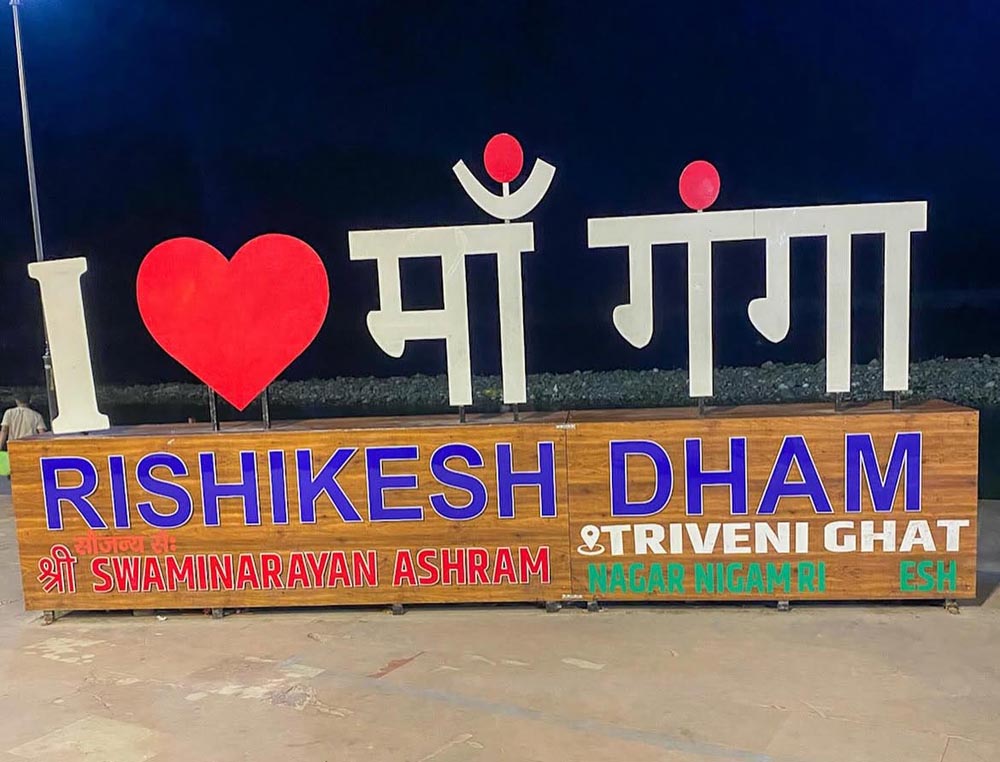
On the banks of the holy Ganga, in the heart of Rishikesh, lies Triveni Ghat, one of the most spiritually significant and culturally vibrant places in Uttarakhand. More than a riverside promenade or a bathing ghat, Triveni Ghat is a place where pilgrimage, mythology, ritual, nature and everyday life come together. The sound of temple bells, the fragrance of incense, the sight of devotees offering prayers and the continuous movement of the Ganga create an atmosphere that is distinctly associated with Rishikesh.
Triveni Ghat is situated in Mayakund in Rishikesh and is regarded as one of the city’s principal bathing and pilgrimage sites. Uttarakhand Tourism describes it as the best-known bathing ghat in Rishikesh, where pilgrims traditionally take a holy dip before visiting temples. The ghat is particularly famous for its evening Ganga Aarti, when lamps, chanting and devotional music transform the riverfront into a spectacular spiritual setting.
The Spiritual Significance of Triveni Ghat
The name “Triveni” refers to a confluence of three sacred rivers: the Ganga, Yamuna and the mythical Saraswati. In Hindu religious tradition, their symbolic meeting gives the site exceptional spiritual importance. Although the visible river at Rishikesh is the Ganga, the association with the three sacred rivers is an important part of the religious identity of the ghat.
For generations, pilgrims have visited Triveni Ghat to perform religious rituals, offer prayers and bathe in the Ganga. The traditional belief is that bathing in the sacred river helps purify the individual spiritually. Devotees also come here to make offerings for their ancestors and perform other ceremonies connected with Hindu religious traditions.
The ghat therefore serves several purposes at once. For a pilgrim, it can be a place of prayer and purification. For someone interested in Hindu culture, it offers an opportunity to observe traditional rituals. For travellers, it provides a peaceful location beside the Ganga where they can experience an important aspect of Rishikesh beyond yoga, meditation and adventure tourism.
Legends and Mythological Associations
Like many ancient pilgrimage locations in Uttarakhand, Triveni Ghat is surrounded by stories from Hindu mythology. Local traditions associate the area with episodes connected with Lord Rama and Lord Krishna. According to one popular legend, Lord Rama came to this region seeking redemption after his victory over Ravana. Another tradition says that Lord Krishna visited the sacred area after being wounded by a hunter’s arrow. These stories form part of the religious folklore associated with the ghat rather than historical records.
The wider Rishikesh area is also deeply associated with sages, meditation and penance. The presence of ancient temples and sacred water bodies around the town reinforces its identity as a pilgrimage centre. Rishikesh itself has long attracted people seeking spiritual learning, meditation and religious knowledge, and Triveni Ghat occupies an important place within this landscape.
Nearby Rishikund, associated with Raghunath Temple, has its own mythology. According to local tradition, the sacred pond is connected with Lord Rama and is also associated with the meeting of the three holy rivers.
The Famous Ganga Aarti at Triveni Ghat
For many visitors, the defining experience of Triveni Ghat is the evening Ganga Aarti. As daylight begins to disappear, devotees gather along the steps facing the river. Priests conduct the ceremony with lamps and devotional offerings while bells, chants and other sounds of worship fill the air.
The illuminated lamps create a remarkable sight as their reflections shimmer on the flowing Ganga. Devotees may also place small floating diyas on the river as an offering. The combination of firelight, water, chanting and the evening sky gives the ceremony an atmosphere that is both visually striking and deeply religious.
Incredible India describes the Triveni Ghat ceremony as an important daily Ganga Aarti lasting roughly 45 minutes, while other local tourism sources describe the evening ceremony as generally taking place around the sunset period. Timings can vary seasonally and with local arrangements, so visitors should confirm the day’s timing locally rather than relying on a fixed clock time.
The ceremony should be approached as a religious observance rather than simply a tourist performance. Visitors are expected to behave respectfully, avoid disturbing worshippers and follow local instructions around the ritual area.
What Happens During the Aarti?
The precise sequence can vary, but the ceremony generally involves prayers, chanting, devotional music and the offering of lamps to the Ganga. Priests use large illuminated aarti lamps during the worship, creating a moving pattern of light against the evening darkness.
The participation of the crowd is an important part of the atmosphere. People sing devotional songs, recite prayers and observe the ceremony from the steps. Some visitors sit quietly and absorb the experience, while devotees actively participate in the prayers.
The Ganga itself remains the centre of attention. The river is not merely a backdrop to the ceremony; within Hindu tradition, the Ganga is revered as a sacred mother figure. Consequently, the act of offering light to the river has religious meaning connected with gratitude, devotion and reverence.
Taking a Holy Dip in the Ganga
Triveni Ghat is traditionally a bathing ghat, and taking a dip in the Ganga is one of the principal activities associated with the site. Pilgrims often bathe before visiting temples or performing religious rituals.
Visitors who choose to enter the river should exercise considerable caution. The Ganga has a strong current, and water conditions can change depending on the season, rainfall and upstream conditions. One should use designated areas and follow local safety instructions rather than entering the river at an unsuitable location.
The religious significance of bathing should also be understood within its cultural context. For devotees, the ritual is an expression of faith and purification. For travellers who do not share that belief, simply sitting beside the river and observing the rituals can be equally meaningful as a cultural experience.
Morning at Triveni Ghat
Although the evening Aarti attracts the largest crowds, Triveni Ghat has a very different character in the early morning. The riverfront is generally calmer, and the soft morning light creates beautiful views across the Ganga.
Early morning is particularly suitable for visitors who want to experience the ghat without the intensity of the evening crowds. Devotees may be seen bathing, praying and performing rituals, while the river flows steadily through the city.
Photography enthusiasts can also find interesting opportunities during the morning. The combination of the river, temple architecture, boats, hills and human activity provides a rich visual setting. However, photography should always remain respectful, particularly when people are performing private religious ceremonies.
Temples Around Triveni Ghat
The area surrounding Triveni Ghat contains several temples and religious sites. The ghat itself is part of a larger sacred landscape rather than an isolated attraction.
Bharat Mandir is one of the oldest and most important temples in Rishikesh and is located close to Triveni Ghat. Uttarakhand Tourism notes its traditional association with Adi Shankaracharya and identifies it as a shrine dedicated to Lord Vishnu. The temple’s history and religious traditions make it an important addition to a Triveni Ghat visit.
Raghunath Temple and Rishikund are also nearby. Rishikund is a sacred water tank associated with local traditions concerning Lord Rama, and the temple’s reflection in its waters creates one of the area’s characteristic sights.
Other smaller temples and shrines around the ghat contribute to the spiritual character of the neighbourhood. Exploring these places on foot allows visitors to understand how closely religious life and ordinary urban life are connected in Rishikesh.
Triveni Ghat as a Cultural Experience
One of the most interesting things about Triveni Ghat is that it is not exclusively a tourist attraction. It continues to function as a living religious space. Local residents, pilgrims, priests, sadhus and travellers all share the riverfront.
This creates an experience different from visiting a monument where the original religious function has disappeared. At Triveni Ghat, rituals continue as part of everyday life. Morning bathing, temple visits, offerings and evening prayers are not performances arranged solely for visitors.
The surrounding streets also reveal another side of Rishikesh. Small shops, religious stalls, flower sellers and local businesses cater to pilgrims and travellers. Visitors can purchase flowers, diyas, devotional items and other traditional products before making an offering at the river.
The Ganga and the Landscape
The natural setting is an essential part of Triveni Ghat’s appeal. Rishikesh lies where the Ganga emerges from the Himalayan region into the plains, giving the city a distinctive geographical and spiritual identity.
The river dominates the visual landscape around the ghat. During different times of day, its appearance changes dramatically. Morning light can give the water a peaceful quality, while sunset creates warm colours around the riverfront. During the evening Aarti, the illuminated lamps provide an entirely different atmosphere.
The relationship between the river and the surrounding hills is one of the reasons Rishikesh has become such a popular destination for both spiritual travellers and nature lovers.
Boat Rides and Riverside Views
A boat ride on the Ganga can provide another perspective of Triveni Ghat and the surrounding riverfront. From the water, visitors can appreciate the stepped structure of the ghats, temples and activity along the riverbanks. Incredible India specifically recommends experiencing the ghat from the river as a way of appreciating the surrounding scenery and devotional activity.
Boat services and conditions can vary according to season, river conditions and local regulations. Visitors should use authorised operators and follow safety instructions.
Nearby Attractions
Triveni Ghat can easily be incorporated into a wider Rishikesh sightseeing itinerary. Bharat Mandir is nearby, while Raghunath Temple and Rishikund can be visited as part of a religious walking route.
Ram Jhula is another important attraction associated with the spiritual identity of Rishikesh. The suspension bridge provides views of the Ganga and connects important areas containing ashrams and temples.
Visitors interested in the modern cultural history of Rishikesh can continue towards the Beatles Ashram, officially known as Chaurasi Kutia. The site became internationally famous after the Beatles visited Rishikesh in 1968 to study Transcendental Meditation. Today, its meditation structures and artwork have become a distinctive part of the city’s cultural landscape.
Parmarth Niketan is another major spiritual destination. It is particularly famous for its own evening Ganga Aarti, making it possible for visitors to experience two different interpretations of the same broader tradition during a longer Rishikesh stay.
Best Time to Visit Triveni Ghat
Triveni Ghat can be visited throughout the year, but the experience changes significantly with the seasons. The cooler months from roughly October to March are generally comfortable for sightseeing and spending time outdoors. The mornings and evenings can be particularly pleasant during this period.
Spring and early summer can also be enjoyable, although daytime temperatures become increasingly warm. The monsoon season brings heavier rainfall to Uttarakhand and can affect river conditions, roads and outdoor activities. Visitors travelling during the rainy season should check local conditions and exercise extra caution around the river.
The best time of day depends on the experience desired. Early morning is appropriate for those seeking a quieter atmosphere, while evening is the obvious choice for visitors whose primary purpose is to witness the Ganga Aarti.
How to Reach Triveni Ghat
Rishikesh is well connected to other parts of Uttarakhand and northern India. The nearest major airport is Jolly Grant Airport near Dehradun, while Rishikesh has its own railway station. Incredible India lists Rishikesh Railway Station as the nearest railway station and Jolly Grant Airport as the closest airport.
Once in Rishikesh, Triveni Ghat can be reached by local transport, auto-rickshaw, taxi or private vehicle. Its central location makes it relatively accessible from other parts of the town.
For travellers arriving from Delhi, Rishikesh is commonly reached by road, while rail and air connections provide alternatives. Travel time varies considerably depending on traffic, season and the chosen mode of transport.
What to Keep in Mind During a Visit
Because Triveni Ghat is an active place of worship, visitors should dress and behave respectfully. Modest clothing is appropriate, particularly around temples and during religious ceremonies.
Footwear should be removed where required. Visitors should also avoid shouting, playing loud music or interfering with ceremonies. Photography is generally possible, but taking close-up photographs of people during personal rituals without permission is best avoided.
Environmental responsibility is particularly important at a riverside pilgrimage site. Flowers, plastic, food packaging and other waste should not be thrown into the Ganga. If you use a diya or make an offering, follow local arrangements for responsible disposal or use.
The river is sacred to millions of people, but it is also an important natural ecosystem. Respect for the Ganga therefore means respecting both its religious importance and its environmental value.
Accommodation and Food Around Triveni Ghat
Rishikesh offers accommodation across a wide range of budgets. Visitors can choose from hotels, guesthouses, hostels, ashrams and yoga centres. Staying near the central part of Rishikesh can make it convenient to visit Triveni Ghat early in the morning and return for the evening Aarti.
The town also has an extensive vegetarian food culture. Restaurants and small eateries serve North Indian dishes, snacks, sweets and a variety of vegetarian meals. Because Rishikesh is an international yoga destination, visitors can also find cafes offering international and health-oriented food.
Travellers staying in ashrams should remember that accommodation there may operate according to particular schedules and rules. Those seeking a more conventional holiday experience may prefer hotels or guesthouses.
Triveni Ghat for Photographers and First-Time Visitors
Triveni Ghat provides numerous opportunities for photography, particularly around sunrise and sunset. The river, temple structures, lamps, boats and crowds create constantly changing compositions.
The Ganga Aarti is especially visually dramatic, but visitors should remember that the ceremony is primarily a religious event. A camera should not become a distraction for worshippers. A respectful approach generally produces better photographs anyway because it allows the photographer to observe the atmosphere rather than merely documenting isolated objects.
For first-time visitors, spending at least a few hours around the ghat can be more rewarding than simply arriving immediately before the Aarti and leaving afterward. Watching the river, exploring nearby temples and observing the changing atmosphere provides a deeper understanding of the place.
Why Triveni Ghat Matters to Rishikesh
Rishikesh is known internationally for yoga, meditation, adventure sports and its Himalayan setting. Yet Triveni Ghat represents an older and more traditional dimension of the city. It connects contemporary tourism with centuries of religious practices centred around the Ganga.
The ghat demonstrates why Rishikesh cannot be understood only as an adventure destination or yoga centre. Its identity is also rooted in pilgrimage, mythology, temples, river worship and the continuing traditions of Hindu spiritual life. Uttarakhand Tourism itself presents Rishikesh as a major pilgrimage and tourism hub as well as a centre of yoga and meditation.
Final Thoughts
Triveni Ghat is one of those places where the significance of a destination extends beyond its physical appearance. Its stone steps, riverbank and surrounding temples are relatively simple, but the traditions carried out there give the place extraordinary cultural depth.
A visit can begin with a quiet walk beside the Ganga, continue with a temple visit or a moment of reflection by the river, and culminate in the evening Ganga Aarti. As lamps illuminate the water and devotional chants rise from the riverbank, visitors get a glimpse of the spiritual traditions that have shaped Rishikesh for generations.
Whether approached as a pilgrimage destination, a cultural landmark, a photographic location or simply a peaceful riverside escape, Triveni Ghat remains an essential part of the Rishikesh experience. It is not merely a place to see; it is a place to pause, observe and experience the continuing relationship between the people of Rishikesh and the sacred Ganga.

