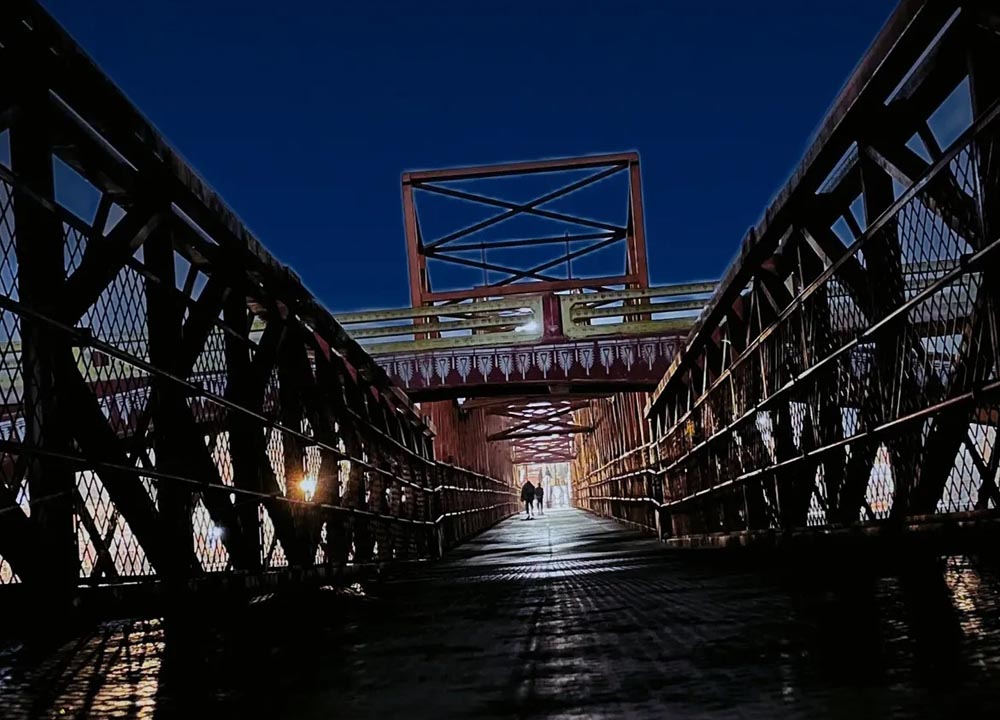
Few places in Uttarakhand capture the character of Rishikesh as beautifully as Ram Jhula. Suspended above the sacred Ganga, this well-known pedestrian bridge connects important spiritual and tourist areas on opposite banks of the river. More than a structure used to cross the water, Ram Jhula has become an integral part of the Rishikesh experience, linking temples, ashrams, markets, cafés, ghats and riverside landscapes.
Rishikesh itself occupies a special place in Uttarakhand’s tourism landscape. The state tourism department describes the city as a destination where spirituality, yoga, adventure and Himalayan scenery come together. Its tourism material specifically lists Ram Jhula among the major places to see in Rishikesh.
For visitors, walking across Ram Jhula is therefore not simply a means of getting from one side of the Ganga to another. It is an opportunity to experience the river, observe the surrounding temples and ashrams, watch boats moving below, and become part of the distinctive rhythm of Rishikesh.
Where Is Ram Jhula?
Ram Jhula is located in Rishikesh in the Tehri Garhwal region of Uttarakhand, spanning the River Ganga near the areas of Swarg Ashram and Muni Ki Reti. It lies within one of the most important tourism zones of Rishikesh, where religious institutions, ashrams and riverside attractions are concentrated.
The bridge is closely associated with the spiritual landscape on both sides of the Ganga. Swarg Ashram, Parmarth Niketan and other religious and wellness establishments are located around the bridge, while the broader Rishikesh area contains temples, ghats, yoga centres and meditation facilities.
The Uttarakhand Tourism Department identifies the areas on both sides of the Ganga connected by Ram Jhula and Lakshman Jhula as a core tourism zone of Rishikesh, particularly because of their concentration of spiritual and cultural activities.
The Historical and Cultural Importance of Ram Jhula
Ram Jhula is part of a long tradition of bridges and crossings that have connected communities and pilgrimage centres along the Ganga in Rishikesh. Its importance is closely related to the development of Rishikesh as a centre of pilgrimage, yoga, meditation and spiritual learning.
Rishikesh has historically served as a gateway toward the Himalayan pilgrimage routes. Before modern roads and extensive bridge infrastructure developed, pilgrims travelling toward the higher Himalayan shrines passed through this region. Uttarakhand Tourism’s planning documents describe Muni Ki Reti as historically important to the Char Dham pilgrimage tradition and identify the areas around Ram Jhula and Lakshman Jhula as central to Rishikesh’s spiritual tourism.
The name “Ram Jhula” connects the bridge with Lord Rama, one of the most revered figures in Hindu tradition. Rishikesh as a whole contains numerous places whose names and traditions are associated with Hindu mythology, saints and religious practices. The bridge consequently carries significance beyond its engineering function.
It is worth distinguishing between the religious tradition associated with the name and modern historical documentation of the bridge itself. Visitors will encounter many stories and local traditions connected with Rama and the surrounding region, but these should be understood as part of the area’s religious and cultural heritage rather than as modern engineering history.
Ram Jhula and the Sacred Ganga
The defining feature of Ram Jhula is, naturally, the Ganga flowing beneath it. The river gives the bridge much of its visual and spiritual character.
Standing on the bridge, visitors can look along the river toward the surrounding hills, observe the changing colours of the water and watch boats travelling through the channel. Depending on the season, weather and time of day, the landscape can look dramatically different.
Early mornings are particularly atmospheric. The surrounding ghats and ashrams begin to come alive, pilgrims and visitors move through the area, and the mountains and river can be illuminated by soft morning light. In the evening, the atmosphere becomes more active as people gather around temples, ghats and ashrams.
The relationship between the river and the spiritual life of Rishikesh is central to the identity of the city. Uttarakhand Tourism describes the Ganga as one of India’s most sacred rivers and places Rishikesh within the state’s wider landscape of pilgrimage and spiritual tourism.
Architecture and Experience of the Bridge
Ram Jhula is a suspension bridge designed primarily to provide a crossing over the Ganga while allowing people to move between the two sides of Rishikesh. Its elevated position provides visitors with an unusual viewpoint of the river and surrounding settlement.
One of the most memorable aspects of crossing it is the changing perspective. From the approach, the bridge appears as a practical crossing, but once visitors reach the central section, the river opens out beneath them. Looking down reveals the movement of the Ganga, while looking outward provides views toward the hills, temples and riverside buildings.
The experience can become particularly lively during busy tourist and pilgrimage periods. Pedestrians, pilgrims and local residents share the crossing, creating an energetic atmosphere that contrasts with the peaceful river landscape.
Because it is a bridge in an active tourist and pilgrimage zone, visitors should be considerate of other people, avoid obstructing the walking path for photographs and follow any current local instructions concerning access.
Spiritual Attractions Around Ram Jhula
The biggest attraction of Ram Jhula is arguably not the bridge itself but everything surrounding it. The area provides access to several institutions and places associated with spirituality, yoga and Hindu religious traditions.
Swarg Ashram is one of the best-known areas close to Ram Jhula. It is traditionally associated with ashrams, temples, meditation and spiritual retreats. The atmosphere here can be very different from the busier commercial parts of Rishikesh.
Parmarth Niketan is another major spiritual institution in the vicinity. Its riverside location makes it an important part of the Rishikesh experience, particularly for visitors interested in yoga, meditation and religious ceremonies.
Geeta Bhawan and other ashram complexes contribute to the area’s religious character. Visitors can encounter discourses, devotional activities, meditation programmes and other spiritual practices, depending on the institution and the time of year.
The area therefore works particularly well for travellers who want to combine sightseeing with cultural and spiritual exploration rather than simply visiting a landmark and leaving.
Ram Jhula and Yoga in Rishikesh
Rishikesh is internationally associated with yoga, meditation and spiritual wellness. The region’s ashrams and yoga centres have attracted visitors from India and abroad for decades.
The wider cultural significance of Rishikesh grew considerably during the twentieth century, including after international interest in Indian spiritual traditions increased. Uttarakhand Tourism’s historical planning documentation notes the importance of the city’s ashrams and describes how international visitors came to Rishikesh in search of spiritual experiences.
Ram Jhula sits directly within this environment. A walk across the bridge can easily become part of a broader day spent visiting an ashram, attending a yoga session, exploring a temple or sitting beside the Ganga.
For travellers interested in wellness tourism, the bridge is therefore a useful landmark from which to explore the surrounding spiritual neighbourhood.
Nearby Places to Visit
A visit to Ram Jhula can easily be combined with several other attractions in Rishikesh. The most obvious companion landmark is Lakshman Jhula, another famous bridge associated with the city. Together, the two bridges help visitors understand the geography of the northern Rishikesh area.
Triveni Ghat is another important destination. It is one of the city’s best-known riverfront locations and is associated with evening Ganga Aarti. Uttarakhand Tourism specifically recommends visiting Triveni Ghat for the evening ceremony during its Rishikesh itinerary.
Visitors can also explore Bharat Mandir, Rishikund, temples, ashrams and riverside ghats. The official Uttarakhand tourism map lists these among Rishikesh’s principal attractions.
Neelkanth Mahadev Temple is another popular excursion from Rishikesh. Those staying for several days may also combine their visit with rafting excursions, trekking and other outdoor activities.
Adventure Tourism Near Ram Jhula
Although Ram Jhula is primarily associated with spirituality and sightseeing, Rishikesh is equally famous for adventure tourism. The Ganga and surrounding Himalayan foothills provide opportunities for river rafting, trekking and other outdoor experiences.
River rafting is one of the most prominent activities. Uttarakhand Tourism describes rafting routes around Rishikesh, Shivpuri and Kaudiyala, with stretches containing rapids of different grades. The department also emphasizes that challenging rafting stretches should be attempted with appropriate expert guidance.
This combination of spirituality and adventure is one of the reasons Rishikesh attracts such a diverse range of visitors. A traveller can spend the morning exploring temples and ashrams, walk across Ram Jhula in the afternoon and participate in an adventure activity on another part of the river.
Best Time to Visit Ram Jhula
Ram Jhula can be visited throughout much of the year, but the experience varies considerably according to season.
The cooler months from roughly October to March are generally comfortable for sightseeing and walking. Days are often pleasant, making it easier to explore the bridge, ghats, temples and surrounding areas.
Spring can also be attractive, particularly for travellers who want a balance between comfortable temperatures and active tourism. Summer becomes warmer, although mornings and evenings can still be enjoyable. The surrounding Himalayan foothills help give the region a different atmosphere from India’s hotter plains.
The monsoon period requires greater care. Heavy rainfall can affect river conditions, roads and outdoor activities. The Ganga can become much stronger during periods of significant rainfall, and visitors should pay attention to local warnings and restrictions.
The official Uttarakhand tourism map lists Rishikesh as a destination that can be visited throughout the year, while conditions for individual adventure activities can vary by season and official regulations.
How to Reach Ram Jhula
Rishikesh is well connected by road with major cities in northern India. It is accessible from Haridwar, Dehradun and Delhi, making it a popular destination for both short trips and longer Uttarakhand journeys.
Uttarakhand Tourism notes that Rishikesh is approximately 250 kilometres from Delhi by road and has road connections with destinations including Delhi, Dehradun and Haridwar. The nearest major airport is Jolly Grant Airport near Dehradun.
Travellers arriving by train can use Rishikesh railway connections and then continue locally toward the Ram Jhula area. Taxis, local transport and other road-based options are available within the broader Rishikesh area.
Because Ram Jhula is located in a busy pedestrian and tourist zone, it is generally more practical to reach the surrounding neighbourhood and continue on foot rather than expecting to drive directly onto the bridge.
Where to Stay
Rishikesh offers a wide range of accommodation, from budget guesthouses and hostels to hotels, resorts, yoga retreats and ashram-based accommodation.
Staying near Ram Jhula or Swarg Ashram can be particularly convenient for visitors who want to explore the spiritual side of the city. The area makes it possible to walk to several ashrams, temples, cafés, shops and riverfront locations.
Travellers seeking a quieter experience may prefer accommodation farther from the busiest streets. Those interested in yoga or meditation may choose an ashram or dedicated wellness retreat instead of a conventional hotel.
The best choice depends largely on the purpose of the trip. A spiritual retreat, family holiday, backpacking trip and adventure-focused visit can all require very different types of accommodation.
Food and Local Shopping
The neighbourhood around Ram Jhula contains numerous small eateries, cafés and shops serving visitors. Food choices range from traditional Indian meals to cafés catering to the large domestic and international traveller population.
The area is particularly well known for its combination of spiritual institutions and modern traveller culture. Visitors can find vegetarian food, snacks, beverages and café-style meals while moving between temples and ashrams.
Local markets also provide opportunities to purchase religious souvenirs, books, clothing, handicrafts, spiritual products and other items associated with Rishikesh’s tourism culture.
Travellers should nevertheless respect the religious character of the area. Dress and behaviour should be appropriate when entering temples or ashrams, and visitors should follow the rules of individual institutions.
Photography and Scenic Views
Ram Jhula is one of the most naturally photogenic places in Rishikesh. The bridge itself creates strong perspectives, while the Ganga and surrounding hills provide a dramatic background.
Photography is particularly attractive around sunrise and sunset when the changing light creates different moods over the river. Views from the bridge can include boats, ghats, temples, ashrams and forested hills.
However, photography should be done thoughtfully. Crowding the bridge to take photographs can inconvenience other pedestrians, and visitors should be especially respectful around religious ceremonies and private spaces.
Responsible Tourism at Ram Jhula
The environmental and cultural importance of the area means that responsible tourism is essential. The Ganga is not simply a scenic attraction; it is a sacred river and an important natural ecosystem.
Visitors should avoid throwing plastic, food waste or other rubbish into the river. They should use designated waste facilities and avoid damaging vegetation or disturbing wildlife.
The wider Rishikesh region is also dealing with the challenges created by growing tourism. Uttarakhand’s current tourism planning documents include measures relating to parking, waste management and sustainable tourist infrastructure in Rishikesh, reflecting the need to manage visitor growth while protecting the destination.
Responsible behaviour is therefore particularly important around popular attractions such as Ram Jhula.
Tips for Visitors
A visit to Ram Jhula is best approached as part of a wider Rishikesh walking and sightseeing experience. Comfortable footwear is useful because exploring the surrounding temples, ghats and ashrams involves considerable walking.
It is also advisable to carry drinking water, protect yourself from strong sunlight and keep personal belongings secure in crowded areas. Visitors should check current local instructions before planning river-based activities, particularly during periods of changing weather.
Those visiting temples or ashrams should dress respectfully and observe the individual rules of each institution. Photography may be restricted in certain religious spaces.
Travellers should also avoid treating the Ganga simply as an adventure setting. Religious rituals and local customs deserve respect, particularly around bathing areas and ceremonies.
Ram Jhula as a Symbol of Rishikesh
What makes Ram Jhula distinctive is the way it brings together several aspects of Rishikesh in one location. The bridge represents connectivity, but the landscape around it represents something much broader: pilgrimage, yoga, meditation, river culture, adventure tourism and Himalayan scenery.
A visitor standing on Ram Jhula can see how closely these elements coexist. The Ganga flows beneath the bridge, temples and ashrams occupy the riverbanks, travellers move through the streets, and the hills rise beyond the city.
This mixture is central to Rishikesh’s identity. Uttarakhand Tourism itself presents the destination through a combination of spirituality, wellness, adventure and leisure rather than as a single-purpose pilgrimage centre.
Final Summary
Ram Jhula is much more than a suspension bridge across the Ganga. It is one of the defining landmarks of Rishikesh and an important gateway into the city’s spiritual, cultural and natural landscape.
For pilgrims, it offers access to temples, ashrams and sacred riverfront spaces. For photographers, it provides expansive views of the Ganga and surrounding hills. For wellness travellers, it places them close to some of Rishikesh’s best-known yoga and meditation centres. For adventure seekers, it serves as a landmark within a city famous for rafting and outdoor activities.
Most importantly, Ram Jhula allows visitors to experience the distinctive character of Rishikesh on foot. Crossing the bridge, watching the Ganga move beneath it, exploring Swarg Ashram, visiting nearby spiritual institutions and eventually witnessing the changing light over the river can turn a simple sightseeing stop into a memorable Uttarakhand experience.
For anyone exploring Rishikesh, Ram Jhula deserves to be more than a quick photograph on an itinerary. It is a place where the sacred river, Himalayan landscape, living religious traditions and modern tourism culture meet—and that combination is what gives this famous landmark its enduring appeal.

