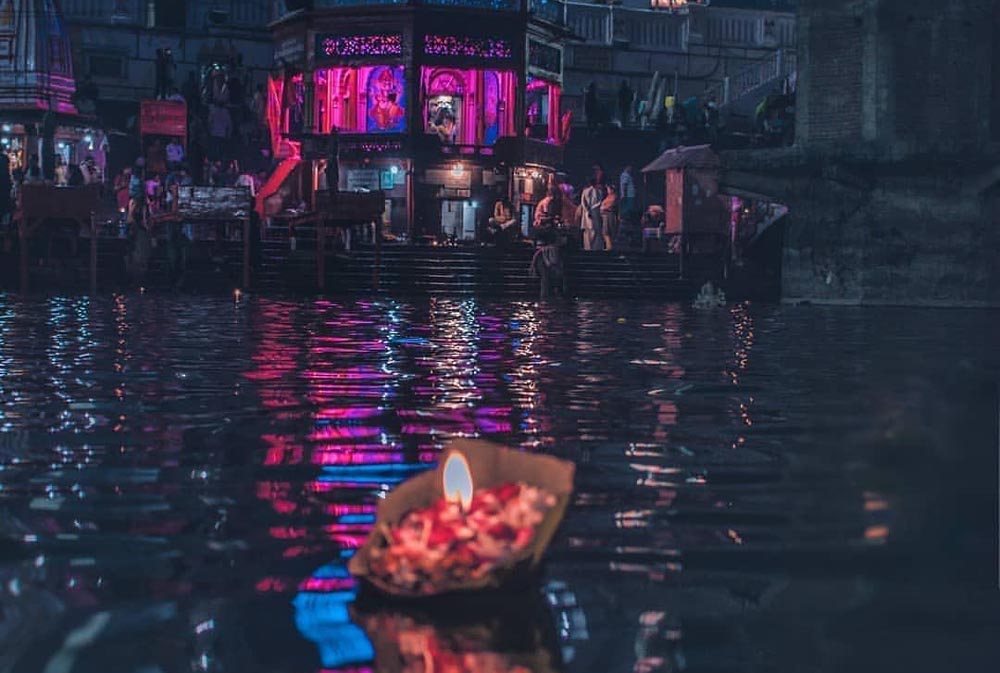
Haridwar is one of those rare Indian destinations where travel feels like much more than simply visiting a place. Here, the River Ganga flows through the city, temple bells echo through ancient lanes, saffron-clad pilgrims walk toward the ghats, and the evening sky glows with hundreds of lamps during the Ganga Aarti. Situated at the foothills of the Shivalik ranges, Haridwar is among India’s most important pilgrimage cities and is traditionally regarded as the gateway to the gods as well as a gateway to the Himalayan Char Dham circuit.
The city is officially known as Haridwar, although the spelling “Haridwar” is sometimes written differently in informal travel content. It occupies a unique position in Uttarakhand because it combines spirituality, mythology, history, culture, nature, Ayurveda, yoga and pilgrimage tourism. For some visitors, the primary attraction is Har Ki Pauri and its sacred Ganga Aarti. For others, the city’s temples, ashrams, markets and nearby natural areas offer a deeper experience. Haridwar can be peaceful and contemplative in the early morning, vibrant and crowded around major religious occasions, and surprisingly diverse for travelers interested in food, shopping, wildlife and wellness.
The Spiritual Identity of Haridwar
Haridwar’s identity is inseparable from the Ganga. The city stands at the point where the river leaves the Himalayan region and enters the plains, giving it enormous religious importance. For centuries, pilgrims have traveled here to bathe in the sacred river, visit temples and participate in religious ceremonies.
The city’s importance is particularly visible through the concept of the Panch Tirth, or five sacred pilgrimage areas associated with Haridwar. These include Gangadwara, identified with Har Ki Pauri; Kushavarta Ghat; Kankhal; Bilwa Tirth, associated with Mansa Devi; and Neel Parvat, associated with Chandi Devi.
Haridwar is also one of the four major Indian cities associated with the Kumbh Mela. The city hosts the Kumbh on a 12-year cycle and the Ardh Kumbh at six-year intervals, drawing enormous numbers of pilgrims. The annual Kanwar pilgrimage during the monsoon season is another major religious event, when large numbers of devotees travel to collect Ganga water for Shiva temples.
This combination of everyday worship and enormous periodic gatherings gives Haridwar an atmosphere unlike conventional tourist destinations. Religion here is not confined to monuments or museums; it is part of everyday life.
Har Ki Pauri: The Heart of Haridwar
No visit to Haridwar is complete without spending time at Har Ki Pauri. The famous ghat stands on the banks of the Ganga and is considered the city’s spiritual centre. The name is traditionally associated with the “footsteps of God,” while the area known as Brahmakund is considered especially sacred.
Har Ki Pauri attracts visitors throughout the day. In the early morning, pilgrims arrive for bathing and prayer while the rising sun illuminates the river. During the afternoon, the surrounding markets and streets become increasingly active. As evening approaches, however, the character of the ghat changes completely.
The Ganga Aarti is the defining experience. Priests perform the ritual with large lamps while bells ring, conch shells are blown and devotional chants fill the air. Hundreds of small diyas may be offered to the river, creating a remarkable scene as their flames reflect on the water. The Ministry of Tourism notes that the Ganga Aarti at Har Ki Pauri is conducted by Shri Ganga Sabha and takes place in the morning and evening, with the sunset ceremony being particularly popular.
Visitors should remember that Har Ki Pauri is first and foremost a sacred religious site rather than a conventional sightseeing attraction. Respectful clothing, appropriate behaviour and sensitivity toward worshippers make the experience more meaningful.
Mansa Devi Temple and Chandi Devi Temple
Haridwar’s sacred landscape extends beyond the riverfront. Two of its most important hilltop shrines are Mansa Devi Temple and Chandi Devi Temple.
Mansa Devi Temple is located on Bilwa Parvat and is dedicated to Goddess Mansa Devi. Pilgrims can reach the temple by trekking or by using the ropeway, commonly known as Mansa Devi Udankhatola. The elevated location also provides views across Haridwar and the surrounding landscape.
Chandi Devi Temple stands on Neel Parvat and is dedicated to Goddess Chandi. It is another important Siddhapeeth and is particularly attractive for visitors who want to combine pilgrimage with a hilltop experience.
Together with Maya Devi Temple, these shrines form an important part of Haridwar’s religious identity. Visiting all three provides a broader understanding of the city’s spiritual traditions.
Maya Devi Temple and the Old Religious Heritage
Maya Devi Temple is another important shrine in the city. Dedicated to Goddess Maya Devi, it represents the ancient religious heritage of Haridwar. Unlike the hilltop temples, it can be incorporated relatively easily into a walking tour of the central city.
The surrounding areas reveal an interesting mixture of temples, markets, ashrams, old buildings and modern establishments. This is one of the pleasures of exploring Haridwar on foot: the destination is not simply a collection of isolated monuments. Its cultural character emerges through everyday interactions and small discoveries.
Kankhal and Daksha Mahadev Temple
Kankhal, an important area of Haridwar, has strong associations with Hindu mythology and pilgrimage traditions. One of its best-known attractions is Daksha Mahadev Temple.
According to Hindu mythology, King Daksha performed a yajna at this location, and the story is closely connected with Sati and Lord Shiva. The temple becomes particularly important during the month of Shravan, when devotees gather in large numbers.
Kankhal is worth visiting for travelers who want to see a quieter and more traditional side of Haridwar. Its religious significance goes beyond the crowds of Har Ki Pauri and provides another perspective on the mythology embedded within the city.
Temples Beyond the Main Tourist Circuit
Haridwar contains numerous temples and sacred places that receive fewer international tourists but remain meaningful to pilgrims. Sureshwari Devi Temple, for example, is an old shrine dedicated to Goddess Durga located on the outskirts of the city. Sapt Rishi Ashram is another peaceful spiritual site, traditionally associated with seven sages and the belief that the Ganga divided into seven streams at this location.
The Bharat Mata Temple offers a somewhat different experience. Rather than focusing exclusively on one deity, the temple represents a broader cultural and national theme and has become one of the city’s recognizable attractions.
These places demonstrate that Haridwar’s religious character is diverse. Visitors can encounter different traditions, philosophies and styles of worship within a relatively compact geographical area.
Haridwar’s Ashrams, Yoga and Ayurveda
Haridwar is also an important destination for people interested in yoga, meditation and traditional wellness. Its ancient spiritual traditions have encouraged the development of numerous ashrams and institutions where visitors can explore meditation, yoga and related practices.
Ayurveda has an especially strong presence. Uttarakhand Tourism highlights Haridwar’s certified Ayurvedic institutions and wellness centres, while ashrams may offer yoga, meditation and traditional wellness programmes.
For travelers interested in wellness tourism, Haridwar can therefore be approached differently from a conventional sightseeing destination. Instead of trying to see everything in one day, visitors may choose to spend several days attending yoga sessions, meditating beside the river, exploring temples and maintaining a slower routine.
Patanjali Yogpeeth is one of the prominent institutions associated with yoga and Ayurveda in the wider Haridwar area. Its large campus and activities have contributed to Haridwar’s modern reputation as a centre for traditional wellness.
Nature and Wildlife Around Haridwar
Although Haridwar is best known for spirituality, the surrounding region also offers opportunities for nature lovers. Rajaji National Park is one of the major attractions in the broader Haridwar area. The district administration describes it as a destination for adventure and natural scenery, covering roughly 820 square kilometres.
The park’s forests and wildlife provide a striking contrast to the crowded temple areas. Visitors interested in wildlife can explore the region through permitted safari and nature-tourism activities.
Neel Dhara Pakshi Vihar is another interesting destination for nature enthusiasts. Located around 3.5 kilometres from Haridwar, the forested area attracts migratory birds during winter and can be particularly rewarding for birdwatchers.
This natural side of Haridwar is often overlooked. Travelers who stay for two or three days can combine spiritual sightseeing with a quieter excursion into the surrounding landscape.
Ghats Beyond Har Ki Pauri
Har Ki Pauri may be the most famous ghat, but it is not the only place where visitors can experience the Ganga. Haridwar has numerous ghats, including Vishnu Ghat, Ganesh Ghat, Birla Ghat and Gau Ghat.
Exploring some of these less prominent ghats can provide a more relaxed experience. Early morning is particularly atmospheric because the riverfront is quieter and the light is soft. It is an excellent time for photography, reflection or simply watching local life.
Chandi Ghat is another noteworthy addition to Haridwar’s riverfront. The renovated ghat has become a place for visitors to sit near the river, observe rituals and experience evening worship.
Local Markets and Shopping
Haridwar’s markets are an important part of the travel experience. The lanes around Har Ki Pauri and Bara Bazaar are filled with shops selling religious items, brass and metal objects, prayer accessories, rudraksha beads, pictures of Hindu deities, devotional books and souvenirs.
Shopping here is less about luxury retail and more about cultural objects connected to pilgrimage. Visitors may also find Ayurvedic products, traditional clothing, handicrafts, incense, lamps and locally popular sweets.
Bara Bazaar is particularly interesting for travelers who enjoy exploring busy traditional markets. The streets can be crowded, especially during festivals and pilgrimage seasons, so visitors should keep valuables secure and allow extra time for walking.
Food in Haridwar
Food in Haridwar is strongly influenced by its religious character. Vegetarian food dominates the traditional dining scene, and visitors will find numerous restaurants, dhabas, sweet shops and small eateries.
Popular choices include puri-sabzi, kachori, aloo dishes, North Indian thalis, lassi, jalebi and a variety of sweets. Street food can be tempting, but travelers should choose busy and hygienic establishments, particularly during hot weather.
A few recognizable local dining options include Govindam Restaurant, Pavitra Punjabi Dhaba and Hoshiyarpuri. Visitors looking for a traditional vegetarian meal will find plenty of choices around the central areas.
Where to Stay in Haridwar
Accommodation ranges from simple guesthouses and ashrams to comfortable hotels and upscale properties. The best area depends largely on the purpose of the trip.
Travelers visiting primarily for pilgrimage may prefer accommodation close to Har Ki Pauri or the central temple areas. Staying closer to the river makes it easier to attend the Ganga Aarti and explore the ghats on foot.
Those looking for quieter surroundings may prefer areas farther from the busiest pilgrimage streets. Examples of available accommodation include Devnadi- The Heritage Hotel and Pilibhit House, Haridwar – IHCL SeleQtions. Budget-conscious travelers will also find numerous smaller hotels and guesthouses throughout the city.
During major religious festivals, accommodation can become significantly more difficult to secure, so advance planning is advisable.
Best Time to Visit Haridwar
Haridwar can be visited throughout the year, but the experience changes considerably with the seasons.
The cooler months from roughly October to March are generally comfortable for sightseeing, temple visits and exploring the city. Winter mornings can be chilly, but daytime conditions are often pleasant.
Spring brings warmer weather and can be an attractive period for combining temple visits with outdoor excursions. Summer can become hot, particularly during the middle of the day, although mornings and evenings remain more comfortable.
The monsoon season has its own character, with greener surroundings and strong religious activity associated with Shravan and the Kanwar Yatra. However, travelers should remain aware of heavy rainfall and changing river conditions.
Major festivals can transform the city. During Kumbh-related gatherings and other major pilgrimage periods, Haridwar becomes exceptionally crowded. Such occasions are fascinating for travelers interested in religious culture, but they require considerably more planning and patience.
How to Reach Haridwar
Haridwar is one of Uttarakhand’s most accessible pilgrimage destinations. Haridwar Junction is an important railway station with connections to major Indian cities. The district administration also identifies rail as one of the principal ways of reaching the city.
By air, Jolly Grant Airport near Dehradun is the nearest airport, approximately 70 kilometres away depending on the route. Delhi’s Indira Gandhi International Airport is another practical option for travelers arriving from farther away.
Road connectivity is also strong, making Haridwar convenient for travelers coming from Delhi, Dehradun, Rishikesh and other North Indian cities. Buses, taxis and private vehicles are widely used.
Haridwar is also an important starting point for travelers continuing toward Rishikesh, Devprayag, Uttarkashi, Badrinath, Kedarnath and other Himalayan destinations.
Haridwar as the Gateway to Char Dham
One of Haridwar’s most important practical roles is its position as a gateway toward Uttarakhand’s Himalayan pilgrimage destinations. The city is traditionally regarded as an entry point to the Char Dham circuit.
Many travelers therefore spend a night or two in Haridwar before continuing deeper into the mountains. This makes the city an excellent place to begin a longer Uttarakhand itinerary.
A traveler could combine Haridwar with Rishikesh, followed by destinations such as Devprayag and the higher Himalayan pilgrimage routes. Those planning such journeys should account for seasonal road conditions and changing mountain weather.
Haridwar for Different Types of Travelers
Haridwar is especially rewarding for spiritual travelers and pilgrims, but it is not limited to them. Families can enjoy temple visits, riverfront walks and local food. Photographers can capture the ghats, rituals and changing light along the Ganga. History and culture enthusiasts can explore Kankhal and the city’s religious heritage.
Nature lovers can combine their stay with Rajaji National Park and Neel Dhara. Wellness travelers can spend more time at yoga and Ayurveda centres. Even travelers who are not religious may find Haridwar fascinating because of the sheer cultural intensity of the city.
Its greatest strength is precisely this combination. Haridwar does not ask visitors to choose between history, spirituality, culture and nature; these elements exist side by side.
Responsible Travel in Haridwar
Because the Ganga is both ecologically important and deeply sacred, responsible tourism is particularly important here. Visitors should avoid throwing plastic, food packaging or other waste into the river. Single-use plastic should be minimized whenever possible.
Photography should also be approached sensitively. Not every religious ceremony or person wants to be photographed, and asking permission is appropriate in personal or intimate situations.
Visitors should also follow local instructions around the ghats, especially during periods of strong river flow. The Ganga can appear calm while still carrying powerful currents, so travelers should use designated bathing areas and follow safety instructions.
Respect for religious customs is equally important. Haridwar is not simply a sightseeing destination; millions of people come here for deeply personal religious reasons.
A Suggested Haridwar Experience
A first-time visitor can experience much of the city’s character in two or three days without rushing. The first morning can begin with an early visit to the Ganga and Har Ki Pauri, followed by breakfast and exploration of nearby temples and markets.
The afternoon can be spent visiting Mansa Devi or Chandi Devi, followed by time in Kankhal or at another temple. Evening should ideally be reserved for the Ganga Aarti.
A second day can include additional temples, ashrams, yoga or Ayurveda experiences and shopping in the traditional markets. Travelers with more time can devote a half or full day to the natural attractions around Haridwar, including Rajaji National Park or Neel Dhara.
This slower approach is preferable to attempting to check off every attraction. Haridwar is a destination where simply sitting beside the river can be as memorable as visiting another temple.
Final Thoughts
Haridwar is much more than a pilgrimage stop on the way to the mountains. It is a living cultural landscape where the Ganga, mythology, temples, festivals, markets, yoga, Ayurveda and everyday Indian life come together.
The unforgettable image of Haridwar may be the evening Ganga Aarti at Har Ki Pauri, with hundreds of lamps glowing against the darkness. But the city’s true character emerges through everything surrounding that moment: the quiet of the river at dawn, the chants drifting from temples, the crowded lanes of Bara Bazaar, the hilltop shrines of Mansa Devi and Chandi Devi, the stories of Kankhal, the greenery surrounding the city and the pilgrims who have traveled long distances to stand beside the Ganga.
For travelers exploring Uttarakhand, Haridwar offers a natural beginning. It provides an introduction to the spiritual traditions of the state before the roads climb toward the Himalayan valleys. Whether the journey is motivated by faith, culture, wellness, photography, nature or simple curiosity, Haridwar has a way of making the traveler slow down and pay attention.
Ultimately, the magic of Haridwar lies not in one monument or one ceremony. It lies in the relationship between the city and the sacred river flowing through it. That relationship has shaped Haridwar for centuries, and it remains the reason why the city continues to attract pilgrims, travelers and seekers from across India and around the world.

