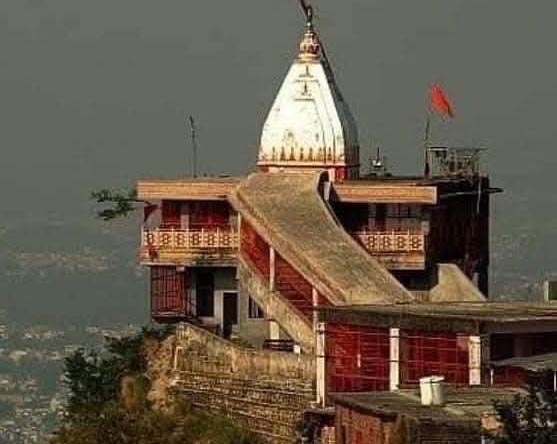
Perched high above the holy city of Haridwar on the Neel Parvat of the Shivalik Hills, Chandi Devi Temple is one of the most revered religious landmarks of Uttarakhand. Surrounded by forested hills and overlooking the sacred Ganga, the temple combines mythology, spirituality, pilgrimage traditions and scenic beauty in a setting that feels distinctly different from the busy streets of Haridwar below. Dedicated to Goddess Chandi, a fierce manifestation of Shakti, the shrine is regarded as one of Haridwar’s important Siddha Peethas and forms part of the city’s celebrated sacred landscape.
For pilgrims, the temple is primarily a place of devotion and prayer. For travellers, it is also an opportunity to experience the hills surrounding Haridwar, enjoy panoramic views and undertake a short mountain journey either on foot or by ropeway. The combination makes Chandi Devi Temple an important destination for anyone exploring the spiritual and cultural heritage of Uttarakhand.
Where Is Chandi Devi Temple Located?
Chandi Devi Temple is located on Neel Parvat, a hill of the Shivalik range on the eastern side of Haridwar. The shrine stands above the Ganga valley and is surrounded by the natural landscape of the lower Himalayas. The official Uttarakhand Tourism website identifies Neel Parvat, where Chandi Devi is situated, as one of the five sacred pilgrimage areas, or Panch Tirth, within Haridwar.
The temple’s elevated location gives visitors an entirely different perspective of Haridwar. From the hill, the dense urban landscape gradually gives way to the winding course of the Ganga, surrounding hills and stretches of green forest. The setting is particularly impressive when the weather is clear, allowing visitors to appreciate the relationship between the ancient pilgrimage city and the hills around it.
The shrine is also relatively close to other major attractions of Haridwar, including Har Ki Pauri, Mansa Devi Temple and Maya Devi Temple. This makes it possible to include Chandi Devi in a wider pilgrimage or sightseeing itinerary.
Religious and Spiritual Significance
Chandi Devi Temple is dedicated to Goddess Chandi, a powerful form of the Divine Mother associated with strength and the destruction of evil. The temple is considered a Siddha Peetha, a sacred place traditionally believed to possess special spiritual significance and where devotees come with prayers and wishes.
Chandi Devi is particularly associated with the protective and warrior aspect of Shakti. Her mythology represents the triumph of divine power over forces of oppression and disorder. Consequently, devotees visiting the temple often regard their pilgrimage as more than simply a visit to an old shrine. It is an opportunity to seek courage, protection, blessings and spiritual strength.
The Chandi Devi shrine also has an important place in the religious geography of Haridwar. Together with Mansa Devi Temple and Maya Devi Temple, it forms part of the city’s prominent network of Shakti-oriented sacred sites. The three temples are frequently included in pilgrimage itineraries for visitors wanting to explore the spiritual identity of Haridwar.
The Legend Behind Chandi Devi Temple
The mythology associated with the temple is one of the most fascinating aspects of the pilgrimage. According to the traditional legend, the demon kings Shumbh and Nishumbh had gained considerable power and challenged the authority of the gods. Their actions created a crisis that required the intervention of divine feminine power.
Goddess Chandika emerged as a powerful manifestation of Shakti to confront them. The story describes a prolonged conflict between the goddess and the forces of the demon kings. Chanda and Munda, associated with the demon army, were defeated, followed eventually by Shumbh and Nishumbh themselves.
According to the tradition associated with Chandi Devi Temple, the confrontation with these demonic forces took place around Neel Parvat. The location therefore became associated with Goddess Chandi’s victory. The story gives the hill and temple a deeper religious meaning: the shrine represents the victory of divine strength over destructive forces.
Such stories remain an important part of the pilgrimage experience. Visitors may hear different versions of the mythology from priests, guides and local traditions, but the central theme remains the power of the Goddess and the triumph of good over evil.
History of the Temple
The present temple structure has a relatively recent documented construction date despite the much older religious traditions connected with the site. According to government tourism sources, the existing temple was constructed in 1929 by Suchat Singh, the King of Kashmir.
At the same time, tradition associates the sacred image of Chandi Devi at the site with Adi Shankaracharya and places its installation in the eighth century. This distinction between the antiquity of a sacred tradition and the age of the current physical structure is important when understanding Indian pilgrimage sites. The shrine visitors see today may be comparatively recent, while the religious memory surrounding the location can extend much further back.
The association with Adi Shankaracharya is especially significant in Hindu religious tradition. His journeys and philosophical influence are connected with numerous important pilgrimage centres across India, and his traditional association with Chandi Devi contributes to the temple’s spiritual importance.
The Temple as a Siddha Peetha
One of the reasons Chandi Devi Temple attracts so many pilgrims is its status as a Siddha Peetha. The term is traditionally associated with sacred places where devotees believe prayers and wishes can receive divine blessings. Incredible India describes Chandi Devi as one of three important Siddha Peethas in Haridwar, along with Mansa Devi and Maya Devi.
For devotees, this belief creates a deeply personal dimension to the pilgrimage. Some arrive to pray for family well-being, others for success, protection, peace or the fulfilment of personal wishes. The rituals performed at the temple therefore vary according to individual faith and tradition.
Even visitors who arrive primarily for cultural or historical reasons can observe how strongly the religious identity of the shrine continues to shape the atmosphere. Bells, devotional chants, offerings and the steady movement of pilgrims create an environment centred on worship rather than conventional sightseeing.
The Journey to the Temple
One of the most memorable parts of visiting Chandi Devi Temple is the journey to the hilltop. Visitors generally have two principal options: trekking or taking the ropeway.
The trekking route provides a more traditional pilgrimage experience. According to Incredible India, the route from Chandighat is approximately three kilometres and includes an uphill climb through the surrounding landscape.
Walking allows visitors to experience the changing environment gradually. The sounds of the city become less prominent, while the forested surroundings and hill landscape become more noticeable. For people who enjoy walking and are physically comfortable with an uphill route, the trek can become an important part of the pilgrimage itself.
However, the climb can be tiring, particularly during hot weather. Families with elderly members, young children or visitors who are not comfortable with steep walking may prefer the ropeway.
Chandi Devi Udan Khatola
The ropeway, popularly known as Udan Khatola, is one of the most recognisable features of the Chandi Devi pilgrimage. Instead of climbing the hill, visitors can travel by cable car toward the temple area. The ride is short but provides an excellent opportunity to see Haridwar and the surrounding landscape from above.
The ropeway route also adds an adventurous dimension to the pilgrimage. As the cable car rises, the landscape below gradually opens up, revealing the Ganga, roads, vegetation and parts of Haridwar. Government documentation describes the ropeway as an important means of access for pilgrims and records the scenic views available during the journey.
The ropeway is particularly useful for visitors who want to experience the hilltop shrine without undertaking the complete uphill trek. However, operating hours, ticket prices and other practical arrangements can change, so visitors should verify the latest information before travelling.
Views from Neel Parvat
The panoramic scenery is another major attraction of Chandi Devi Temple. From the elevated position of Neel Parvat, visitors can look across Haridwar and toward the surrounding Shivalik landscape.
The Ganga is an especially important part of the view. The river, which defines the spiritual character of Haridwar, can be seen flowing through the landscape below. The contrast between the sacred river, the city and the green hills creates an impressive setting for photography and quiet contemplation.
Early mornings can be particularly peaceful, while clear evenings can provide beautiful atmospheric views. Visitors interested in photography should nevertheless remember that the temple remains an active place of worship and religious etiquette should take precedence over photography.
Festivals and Religious Celebrations
Navratri is one of the most significant periods for devotees of Goddess Chandi. Chaitra Navratri generally occurs during March-April, while Sharad Navratri falls around September-October. During these periods, temples dedicated to forms of the Goddess often experience increased devotional activity, and Chandi Devi Temple becomes especially significant for pilgrims.
Chandi Chaudas is another festival associated with the shrine. Such religious occasions can bring large numbers of visitors, creating a vibrant but considerably busier pilgrimage environment.
Anyone planning to visit specifically during a festival should be prepared for crowds, queues and increased travel times. For devotees, however, the energy and devotional atmosphere of festival periods are an important part of the experience.
Best Time to Visit Chandi Devi Temple
Chandi Devi Temple can be visited throughout much of the year, but the ideal period depends on what a traveller wants from the journey.
The cooler months from October to March are generally comfortable for exploring Haridwar and undertaking outdoor activities. Incredible India also highlights October to March as a suitable period for experiencing the temple and its surrounding mountain scenery.
Summer can be warm, especially during the middle of the day. Those planning to trek should consider starting early in the morning rather than attempting the climb during peak afternoon heat.
The monsoon season brings greenery to the Shivalik landscape, but rain can make walking routes slippery and may affect travel conditions. Visitors should check local conditions before beginning an uphill trek during periods of heavy rainfall.
Festival seasons provide a different experience. They are ideal for those who want to witness the temple’s devotional traditions at their most active, but visitors seeking quiet surroundings may prefer an ordinary weekday outside major festivals.
How to Reach Chandi Devi Temple
Haridwar is well connected with major Indian cities by road and rail. Haridwar Junction is the nearest major railway station, making train travel one of the most convenient options for pilgrims arriving from Delhi and other parts of northern India. The Haridwar district administration identifies Haridwar Railway Station as the nearest railway connection for the temple.
For air travellers, Jolly Grant Airport near Dehradun is the nearest airport listed by the Haridwar district administration, at approximately 72 kilometres from Haridwar. Delhi’s Indira Gandhi International Airport is another practical option for travellers coming from locations without convenient flights to Dehradun.
Once in Haridwar, visitors can travel toward the Chandi Devi access area and continue either by the trekking route or ropeway.
Nearby Places to Explore
A visit to Chandi Devi Temple can easily be combined with other attractions in Haridwar. Har Ki Pauri is perhaps the most famous nearby pilgrimage landmark. The ghat is closely associated with the Ganga and its evening aarti, when lamps, prayers, chanting and devotional rituals create one of the city’s most memorable sights.
Mansa Devi Temple, located on Bilwa Parvat, is another important shrine. Together, Chandi Devi and Mansa Devi form a particularly popular pilgrimage combination, allowing visitors to experience two hilltop temples associated with different manifestations of the Goddess.
Maya Devi Temple is another significant religious destination in Haridwar and is traditionally associated with the city’s Shakti heritage. Other attractions include the historic ghats, ashrams and spiritual centres scattered throughout Haridwar.
For visitors interested in nature, the wider Haridwar region also provides access to forested landscapes and the Rajaji National Park area.
What to Expect During the Visit
Chandi Devi Temple is an active religious shrine rather than simply a monument. Visitors should therefore approach it respectfully. Modest clothing, patience in queues and awareness of worshippers are appropriate.
The hilltop can become crowded during festivals and holidays. It is useful to keep belongings secure and carry drinking water, especially if trekking. Comfortable footwear is important for anyone walking uphill.
Visitors should also remember that temple rules concerning photography, offerings and entry into particular areas may apply. Rather than assuming that every part of the complex is open for photography, it is better to follow instructions from temple authorities.
Why Chandi Devi Temple Is Important to Uttarakhand Tourism
Chandi Devi Temple represents several dimensions of Uttarakhand’s tourism identity at once. It is a religious destination, a historical site, a hilltop viewpoint and a gateway to the natural landscape around Haridwar.
Its importance also demonstrates why Haridwar occupies such a distinctive position within Uttarakhand. The city connects the plains with the Himalayan foothills and combines pilgrimage traditions with mountain geography. Uttarakhand Tourism describes Haridwar as a gateway to the Char Dham circuit and identifies Neel Parvat among the city’s Panch Tirth.
For travellers, this means that a visit to Chandi Devi can become part of a much broader Uttarakhand experience. A morning pilgrimage to the hilltop can be followed by time beside the Ganga, exploration of Haridwar’s temples and ghats, and eventually travel deeper into the Himalayan region.
A Spiritual Experience Above Haridwar
What makes Chandi Devi Temple memorable is not simply its architecture or its location. It is the combination of mythology, devotion and landscape. The story of Goddess Chandi gives the hill a sacred identity, while the journey through the Shivalik landscape provides a physical connection to that setting.
Whether one approaches the temple by climbing the hill or travelling by ropeway, reaching the shrine creates a distinct sense of transition. Haridwar’s busy streets seem increasingly distant, the landscape opens up, and the sacred Ganga becomes part of a wider mountain panorama.
For pilgrims, the temple offers a place to pray and seek blessings from Goddess Chandi. For travellers interested in culture, it provides an opportunity to understand an important part of Haridwar’s religious heritage. For nature lovers and photographers, Neel Parvat offers beautiful views over the Ganga valley.
Ultimately, Chandi Devi Temple is one of those places where the spiritual and natural landscapes of Uttarakhand exist side by side. Its mythology reaches into India’s ancient religious traditions, its present structure reflects more recent history, and its hilltop setting continues to draw visitors toward the forests and mountains above Haridwar. A journey to this sacred shrine is therefore not merely a temple visit; it is an exploration of faith, folklore, landscape and the enduring pilgrimage culture of Uttarakhand.

