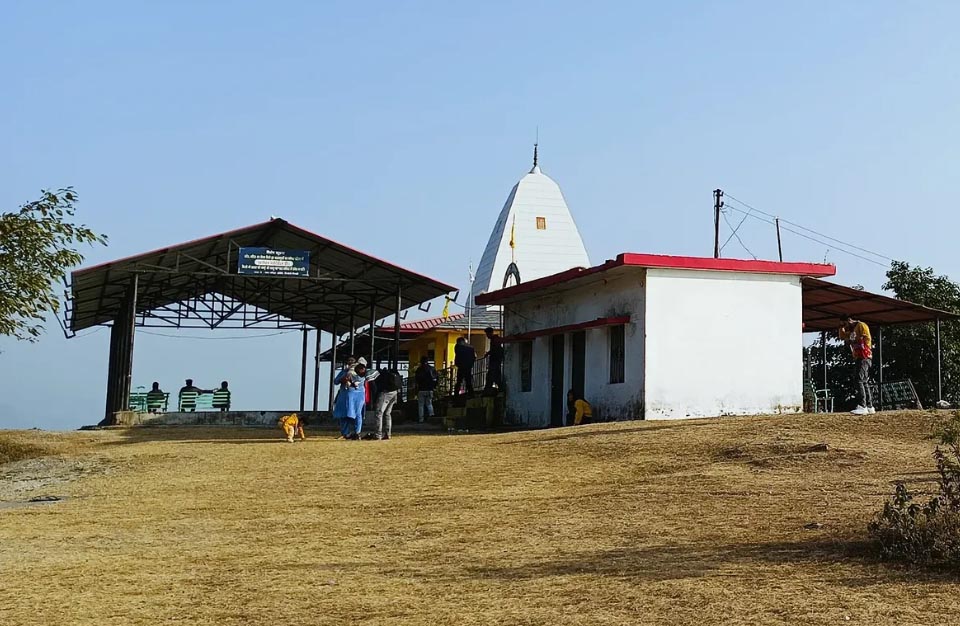
Nag Devta Temple is one of the lesser-known yet culturally significant religious attractions of Mussoorie, Uttarakhand. Away from the busiest stretches of Mall Road and the usual tourist crowds, the temple offers visitors a chance to experience a quieter side of the hill station—one shaped by local faith, mythology, traditional worship and the natural beauty of the Himalayan foothills. Dedicated to Nag Devta, the serpent deity associated with protection, justice and prosperity, the shrine has long been an important place of worship for local communities.
Located on Cart Mackenzie Road in Mussoorie, the temple is also appreciated for its peaceful hill setting and views toward Mussoorie and the Doon Valley. The temple is listed among Mussoorie’s attractions in official census documentation, while current local listings place it at Sher Garhi on Cart Mackenzie Road.
A Glimpse into Nag Devta Temple
For travellers accustomed to Mussoorie’s famous viewpoints, colonial-era buildings, waterfalls and bustling markets, Nag Devta Temple provides a different experience. It is not simply another sightseeing stop. The shrine remains connected with the religious traditions of the surrounding hill communities, where deities associated with nature, mountains, water and agriculture have historically occupied an important place in everyday life.
Nag Devta, literally associated with the serpent deity, has a special position within Hindu religious traditions. Serpents, or nagas, are frequently connected with Lord Shiva, water bodies, fertility, protection and the mysterious forces of nature. In the Mussoorie region, devotion to Nag Devta has developed into a distinctive local tradition, making the temple both a spiritual destination and an interesting cultural attraction.
Unlike some of Mussoorie’s highly commercialised tourist destinations, the temple has a comparatively simple and devotional character. Visitors may find the atmosphere particularly appealing if they want to spend some quiet time away from the noise of the central tourist areas.
The History and Local Story of the Temple
The history of Nag Devta Temple is closely associated with local traditions and oral accounts rather than a single universally documented historical narrative. One widely circulated account describes the shrine as being around 500 years old. According to a story reported during Nag Panchami celebrations, a cow from Bhatta village would regularly come to the area and release its milk over a particular stone. Villagers became curious about the unusual occurrence and eventually discovered snake idols beneath the stone. The discovery was interpreted as a divine manifestation of Nag Devta, and the location subsequently acquired the status of a sacred place or Siddha Peeth.
Such stories are particularly important in understanding Himalayan religious culture. Across Uttarakhand, sacred places are frequently associated with unusual natural events, dreams, divine manifestations or discoveries made by local villagers. These stories are passed from one generation to another and become part of the identity of a temple and its surrounding community.
The Nag Devta tradition is therefore more than an isolated religious practice. It represents the way Himalayan communities have historically connected their spiritual beliefs with the natural environment. Mountains, forests, springs, animals and unusual landscape features can all acquire sacred significance.
The temple is also regarded by local devotees as a family or village deity. Some accounts describe Nag Devta as a deity associated with justice, with people seeking divine guidance or blessings when facing difficulties and disputes.
Religious Significance of Nag Devta
The religious importance of Nag Devta is rooted in the broader Hindu reverence for naga deities. Snakes occupy a complex and respected position in Hindu mythology. They can represent protection, fertility, renewal, hidden knowledge and the power of nature. Lord Shiva himself is traditionally depicted with a serpent around his neck, creating an especially strong association between Shiva worship and naga symbolism.
At Nag Devta Temple, devotees traditionally come to pray for protection, prosperity, family well-being and the fulfilment of wishes. The deity is regarded by many local worshippers as a protective force. The temple’s significance becomes particularly visible during religious occasions when devotees from surrounding areas gather for prayers and offerings.
The belief in Nag Devta as a guardian deity is also consistent with the wider religious culture of Uttarakhand, where numerous villages and communities maintain strong traditions surrounding local deities. These traditions may not always fit neatly into the categories of mainstream temple tourism, because they remain deeply connected to community life and local customs.
For a visitor, this makes the temple an opportunity to observe a living religious tradition rather than simply an old monument.
Nag Panchami Celebrations
Nag Panchami is undoubtedly one of the most important occasions associated with Nag Devta Temple. The festival is dedicated to the worship of snakes and naga deities and is celebrated in different forms throughout India.
At Nag Devta Temple in Mussoorie, Nag Panchami can transform the otherwise peaceful shrine into a lively centre of devotion. A report on the temple’s Nag Panchami celebrations described thousands of devotees from Mussoorie and surrounding villages visiting the shrine and offering milk and prayers to the naga deity.
The festival is significant not only because of its religious rituals but also because it brings together communities. Families visit the temple, devotees make offerings and traditional beliefs are expressed collectively. Such occasions provide travellers with a deeper understanding of Uttarakhand’s cultural landscape.
Visitors planning to attend during Nag Panchami should remember that the temple can become considerably busier than on an ordinary day. Those interested in experiencing the festival should be respectful of worshippers and avoid treating religious rituals merely as a photographic spectacle.
The Temple’s Scenic Setting
One of the most attractive aspects of Nag Devta Temple is its setting. Mussoorie is famous for its mountain scenery, and the temple benefits from the same dramatic Himalayan environment.
The shrine is situated on Cart Mackenzie Road, away from the most crowded commercial areas. From the temple and surrounding hill areas, visitors can experience views toward Mussoorie and the Doon Valley.
The combination of spirituality and scenery gives the temple a special character. Tall hills, changing clouds, mountain air and distant valley views create a setting that naturally encourages visitors to slow down. During clear weather, the landscape can be particularly impressive.
Morning is often a pleasant time for visiting because the atmosphere is quieter and the light is generally favourable for enjoying the surrounding scenery. The late afternoon can also be beautiful, although visitors should allow enough time to return before it becomes dark.
Architecture and Atmosphere
Nag Devta Temple does not compete with the grand architectural scale of some of India’s famous historic temples. Its appeal lies more in its religious atmosphere and relationship with the surrounding landscape.
The temple represents the type of Himalayan shrine in which devotion, community tradition and the natural environment are closely connected. Bells, religious images, offerings and the presence of devotees contribute to its atmosphere.
For travellers interested in photography, the surrounding environment may be as interesting as the shrine itself. However, photography inside or around active worship areas should always be approached respectfully. If a ritual is taking place, it is better to observe quietly rather than interrupt devotees for photographs.
Nag Devta Temple and the Culture of Uttarakhand
To understand Nag Devta Temple properly, it helps to understand Uttarakhand’s broader religious culture. The state is famous for major pilgrimage destinations such as Kedarnath, Badrinath, Gangotri and Yamunotri, but its spiritual identity extends far beyond these major pilgrimage circuits.
Village temples and local deities remain an important part of life in the Himalayan region. Many communities maintain shrines dedicated to particular gods, goddesses or protective deities. These temples can serve religious, social and cultural functions simultaneously.
Nag Devta Temple is an example of this local religious heritage within the popular tourist destination of Mussoorie. Its presence demonstrates that the hill station is not merely a colonial-era resort or a modern tourist town. Beneath its hotels, markets and viewpoints exists a much older cultural landscape shaped by local communities and their beliefs.
How to Reach Nag Devta Temple
Nag Devta Temple is located on Cart Mackenzie Road in Mussoorie. Current business information places it at C3W7+RX4, Cart Mecange Road, Sher Garhi, Mussoorie, Uttarakhand 248179. Nag Devta Temple, Mussoorie
Travellers staying in central Mussoorie can generally reach the temple by local taxi or private vehicle. The road connection makes it considerably easier to access than a remote mountain shrine requiring a long trek.
For visitors arriving from outside Mussoorie, the usual approach is through Dehradun. Dehradun is the principal nearby transport hub, with road and rail connections to other parts of North India. From Dehradun, travellers can continue uphill toward Mussoorie by taxi, bus or private vehicle.
The nearest major airport is Jolly Grant Airport near Dehradun. Mussoorie itself does not have a commercial airport, so air travellers need to complete the journey by road.
Opening Hours and Visiting Information
Current local business information lists the temple as generally operating from around 6:00 AM to 8:00 PM, although temple schedules can change because of festivals, special ceremonies or local arrangements. Nag Devta Temple, Mussoorie
Other travel sources publish different timings, which is a reminder that visitors should verify the schedule locally before making a dedicated trip, particularly if they want to attend a particular puja.
There is generally no major entrance charge associated with visiting the temple. The purpose of a visit is primarily religious and cultural rather than commercial.
Because this is an active place of worship, visitors should dress modestly, maintain cleanliness and follow any instructions given by temple authorities or devotees.
Best Time to Visit Nag Devta Temple
The best time to visit Mussoorie is generally during the pleasant spring, summer and autumn periods. March to June is popular because temperatures are comfortable compared with the plains, while September to November can offer clearer mountain conditions after the monsoon.
For Nag Devta Temple specifically, early morning can be especially rewarding. The quieter surroundings make it easier to appreciate the devotional atmosphere, while the mountain environment can feel particularly peaceful before the day’s tourist activity increases.
The monsoon season brings lush greenery to the hills but can also bring heavy rainfall, slippery roads and reduced visibility. Anyone visiting during July and August should keep weather conditions in mind.
Winter provides another character altogether. Mussoorie can become cold, and occasional snowfall can transform the surrounding landscape. Visitors travelling in winter should carry warm clothing and check road conditions.
What to Do During a Visit
A visit to Nag Devta Temple does not need to be rushed. Travellers can spend time offering prayers, observing the temple environment and appreciating the mountain views.
Photography is another possible activity, especially around the surrounding landscape. The combination of hills, clouds, forested slopes and the valley can create attractive compositions. However, photography should remain secondary to the sanctity of the place.
The temple can also be included in a wider Mussoorie sightseeing itinerary. Since Mussoorie has numerous attractions, visitors can combine a temple visit with other nearby experiences such as viewpoints, waterfalls, historic neighbourhoods and nature destinations.
For travellers interested in cultural tourism, spending time talking respectfully with local residents can also provide insights into the temple’s traditions that cannot be obtained from guidebooks alone.
Nearby Attractions
Nag Devta Temple can be combined with several other attractions during a Mussoorie trip. The hill station is home to well-known destinations including Gun Hill, Lal Tibba, Camel’s Back Road, Company Garden, Kempty Falls, Jharipani Falls, Sir George Everest’s House and Cloud’s End. The official Census district handbook for Dehradun also identifies Nag Devta Temple among the attractions of Mussoorie.
Travellers interested in religious tourism can also explore other temples in and around Mussoorie. Jwala Devi Temple, for example, is another prominent spiritual destination surrounded by forests and mountain scenery. Incredible India describes Jwala Devi as a revered temple situated above 2,000 metres and notes its views toward the Doon Valley and Shivalik ranges.
This makes it possible to create an itinerary that combines temples, nature, viewpoints and cultural experiences rather than focusing exclusively on conventional tourist attractions.
Nag Devta Temple and Nag Tibba: An Important Distinction
One point that can cause confusion is the similarity between the names Nag Devta Temple in Mussoorie and Nag Devta Temple associated with Nag Tibba.
They should not automatically be treated as the same attraction. The Nag Tibba shrine is associated with the Nag Tibba trekking region, where a small Nag Devta temple is located close to the summit route. Sources describing Nag Tibba place this shrine approximately one kilometre below the summit and connect it with local shepherd traditions and the sacred identity of the mountain.
The temple generally referred to as Nag Devta Temple, Mussoorie, however, is the shrine on Cart Mackenzie Road in Mussoorie. For travellers planning transportation, this distinction is important because the two destinations involve very different journeys.
Tips for Responsible Visitors
Nag Devta Temple is an active religious site, so visitors should treat it differently from an ordinary tourist attraction. Modest clothing is appropriate, particularly during religious festivals. Footwear should be removed wherever required, and visitors should follow local instructions regarding photography and offerings.
Avoid littering around the temple or surrounding roads. Mountain ecosystems are fragile, and even small amounts of plastic and food waste can create problems for local communities and wildlife.
It is also important not to disturb religious ceremonies. During Nag Panchami or other important occasions, the temple may become crowded. Visitors should give priority to worshippers and avoid blocking entrances, ritual spaces or queues.
If purchasing flowers, offerings or other items from local vendors, supporting small local businesses can also contribute to the area’s community-based economy.
Why Nag Devta Temple Is Worth Visiting
Nag Devta Temple may not have the international recognition of Mussoorie’s Mall Road or the grandeur of Uttarakhand’s major Himalayan pilgrimage temples, but that is precisely what makes it interesting.
It provides a glimpse into a more intimate side of the region’s religious heritage. The stories surrounding its origins, the devotion associated with Nag Devta, the importance of Nag Panchami and the temple’s connection with local families all reveal aspects of Himalayan culture that can easily be overlooked during a conventional sightseeing trip.
The surrounding landscape adds another dimension. Visitors can combine spiritual reflection with views of Mussoorie and the Doon Valley, making the experience more than simply a temple visit.
Final Thoughts
Nag Devta Temple Mussoorie represents the meeting point of faith, folklore, community tradition and Himalayan scenery. Its importance comes not only from the shrine itself but from the beliefs and stories that have been preserved around it for generations.
For pilgrims, the temple is a place to seek blessings and offer prayers. For cultural travellers, it provides an opportunity to understand local religious traditions. For nature lovers, its hill setting offers a peaceful break from Mussoorie’s busy tourist areas. And for photographers and explorers, the surrounding landscape provides another perspective on the beauty of the Queen of the Hills.
A visit becomes most meaningful when approached with patience and respect. Rather than treating Nag Devta Temple simply as another item on a Mussoorie sightseeing checklist, travellers can see it as a window into Uttarakhand’s living heritage—where mountains are not merely scenic backdrops, but an integral part of the spiritual and cultural life of the people who call these hills home.

