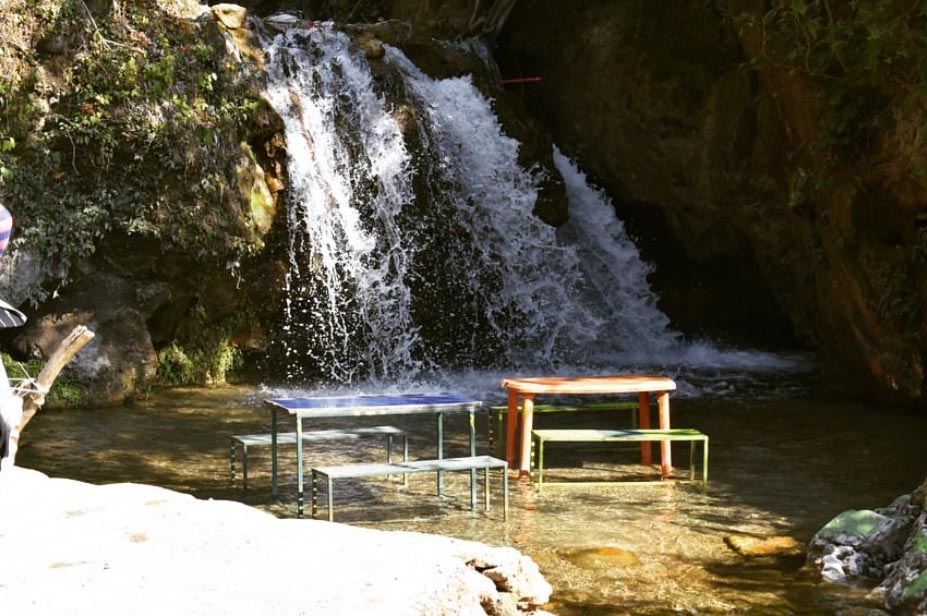
Nestled in the green hills around Mussoorie, Bhatta Falls is one of Uttarakhand’s charming natural attractions for travelers looking for waterfalls, mountain scenery, fresh air and a relaxed picnic experience. Located near Bhatta Gaon on the Mussoorie–Dehradun road, the waterfall is considerably quieter in character than some of Mussoorie’s more famous tourist attractions. Its combination of cascading water, forested slopes, pools, village surroundings and ropeway access makes it particularly appealing to families, couples, photographers and travelers who want to spend a few peaceful hours in nature.
Bhatta Falls is situated in the Bhatta Gaon area of Mussoorie, Uttarakhand. Depending on the starting point and route used, sources place it roughly 7–10.5 kilometres from central Mussoorie or the Library Bus Stand.
The waterfall is not simply a place to stand and admire falling water. The surrounding area has developed into a small recreational destination, with walking paths, pools, children’s activities, food stalls and a ropeway connecting the village area with the falls.
Where Is Bhatta Falls?
Bhatta Falls is located near Bhatta Village, on the Mussoorie–Dehradun side of the hill station. The attraction is commonly associated with Bhatta Gaon and lies away from the busiest central areas of Mussoorie.
Its location makes it relatively easy to include in a Mussoorie sightseeing itinerary. Visitors staying around Mall Road, Library Chowk or other central parts of Mussoorie can hire a taxi or use local transport to reach Bhatta Village. Travelers approaching from Dehradun can also access the falls by road while traveling toward Mussoorie.
The drive itself is part of the experience. The mountain road passes through forested sections and offers glimpses of the surrounding Himalayan foothills and valleys. As the road approaches Bhatta Village, the landscape gradually changes from the busier tourist environment of central Mussoorie into a quieter mountain setting.
The Natural Beauty of Bhatta Falls
The main attraction is, naturally, the waterfall. Bhatta Falls descends through the rocky mountain landscape, with water collecting in pools below. Travel sources commonly describe the principal waterfall as approximately 30 feet high, although the overall appearance changes considerably according to rainfall and seasonal water flow.
During the monsoon and immediately afterward, the surrounding vegetation becomes intensely green and the waterfall can appear considerably more powerful. The sound of rushing water combined with the cool mountain atmosphere creates a refreshing contrast to the warmer plains.
During drier months, the flow can be less dramatic, but this can actually make the surrounding rocks, pathways and pools easier to explore. The changing appearance of the waterfall throughout the year is one reason repeat visitors may find different experiences on different trips.
The landscape around the falls is equally important. Tall trees, rocky slopes, small streams and mountain vegetation create a natural backdrop that works particularly well for photography. Rather than being an isolated waterfall surrounded by urban development, Bhatta Falls retains a distinctly hill-station atmosphere.
Bhatta Falls Ropeway
One of the features that distinguishes Bhatta Falls from many smaller waterfalls in Uttarakhand is its ropeway. The ropeway connects the Bhatta Village area with the waterfall and provides an alternative to walking down to the falls. According to tourism information, the ropeway was opened in 2019 and uses cable cars to transport visitors between the two areas.
For many visitors, the ropeway is more than simply a convenient form of transport. It adds another recreational element to the excursion because passengers can enjoy elevated views of the surrounding hillside while descending toward the waterfall.
There can be differences in published ropeway fares and operating schedules, so travelers should confirm the current price and timings locally on the day of their visit. One tourism source currently lists an up-and-down fare of ₹150 per person, while newer travel information gives different figures.
Visitors who prefer walking can also reach the waterfall by road and steps. The walking approach can be rewarding for people who want to experience the landscape at a slower pace.
Swimming and Water Activities
One of the reasons Bhatta Falls attracts families and young travelers is the presence of pools near the waterfall. Some tourism guides mention opportunities for bathing or swimming in the pool below the falls.
However, visitors should not assume that every section of the water is safe for swimming. Water depth, current strength and slippery rocks can change considerably after rainfall. During the monsoon, the force of the water can increase rapidly, making entering natural pools particularly risky.
The safest approach is to follow local instructions, avoid restricted areas and never enter rapidly flowing water. Children should remain under close adult supervision. Comfortable footwear with good grip is also advisable because wet rocks and pathways can become slippery.
A Good Place for a Family Picnic
Bhatta Falls has developed into a popular picnic destination, particularly for families visiting Mussoorie. The combination of water, greenery, open spaces and recreational facilities means that visitors can spend several hours here rather than simply stopping for a quick photograph.
There is a children’s recreational area with swings and other activities, according to tourism sources.
This makes the destination particularly attractive for families with younger children who may become bored at conventional sightseeing locations.
A picnic near a waterfall also provides a different experience from eating at a restaurant in central Mussoorie. The sound of flowing water and the cool mountain air create a relaxed atmosphere. Visitors should nevertheless avoid leaving food wrappers, plastic bottles or other waste behind.
Food and Refreshments Around Bhatta Falls
Travelers will find small eateries and cafés around Bhatta Village and the approach to the falls. The food scene is generally casual rather than sophisticated, making it suitable for a quick meal or snack during a sightseeing trip.
Traveller’s Cafe@Bhatta Falls is one of the food options listed in the Bhatta Falls area. Other nearby establishments include Nukkad Valley Cafe and Mini fall Restaurant & Cafe.
Visitors can expect the kind of simple food commonly associated with hill destinations, including tea, snacks and quick meals. Because operating hours and availability can change, particularly during quieter seasons or poor weather, it is sensible to carry some water and basic snacks if planning a longer visit.
How to Reach Bhatta Falls
Bhatta Falls can be reached by road from both Mussoorie and Dehradun. From Mussoorie, visitors can take a taxi or other local transport toward Bhatta Village. Tourism sources place the falls approximately 10.5 kilometres from the Library Bus Stand, although distances vary according to the precise starting point and route.
For travelers coming from Dehradun, the route climbs toward Mussoorie and branches toward the Bhatta area. A private taxi is generally the most convenient option for visitors who want flexibility, especially families or groups.
The nearest major railway connection is Dehradun Railway Station, while Jolly Grant Airport near Dehradun serves air travelers. One tourism source places the railway station approximately 27 kilometres away and the airport around 50 kilometres away, though actual road distances and travel times vary.
Once at Bhatta Village, visitors can follow the local route toward the falls and choose between walking and the ropeway, depending on availability.
Best Time to Visit Bhatta Falls
The best time to visit depends heavily on what kind of experience you want.
The monsoon season brings the most dramatic transformation. Rainfall increases the water flow and turns the surrounding landscape into a lush green environment. Waterfalls across Uttarakhand are particularly attractive during and shortly after the monsoon. However, heavy rain can also make mountain roads, trails and rocks slippery. Landslides and temporary road disruptions are additional possibilities during periods of intense rainfall.
For travelers who prioritize comfortable sightseeing, the months after the monsoon can be excellent. The vegetation remains green, while the weather is often more pleasant for walking and photography.
Spring and early summer can also be enjoyable because temperatures around Mussoorie are generally more comfortable than in the plains. Travelers escaping the heat of northern Indian cities can combine Bhatta Falls with a broader Mussoorie trip.
Winter offers a different atmosphere. The surrounding mountains can feel crisp and chilly, especially in the morning and evening. Water activities may be less appealing, but photography and peaceful sightseeing can still be enjoyable.
The Best Time of Day to Visit
Morning is generally a good choice for travelers who prefer a quieter experience. Arriving early can provide softer light for photography and more time to explore before the destination becomes busier.
Late afternoon can also be pleasant, particularly when the sunlight begins to soften over the surrounding hills. However, visitors should allow enough time to return before darkness, especially if they plan to walk rather than use the ropeway.
The exact opening and ropeway hours published online vary between sources. For example, one current tourism listing gives Bhatta Falls timings of approximately 8 AM to 5 PM, while another recent guide lists a longer operating period.
It is therefore wise to verify local timings before setting out.
Photography at Bhatta Falls
Bhatta Falls is an excellent location for nature photography. The waterfall itself provides the obvious subject, but the surrounding landscape offers plenty of additional possibilities.
Photographers can capture long-exposure waterfall images, close-ups of water flowing over rocks, mountain vegetation, ropeway cabins and panoramic views from the hillside. During the monsoon, the combination of mist, clouds, wet rocks and vivid greenery can produce particularly atmospheric photographs.
Morning light can be especially attractive because it tends to be softer. Visitors using smartphones should also experiment with portrait and wide-angle modes rather than photographing only the waterfall from a single viewpoint.
The ropeway offers another perspective, although photography should never interfere with the safety of passengers or other visitors.
What Makes Bhatta Falls Different from Kempty Falls?
Kempty Falls is arguably the most famous waterfall attraction associated with Mussoorie, but Bhatta Falls offers a somewhat different experience.
Kempty is larger in terms of its established tourist infrastructure and receives significant visitor attention. Bhatta Falls is often preferred by travelers seeking a more relaxed environment. Tourism sources describe Bhatta Falls as relatively less commercialized and as a quieter alternative.
This does not mean Bhatta Falls is completely untouched. There are food outlets, recreational facilities, parking and the ropeway. Instead, its appeal lies in the balance between accessibility and natural surroundings.
Travelers with enough time can visit both waterfalls. They provide different experiences and can easily become part of a wider Mussoorie sightseeing itinerary.
Nearby Attractions
Bhatta Falls works particularly well as one stop within a larger Mussoorie trip. Visitors can combine it with attractions in and around the hill station, depending on their route and available time.
Mussoorie’s Mall Road is ideal for shopping, cafés and an evening stroll. Gun Hill provides elevated views, while Camel’s Back Road is popular for walking and scenic mountain views. Lal Tibba is another well-known viewpoint for travelers interested in Himalayan landscapes.
Visitors who enjoy nature can also explore other attractions around Mussoorie and Dehradun. Combining several locations allows travelers to make better use of a full day rather than treating Bhatta Falls as an isolated excursion.
Practical Tips for Visitors
A visit to Bhatta Falls does not require complicated preparation, but a few simple precautions can make the experience much more comfortable.
Wear shoes with good grip, especially if you intend to walk near the waterfall. Carry drinking water, sunglasses, sunscreen and a light jacket depending on the season. During monsoon trips, a rain jacket or umbrella is useful.
If you intend to enter the water, carry an extra change of clothes and a waterproof bag for electronics. Avoid carrying unnecessary valuables near the pools.
Families should keep children away from slippery rocks and strong currents. Even apparently calm mountain water can become dangerous after heavy rain.
Visitors should also respect the local environment. Do not throw plastic, food packaging or bottles into the stream. Avoid damaging plants or climbing unstable rocks simply for photographs. A waterfall remains attractive only when visitors collectively protect its surroundings.
Is Bhatta Falls Worth Visiting?
For travelers staying in Mussoorie, Bhatta Falls is certainly worth considering. It offers something different from the busy commercial center of the hill station: flowing water, forested hills, mountain air and a leisurely outdoor environment.
Its ropeway adds an element of fun and convenience, while the pools and recreational facilities make it suitable for families. Photographers can find plenty of scenic compositions, and travelers simply looking for somewhere peaceful can sit near the water and enjoy the surroundings.
The attraction is also relatively easy to incorporate into a Mussoorie itinerary because it does not require an extended trek. Sources estimate the exploration time at roughly one to two hours, although families and photographers may comfortably spend longer.
Final Thoughts
Bhatta Falls represents the quieter side of Mussoorie. It may not have the overwhelming fame of Kempty Falls, but that is precisely part of its charm. The waterfall, mountain landscape, Bhatta Village atmosphere and ropeway combine to create an enjoyable excursion for travelers who want to experience nature without committing to a difficult trek.
Whether you visit during the lush monsoon season, the pleasant months after the rains, or a crisp winter morning, the waterfall provides an opportunity to slow down and appreciate Uttarakhand’s mountain environment. For families, it can become a fun picnic outing; for couples, a peaceful escape; for photographers, a rewarding landscape location; and for general travelers, an easy addition to a Mussoorie sightseeing itinerary.
Ultimately, Bhatta Falls is best experienced not as a destination to rush through, but as a place to spend a few relaxed hours. Listen to the water, explore the surrounding paths, enjoy the mountain air, take photographs responsibly and leave the landscape as clean as you found it. That combination of accessibility, natural beauty and simple recreation is what makes Bhatta Falls one of the worthwhile places to include when exploring Mussoorie and the surrounding hills of Uttarakhand.

