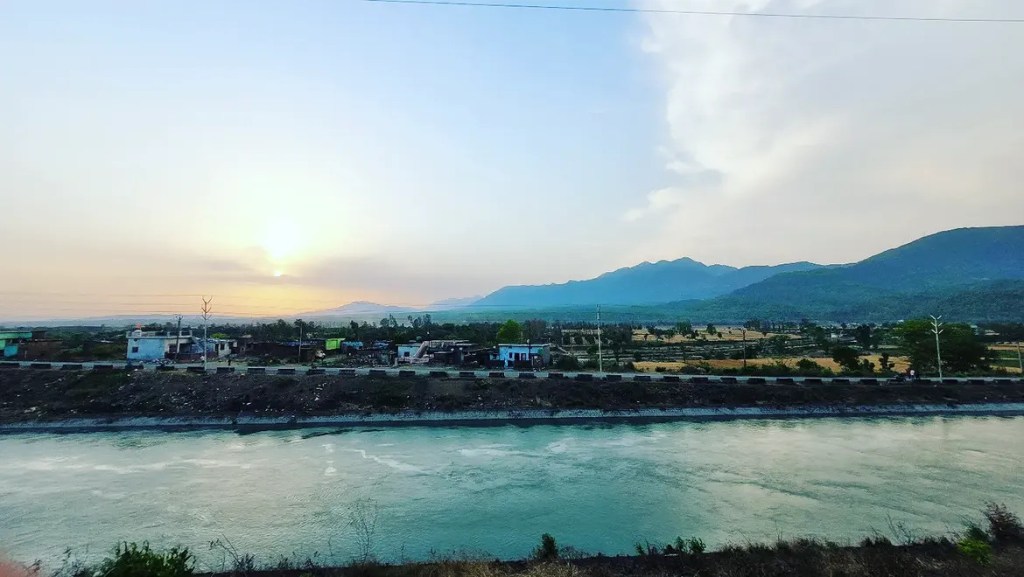
Nestled in the western part of Dehradun district, Dakpatthar is one of those destinations in Uttarakhand that often remains overshadowed by more famous hill stations such as Mussoorie, Dhanaulti and Chakrata. Yet, for travellers who prefer peaceful landscapes, riverside views, greenery and relatively relaxed surroundings, Dakpatthar can be an excellent place to explore. Located close to the Yamuna River and the Uttarakhand-Himachal Pradesh border, this scenic destination combines natural beauty with an interesting story of water management and hydroelectric development.
Dakpatthar is also spelled Dakpathar or Dak Pather. The town lies roughly 40–45 kilometres from Dehradun and is situated near the foothills of the Shivalik range. The Dakpatthar Barrage is its most recognizable landmark, while the surrounding river, forests, gardens and nearby historical and religious attractions make the area suitable for a short getaway. Official documentation from Uttarakhand’s power utility places the Dakpatthar Barrage on the Yamuna downstream of the confluence of the Tons and Yamuna rivers and about 45 kilometres from Dehradun.
Unlike a conventional hill station, Dakpatthar does not depend on high-altitude landscapes or crowded shopping streets for its appeal. Its attraction lies in the combination of water, open spaces, greenery and the slower rhythm of life. It is particularly appealing to families looking for a picnic destination, couples seeking a quiet outing, photographers interested in riverside scenery and travellers who want to include a less commercial destination in a Dehradun itinerary.
Where Is Dakpatthar Located?
Dakpatthar is located in Dehradun district in northwestern Uttarakhand, relatively close to the state’s border with Himachal Pradesh. The destination is situated near Vikasnagar and lies on the Yamuna River. Its location makes it an interesting stop for travellers exploring western Dehradun, Kalsi, Paonta Sahib and the route towards Chakrata.
From central Dehradun, the journey generally takes around one to one-and-a-half hours depending on the starting point, road conditions and traffic. Several tourism sources place Dakpatthar at approximately 45 kilometres from Dehradun, although the actual driving distance can vary according to the route.
The journey itself is part of the experience. As you move away from the busy urban areas of Dehradun towards Vikasnagar and the western Doon Valley, the landscape gradually becomes more open and rural. The road passes through settlements, agricultural areas and greener stretches before reaching the Yamuna-side landscape around Dakpatthar.
The Dakpatthar Barrage: The Heart of the Destination
The main attraction of Dakpatthar is undoubtedly the Dakpatthar Barrage. Constructed across the Yamuna, the barrage is not simply a tourist attraction; it is an important component of the region’s hydroelectric infrastructure.
According to the operation and maintenance documentation of Uttarakhand Jal Vidyut Nigam Limited, the Dakpatthar Barrage diverts water for the Dhakrani and Dhalipur power houses. The two power houses have a combined installed capacity of 84.75 MW, illustrating the considerable engineering importance of the project.
The barrage stretches for more than half a kilometre. It was developed as part of the Yamuna hydroelectric system, with construction beginning in the middle of the 20th century. Historical information about the project records that its foundation stone was laid in 1949 and that the project became operational in the 1960s.
For visitors, however, the technical importance of the barrage is only one part of its appeal. The combination of flowing water, the broad river landscape and surrounding greenery creates a relaxing atmosphere. The sight of water moving through the barrage is especially attractive to photographers, while the surrounding open areas provide opportunities to sit, walk and enjoy the scenery.
It is worth remembering that a barrage is an operational water-management structure rather than an ordinary recreational park. Visitors should respect restricted areas, warning signs and instructions from authorities and should avoid entering dangerous sections of the river or barrage.
Natural Beauty Around Dakpatthar
The biggest reason to visit Dakpatthar is its natural setting. Unlike some heavily commercialized tourist destinations, the area retains a comparatively peaceful character. The Yamuna provides a strong visual focus, while the surrounding landscape includes forests, agricultural areas, hills and open spaces.
The Shivalik foothills contribute to the area’s distinctive scenery. Instead of dramatic snow-covered peaks, visitors encounter lower hills, wooded landscapes and broad views characteristic of the western Doon Valley. During the greener months, vegetation adds colour to the surroundings, while winter can bring crisp weather and clearer views.
The riverside environment also creates opportunities for birdwatching. Dakpatthar and the wider western Doon Valley are connected to several important wetland and riverine habitats. The nearby Asan Barrage is particularly significant for birdwatchers and has been recognized as an important wetland destination. Uttarakhand Tourism’s travel material highlights Asan Barrage for its birdlife and scenic river landscape.
For someone who enjoys slow travel, Dakpatthar can therefore be more rewarding than an itinerary packed with attractions. Sitting beside the water, taking photographs, enjoying the breeze or simply observing the changing landscape can become the main experience.
A Good Destination for a Picnic
Dakpatthar has long been associated with picnics and short family outings. Its relatively easy accessibility from Dehradun makes it possible to leave the city in the morning, spend several hours in the area and return by evening.
The surroundings are particularly pleasant for visitors who want a break from urban noise. Families can spend time outdoors, while groups of friends may enjoy photography, conversations and casual walks. The destination can also appeal to couples who prefer scenic surroundings without the crowds commonly found at major tourist centres.
However, visitors should avoid treating the riverbank as an unrestricted recreation zone. Water levels and currents can change, and areas around a barrage may contain hidden hazards. Swimming or entering the water without official permission and suitable safety arrangements should be avoided.
Birdwatching and Wildlife Experiences
Dakpatthar’s proximity to river and wetland habitats makes the broader region interesting for bird enthusiasts. One of the best-known nearby destinations is Asan Barrage, situated near the Uttarakhand-Himachal Pradesh border. The Asan wetland is known for migratory birds and attracts birdwatchers during the winter season.
The Asan Barrage is also recognized as a Ramsar wetland site, giving the region an importance that extends beyond tourism. The wetland attracts a variety of resident and migratory birds, making it a worthwhile addition to a Dakpatthar trip for nature lovers.
Travellers interested in birds should carry binoculars and a camera with an appropriate lens rather than expecting close encounters. Early morning is generally a better time for observing birds because wildlife activity is often higher and the surroundings are quieter.
The wider region can also be interesting for nature photography. River landscapes, trees, reflections, birds and distant hills provide plenty of subjects without requiring a demanding trek.
Kalsi and the Ashokan Rock Edict
One of the most interesting historical attractions near Dakpatthar is Kalsi. Located in the western Dehradun region, Kalsi is famous for the Ashokan Rock Edict, an important archaeological reminder of the Mauryan period.
The rock edict is associated with Emperor Ashoka and dates to the 3rd century BCE. It makes the Dakpatthar-Kalsi area particularly appealing for travellers who want something more than scenic views. A trip can combine nature, engineering, archaeology and local history in a single day.
The proximity of Kalsi also demonstrates why Dakpatthar can work well as part of a larger western Dehradun itinerary rather than being treated only as a standalone destination. Travellers can explore Dakpatthar in the morning, visit historical sites around Kalsi and continue towards other attractions depending on available time.
Asan Barrage and the Wetland Landscape
Another excellent addition to a Dakpatthar trip is Asan Barrage. Located in the same broad region, Asan is particularly famous for birdwatching. It is situated at the confluence of the Asan River and the Eastern Yamuna Canal and is approximately 11 kilometres from Dakpatthar according to commonly cited local tourism information.
Asan is especially attractive during the migratory bird season. Winter visitors may encounter species that travel long distances to reach the wetland. The destination has therefore become important not only for tourists but also for birders, naturalists and photographers.
The combination of Dakpatthar and Asan makes for an interesting nature-focused excursion. Dakpatthar offers the Yamuna, barrage and open landscapes, while Asan provides a more specialized wetland and birdwatching experience.
Paonta Sahib: A Spiritual Extension to the Journey
Travellers with additional time can extend their trip towards Paonta Sahib in Himachal Pradesh. The famous Sikh pilgrimage centre is associated with Guru Gobind Singh and attracts visitors throughout the year.
Because Dakpatthar lies relatively close to the Uttarakhand-Himachal Pradesh border, combining these destinations can create a culturally diverse road trip. A visitor can experience the river landscapes of Dakpatthar, the historical heritage of Kalsi, the wetland environment around Asan and the spiritual atmosphere of Paonta Sahib.
This makes the western Dehradun region especially interesting for travellers who prefer multi-theme journeys rather than visiting only one type of attraction.
Best Time to Visit Dakpatthar
Dakpatthar can be visited during much of the year, but the experience changes with the seasons.
Spring and early summer can be pleasant for sightseeing, although afternoons may become warm. The monsoon brings greener landscapes and a fresh appearance to the surrounding vegetation, but heavy rain can affect road conditions and make rivers and water channels more dangerous. Visitors should therefore exercise additional caution during periods of heavy rainfall.
Autumn is one of the most attractive periods for road trips because the weather generally becomes more comfortable and the landscape retains considerable greenery. Winter is also appealing, particularly for people interested in birdwatching in the wider Asan wetland region. Migratory birds make the colder months especially interesting for nature enthusiasts.
For a comfortable sightseeing experience, mornings and late afternoons are usually preferable to the hottest part of the day.
How to Reach Dakpatthar
Road travel is the most convenient way to reach Dakpatthar. From Dehradun, travellers generally head towards Vikasnagar and then continue towards Dakpatthar. The destination is connected by road with the surrounding towns and is accessible by private vehicle, taxi and local transport options.
For travellers arriving from outside Dehradun, the city functions as the principal gateway. Dehradun Railway Station provides rail connectivity, while Jolly Grant Airport serves the wider Dehradun area. From either location, a taxi or road journey can be used to continue towards Dakpatthar.
The exact journey time depends heavily on traffic, weather and the starting point. It is therefore better to plan according to road conditions rather than relying solely on a fixed travel-time estimate.
Places to Stay and Food Options
Dakpatthar is better suited to a short getaway than a luxury-resort holiday. Accommodation options in and around the area are more limited than those available in central Dehradun. Travellers may find guesthouses, smaller stays and accommodation in nearby towns, while Dehradun and Vikasnagar provide a broader range of hotels.
Historically, government and tourism-related accommodation has also been associated with Dakpatthar as the area developed as a recreational destination. Older tourism references describe a government guesthouse and recreational facilities in the area.
Food choices around a relatively quiet destination such as Dakpatthar are naturally more limited than in Dehradun. Travellers should not expect a large selection of cafés and restaurants. It is sensible to carry drinking water and some snacks, particularly when travelling with children or spending several hours outdoors.
For a fuller meal, visitors can use restaurants and eateries in nearby towns or return towards Vikasnagar and Dehradun.
Is Dakpatthar Suitable for Families?
Yes, Dakpatthar can be a good family destination, especially for families looking for a simple outdoor outing rather than an adventure-heavy holiday. The relatively accessible location, open scenery and riverside environment provide children and adults with an opportunity to spend time outdoors.
Parents should nevertheless supervise children carefully near the water. A barrage and river environment can be hazardous, even when the surface appears calm. Children should not be allowed to approach restricted sections or climb on structures.
The destination is also suitable for older visitors who enjoy scenery and relaxed sightseeing because it does not require a strenuous trek to appreciate the main attractions.
Dakpatthar as a Photography Destination
Photography is another reason to visit Dakpatthar. The barrage provides strong geometric lines and architectural subjects, while the Yamuna adds reflections, movement and natural texture. During pleasant weather, the surrounding hills and greenery provide an attractive background.
Early morning can produce softer light and a quieter atmosphere, while late afternoon can be particularly beautiful for landscape photography. Photographers should, however, remain within safe and permitted areas rather than trying to reach dangerous viewpoints for a better photograph.
The nearby Kalsi and Asan regions further expand the possibilities, offering archaeological subjects, wetlands, birds and rural landscapes.
Tourism Development and the Future of Dakpatthar
Dakpatthar’s tourism potential is increasingly being recognized. Uttarakhand’s investment and tourism planning documents have identified opportunities for hospitality development near the barrage, including a proposed luxury hospitality establishment. The state’s investment material specifically highlights the area’s natural views, Yamuna River and Dakpatthar Barrage as potential tourism assets.
Such development could bring better accommodation, improved visitor facilities and greater recognition to the destination. At the same time, careful planning will be important. Dakpatthar’s charm comes largely from its relatively peaceful environment and natural landscape. Excessive commercialization could reduce the very qualities that make it attractive.
Responsible tourism should therefore remain central to the area’s development. Waste management, protection of river habitats, controlled construction and respect for local communities can help ensure that tourism contributes to Dakpatthar without damaging its character.
Travel Tips for Visiting Dakpatthar
A trip to Dakpatthar is best approached as a relaxed nature outing rather than a conventional sightseeing tour. Comfortable footwear, drinking water, sun protection and a camera are useful additions. During the monsoon, travellers should check weather and road conditions before starting the journey.
Visitors should keep the surroundings clean and avoid leaving plastic or food waste behind. The river should be treated with respect, and swimming or entering unfamiliar water should be avoided. It is also wise to carry sufficient cash because smaller destinations may not have the same digital-payment and ATM convenience found in larger cities.
If birdwatching is part of the plan, binoculars can greatly improve the experience. Travellers visiting Asan Barrage should also maintain a respectful distance from birds and avoid disturbing them.
Why Dakpatthar Deserves a Place on Your Dehradun Itinerary
Dakpatthar may not have the celebrity status of Mussoorie, but that is precisely what makes it appealing. It offers a different side of Dehradun district—one shaped by the Yamuna, Shivalik foothills, wetlands, forests and the engineering legacy of Uttarakhand’s hydroelectric projects.
A visit can be as simple as spending a few peaceful hours near the barrage, enjoying a picnic and photographing the landscape. Alternatively, it can become part of a larger western Uttarakhand road trip covering Kalsi, Asan Barrage, Paonta Sahib and other attractions.
The official Uttarakhand Tourism itinerary for the wider Dehradun–Lakhamandal region also incorporates Asan Barrage and destinations farther into the western part of the state, demonstrating the potential of this region as a broader sightseeing circuit.
Ultimately, Dakpatthar is best appreciated slowly. Listen to the water, watch the changing light over the landscape, explore the nearby historical sites and take time to enjoy the quieter side of Uttarakhand. For travellers seeking a refreshing escape from the busy streets of Dehradun without committing to a long mountain journey, Dakpatthar offers a simple but memorable answer.
In short, Dakpatthar is where the river, hills and human engineering come together to create one of western Dehradun’s most underrated escapes.

