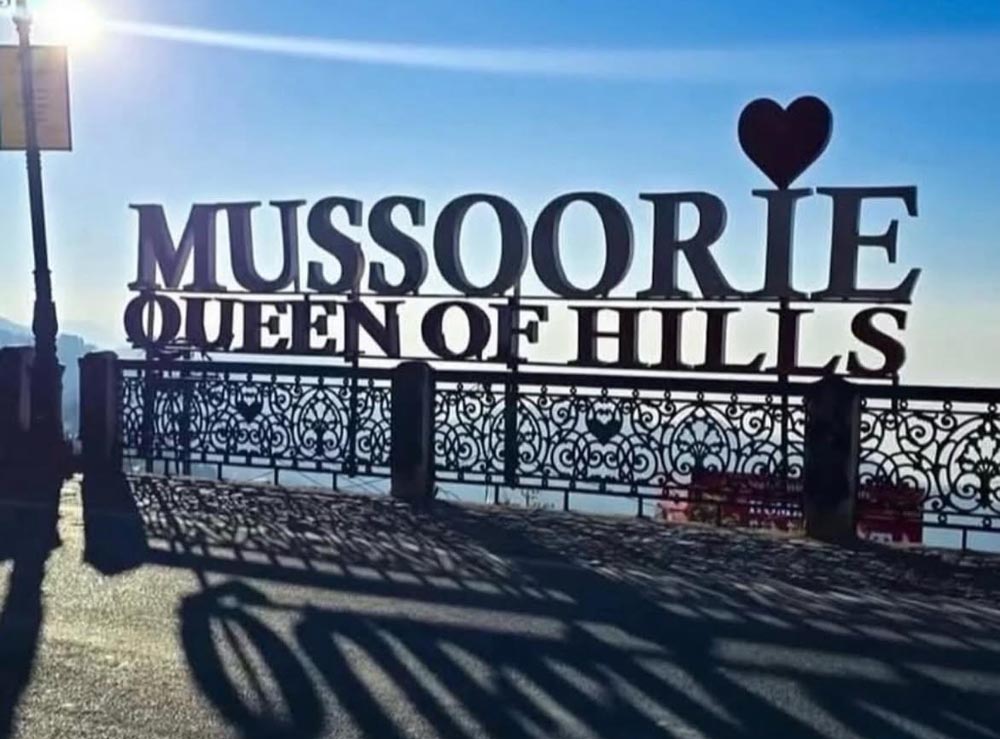
Nestled in the Garhwal Himalayas of Uttarakhand, Mussoorie is one of northern India’s most beloved hill stations. Often called the “Queen of the Hills,” this picturesque destination combines mountain scenery, pleasant weather, colonial-era architecture, lively markets, forested slopes, waterfalls, and panoramic Himalayan views. Located at an elevation of roughly 2,000 metres above sea level, Mussoorie has long attracted travellers looking for a refreshing escape from the heat and bustle of the plains.
What makes Mussoorie particularly appealing is its ability to offer different experiences to different kinds of travellers. Families can enjoy its scenic viewpoints and easy attractions, couples can explore mist-covered roads and quiet corners, adventure seekers can go trekking and hiking, while history and architecture enthusiasts can discover remnants of its British-era past. The town is also an excellent base for exploring nearby destinations such as Landour, Dhanaulti, Kanatal and Nag Tibba.
Whether visited during the colourful monsoon, the crisp autumn months, snowy winter, or the pleasant summer season, Mussoorie has a distinctive character that makes every trip memorable.
Where Is Mussoorie Located?
Mussoorie is situated in Dehradun district in the Indian state of Uttarakhand. It lies in the lower Himalayan ranges, overlooking the Doon Valley and offering distant views towards the higher Himalayan mountains on clear days. The hill station is approximately 35 kilometres from Dehradun, making it relatively accessible from one of Uttarakhand’s major cities.
The geographical setting is one of Mussoorie’s greatest attractions. The town stretches along a mountain ridge, with steep slopes, winding roads and densely forested areas surrounding it. Deodar, oak, pine and other Himalayan vegetation contribute to the region’s green appearance. During the monsoon, the landscape becomes especially lush, while winter can occasionally bring snowfall to the higher parts of the area.
A Glimpse into Mussoorie’s History
Mussoorie’s history is closely connected with the British period in India. The town developed as a British hill station during the early nineteenth century when British officers began exploring the Himalayan foothills as retreats from the intense summer heat of the plains.
Captain Frederick Young of the East India Company is often associated with the early development of Mussoorie. Over time, the settlement grew into a fashionable summer retreat for British officials, military personnel and other residents. Hotels, churches, schools, cottages and administrative buildings gradually appeared across the hills.
The colonial influence remains visible in parts of Mussoorie today. Old buildings, traditional cottages, churches and winding streets provide glimpses into the town’s past. At the same time, Mussoorie has evolved into a modern tourist destination with hotels, restaurants, cafés, shops and recreational attractions.
The nearby area of Landour preserves an especially distinctive old-world atmosphere. Its quiet lanes, historic buildings and forested surroundings contrast with the busier sections of central Mussoorie.
The Natural Beauty of Mussoorie
The landscape is perhaps the biggest reason travellers continue returning to Mussoorie. Mountains appear around almost every bend, while clouds frequently drift across the hills, creating an atmosphere that can feel almost dreamlike.
One of the most enjoyable experiences is simply walking through the quieter roads and observing the changing scenery. On clear mornings, the Doon Valley spreads out below the town, while distant mountain ranges can sometimes be seen on the horizon. During cloudy weather, the scenery changes dramatically as mist moves through the pine and deodar forests.
The region is also rich in birdlife and Himalayan flora. Early-morning walks can be particularly rewarding for nature lovers, as the forests are quieter and the air is cool and fresh.
Mall Road: The Heart of Mussoorie
No visit to Mussoorie feels complete without spending time on Mall Road. Located in the central part of town, this lively street is lined with shops, cafés, restaurants, hotels and stalls selling souvenirs and local products.
Mall Road is more than simply a shopping area. It is a place where visitors can experience the social atmosphere of the hill station. Families stroll along the road, tourists stop for photographs, and visitors browse shops selling woollens, handicrafts, chocolates and other items.
A walk along Mall Road becomes especially enjoyable in the evening when the area becomes lively. However, during peak holiday periods it can become crowded, so travellers looking for a quieter experience may prefer early morning or later evening walks.
Gun Hill: One of Mussoorie’s Famous Viewpoints
Gun Hill is one of Mussoorie’s most recognisable attractions. Situated at a significant elevation above the town, it provides expansive views of the surrounding mountains and the Doon Valley.
The hill can be reached by a short cable-car ride or by walking up from the Mall Road area. The ropeway itself is part of the attraction because it provides an aerial perspective of the surrounding landscape.
At the top, visitors can enjoy panoramic views and spend time taking photographs. Weather conditions greatly influence the experience; on clear days the vistas can be spectacular, while clouds and mist can create an entirely different, atmospheric setting.
Kempty Falls and the Waterfall Experience
Kempty Falls is one of the most popular attractions around Mussoorie. Located outside the main town, the waterfall drops through a rocky landscape and has traditionally been a favourite stop for families and tourists.
The falls can become crowded during the busy tourist season, but the surrounding scenery remains attractive. Visitors can enjoy the sound of flowing water, explore the surrounding area and take photographs.
Because the area can become busy, travellers interested in enjoying nature more peacefully may prefer visiting earlier in the day. Care should also be taken around wet rocks and steep sections.
Lal Tibba and the Charm of Landour
Lal Tibba, located in the Landour area, is among the most famous viewpoints near Mussoorie. It is known for its elevated position and views toward the Himalayan ranges.
Landour itself deserves more attention than simply being treated as a viewpoint. Its quiet roads, old colonial architecture, forests and relaxed atmosphere make it one of the most charming parts of the Mussoorie region.
Walking around Landour allows visitors to experience a slower side of the hill station. The area is also associated with writer Ruskin Bond, whose connection with the region has added to its literary appeal.
The combination of literature, colonial architecture, mountain scenery and peaceful lanes gives Landour a personality quite different from the crowded central market areas.
Camel’s Back Road
Camel’s Back Road is another popular place for walking and enjoying Mussoorie’s mountain scenery. The road takes its name from a naturally shaped rock formation resembling the hump of a camel.
The area is particularly appealing to travellers who enjoy leisurely walks rather than busy tourist attractions. The surrounding mountains and valley views make it a good location for photographs and quiet moments.
Sunrise and sunset can be especially beautiful here, although visibility depends heavily on weather conditions.
Company Garden and Family Attractions
The Company Garden, also known as Municipal Garden, is a popular attraction for families. It features landscaped gardens, colourful flowers and recreational facilities.
Compared with Mussoorie’s natural viewpoints and forest trails, the garden has a more developed and recreational character. It can be a convenient stop for families travelling with children.
Mussoorie also has several smaller attractions and recreational activities, including boating facilities, amusement areas and local sightseeing spots. These attractions make the destination suitable for travellers of different age groups.
Adventure Activities Around Mussoorie
Although Mussoorie is primarily known as a scenic hill station, it also provides opportunities for adventure.
Trekking is one of the most rewarding activities in the region. Trails around Nag Tibba, George Everest, Benog Hill and nearby forest areas offer varying levels of difficulty. Some routes are suitable for relatively casual hikers, while others require greater preparation and physical fitness.
Nag Tibba, located within the broader Mussoorie region, is particularly popular among trekking enthusiasts. The trek leads through mountain villages and forests before reaching elevated viewpoints.
Camping is another popular activity around Mussoorie and the neighbouring mountain areas. Spending a night away from the town lights allows travellers to experience the quietness of the Himalayan landscape and, when skies are clear, enjoy impressive views of the stars.
Travellers should always consider weather conditions, trail conditions and local guidance before undertaking mountain activities.
The Food of Mussoorie
Food is an important part of the Mussoorie experience. The town has everything from traditional North Indian meals to Tibetan dishes, café food and international cuisine.
Tibetan and Himalayan influences can be seen in popular dishes such as momos and thukpa. Warm soups and noodle-based dishes are especially enjoyable during the colder months.
Visitors can also sample North Indian favourites, snacks, bakery products and sweets. Cafés in Landour and central Mussoorie have become attractions in their own right, offering coffee, tea, sandwiches, baked goods and relaxed mountain views.
A leisurely café visit while watching clouds move across the hills is one of the simplest pleasures of a Mussoorie holiday.
Shopping in Mussoorie
Shopping in Mussoorie is generally focused on souvenirs, local products, woollens, handicrafts and food items. Mall Road and nearby markets are popular places to browse.
Woollen clothing is particularly useful for visitors travelling during winter. Local shops also sell wooden handicrafts, decorative items, handmade products and regional foods.
Travellers should remember that prices can vary considerably between shops. Comparing prices and checking product quality before purchasing is advisable, particularly in busy tourist markets.
Best Time to Visit Mussoorie
Mussoorie can be visited throughout much of the year, but the best season depends on what kind of experience a traveller wants.
Summer, generally from March to June, is one of the busiest periods. The weather is comparatively pleasant and Mussoorie becomes a popular escape from the heat of the plains. This period is ideal for sightseeing and outdoor activities, although accommodation and transportation can be more expensive during holidays.
The monsoon arrives around July and continues into September. Rain transforms the surrounding landscape into vibrant green scenery and gives the hills a misty, romantic appearance. However, heavy rainfall can sometimes cause road disruptions, landslides and delays, so travellers should check conditions before travelling.
Autumn, particularly October and November, is among the most attractive periods for visitors seeking clearer skies and comfortable temperatures. The scenery is often excellent for photography.
Winter, from December to February, brings cold weather and the possibility of snowfall, especially during favourable weather conditions. Those hoping to experience a snowy Mussoorie should remember that snowfall is not guaranteed every winter and conditions can vary.
How to Reach Mussoorie
The nearest major railway station is Dehradun, which is well connected with several Indian cities. From Dehradun, travellers can continue to Mussoorie by taxi or bus.
For air travellers, Jolly Grant Airport near Dehradun is the closest major airport. From the airport, the journey continues by road.
Road travel is one of the most common ways to reach Mussoorie. The drive from Dehradun involves winding mountain roads and offers increasingly scenic views as the elevation rises.
Travellers coming from Delhi and surrounding parts of North India often travel by road to Dehradun and then continue towards Mussoorie. Travel time can vary considerably depending on traffic, weather and road conditions.
Where to Stay in Mussoorie
Mussoorie offers accommodation across a wide range of budgets. Visitors can choose from luxury hotels, heritage properties, boutique hotels, resorts, guesthouses and budget accommodations.
Those who want convenient access to shopping and restaurants may prefer staying near Mall Road or the central town area. Travellers looking for peace and scenic surroundings may find Landour or quieter areas outside the main centre more appealing.
Families may prioritise larger rooms, parking and easy access to attractions, while couples may prefer boutique properties with mountain views. During peak summer holidays and long weekends, advance reservations are advisable.
Mussoorie Beyond the Main Tourist Spots
One of the best ways to experience Mussoorie is to move beyond its famous attractions. The town has a quieter personality that becomes visible when travellers explore its lesser-known lanes and forested roads.
George Everest’s area is particularly interesting for those who enjoy history, landscape and photography. The location offers impressive views and a more open mountain environment.
Benog Wildlife Sanctuary is another option for nature lovers. The surrounding region provides opportunities to experience Himalayan forests and observe local birdlife.
Dhanaulti, located farther from Mussoorie, offers another peaceful mountain experience with forests and scenic surroundings. Kanatal and nearby mountain villages can also be incorporated into longer itineraries.
A Destination for Every Type of Traveller
Mussoorie’s enduring popularity comes from its versatility. It can be a romantic getaway, a family holiday, a solo travel destination, a weekend escape or the starting point for a Himalayan adventure.
For couples, misty roads, cafés, viewpoints and peaceful walks create a romantic atmosphere. Families can combine sightseeing with recreational attractions. Solo travellers can spend days exploring markets, cafés, trails and quiet mountain roads.
For photographers, changing weather provides endless opportunities. A sunny Himalayan panorama, a fog-covered forest, a colourful sunset or rain falling across an old mountain cottage can each create a completely different visual experience.
Responsible Tourism in Mussoorie
The popularity of Mussoorie also brings environmental challenges. Increased tourism places pressure on roads, water resources, waste-management systems and fragile mountain ecosystems.
Visitors can contribute to responsible tourism by avoiding single-use plastic, disposing of waste properly, respecting local communities and avoiding damage to vegetation. Travellers should also avoid littering around waterfalls, hiking trails and viewpoints.
Using local businesses, eating at local establishments and purchasing genuine regional products can help tourism contribute more directly to the local economy.
Mountain destinations are particularly sensitive to environmental changes, so responsible travel is not merely an ethical choice; it is important for preserving Mussoorie for future generations.
Why Mussoorie Continues to Attract Travellers
Many hill stations have developed rapidly over the decades, but Mussoorie retains a distinctive combination of history, scenery and accessibility. It is close enough to major northern Indian cities for a relatively convenient getaway while still providing the feeling of being surrounded by mountains.
Its appeal lies not in a single attraction but in the overall experience: walking along a misty road, drinking hot tea while looking over the valley, exploring an old church, browsing Mall Road, watching clouds gather around the hills, or taking a quiet walk through Landour.
Mussoorie can certainly become crowded during peak seasons, and traffic and construction can sometimes diminish the tranquillity visitors expect from a mountain destination. Yet away from the busiest areas, the character that made the town famous remains remarkably easy to discover.
Final Thoughts
Mussoorie is much more than a conventional hill station. It is a destination where Himalayan landscapes meet colonial history, modern cafés coexist with old mountain cottages, and busy tourist streets give way to peaceful forest paths.
From the lively atmosphere of Mall Road and the panoramic views of Gun Hill and Lal Tibba to the waterfalls, trekking trails, cafés and quiet lanes of Landour, the destination offers a broad range of experiences. Its changing seasons provide another reason to return: summer brings cool mountain air, monsoon creates a world of mist and greenery, autumn often delivers clearer views, and winter introduces a distinctly chilly Himalayan atmosphere with the possibility of snow.
For anyone seeking a combination of natural beauty, history, food, adventure and relaxation, Mussoorie remains one of Uttarakhand’s most rewarding destinations. The real magic of the town is often found not in rushing from one attraction to another, but in slowing down and allowing the mountains, clouds and forests to become part of the journey.

